Chilli F1 Hybrid Deep Kali Vegetable Seeds, Comprehensive Planting and Gardening Guide for Vibrant and Spicy Harvests
Chilli F1 Hybrid Deep Kali Vegetable Seeds, Comprehensive Planting and Gardening Guide for Vibrant and Spicy Harvests
Here's a comprehensive planting and gardening guide for Chilli F1 Hybrid Deep Kali Vegetable Seeds:
Key Features:
- Product Name: Chilli F1 Hybrid Deep Kali Vegetable Seeds
- Variety: F1 Hybrid
- Fruit Color: Deep red, vibrant and eye-catching
- Heat Level: Medium to hot
- Mature Height: Typically 18-24 inches tall
- Sunlight Needs: Full sun (at least 6-8 hours of direct sunlight)
- Soil Requirements: Well-drained, slightly acidic to neutral soil (pH 6.0-7.0). Prefers rich, fertile soil with plenty of organic matter.
Product Details:
- Seed Count: Typically available in packets with 10-100 seeds, depending on the pack size.
- Seed Type: Non-GMO, hybrid variety for optimized growth and consistent results.
- Germination Rate: High, with an excellent rate of 85-95%.
- Shelf Life: Best if planted within 1-2 years for optimal germination and plant health.
- Sourcing: Sustainably sourced for top-quality hybrid seeds.
Planting Instructions:
Seed Preparation:
- Soil Preparation: Chilli plants prefer well-drained soil rich in organic matter. If planting in pots or containers, use a good quality potting mix with good drainage. In-ground planting should be in raised beds or areas that don’t retain too much water.
- Temperature: These chillies require warm conditions to germinate. Ideal soil temperature for germination is between 70-80°F (21-27°C). Warmth is key for successful sprouting.
Sowing Instructions:
-
Indoor Starting: Start seeds indoors 8-10 weeks before the last expected frost. This is especially important in cooler climates.
- Sowing Depth: Sow seeds 1/4 inch deep.
- Spacing: Plant seeds 2-3 inches apart, keeping the seeds in a warm, well-lit spot.
- Watering: Keep the soil moist but not waterlogged. Once seeds sprout, ensure they have access to ample light to prevent leggy growth.
- Outdoor Sowing: Once all frost risks have passed and nighttime temperatures are consistently above 60°F (16°C), transplant seedlings into outdoor beds or containers. Choose a sunny spot with good drainage.
Transplanting:
- Spacing: When seedlings are ready to be transplanted (after 6-8 weeks), space plants about 12-18 inches apart in rows. Leave about 18-24 inches between rows.
- Planting Depth: Plant seedlings at the same depth they were in the seed trays or pots. Water well after transplanting.
Care & Maintenance:
- Watering: Chilli plants need consistent moisture, especially during the early stages of growth. Water regularly but allow the soil to dry slightly between watering to avoid root rot.
- Fertilization: Use a balanced fertilizer or one rich in phosphorus and potassium to encourage strong root development and fruit production. Avoid overuse of nitrogen, as it promotes excessive leafy growth at the expense of fruit.
- Mulching: Apply a thin layer of mulch around the base of the plants to retain moisture and control weeds.
- Staking: The chilli plants may need support as they grow taller. Use stakes or cages to help them stand upright, especially if the fruit gets heavy.
Pest and Disease Management:
- Common Pests: Watch out for aphids, whiteflies, and spider mites. To manage these pests organically, use insecticidal soap or neem oil.
- Diseases: Ensure proper air circulation to avoid fungal diseases such as powdery mildew or root rot. Avoid overwatering, and water at the base of the plant to prevent wetting the leaves.
- Fungus Gnats: These can sometimes infest pots or greenhouse environments, so it’s important to maintain good soil drainage.
Harvesting:
- Harvesting Time: Chilli F1 Hybrid Deep Kali typically matures 70-80 days after transplanting. Harvest the chillies when they have reached their full color, usually a deep red.
- Harvesting Method: Use scissors or pruning shears to cut the chillies off the plant. Avoid pulling them off, as this can damage the plant.
- Continuous Harvesting: As the plant produces more fruit, you can continue harvesting throughout the growing season. Regular harvesting can encourage more fruit production.
Storage:
- Fresh Use: Use fresh chillies in a variety of dishes, such as stir-fries, salsas, sauces, or marinades. They can add vibrant heat and flavor to any meal.
- Drying: To store for longer periods, chillies can be dried. Simply hang them in a warm, dry place, or use a dehydrator. Once dried, store them in airtight containers.
- Freezing: You can also freeze whole chillies for later use. Wash and dry them thoroughly before freezing in airtight bags.
Tips for Success:
- Temperature Control: Chilli plants thrive in warm temperatures, so be sure to keep them in a spot with enough heat. They won’t do well in chilly conditions.
- Fertilization Frequency: Fertilize your chilli plants every 4-6 weeks with a balanced fertilizer to keep them producing fruit.
- Mulching: Mulch helps to keep the soil temperature even and provides extra nutrients as the mulch decomposes.
- Protection from Frost: If growing in an area with cooler weather, consider using row covers or bringing plants indoors during unexpected frosts to protect them.
Benefits:
- Spicy and Flavorful: Chilli F1 Hybrid Deep Kali adds spice and flavor to a wide range of dishes, making it perfect for culinary use.
- High Yield: This hybrid variety is known for its strong productivity, meaning you’ll have a consistent harvest.
- Compact Growth: These plants are compact, making them suitable for container gardening as well as in-ground planting.
- Disease Resistance: As an F1 hybrid, this variety is often more resistant to common chilli plant diseases compared to non-hybrid varieties.
Conclusion:
Chilli F1 Hybrid Deep Kali Seeds offer an exciting opportunity to grow a vibrant, spicy crop with a medium to hot heat level. Their high yield, disease resistance, and deep red fruit make them a fantastic choice for gardeners looking for a dependable and flavorful chilli variety. Whether you’re an experienced gardener or a beginner, these chillies will provide a spicy kick to your harvest and your kitchen!
More Images

Chilli F1 Hybrid Deep Kali Vegetable Seeds, Comprehensive Planting and Gardening Guide for Vibrant and Spicy Harvests
Here's a comprehensive planting and gardening guide for Chilli F1 Hybrid Deep Kali Vegetable Seeds:
Key Features:
- Product Name: Chilli F1 Hybrid Deep Kali Vegetable Seeds
- Variety: F1 Hybrid
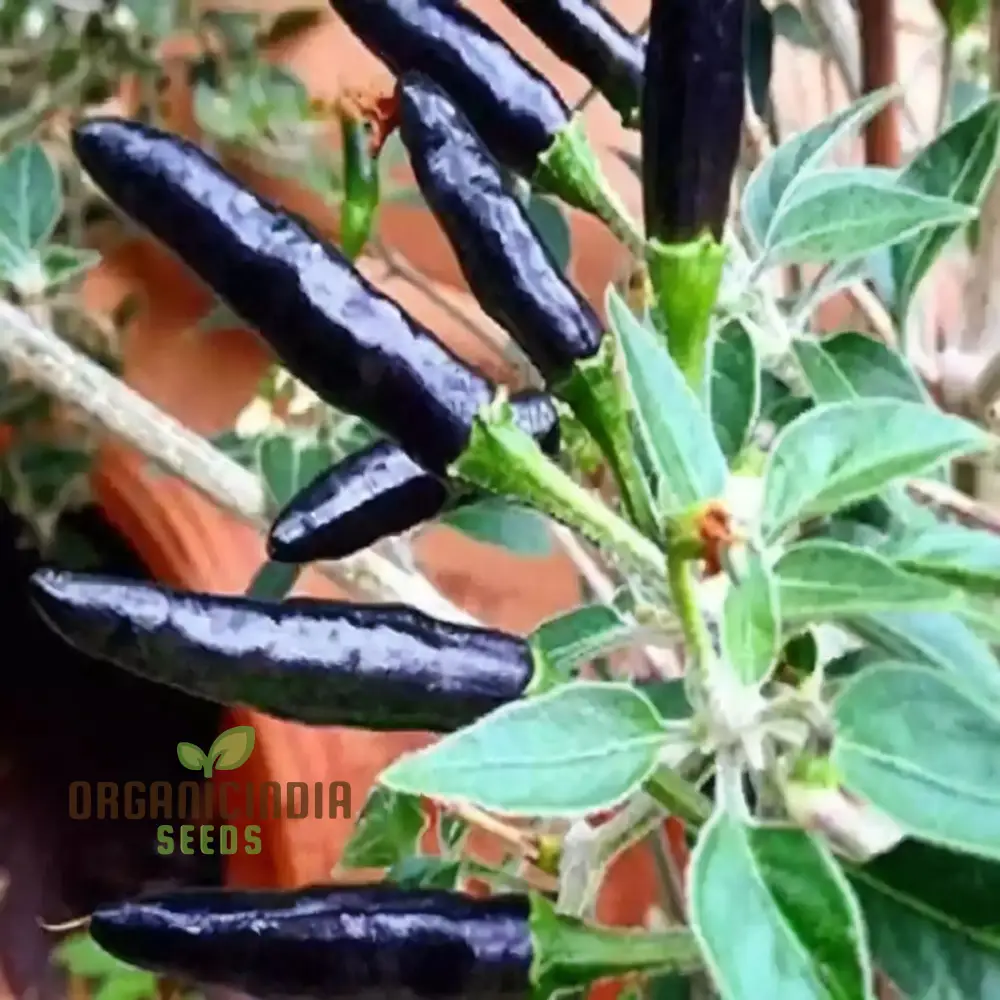
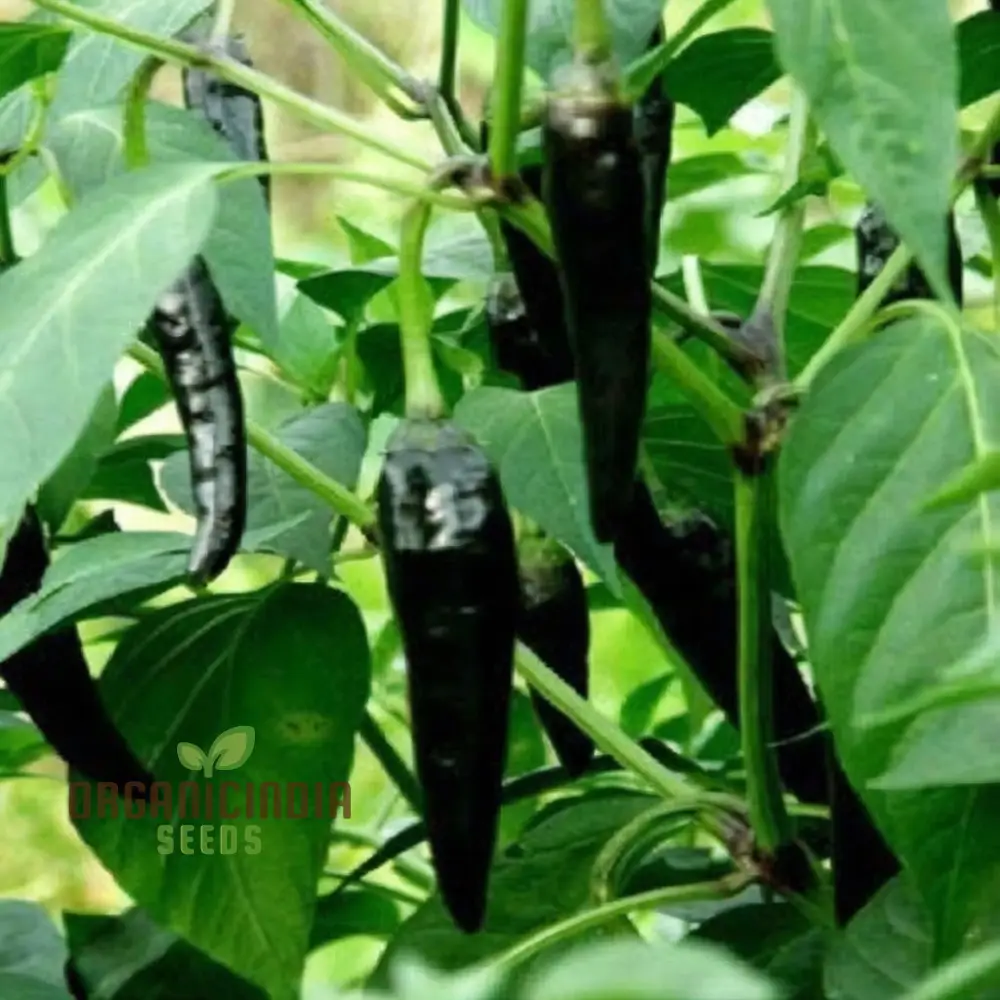
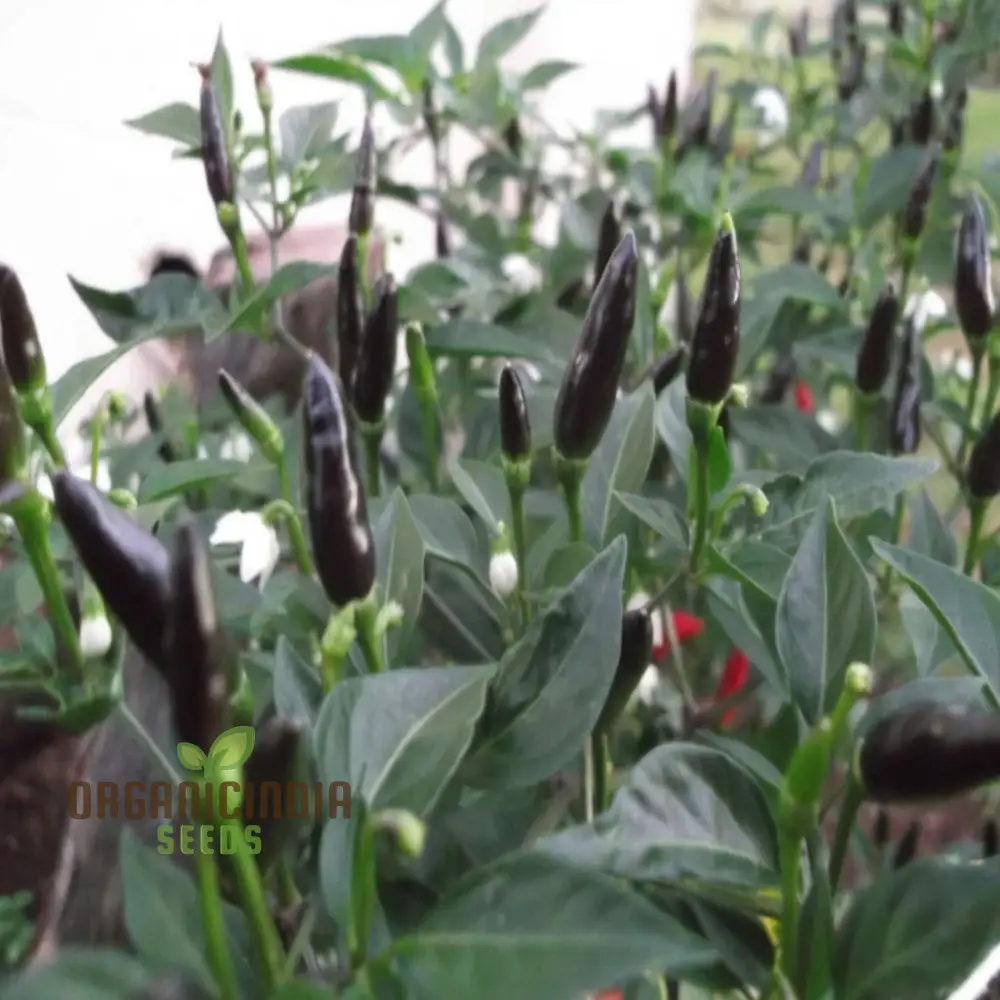
- Fruit Color: Deep red, vibrant and eye-catching
- Heat Level: Medium to hot
- Mature Height: Typically 18-24 inches tall
- Sunlight Needs: Full sun (at least 6-8 hours of direct sunlight)
- Soil Requirements: Well-drained, slightly acidic to neutral soil (pH 6.0-7.0). Prefers rich, fertile soil with plenty of organic matter.
Product Details:
- Seed Count: Typically available in packets with 10-100 seeds, depending on the pack size.
- Seed Type: Non-GMO, hybrid variety for optimized growth and consistent results.
- Germination Rate: High, with an excellent rate of 85-95%.
- Shelf Life: Best if planted within 1-2 years for optimal germination and plant health.
- Sourcing: Sustainably sourced for top-quality hybrid seeds.
Planting Instructions:
Seed Preparation:
- Soil Preparation: Chilli plants prefer well-drained soil rich in organic matter. If planting in pots or containers, use a good quality potting mix with good drainage. In-ground planting should be in raised beds or areas that don’t retain too much water.
- Temperature: These chillies require warm conditions to germinate. Ideal soil temperature for germination is between 70-80°F (21-27°C). Warmth is key for successful sprouting.
Sowing Instructions:
-
Indoor Starting: Start seeds indoors 8-10 weeks before the last expected frost. This is especially important in cooler climates.
- Sowing Depth: Sow seeds 1/4 inch deep.
- Spacing: Plant seeds 2-3 inches apart, keeping the seeds in a warm, well-lit spot.
- Watering: Keep the soil moist but not waterlogged. Once seeds sprout, ensure they have access to ample light to prevent leggy growth.
- Outdoor Sowing: Once all frost risks have passed and nighttime temperatures are consistently above 60°F (16°C), transplant seedlings into outdoor beds or containers. Choose a sunny spot with good drainage.
Transplanting:
- Spacing: When seedlings are ready to be transplanted (after 6-8 weeks), space plants about 12-18 inches apart in rows. Leave about 18-24 inches between rows.
- Planting Depth: Plant seedlings at the same depth they were in the seed trays or pots. Water well after transplanting.
Care & Maintenance:
- Watering: Chilli plants need consistent moisture, especially during the early stages of growth. Water regularly but allow the soil to dry slightly between watering to avoid root rot.
- Fertilization: Use a balanced fertilizer or one rich in phosphorus and potassium to encourage strong root development and fruit production. Avoid overuse of nitrogen, as it promotes excessive leafy growth at the expense of fruit.
- Mulching: Apply a thin layer of mulch around the base of the plants to retain moisture and control weeds.
- Staking: The chilli plants may need support as they grow taller. Use stakes or cages to help them stand upright, especially if the fruit gets heavy.
Pest and Disease Management:
- Common Pests: Watch out for aphids, whiteflies, and spider mites. To manage these pests organically, use insecticidal soap or neem oil.
- Diseases: Ensure proper air circulation to avoid fungal diseases such as powdery mildew or root rot. Avoid overwatering, and water at the base of the plant to prevent wetting the leaves.
- Fungus Gnats: These can sometimes infest pots or greenhouse environments, so it’s important to maintain good soil drainage.
Harvesting:
- Harvesting Time: Chilli F1 Hybrid Deep Kali typically matures 70-80 days after transplanting. Harvest the chillies when they have reached their full color, usually a deep red.
- Harvesting Method: Use scissors or pruning shears to cut the chillies off the plant. Avoid pulling them off, as this can damage the plant.
- Continuous Harvesting: As the plant produces more fruit, you can continue harvesting throughout the growing season. Regular harvesting can encourage more fruit production.
Storage:
- Fresh Use: Use fresh chillies in a variety of dishes, such as stir-fries, salsas, sauces, or marinades. They can add vibrant heat and flavor to any meal.
- Drying: To store for longer periods, chillies can be dried. Simply hang them in a warm, dry place, or use a dehydrator. Once dried, store them in airtight containers.
- Freezing: You can also freeze whole chillies for later use. Wash and dry them thoroughly before freezing in airtight bags.
Tips for Success:
- Temperature Control: Chilli plants thrive in warm temperatures, so be sure to keep them in a spot with enough heat. They won’t do well in chilly conditions.
- Fertilization Frequency: Fertilize your chilli plants every 4-6 weeks with a balanced fertilizer to keep them producing fruit.
- Mulching: Mulch helps to keep the soil temperature even and provides extra nutrients as the mulch decomposes.
- Protection from Frost: If growing in an area with cooler weather, consider using row covers or bringing plants indoors during unexpected frosts to protect them.
Benefits:
- Spicy and Flavorful: Chilli F1 Hybrid Deep Kali adds spice and flavor to a wide range of dishes, making it perfect for culinary use.
- High Yield: This hybrid variety is known for its strong productivity, meaning you’ll have a consistent harvest.
- Compact Growth: These plants are compact, making them suitable for container gardening as well as in-ground planting.
- Disease Resistance: As an F1 hybrid, this variety is often more resistant to common chilli plant diseases compared to non-hybrid varieties.
Conclusion:
Chilli F1 Hybrid Deep Kali Seeds offer an exciting opportunity to grow a vibrant, spicy crop with a medium to hot heat level. Their high yield, disease resistance, and deep red fruit make them a fantastic choice for gardeners looking for a dependable and flavorful chilli variety. Whether you’re an experienced gardener or a beginner, these chillies will provide a spicy kick to your harvest and your kitchen!
Product Information
Product Information
Shipping & Returns
Shipping & Returns
Description
Here's a comprehensive planting and gardening guide for Chilli F1 Hybrid Deep Kali Vegetable Seeds:
Key Features:
- Product Name: Chilli F1 Hybrid Deep Kali Vegetable Seeds
- Variety: F1 Hybrid
- Fruit Color: Deep red, vibrant and eye-catching
- Heat Level: Medium to hot
- Mature Height: Typically 18-24 inches tall
- Sunlight Needs: Full sun (at least 6-8 hours of direct sunlight)
- Soil Requirements: Well-drained, slightly acidic to neutral soil (pH 6.0-7.0). Prefers rich, fertile soil with plenty of organic matter.
Product Details:
- Seed Count: Typically available in packets with 10-100 seeds, depending on the pack size.
- Seed Type: Non-GMO, hybrid variety for optimized growth and consistent results.
- Germination Rate: High, with an excellent rate of 85-95%.
- Shelf Life: Best if planted within 1-2 years for optimal germination and plant health.
- Sourcing: Sustainably sourced for top-quality hybrid seeds.
Planting Instructions:
Seed Preparation:
- Soil Preparation: Chilli plants prefer well-drained soil rich in organic matter. If planting in pots or containers, use a good quality potting mix with good drainage. In-ground planting should be in raised beds or areas that don’t retain too much water.
- Temperature: These chillies require warm conditions to germinate. Ideal soil temperature for germination is between 70-80°F (21-27°C). Warmth is key for successful sprouting.
Sowing Instructions:
-
Indoor Starting: Start seeds indoors 8-10 weeks before the last expected frost. This is especially important in cooler climates.
- Sowing Depth: Sow seeds 1/4 inch deep.
- Spacing: Plant seeds 2-3 inches apart, keeping the seeds in a warm, well-lit spot.
- Watering: Keep the soil moist but not waterlogged. Once seeds sprout, ensure they have access to ample light to prevent leggy growth.
- Outdoor Sowing: Once all frost risks have passed and nighttime temperatures are consistently above 60°F (16°C), transplant seedlings into outdoor beds or containers. Choose a sunny spot with good drainage.
Transplanting:
- Spacing: When seedlings are ready to be transplanted (after 6-8 weeks), space plants about 12-18 inches apart in rows. Leave about 18-24 inches between rows.
- Planting Depth: Plant seedlings at the same depth they were in the seed trays or pots. Water well after transplanting.
Care & Maintenance:
- Watering: Chilli plants need consistent moisture, especially during the early stages of growth. Water regularly but allow the soil to dry slightly between watering to avoid root rot.
- Fertilization: Use a balanced fertilizer or one rich in phosphorus and potassium to encourage strong root development and fruit production. Avoid overuse of nitrogen, as it promotes excessive leafy growth at the expense of fruit.
- Mulching: Apply a thin layer of mulch around the base of the plants to retain moisture and control weeds.
- Staking: The chilli plants may need support as they grow taller. Use stakes or cages to help them stand upright, especially if the fruit gets heavy.
Pest and Disease Management:
- Common Pests: Watch out for aphids, whiteflies, and spider mites. To manage these pests organically, use insecticidal soap or neem oil.
- Diseases: Ensure proper air circulation to avoid fungal diseases such as powdery mildew or root rot. Avoid overwatering, and water at the base of the plant to prevent wetting the leaves.
- Fungus Gnats: These can sometimes infest pots or greenhouse environments, so it’s important to maintain good soil drainage.
Harvesting:
- Harvesting Time: Chilli F1 Hybrid Deep Kali typically matures 70-80 days after transplanting. Harvest the chillies when they have reached their full color, usually a deep red.
- Harvesting Method: Use scissors or pruning shears to cut the chillies off the plant. Avoid pulling them off, as this can damage the plant.
- Continuous Harvesting: As the plant produces more fruit, you can continue harvesting throughout the growing season. Regular harvesting can encourage more fruit production.
Storage:
- Fresh Use: Use fresh chillies in a variety of dishes, such as stir-fries, salsas, sauces, or marinades. They can add vibrant heat and flavor to any meal.
- Drying: To store for longer periods, chillies can be dried. Simply hang them in a warm, dry place, or use a dehydrator. Once dried, store them in airtight containers.
- Freezing: You can also freeze whole chillies for later use. Wash and dry them thoroughly before freezing in airtight bags.
Tips for Success:
- Temperature Control: Chilli plants thrive in warm temperatures, so be sure to keep them in a spot with enough heat. They won’t do well in chilly conditions.
- Fertilization Frequency: Fertilize your chilli plants every 4-6 weeks with a balanced fertilizer to keep them producing fruit.
- Mulching: Mulch helps to keep the soil temperature even and provides extra nutrients as the mulch decomposes.
- Protection from Frost: If growing in an area with cooler weather, consider using row covers or bringing plants indoors during unexpected frosts to protect them.
Benefits:
- Spicy and Flavorful: Chilli F1 Hybrid Deep Kali adds spice and flavor to a wide range of dishes, making it perfect for culinary use.
- High Yield: This hybrid variety is known for its strong productivity, meaning you’ll have a consistent harvest.
- Compact Growth: These plants are compact, making them suitable for container gardening as well as in-ground planting.
- Disease Resistance: As an F1 hybrid, this variety is often more resistant to common chilli plant diseases compared to non-hybrid varieties.
Conclusion:
Chilli F1 Hybrid Deep Kali Seeds offer an exciting opportunity to grow a vibrant, spicy crop with a medium to hot heat level. Their high yield, disease resistance, and deep red fruit make them a fantastic choice for gardeners looking for a dependable and flavorful chilli variety. Whether you’re an experienced gardener or a beginner, these chillies will provide a spicy kick to your harvest and your kitchen!