🎉 Up to 70% Off Selected ItemsShop Sale

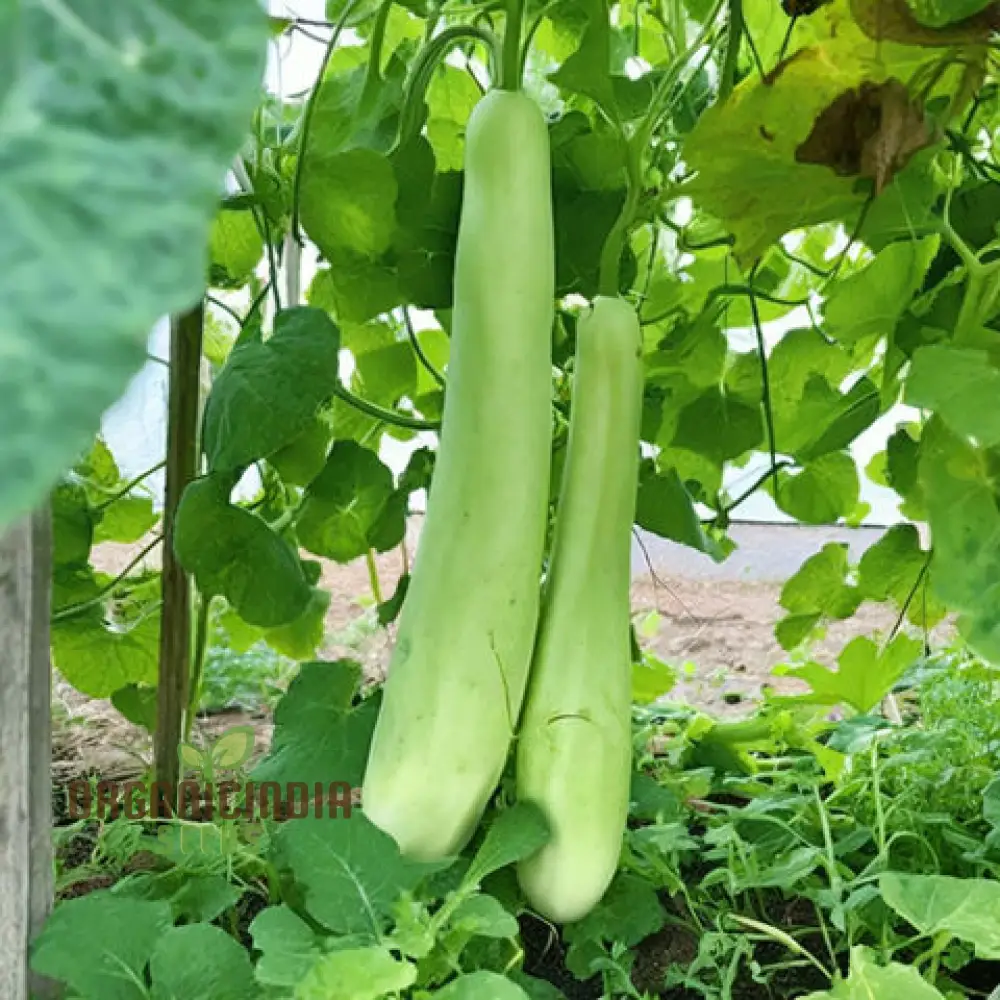
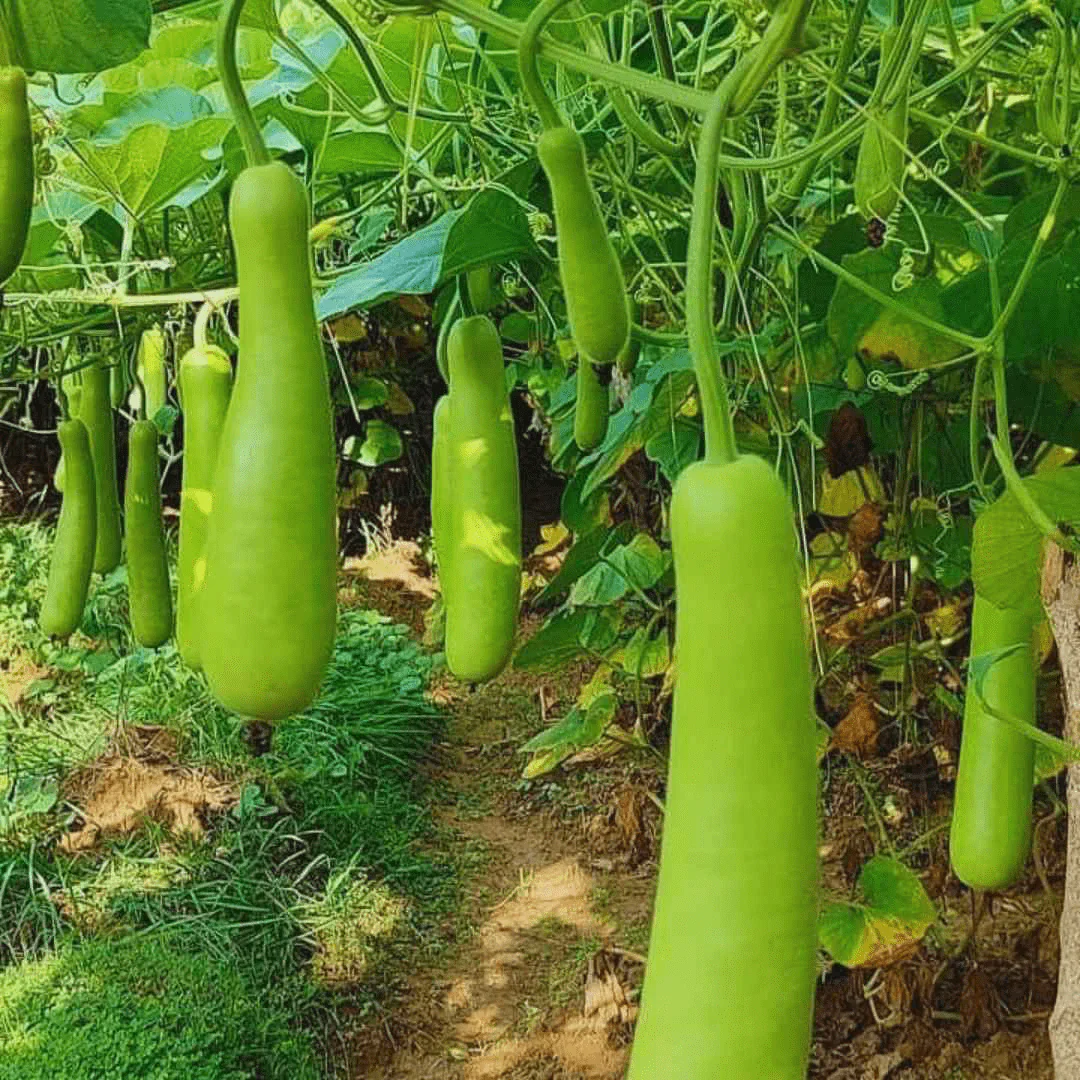
Grow Your Own Refreshing and Nutritious Gourds with Green Bottle Gourd Vegetable Seeds
Bottle Gourd Seeds – Versatile and Easy to Grow
Key Attributes
- Product Name: Bottle Gourd Seeds
- Quantity: Available in 100, 500, or 1000 seeds per pack
- Mature Height: Vines can grow 10–15 feet long
- Light Requirements: Full sun (6–8 hours daily)
- Soil Requirements: Well-drained, fertile soil with pH 6.0–7.5
- Uses:
- Culinary: Young gourds are ideal for stir-fries, soups, curries, and stews.
- Crafting: Mature gourds can be dried and used for making bottles, birdhouses, and utensils.
- Medicinal Uses: Traditionally used in herbal remedies.
- Decorative: Grown as an ornamental vine for arbors or trellises.
Why Grow Bottle Gourds?
- Fast-growing, high-yielding vines that thrive in warm climates.
- Multi-purpose use – edible when young, durable when mature.
- Natural pest resistance compared to other vegetables.
- Can be grown in containers or vertical gardens with proper support.
Product Details
- Germination Rate: High (80–90% with proper care).
- Seed Freshness: New seeds for optimal germination.
- Origin: Sustainably sourced.
- Shelf Life: Best planted within one year for maximum viability.
Planting Instructions
Seed Preparation
- Optional: Soak seeds in warm water for 12–24 hours before planting to speed up germination.
Sowing
- Plant Depth: 1 inch deep in rows or hills.
- Spacing:
- In Rows: Space seeds 3 feet apart in rows 4–5 feet apart.
- In Hills: Plant 3–4 seeds per hill, then thin to the strongest 1–2 plants after germination.
- Best Time to Plant: After the last frost, when soil temperatures reach 70°F (21°C) or warmer.
Germination
- Time: 7–14 days under optimal conditions.
- Moisture: Keep soil consistently moist but not waterlogged.
Transplanting
- Starting Indoors:
- Sow in biodegradable pots 3–4 weeks before the last frost date.
- Transplant carefully outdoors after the last frost, once the soil has warmed.
- Handle gently to avoid disturbing the roots.
Care and Maintenance
Watering
- Water regularly, ensuring the soil remains evenly moist.
- Increase watering during flowering and fruit development to promote healthy growth.
- Avoid overwatering, as bottle gourds are prone to root rot in waterlogged conditions.
Mulching
- Apply a 2–3 inch layer of mulch around the plants to:
- Retain soil moisture.
- Suppress weed growth.
- Regulate soil temperature.
Support & Training
- Provide trellises, stakes, or netting to support vines as they grow.
- Training vines to climb prevents fruit from touching the ground, reducing the risk of fruit rot and pest damage.
Harvesting & Storage
When to Harvest
- For Cooking:
- Harvest young gourds (10–12 inches long) while the skin is still soft.
- Use a sharp knife or scissors to cut the fruit, leaving a short stem attached.
- For Crafting/Drying:
- Allow the gourd to fully mature on the vine until the skin hardens and turns yellow/brown.
- Cure in a warm, dry place until completely dry, which can take weeks to months.
Storage Tips
- Fresh gourds: Store in a cool, dry place and use within 2 weeks.
- Dried gourds: Store in a well-ventilated area for crafting or ornamental purposes.
Grow Bottle Gourds for Food, Crafting, or Decoration!
With their vigorous growth, versatility, and easy maintenance, bottle gourds are a great addition to any home garden.
Happy Gardening!
Select Size
From $5.95
Original: $16.99
-65%Grow Your Own Refreshing and Nutritious Gourds with Green Bottle Gourd Vegetable Seeds—
$16.99
$5.95More Images


Grow Your Own Refreshing and Nutritious Gourds with Green Bottle Gourd Vegetable Seeds
Bottle Gourd Seeds – Versatile and Easy to Grow
Key Attributes
- Product Name: Bottle Gourd Seeds
- Quantity: Available in 100, 500, or 1000 seeds per pack
- Mature Height: Vines can grow 10–15 feet long
- Light Requirements: Full sun (6–8 hours daily)
- Soil Requirements: Well-drained, fertile soil with pH 6.0–7.5
- Uses:
- Culinary: Young gourds are ideal for stir-fries, soups, curries, and stews.
- Crafting: Mature gourds can be dried and used for making bottles, birdhouses, and utensils.
- Medicinal Uses: Traditionally used in herbal remedies.
- Decorative: Grown as an ornamental vine for arbors or trellises.
Why Grow Bottle Gourds?
- Fast-growing, high-yielding vines that thrive in warm climates.
- Multi-purpose use – edible when young, durable when mature.
- Natural pest resistance compared to other vegetables.
- Can be grown in containers or vertical gardens with proper support.
Product Details
- Germination Rate: High (80–90% with proper care).
- Seed Freshness: New seeds for optimal germination.
- Origin: Sustainably sourced.
- Shelf Life: Best planted within one year for maximum viability.
Planting Instructions
Seed Preparation
- Optional: Soak seeds in warm water for 12–24 hours before planting to speed up germination.
Sowing
- Plant Depth: 1 inch deep in rows or hills.
- Spacing:
- In Rows: Space seeds 3 feet apart in rows 4–5 feet apart.
- In Hills: Plant 3–4 seeds per hill, then thin to the strongest 1–2 plants after germination.
- Best Time to Plant: After the last frost, when soil temperatures reach 70°F (21°C) or warmer.
Germination
- Time: 7–14 days under optimal conditions.
- Moisture: Keep soil consistently moist but not waterlogged.
Transplanting
- Starting Indoors:
- Sow in biodegradable pots 3–4 weeks before the last frost date.
- Transplant carefully outdoors after the last frost, once the soil has warmed.
- Handle gently to avoid disturbing the roots.
Care and Maintenance
Watering
- Water regularly, ensuring the soil remains evenly moist.
- Increase watering during flowering and fruit development to promote healthy growth.
- Avoid overwatering, as bottle gourds are prone to root rot in waterlogged conditions.
Mulching
- Apply a 2–3 inch layer of mulch around the plants to:
- Retain soil moisture.
- Suppress weed growth.
- Regulate soil temperature.
Support & Training
- Provide trellises, stakes, or netting to support vines as they grow.
- Training vines to climb prevents fruit from touching the ground, reducing the risk of fruit rot and pest damage.
Harvesting & Storage
When to Harvest
- For Cooking:
- Harvest young gourds (10–12 inches long) while the skin is still soft.
- Use a sharp knife or scissors to cut the fruit, leaving a short stem attached.
- For Crafting/Drying:
- Allow the gourd to fully mature on the vine until the skin hardens and turns yellow/brown.
- Cure in a warm, dry place until completely dry, which can take weeks to months.
Storage Tips
- Fresh gourds: Store in a cool, dry place and use within 2 weeks.
- Dried gourds: Store in a well-ventilated area for crafting or ornamental purposes.
Grow Bottle Gourds for Food, Crafting, or Decoration!
With their vigorous growth, versatility, and easy maintenance, bottle gourds are a great addition to any home garden.
Happy Gardening!
Product Information
Product Information
Shipping & Returns
Shipping & Returns
Description
Bottle Gourd Seeds – Versatile and Easy to Grow
Key Attributes
- Product Name: Bottle Gourd Seeds
- Quantity: Available in 100, 500, or 1000 seeds per pack
- Mature Height: Vines can grow 10–15 feet long
- Light Requirements: Full sun (6–8 hours daily)
- Soil Requirements: Well-drained, fertile soil with pH 6.0–7.5
- Uses:
- Culinary: Young gourds are ideal for stir-fries, soups, curries, and stews.
- Crafting: Mature gourds can be dried and used for making bottles, birdhouses, and utensils.
- Medicinal Uses: Traditionally used in herbal remedies.
- Decorative: Grown as an ornamental vine for arbors or trellises.
Why Grow Bottle Gourds?
- Fast-growing, high-yielding vines that thrive in warm climates.
- Multi-purpose use – edible when young, durable when mature.
- Natural pest resistance compared to other vegetables.
- Can be grown in containers or vertical gardens with proper support.
Product Details
- Germination Rate: High (80–90% with proper care).
- Seed Freshness: New seeds for optimal germination.
- Origin: Sustainably sourced.
- Shelf Life: Best planted within one year for maximum viability.
Planting Instructions
Seed Preparation
- Optional: Soak seeds in warm water for 12–24 hours before planting to speed up germination.
Sowing
- Plant Depth: 1 inch deep in rows or hills.
- Spacing:
- In Rows: Space seeds 3 feet apart in rows 4–5 feet apart.
- In Hills: Plant 3–4 seeds per hill, then thin to the strongest 1–2 plants after germination.
- Best Time to Plant: After the last frost, when soil temperatures reach 70°F (21°C) or warmer.
Germination
- Time: 7–14 days under optimal conditions.
- Moisture: Keep soil consistently moist but not waterlogged.
Transplanting
- Starting Indoors:
- Sow in biodegradable pots 3–4 weeks before the last frost date.
- Transplant carefully outdoors after the last frost, once the soil has warmed.
- Handle gently to avoid disturbing the roots.
Care and Maintenance
Watering
- Water regularly, ensuring the soil remains evenly moist.
- Increase watering during flowering and fruit development to promote healthy growth.
- Avoid overwatering, as bottle gourds are prone to root rot in waterlogged conditions.
Mulching
- Apply a 2–3 inch layer of mulch around the plants to:
- Retain soil moisture.
- Suppress weed growth.
- Regulate soil temperature.
Support & Training
- Provide trellises, stakes, or netting to support vines as they grow.
- Training vines to climb prevents fruit from touching the ground, reducing the risk of fruit rot and pest damage.
Harvesting & Storage
When to Harvest
- For Cooking:
- Harvest young gourds (10–12 inches long) while the skin is still soft.
- Use a sharp knife or scissors to cut the fruit, leaving a short stem attached.
- For Crafting/Drying:
- Allow the gourd to fully mature on the vine until the skin hardens and turns yellow/brown.
- Cure in a warm, dry place until completely dry, which can take weeks to months.
Storage Tips
- Fresh gourds: Store in a cool, dry place and use within 2 weeks.
- Dried gourds: Store in a well-ventilated area for crafting or ornamental purposes.
Grow Bottle Gourds for Food, Crafting, or Decoration!
With their vigorous growth, versatility, and easy maintenance, bottle gourds are a great addition to any home garden.
Happy Gardening!