🎉 Up to 70% Off Selected ItemsShop Sale
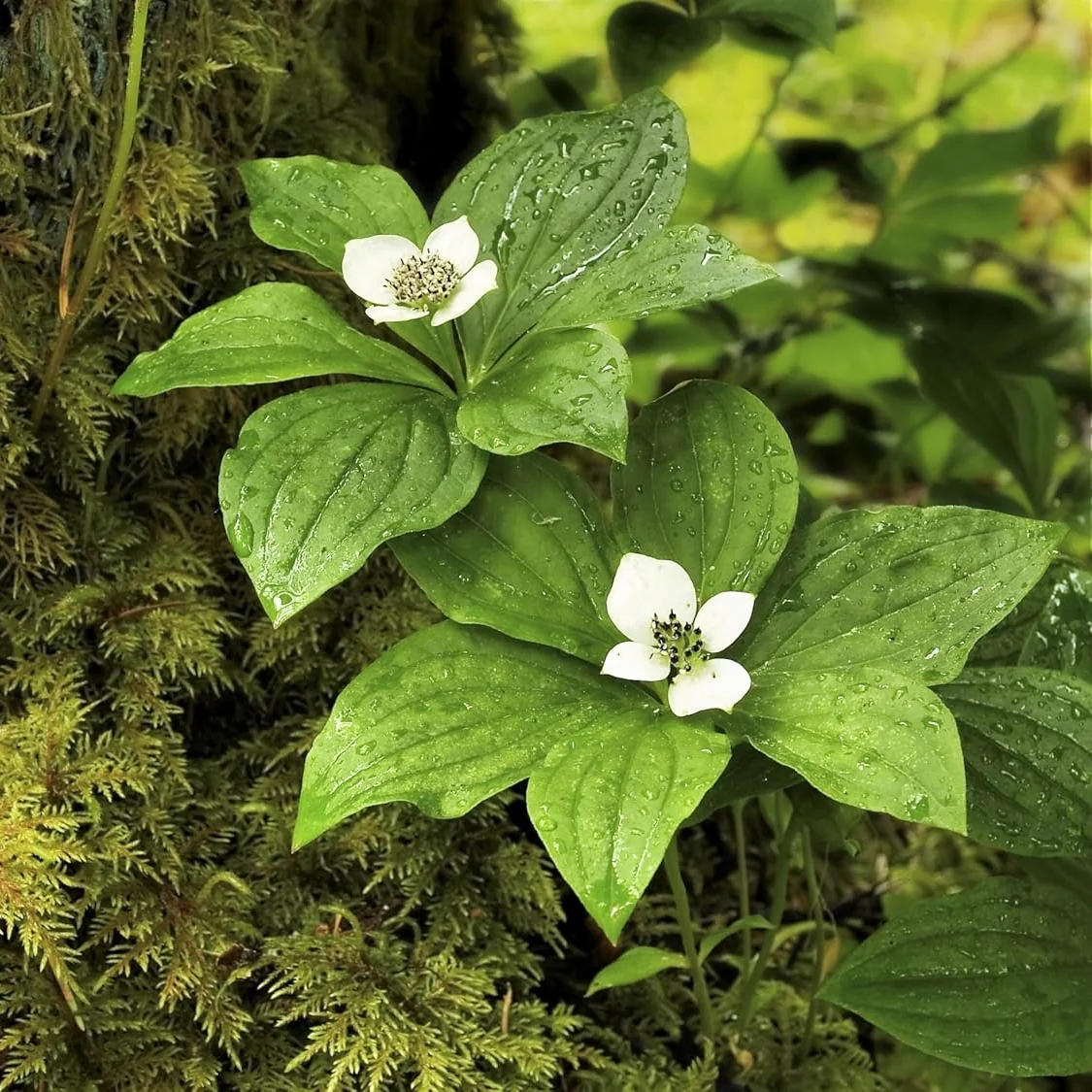
Western Bunchberry Flower Seeds, Grow Rare White Woodland Blooms
Western Bunchberry Flower Seeds – Grow Rare White Woodland Blooms
Key Features:
- Scientific Name: Cornus unalaschkensis
- Common Name: Western Bunchberry
- Bloom Color: Delicate white blooms with a greenish tinge
- Plant Type: Perennial ground cover
- Sun Requirements: Partial shade to full shade
- Soil Type: Rich, moist, well-draining soil with high organic content
- Watering Needs: Moderate to high; prefers consistently moist soil
- Growth Habit: Low-growing, spreading ground cover with lush green foliage
- Hardiness Zones: Best suited for USDA zones 2-7
- Uses: Shaded gardens, woodland landscapes, rock gardens, and ground cover
Why Grow Western Bunchberry?
- Rare & Unique Blooms – Produces elegant white flowers that add charm to woodland gardens.
- Thrives in Shade – Ideal for shaded gardens and under tree canopies.
- Spreads Naturally – Forms a dense mat of foliage, great for naturalizing landscapes.
- Wildlife-Friendly – Attracts pollinators and produces bright red berries that birds love.
- Cold-Hardy & Resilient – Can withstand harsh winters and cooler climates.
Planting & Care Instructions
Seed Sowing & Germination:
- Stratification Required:
- Mix seeds with moist sand or peat moss and refrigerate for 3-4 months to break dormancy.
- Sowing Instructions:
- Sow seeds ¼ inch deep in a moist, well-draining woodland soil mix.
- Keep soil consistently damp but not waterlogged.
- Germination can take 6-12 months, so patience is key.
Growing & Maintenance:
- Transplanting:
- Once seedlings have established roots, transplant them to shaded garden areas.
- Watering:
- Prefers even moisture; avoid letting soil dry out completely.
- Mulching:
- Apply a layer of organic mulch to retain moisture and enrich the soil.
- Fertilization:
- Use a light application of compost or organic fertilizer in early spring.
- Pest & Disease Control:
- Generally pest-resistant but monitor for fungal issues in overly wet conditions.
Ideal Growing Locations
- Shaded Woodland Gardens – Mimics the plant’s natural forest habitat.
- Under Trees & Shrubs – Ideal for dappled sunlight and moist conditions.
- Rock Gardens & Borders – Creates a lush, naturalized ground cover.
- Cool, Moist Climates – Thrives in temperate and northern regions.
Bring a Touch of Woodland Elegance to Your Garden – Order Your Seeds Today!
Select Size
From $5.95
Original: $16.99
-65%Western Bunchberry Flower Seeds, Grow Rare White Woodland Blooms—
$16.99
$5.95More Images
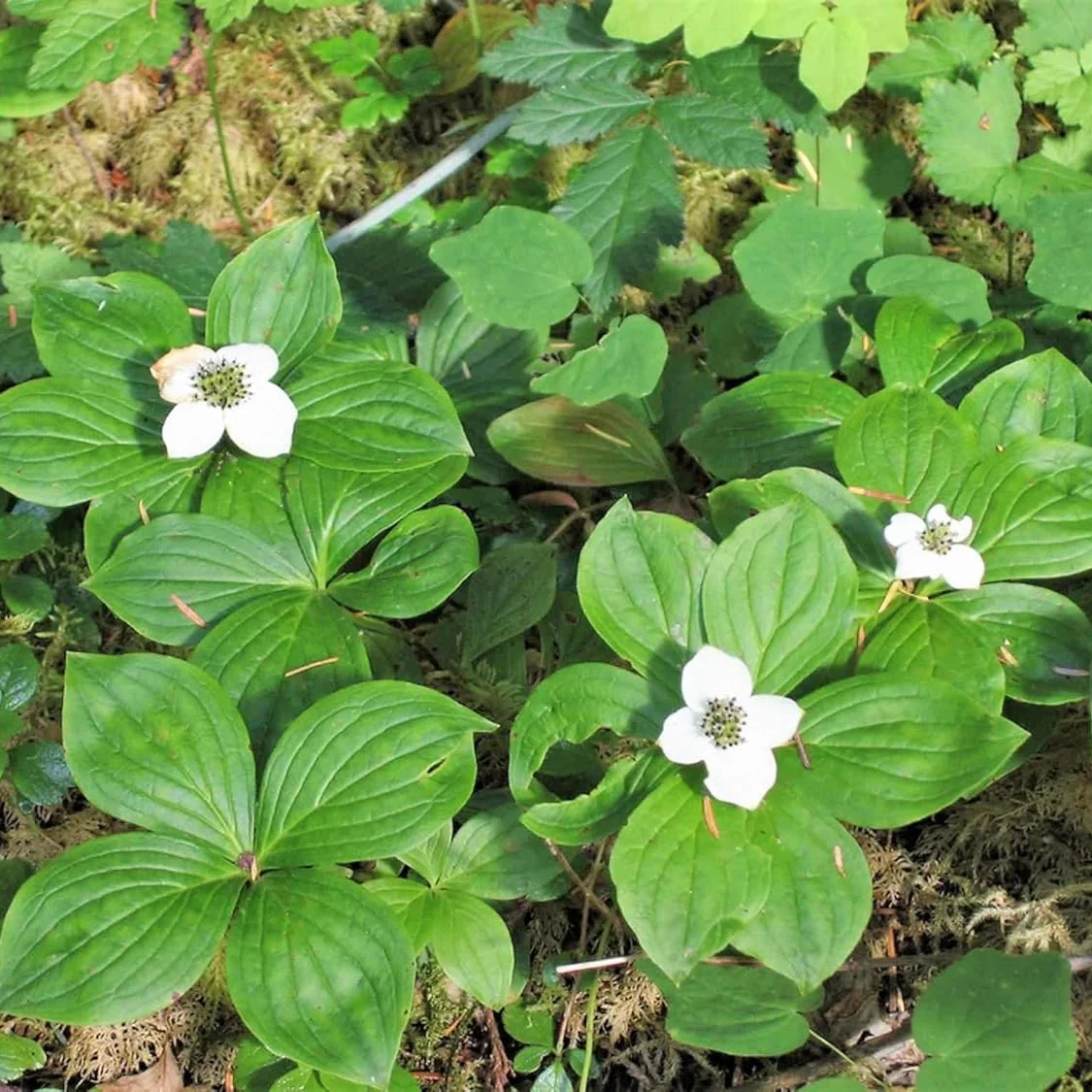
Western Bunchberry Flower Seeds, Grow Rare White Woodland Blooms
Western Bunchberry Flower Seeds – Grow Rare White Woodland Blooms
Key Features:
- Scientific Name: Cornus unalaschkensis
- Common Name: Western Bunchberry
- Bloom Color: Delicate white blooms with a greenish tinge
- Plant Type: Perennial ground cover
- Sun Requirements: Partial shade to full shade
- Soil Type: Rich, moist, well-draining soil with high organic content
- Watering Needs: Moderate to high; prefers consistently moist soil
- Growth Habit: Low-growing, spreading ground cover with lush green foliage
- Hardiness Zones: Best suited for USDA zones 2-7
- Uses: Shaded gardens, woodland landscapes, rock gardens, and ground cover
Why Grow Western Bunchberry?
- Rare & Unique Blooms – Produces elegant white flowers that add charm to woodland gardens.
- Thrives in Shade – Ideal for shaded gardens and under tree canopies.
- Spreads Naturally – Forms a dense mat of foliage, great for naturalizing landscapes.
- Wildlife-Friendly – Attracts pollinators and produces bright red berries that birds love.
- Cold-Hardy & Resilient – Can withstand harsh winters and cooler climates.
Planting & Care Instructions
Seed Sowing & Germination:
- Stratification Required:
- Mix seeds with moist sand or peat moss and refrigerate for 3-4 months to break dormancy.
- Sowing Instructions:
- Sow seeds ¼ inch deep in a moist, well-draining woodland soil mix.
- Keep soil consistently damp but not waterlogged.
- Germination can take 6-12 months, so patience is key.
Growing & Maintenance:
- Transplanting:
- Once seedlings have established roots, transplant them to shaded garden areas.
- Watering:
- Prefers even moisture; avoid letting soil dry out completely.
- Mulching:
- Apply a layer of organic mulch to retain moisture and enrich the soil.
- Fertilization:
- Use a light application of compost or organic fertilizer in early spring.
- Pest & Disease Control:
- Generally pest-resistant but monitor for fungal issues in overly wet conditions.
Ideal Growing Locations
- Shaded Woodland Gardens – Mimics the plant’s natural forest habitat.
- Under Trees & Shrubs – Ideal for dappled sunlight and moist conditions.
- Rock Gardens & Borders – Creates a lush, naturalized ground cover.
- Cool, Moist Climates – Thrives in temperate and northern regions.
Bring a Touch of Woodland Elegance to Your Garden – Order Your Seeds Today!
Product Information
Product Information
Shipping & Returns
Shipping & Returns
Description
Western Bunchberry Flower Seeds – Grow Rare White Woodland Blooms
Key Features:
- Scientific Name: Cornus unalaschkensis
- Common Name: Western Bunchberry
- Bloom Color: Delicate white blooms with a greenish tinge
- Plant Type: Perennial ground cover
- Sun Requirements: Partial shade to full shade
- Soil Type: Rich, moist, well-draining soil with high organic content
- Watering Needs: Moderate to high; prefers consistently moist soil
- Growth Habit: Low-growing, spreading ground cover with lush green foliage
- Hardiness Zones: Best suited for USDA zones 2-7
- Uses: Shaded gardens, woodland landscapes, rock gardens, and ground cover
Why Grow Western Bunchberry?
- Rare & Unique Blooms – Produces elegant white flowers that add charm to woodland gardens.
- Thrives in Shade – Ideal for shaded gardens and under tree canopies.
- Spreads Naturally – Forms a dense mat of foliage, great for naturalizing landscapes.
- Wildlife-Friendly – Attracts pollinators and produces bright red berries that birds love.
- Cold-Hardy & Resilient – Can withstand harsh winters and cooler climates.
Planting & Care Instructions
Seed Sowing & Germination:
- Stratification Required:
- Mix seeds with moist sand or peat moss and refrigerate for 3-4 months to break dormancy.
- Sowing Instructions:
- Sow seeds ¼ inch deep in a moist, well-draining woodland soil mix.
- Keep soil consistently damp but not waterlogged.
- Germination can take 6-12 months, so patience is key.
Growing & Maintenance:
- Transplanting:
- Once seedlings have established roots, transplant them to shaded garden areas.
- Watering:
- Prefers even moisture; avoid letting soil dry out completely.
- Mulching:
- Apply a layer of organic mulch to retain moisture and enrich the soil.
- Fertilization:
- Use a light application of compost or organic fertilizer in early spring.
- Pest & Disease Control:
- Generally pest-resistant but monitor for fungal issues in overly wet conditions.
Ideal Growing Locations
- Shaded Woodland Gardens – Mimics the plant’s natural forest habitat.
- Under Trees & Shrubs – Ideal for dappled sunlight and moist conditions.
- Rock Gardens & Borders – Creates a lush, naturalized ground cover.
- Cool, Moist Climates – Thrives in temperate and northern regions.