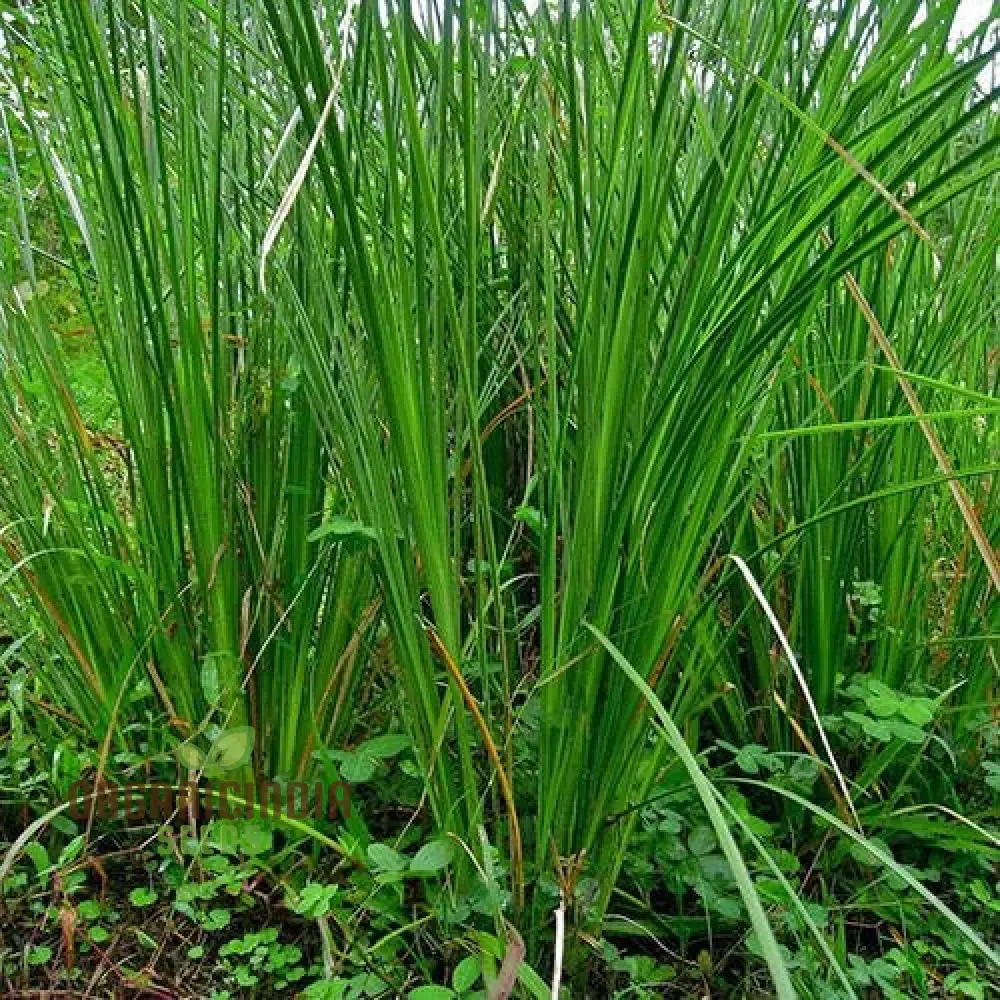
Vetiver Plant Seeds, Fresh, Generic
Vetiver Plant Seeds – Fresh, High-Quality Grass for Erosion Control, Fragrance, and Soil Improvement
Vetiver (Chrysopogon zizanioides), also known as Khus grass, is a fast-growing, deeply rooted perennial grass with multiple uses. It is widely cultivated for its aromatic roots, which are used in perfumery, essential oils, and traditional medicine. Additionally, vetiver is highly valued for its ability to prevent soil erosion, improve water retention, and serve as a natural pest deterrent in gardens.
Product Details
- Scientific Name: Chrysopogon zizanioides
- Common Names: Vetiver, Khus grass
- Plant Type: Perennial grass
- Growth Habit: Clumping, non-invasive
- Height: 3-5 feet
- Spread: 2-3 feet
- Sun Requirements: Full sun
- Soil Needs: Well-draining, sandy or loamy soil
- Watering Needs: Moderate; drought-tolerant once established
- Cold Hardiness: USDA Zones 7-11
- Foliage: Slender, upright, fragrant green leaves
- Root System: Deep, fibrous roots that prevent erosion
- Fragrance: Earthy, woody, and calming aroma
Why Grow Vetiver?
- Erosion Control: Deep roots stabilize soil on slopes and riverbanks
- Drought Tolerance: Requires minimal watering once established
- Fragrant Roots: Used in perfumery, essential oils, and natural air fresheners
- Pest Repellent: Naturally deters termites and other pests
- Soil Improvement: Helps retain moisture and reduce runoff
- Ornamental Appeal: Adds texture and structure to landscapes
- Eco-Friendly Alternative: Used as a natural mulch and sustainable fiber source
How to Grow Vetiver from Seeds
-
Sowing Indoors:
- Start seeds indoors in warm temperatures (70-85°F).
- Use a well-draining potting mix and lightly press seeds into the soil.
- Keep the soil consistently moist but not waterlogged.
- Germination takes 3-4 weeks.
-
Transplanting Outdoors:
- Once seedlings reach 4-6 inches, transplant them outdoors in full sun.
- Space plants 12-18 inches apart for optimal root development.
-
Direct Sowing (Warmer Climates):
- In tropical and subtropical regions, sow seeds directly in the ground after the last frost.
- Keep the soil moist until seedlings establish.
-
Watering & Care:
- Water regularly until roots develop, then reduce frequency.
- Trim back old leaves to encourage fresh growth.
- Vetiver grows best in hot climates and is resistant to most pests.
Ideal For
- Landscaping and erosion control
- Aromatic gardens and essential oil production
- Sustainable and eco-friendly gardening
- Water conservation landscapes
Vetiver is a resilient and beneficial plant with both practical and ornamental uses.
Original: $17.00
-65%$17.00
$5.95More Images
Vetiver Plant Seeds, Fresh, Generic
Vetiver Plant Seeds – Fresh, High-Quality Grass for Erosion Control, Fragrance, and Soil Improvement
Vetiver (Chrysopogon zizanioides), also known as Khus grass, is a fast-growing, deeply rooted perennial grass with multiple uses. It is widely cultivated for its aromatic roots, which are used in perfumery, essential oils, and traditional medicine. Additionally, vetiver is highly valued for its ability to prevent soil erosion, improve water retention, and serve as a natural pest deterrent in gardens.
Product Details
- Scientific Name: Chrysopogon zizanioides
- Common Names: Vetiver, Khus grass
- Plant Type: Perennial grass
- Growth Habit: Clumping, non-invasive
- Height: 3-5 feet
- Spread: 2-3 feet
- Sun Requirements: Full sun
- Soil Needs: Well-draining, sandy or loamy soil
- Watering Needs: Moderate; drought-tolerant once established
- Cold Hardiness: USDA Zones 7-11
- Foliage: Slender, upright, fragrant green leaves
- Root System: Deep, fibrous roots that prevent erosion
- Fragrance: Earthy, woody, and calming aroma
Why Grow Vetiver?
- Erosion Control: Deep roots stabilize soil on slopes and riverbanks
- Drought Tolerance: Requires minimal watering once established
- Fragrant Roots: Used in perfumery, essential oils, and natural air fresheners
- Pest Repellent: Naturally deters termites and other pests
- Soil Improvement: Helps retain moisture and reduce runoff
- Ornamental Appeal: Adds texture and structure to landscapes
- Eco-Friendly Alternative: Used as a natural mulch and sustainable fiber source
How to Grow Vetiver from Seeds
-
Sowing Indoors:
- Start seeds indoors in warm temperatures (70-85°F).
- Use a well-draining potting mix and lightly press seeds into the soil.
- Keep the soil consistently moist but not waterlogged.
- Germination takes 3-4 weeks.
-
Transplanting Outdoors:
- Once seedlings reach 4-6 inches, transplant them outdoors in full sun.
- Space plants 12-18 inches apart for optimal root development.
-
Direct Sowing (Warmer Climates):
- In tropical and subtropical regions, sow seeds directly in the ground after the last frost.
- Keep the soil moist until seedlings establish.
-
Watering & Care:
- Water regularly until roots develop, then reduce frequency.
- Trim back old leaves to encourage fresh growth.
- Vetiver grows best in hot climates and is resistant to most pests.
Ideal For
- Landscaping and erosion control
- Aromatic gardens and essential oil production
- Sustainable and eco-friendly gardening
- Water conservation landscapes
Vetiver is a resilient and beneficial plant with both practical and ornamental uses.
Product Information
Product Information
Shipping & Returns
Shipping & Returns
Description
Vetiver Plant Seeds – Fresh, High-Quality Grass for Erosion Control, Fragrance, and Soil Improvement
Vetiver (Chrysopogon zizanioides), also known as Khus grass, is a fast-growing, deeply rooted perennial grass with multiple uses. It is widely cultivated for its aromatic roots, which are used in perfumery, essential oils, and traditional medicine. Additionally, vetiver is highly valued for its ability to prevent soil erosion, improve water retention, and serve as a natural pest deterrent in gardens.
Product Details
- Scientific Name: Chrysopogon zizanioides
- Common Names: Vetiver, Khus grass
- Plant Type: Perennial grass
- Growth Habit: Clumping, non-invasive
- Height: 3-5 feet
- Spread: 2-3 feet
- Sun Requirements: Full sun
- Soil Needs: Well-draining, sandy or loamy soil
- Watering Needs: Moderate; drought-tolerant once established
- Cold Hardiness: USDA Zones 7-11
- Foliage: Slender, upright, fragrant green leaves
- Root System: Deep, fibrous roots that prevent erosion
- Fragrance: Earthy, woody, and calming aroma
Why Grow Vetiver?
- Erosion Control: Deep roots stabilize soil on slopes and riverbanks
- Drought Tolerance: Requires minimal watering once established
- Fragrant Roots: Used in perfumery, essential oils, and natural air fresheners
- Pest Repellent: Naturally deters termites and other pests
- Soil Improvement: Helps retain moisture and reduce runoff
- Ornamental Appeal: Adds texture and structure to landscapes
- Eco-Friendly Alternative: Used as a natural mulch and sustainable fiber source
How to Grow Vetiver from Seeds
-
Sowing Indoors:
- Start seeds indoors in warm temperatures (70-85°F).
- Use a well-draining potting mix and lightly press seeds into the soil.
- Keep the soil consistently moist but not waterlogged.
- Germination takes 3-4 weeks.
-
Transplanting Outdoors:
- Once seedlings reach 4-6 inches, transplant them outdoors in full sun.
- Space plants 12-18 inches apart for optimal root development.
-
Direct Sowing (Warmer Climates):
- In tropical and subtropical regions, sow seeds directly in the ground after the last frost.
- Keep the soil moist until seedlings establish.
-
Watering & Care:
- Water regularly until roots develop, then reduce frequency.
- Trim back old leaves to encourage fresh growth.
- Vetiver grows best in hot climates and is resistant to most pests.
Ideal For
- Landscaping and erosion control
- Aromatic gardens and essential oil production
- Sustainable and eco-friendly gardening
- Water conservation landscapes
Vetiver is a resilient and beneficial plant with both practical and ornamental uses.