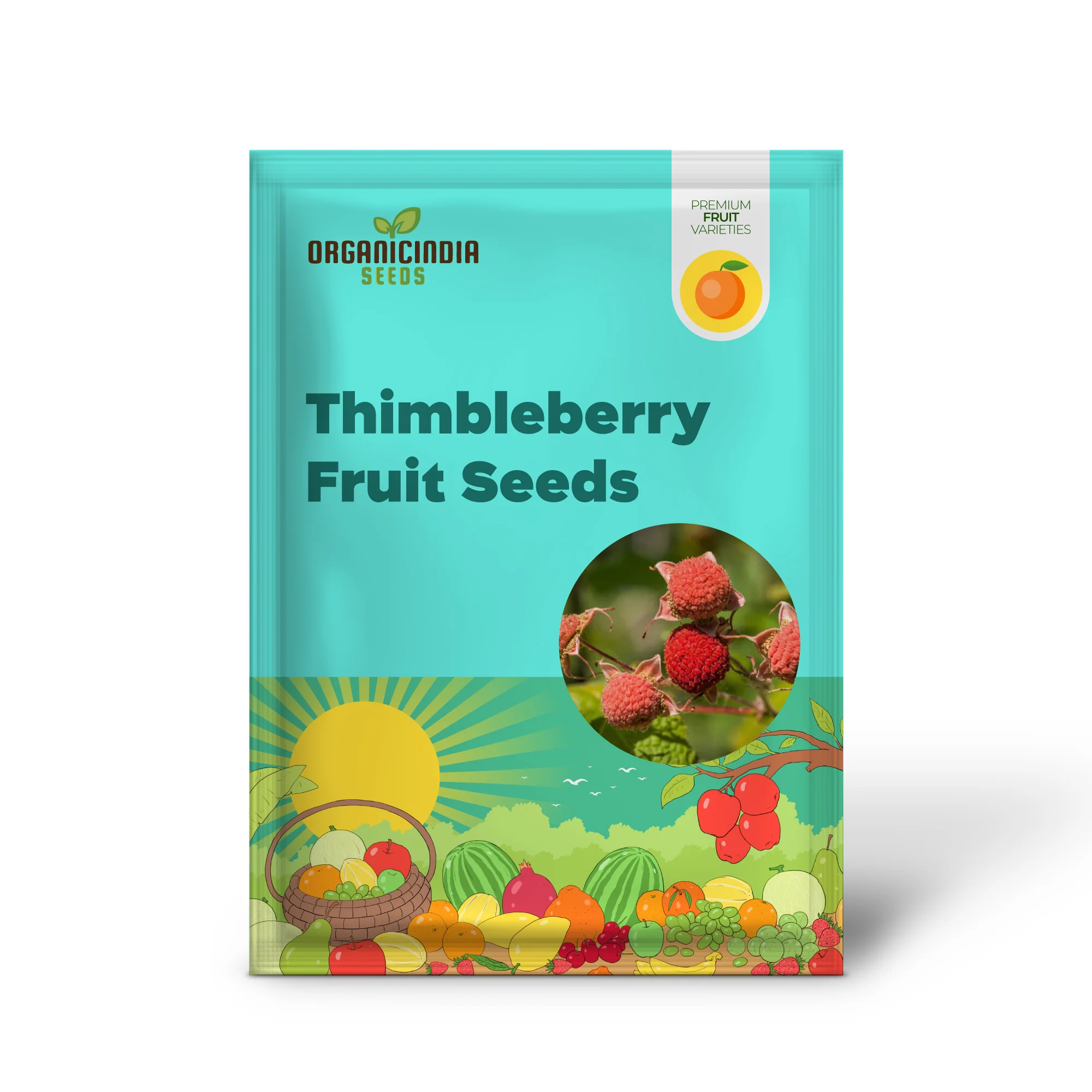
Thimbleberry Fruit Seeds
Key Features:
-
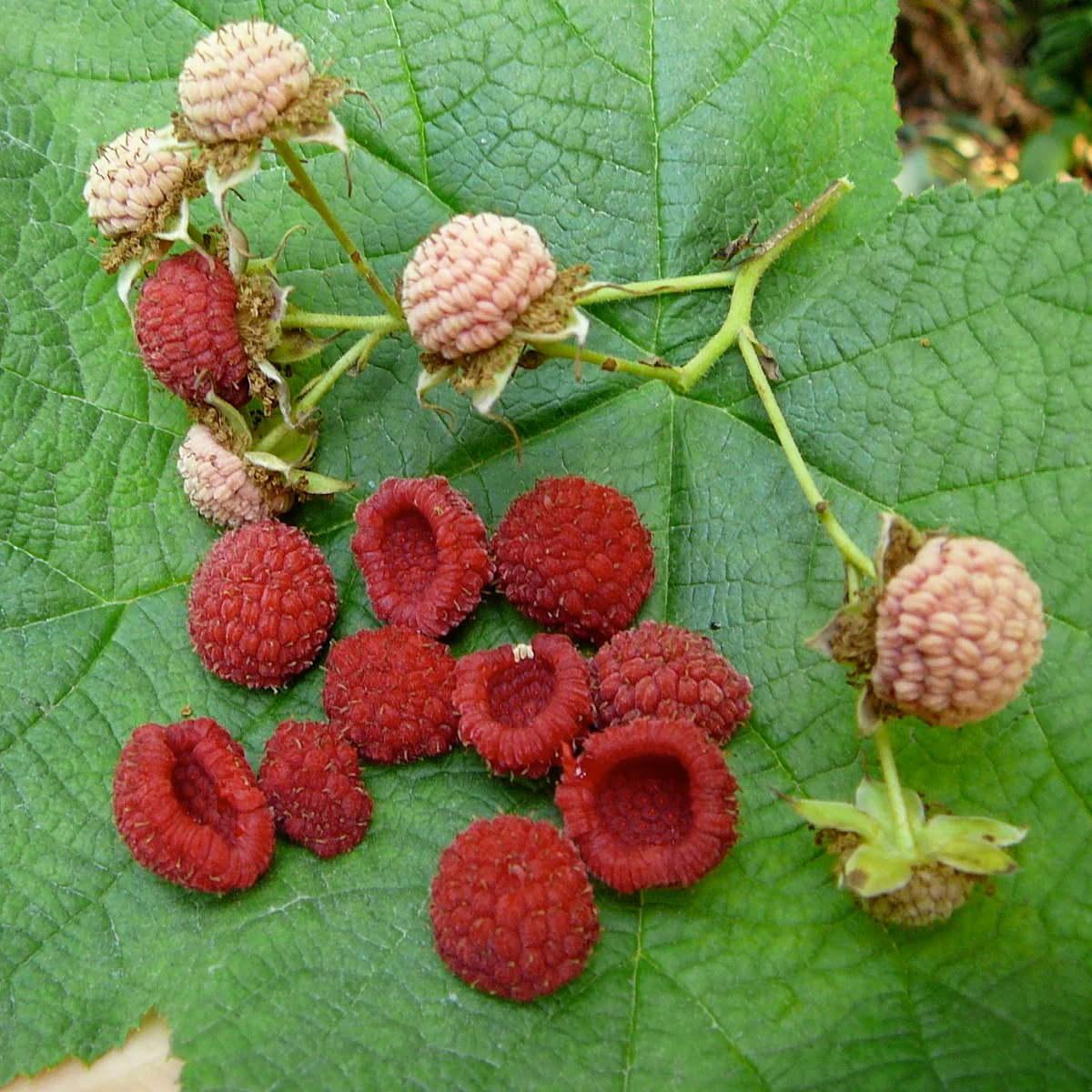
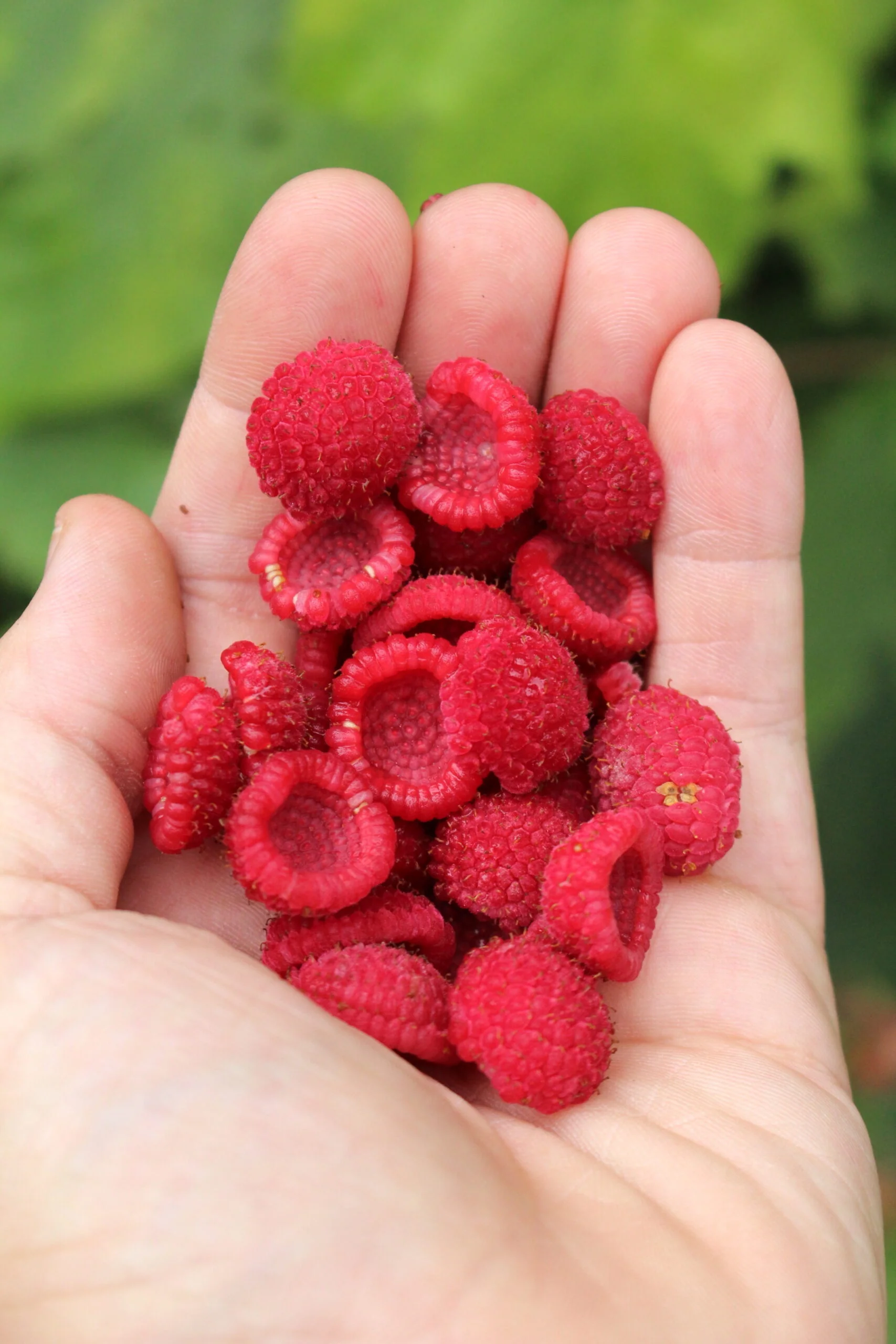
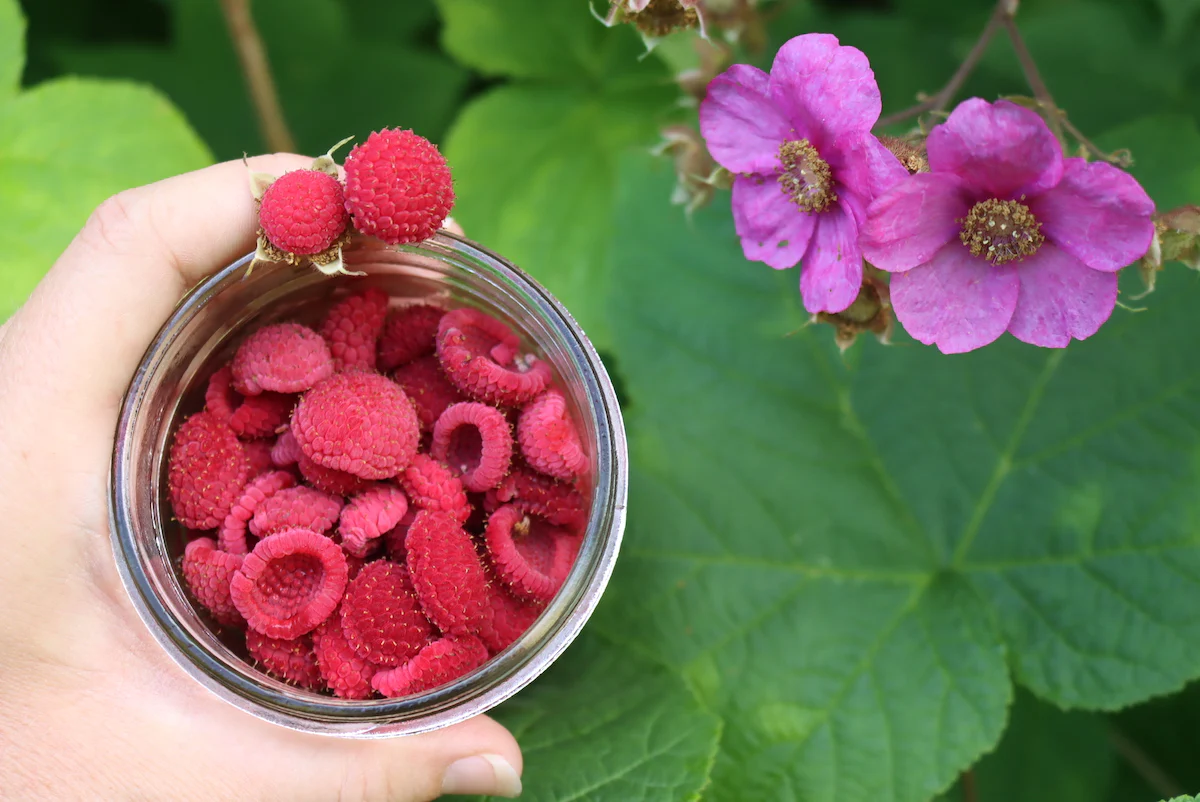
Produces soft, edible red berries with a mild, slightly sweet flavor
-
Large velvety foliage adds ornamental and woodland garden appeal
-
Thrives in cool, temperate climates and moist soils
-
Suitable for edible landscapes, native gardens, and natural borders
-
Non-GMO seeds
Specifications
-
Seed Name: Thimbleberry
-
Botanical Name: Rubus parviflorus
-
Plant Type: Deciduous Fruiting Shrub
-
USDA Zones: 3–9
-
Mature Height: 4–8 ft
-
Fruit Color: Red
-
Flower Color: White
-
Planting Season: Spring or Fall
-
Sun Exposure: Full Sun to Partial Shade
-
Soil Type: Moist, well-draining soil; tolerates loamy and woodland soils
-
Water Needs: Moderate
-
Germination: Requires cold stratification
-
Growth Habit: Dense shrubby clumps
-
GMO Status: Non-GMO
Planting Guide
-
Cold Stratification:
Place seeds in moist peat or sand and refrigerate for 60–90 days. -
Sowing Depth:
Sow seeds 1/8–1/4 inch deep in well-draining seed-start soil. -
Watering:
Keep soil consistently moist during germination and early growth. -
Light for Seedlings:
Provide bright filtered light or partial shade. -
Transplanting:
Transplant outdoors once frost risk has passed and seedlings are established.
More Images
Thimbleberry Fruit Seeds
Key Features:
-
Produces soft, edible red berries with a mild, slightly sweet flavor
-
Large velvety foliage adds ornamental and woodland garden appeal
-
Thrives in cool, temperate climates and moist soils
-
Suitable for edible landscapes, native gardens, and natural borders
-
Non-GMO seeds
Specifications
-
Seed Name: Thimbleberry
-
Botanical Name: Rubus parviflorus
-
Plant Type: Deciduous Fruiting Shrub
-
USDA Zones: 3–9
-
Mature Height: 4–8 ft
-
Fruit Color: Red
-
Flower Color: White
-
Planting Season: Spring or Fall
-
Sun Exposure: Full Sun to Partial Shade
-
Soil Type: Moist, well-draining soil; tolerates loamy and woodland soils
-
Water Needs: Moderate
-
Germination: Requires cold stratification
-
Growth Habit: Dense shrubby clumps
-
GMO Status: Non-GMO
Planting Guide
-
Cold Stratification:
Place seeds in moist peat or sand and refrigerate for 60–90 days. -
Sowing Depth:
Sow seeds 1/8–1/4 inch deep in well-draining seed-start soil. -
Watering:
Keep soil consistently moist during germination and early growth. -
Light for Seedlings:
Provide bright filtered light or partial shade. -
Transplanting:
Transplant outdoors once frost risk has passed and seedlings are established.
Product Information
Product Information
Shipping & Returns
Shipping & Returns
Description
Key Features:
-
Produces soft, edible red berries with a mild, slightly sweet flavor
-
Large velvety foliage adds ornamental and woodland garden appeal
-
Thrives in cool, temperate climates and moist soils
-
Suitable for edible landscapes, native gardens, and natural borders
-
Non-GMO seeds
Specifications
-
Seed Name: Thimbleberry
-
Botanical Name: Rubus parviflorus
-
Plant Type: Deciduous Fruiting Shrub
-
USDA Zones: 3–9
-
Mature Height: 4–8 ft
-
Fruit Color: Red
-
Flower Color: White
-
Planting Season: Spring or Fall
-
Sun Exposure: Full Sun to Partial Shade
-
Soil Type: Moist, well-draining soil; tolerates loamy and woodland soils
-
Water Needs: Moderate
-
Germination: Requires cold stratification
-
Growth Habit: Dense shrubby clumps
-
GMO Status: Non-GMO
Planting Guide
-
Cold Stratification:
Place seeds in moist peat or sand and refrigerate for 60–90 days. -
Sowing Depth:
Sow seeds 1/8–1/4 inch deep in well-draining seed-start soil. -
Watering:
Keep soil consistently moist during germination and early growth. -
Light for Seedlings:
Provide bright filtered light or partial shade. -
Transplanting:
Transplant outdoors once frost risk has passed and seedlings are established.