Dry Tamarindus Indica Seeds for Home Gardening-Cultivate Exotic Tamarind Trees and Enjoy Fresh, Tangy Fruit!
Dry Tamarindus Indica Seeds for Home Gardening-Cultivate Exotic Tamarind Trees and Enjoy Fresh, Tangy Fruit!
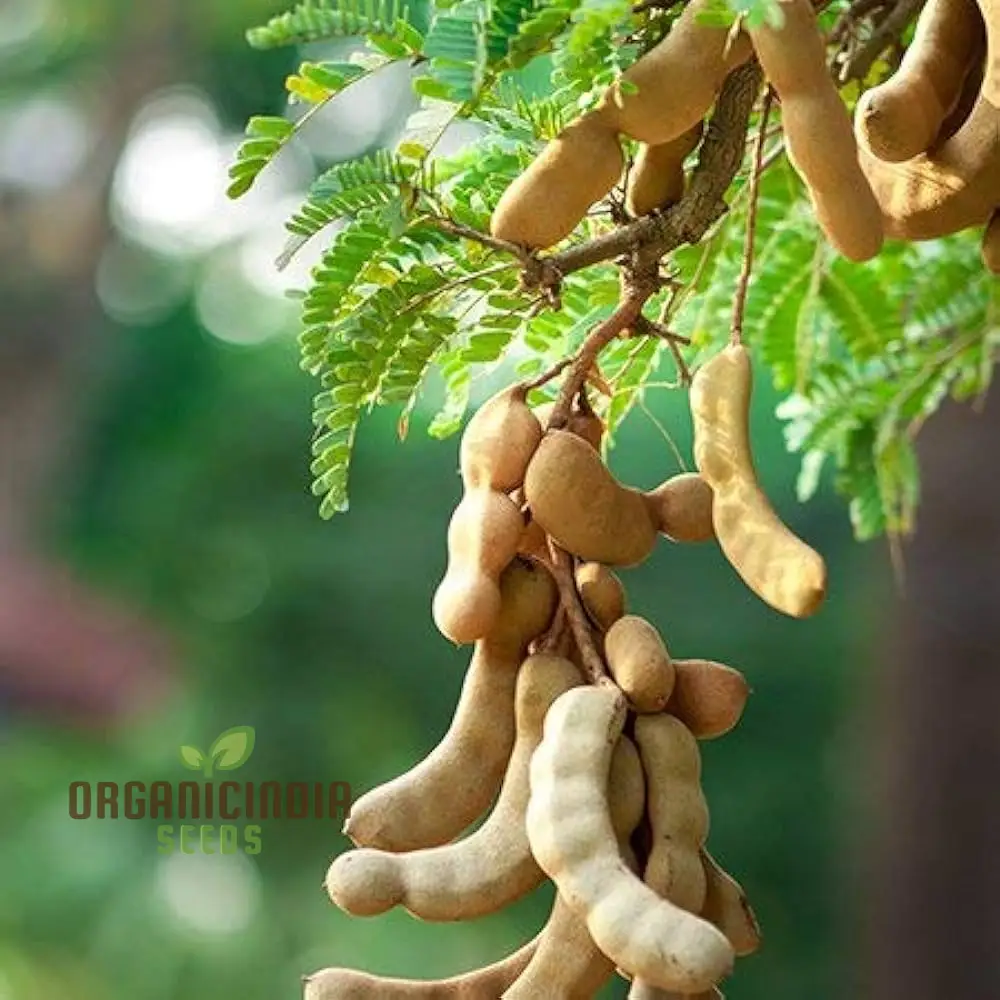
Tamarindus indica, commonly known as Tamarind, is an exotic tropical tree prized for its tangy, aromatic pods used in culinary dishes around the world. These non-GMO dry Tamarind seeds are perfect for home gardeners looking to cultivate a hardy, long-lived fruit tree that thrives in warm climates. Easy to grow and low-maintenance, Tamarind trees bring both beauty and bounty to any tropical or subtropical garden.
Features:
-
Premium-quality, non-GMO Tamarindus indica (Tamarind) seeds
-
Produces tangy, flavorful pods rich in natural acids and nutrients
-
Suitable for tropical and subtropical climates
-
Hardy, long-lived, and drought-tolerant tree
-
Ideal for home gardens, backyards, and agroforestry
-
Excellent ornamental shade tree with dense foliage
Specifications:
-
Scientific Name: Tamarindus indica
-
Common Name (US): Tamarind Tree
-
Plant Type: Perennial Fruiting Tree
-
Seed Type: Non-GMO (Dry Seeds)
-
Growth Habit: Medium to large canopy tree
-
Climate/USDA Zones: 9–11 (Tropical to Subtropical)
-
Soil Type: Well-drained sandy or loamy soil; pH 6.0–8.0
-
Sunlight: Full Sun
-
Water Requirement: Moderate; drought-tolerant once mature
-
Temperature Range: 18°C to 40°C (64°F to 104°F)
-
Planting Season: Spring or Early Summer
-
Germination Time: 2–4 weeks under warm, moist conditions
-
Maturity: 5–7 years to fruiting stage
-
Lifespan: 80–100 years under proper care
Planting Guide:
-
Seed Preparation: Soak Tamarind seeds in warm water for 24–48 hours to soften the shell.
-
Planting Depth: Sow 1 inch deep in nutrient-rich, well-drained soil.
-
Sunlight: Place in a bright, sunny area for optimal growth.
-
Watering: Keep soil moist during germination; water moderately afterward.
-
Transplanting: Move seedlings to permanent spots when 6–10 inches tall.
-
Spacing: Space trees 10–15 feet apart for canopy development.
-
Harvest Tip: Fruits are ready to pick when pods turn brown and the pulp becomes sticky and aromatic.
Original: $16.99
-65%$16.99
$5.95More Images
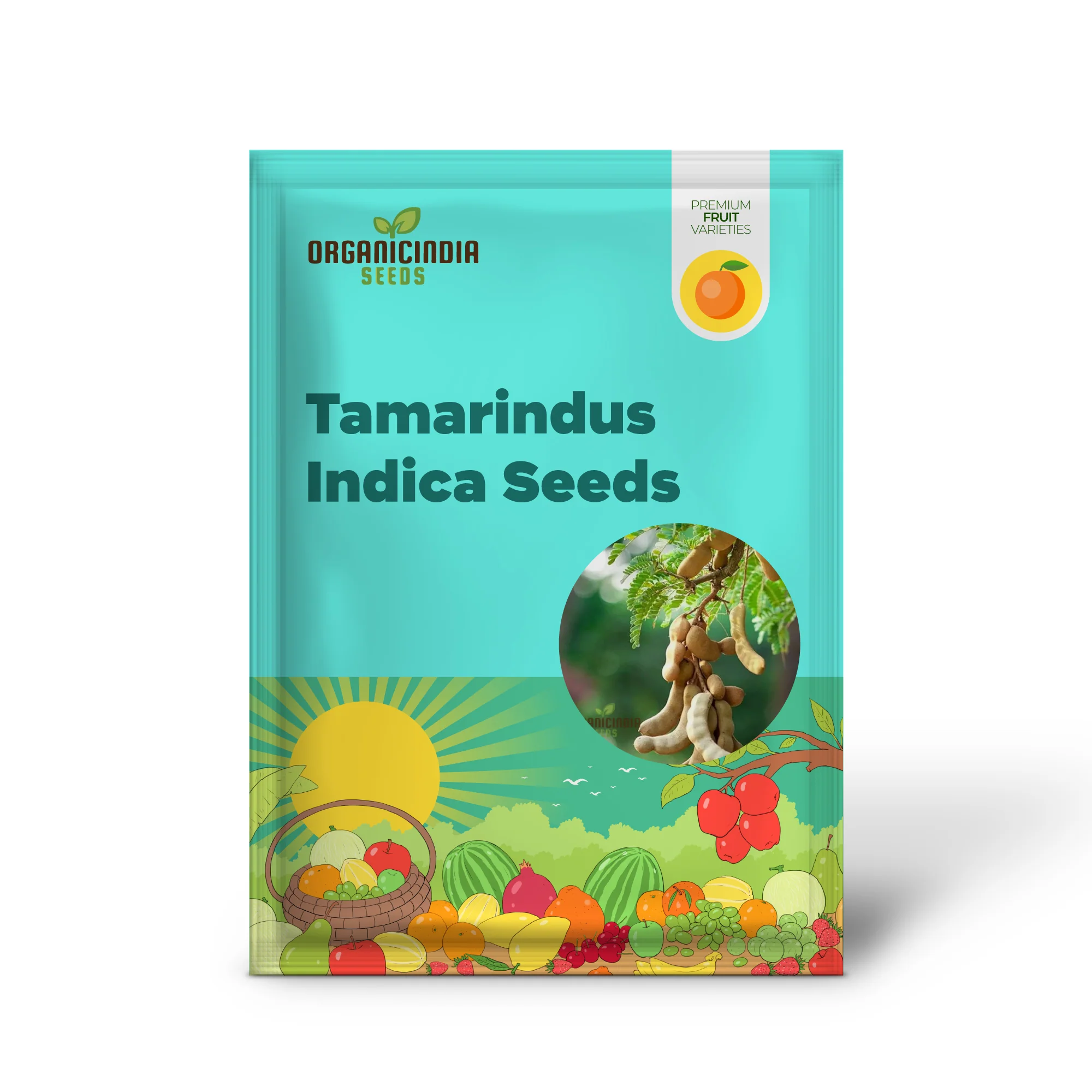
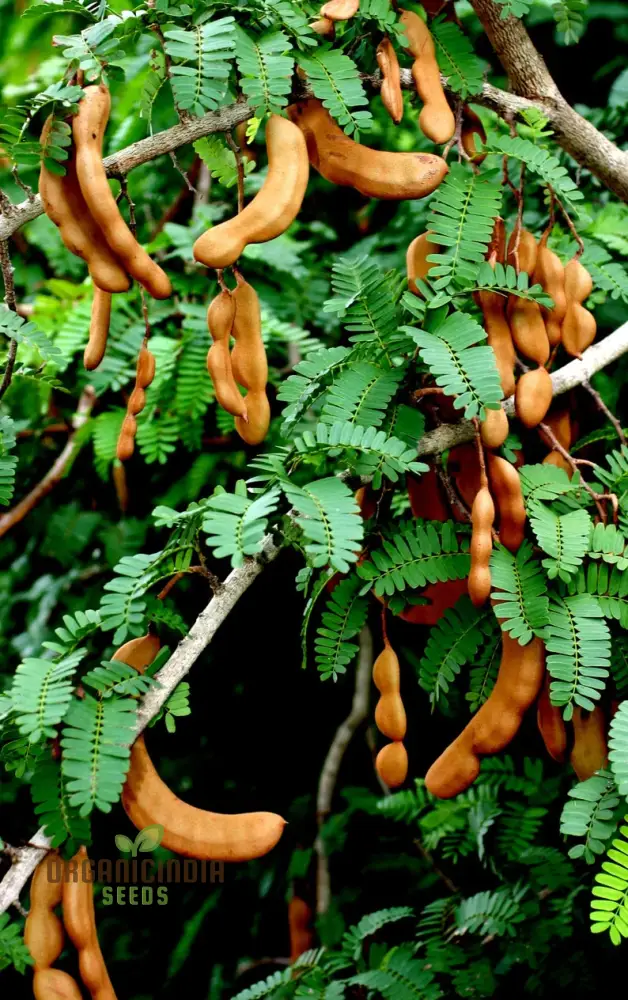
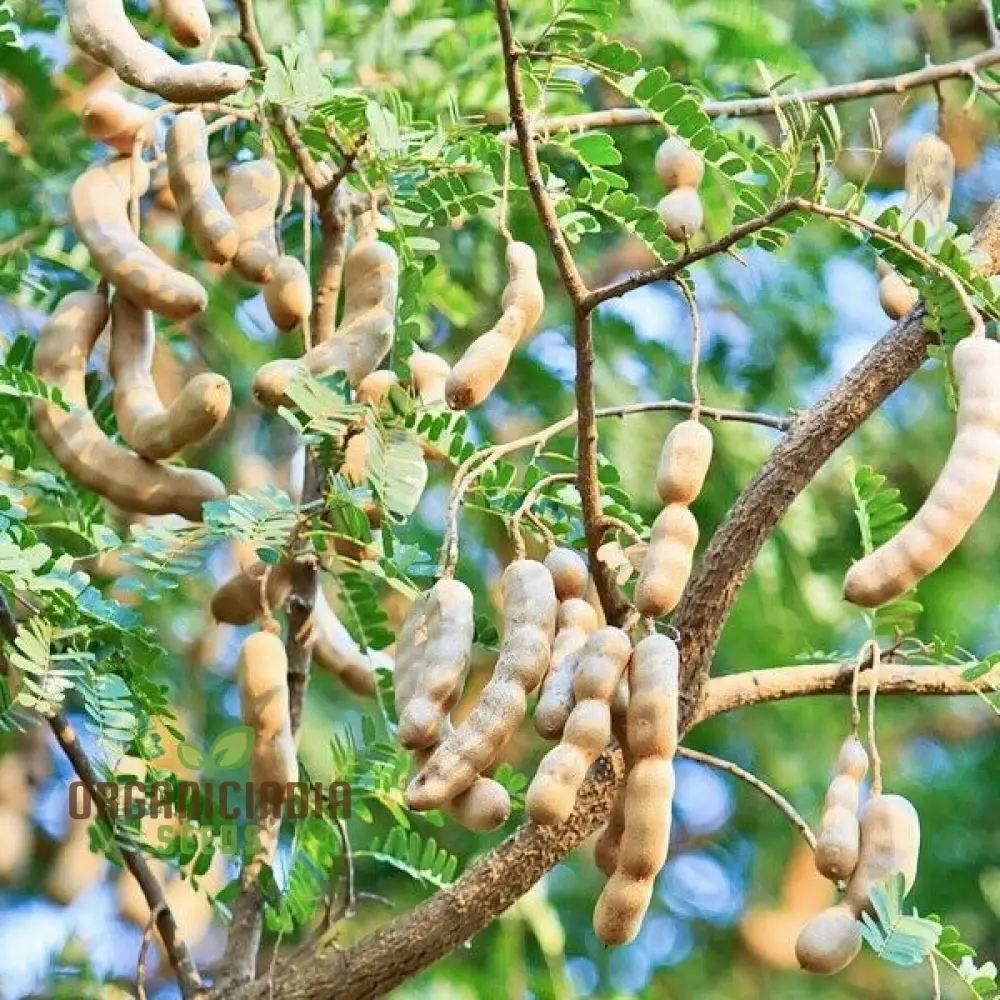
Dry Tamarindus Indica Seeds for Home Gardening-Cultivate Exotic Tamarind Trees and Enjoy Fresh, Tangy Fruit!
Tamarindus indica, commonly known as Tamarind, is an exotic tropical tree prized for its tangy, aromatic pods used in culinary dishes around the world. These non-GMO dry Tamarind seeds are perfect for home gardeners looking to cultivate a hardy, long-lived fruit tree that thrives in warm climates. Easy to grow and low-maintenance, Tamarind trees bring both beauty and bounty to any tropical or subtropical garden.
Features:
-
Premium-quality, non-GMO Tamarindus indica (Tamarind) seeds
-
Produces tangy, flavorful pods rich in natural acids and nutrients
-
Suitable for tropical and subtropical climates
-
Hardy, long-lived, and drought-tolerant tree
-
Ideal for home gardens, backyards, and agroforestry
-
Excellent ornamental shade tree with dense foliage
Specifications:
-
Scientific Name: Tamarindus indica
-
Common Name (US): Tamarind Tree
-
Plant Type: Perennial Fruiting Tree
-
Seed Type: Non-GMO (Dry Seeds)
-
Growth Habit: Medium to large canopy tree
-
Climate/USDA Zones: 9–11 (Tropical to Subtropical)
-
Soil Type: Well-drained sandy or loamy soil; pH 6.0–8.0
-
Sunlight: Full Sun
-
Water Requirement: Moderate; drought-tolerant once mature
-
Temperature Range: 18°C to 40°C (64°F to 104°F)
-
Planting Season: Spring or Early Summer
-
Germination Time: 2–4 weeks under warm, moist conditions
-
Maturity: 5–7 years to fruiting stage
-
Lifespan: 80–100 years under proper care
Planting Guide:
-
Seed Preparation: Soak Tamarind seeds in warm water for 24–48 hours to soften the shell.
-
Planting Depth: Sow 1 inch deep in nutrient-rich, well-drained soil.
-
Sunlight: Place in a bright, sunny area for optimal growth.
-
Watering: Keep soil moist during germination; water moderately afterward.
-
Transplanting: Move seedlings to permanent spots when 6–10 inches tall.
-
Spacing: Space trees 10–15 feet apart for canopy development.
-
Harvest Tip: Fruits are ready to pick when pods turn brown and the pulp becomes sticky and aromatic.
Product Information
Product Information
Shipping & Returns
Shipping & Returns
Description
Tamarindus indica, commonly known as Tamarind, is an exotic tropical tree prized for its tangy, aromatic pods used in culinary dishes around the world. These non-GMO dry Tamarind seeds are perfect for home gardeners looking to cultivate a hardy, long-lived fruit tree that thrives in warm climates. Easy to grow and low-maintenance, Tamarind trees bring both beauty and bounty to any tropical or subtropical garden.
Features:
-
Premium-quality, non-GMO Tamarindus indica (Tamarind) seeds
-
Produces tangy, flavorful pods rich in natural acids and nutrients
-
Suitable for tropical and subtropical climates
-
Hardy, long-lived, and drought-tolerant tree
-
Ideal for home gardens, backyards, and agroforestry
-
Excellent ornamental shade tree with dense foliage
Specifications:
-
Scientific Name: Tamarindus indica
-
Common Name (US): Tamarind Tree
-
Plant Type: Perennial Fruiting Tree
-
Seed Type: Non-GMO (Dry Seeds)
-
Growth Habit: Medium to large canopy tree
-
Climate/USDA Zones: 9–11 (Tropical to Subtropical)
-
Soil Type: Well-drained sandy or loamy soil; pH 6.0–8.0
-
Sunlight: Full Sun
-
Water Requirement: Moderate; drought-tolerant once mature
-
Temperature Range: 18°C to 40°C (64°F to 104°F)
-
Planting Season: Spring or Early Summer
-
Germination Time: 2–4 weeks under warm, moist conditions
-
Maturity: 5–7 years to fruiting stage
-
Lifespan: 80–100 years under proper care
Planting Guide:
-
Seed Preparation: Soak Tamarind seeds in warm water for 24–48 hours to soften the shell.
-
Planting Depth: Sow 1 inch deep in nutrient-rich, well-drained soil.
-
Sunlight: Place in a bright, sunny area for optimal growth.
-
Watering: Keep soil moist during germination; water moderately afterward.
-
Transplanting: Move seedlings to permanent spots when 6–10 inches tall.
-
Spacing: Space trees 10–15 feet apart for canopy development.
-
Harvest Tip: Fruits are ready to pick when pods turn brown and the pulp becomes sticky and aromatic.