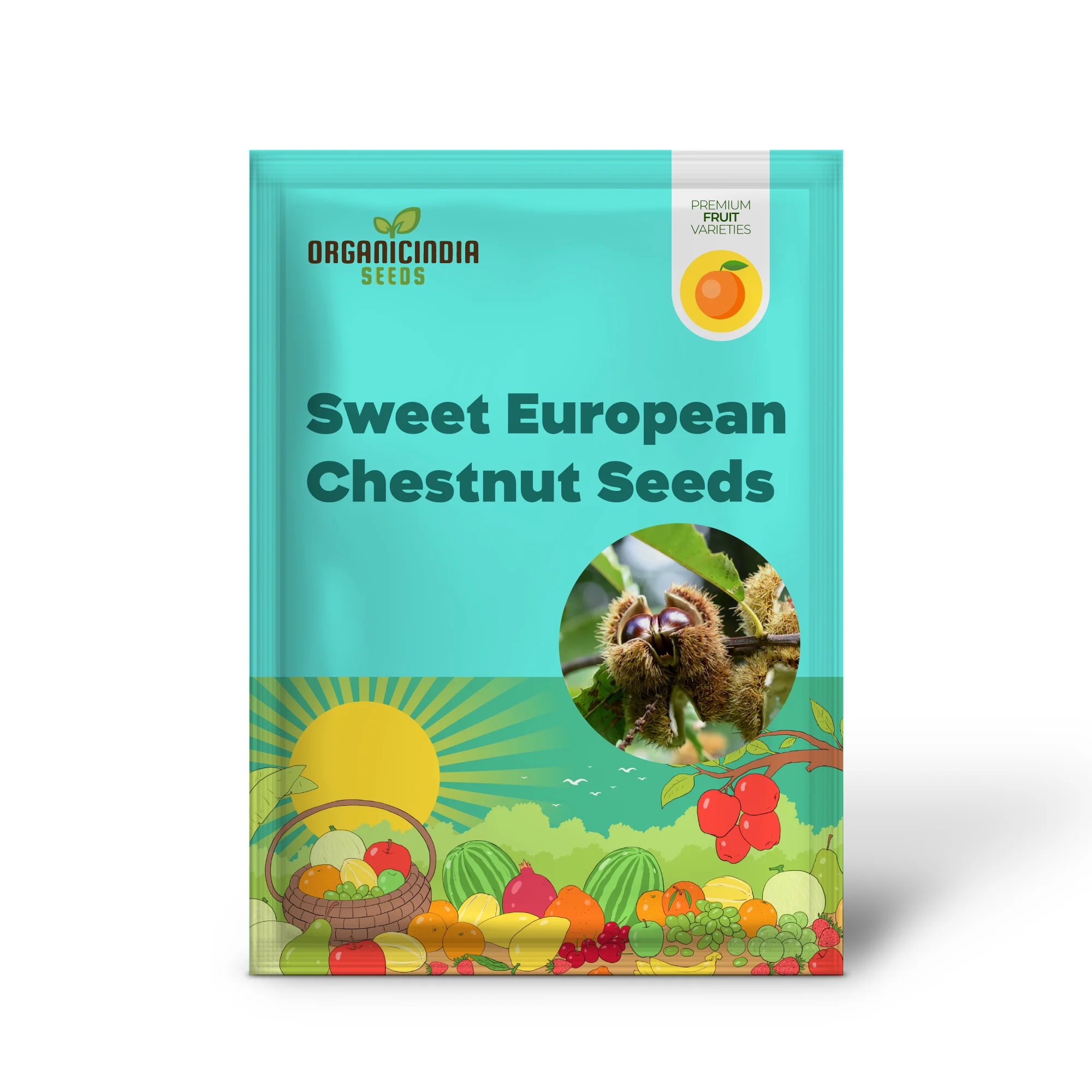
Sweet European Chestnut Tree (Castanea sativa) – Seeds
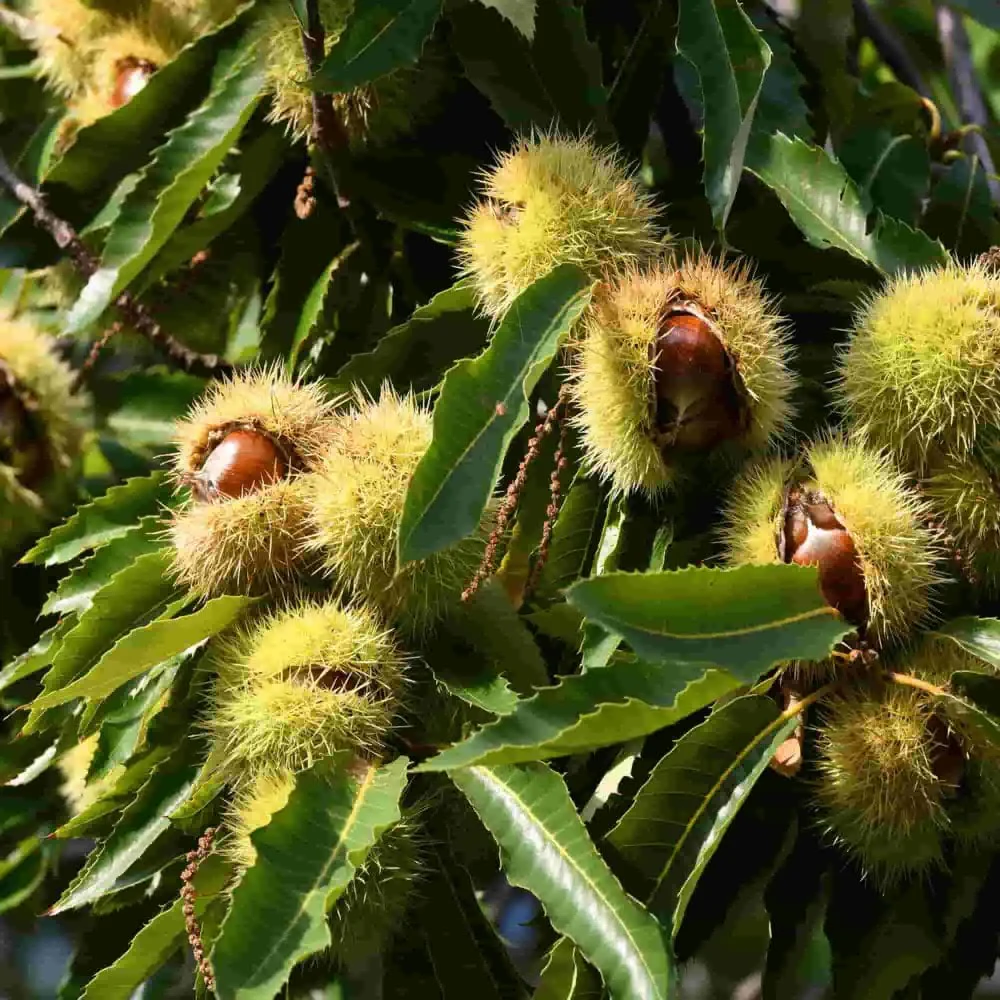
Grow your own Sweet European Chestnut Trees (Castanea sativa) from premium Non-GMO seeds, known for producing delicious, edible nuts and stunning foliage. Native to Europe and Asia Minor, this long-living deciduous tree is highly valued for its nutritious chestnuts and beautiful wood.
The Sweet European Chestnut is adaptable, cold-hardy, and ideal for large gardens, orchards, or natural landscapes. Once mature, it provides shade, wildlife habitat, and an annual harvest of flavorful chestnuts that can be roasted or used in various culinary dishes.
Perfect for home gardeners and tree enthusiasts, these seeds promise a rewarding and enduring addition to your green space.
Features:
-
Produces sweet, edible chestnuts
-
Hardy and long-living deciduous tree
-
Non-GMO and naturally sourced seeds
-
Suitable for orchards, large gardens, and reforestation
-
Attractive foliage and valuable hardwood
Specifications:
-
Common Name: Sweet European Chestnut
-
Scientific Name: Castanea sativa
-
Plant Type: Deciduous nut tree
-
Growth Habit: Upright, spreading crown
-
Height: 40–100 feet (12–30 m) at maturity
-
Spread: 30–60 feet (9–18 m)
-
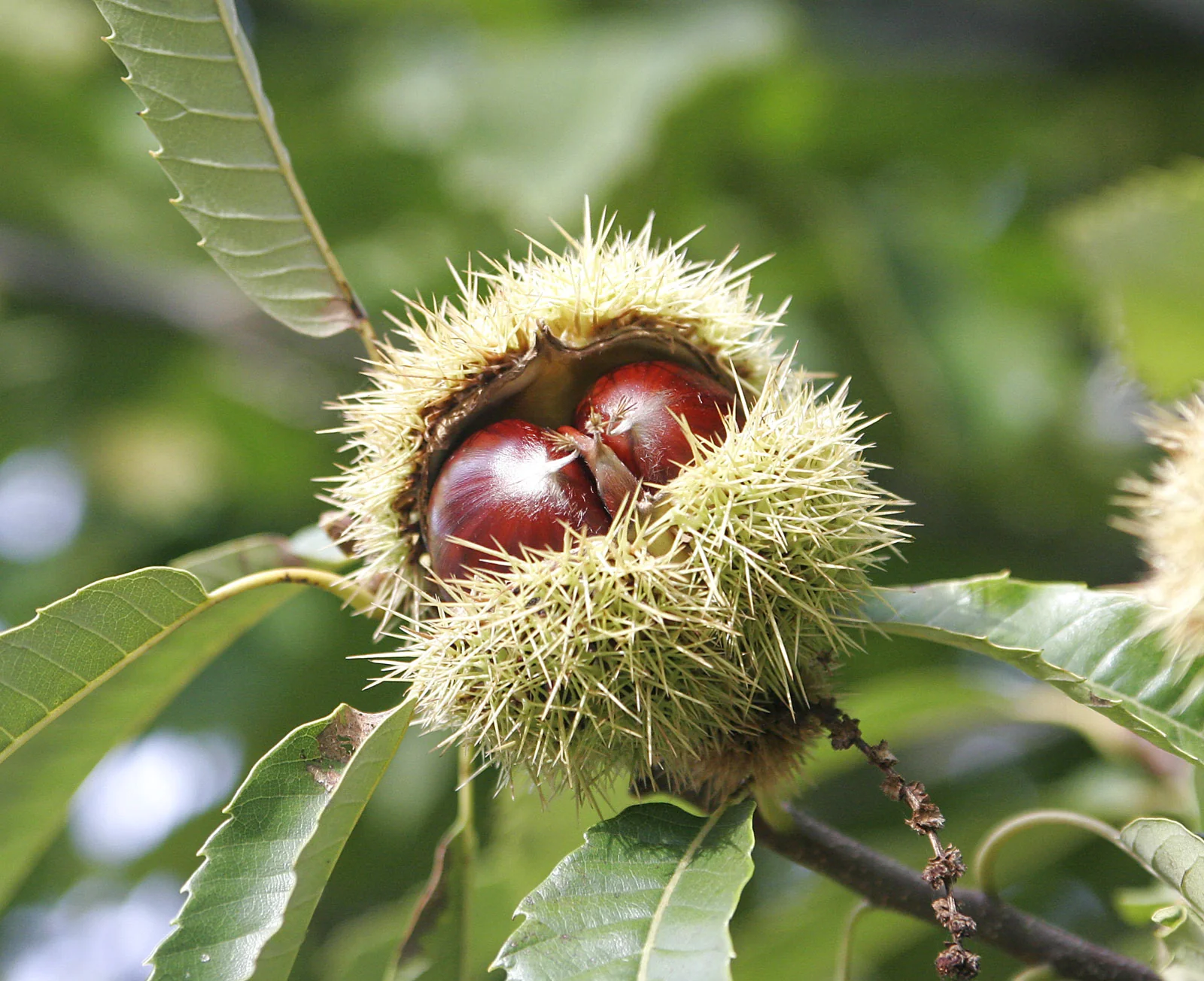
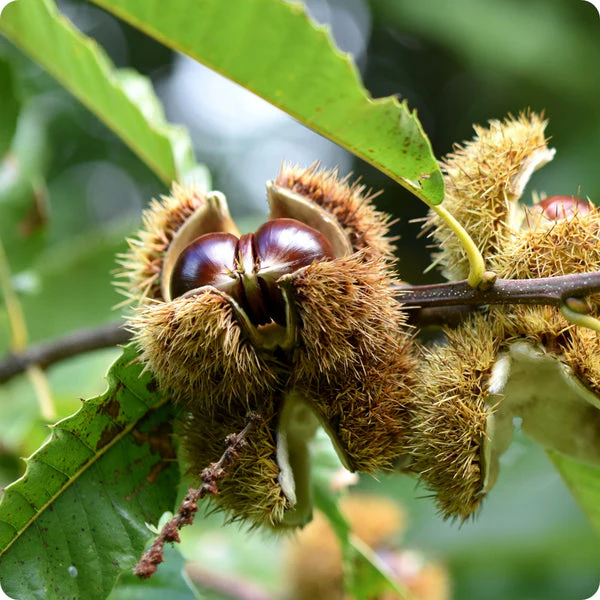
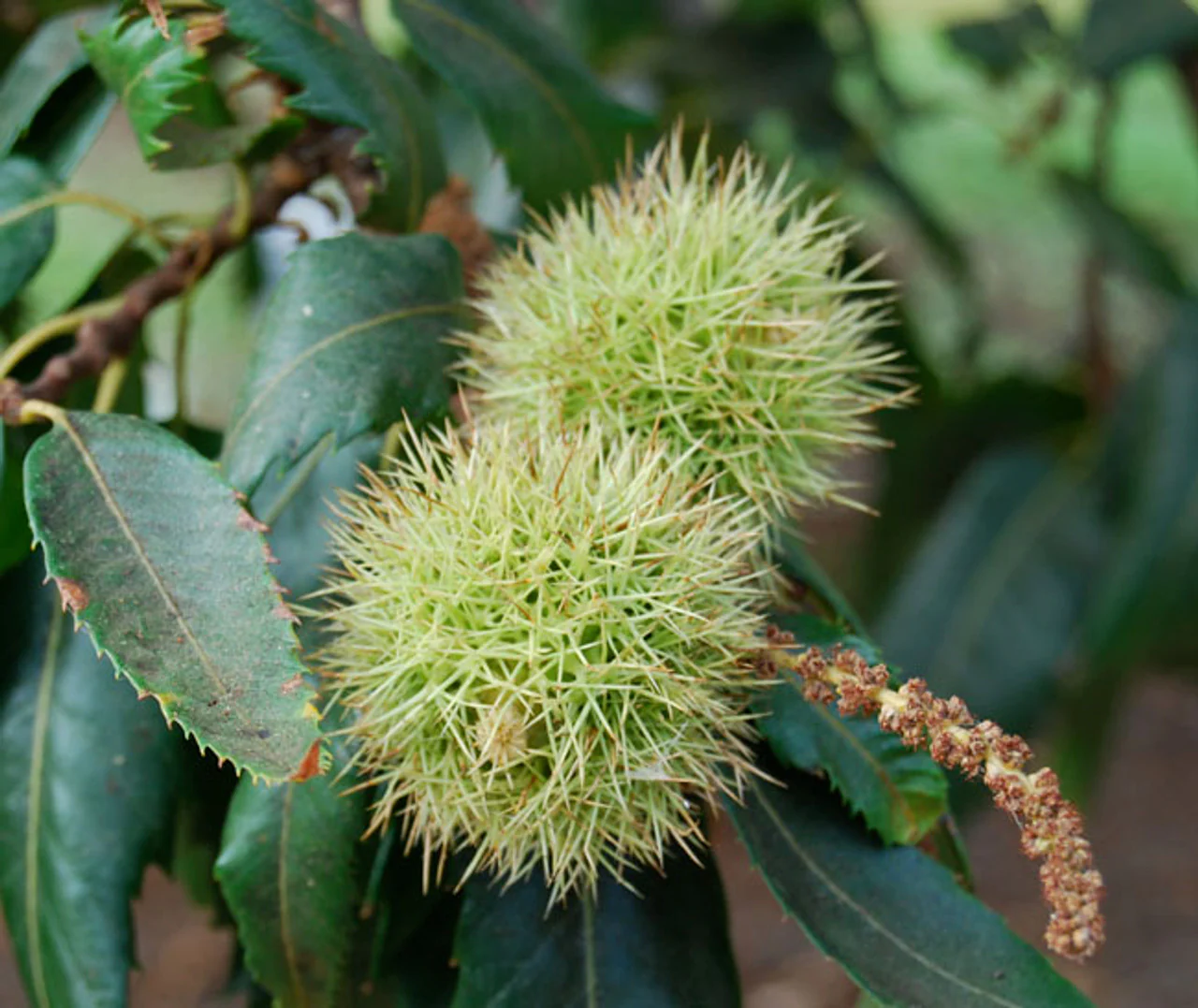
Fruit Characteristics: Sweet, starchy edible nuts enclosed in spiny burrs
-
Bloom Time: Late spring to early summer
-
Harvest Season: Late autumn
-
USDA Hardiness Zones: 5–9
-
Sun Exposure: Full sun (6+ hours daily)
-
Soil Type: Well-drained, loamy, or sandy soil
-
Soil pH: 5.5–6.5 (slightly acidic)
-
Watering: Moderate; avoid waterlogging
-
Temperature Range: 55–85°F (13–29°C)
-
Season: Best planted in fall or early spring
-
Germination Time: 30–90 days (requires stratification)
-
Plant Spacing: 25–40 feet apart
-
Pollination: Cross-pollination recommended (plant two or more trees)
-
GMO Status: Non-GMO
-
Organic Status: Naturally grown (non-certified)
Planting Guide:
-
Soak seeds in room-temperature water for 24 hours.
-
Cold stratify seeds in moist sand or peat moss at 35–40°F for 2–3 months.
-
After stratification, sow seeds 1–2 inches deep in well-drained soil.
-
Maintain soil moisture and provide full sun exposure.
-
Transplant seedlings outdoors after the last frost.
-
Mulch around young trees to retain moisture and control weeds.
Original: $16.99
-65%$16.99
$5.95More Images
Sweet European Chestnut Tree (Castanea sativa) – Seeds
Grow your own Sweet European Chestnut Trees (Castanea sativa) from premium Non-GMO seeds, known for producing delicious, edible nuts and stunning foliage. Native to Europe and Asia Minor, this long-living deciduous tree is highly valued for its nutritious chestnuts and beautiful wood.
The Sweet European Chestnut is adaptable, cold-hardy, and ideal for large gardens, orchards, or natural landscapes. Once mature, it provides shade, wildlife habitat, and an annual harvest of flavorful chestnuts that can be roasted or used in various culinary dishes.
Perfect for home gardeners and tree enthusiasts, these seeds promise a rewarding and enduring addition to your green space.
Features:
-
Produces sweet, edible chestnuts
-
Hardy and long-living deciduous tree
-
Non-GMO and naturally sourced seeds
-
Suitable for orchards, large gardens, and reforestation
-
Attractive foliage and valuable hardwood
Specifications:
-
Common Name: Sweet European Chestnut
-
Scientific Name: Castanea sativa
-
Plant Type: Deciduous nut tree
-
Growth Habit: Upright, spreading crown
-
Height: 40–100 feet (12–30 m) at maturity
-
Spread: 30–60 feet (9–18 m)
-
Fruit Characteristics: Sweet, starchy edible nuts enclosed in spiny burrs
-
Bloom Time: Late spring to early summer
-
Harvest Season: Late autumn
-
USDA Hardiness Zones: 5–9
-
Sun Exposure: Full sun (6+ hours daily)
-
Soil Type: Well-drained, loamy, or sandy soil
-
Soil pH: 5.5–6.5 (slightly acidic)
-
Watering: Moderate; avoid waterlogging
-
Temperature Range: 55–85°F (13–29°C)
-
Season: Best planted in fall or early spring
-
Germination Time: 30–90 days (requires stratification)
-
Plant Spacing: 25–40 feet apart
-
Pollination: Cross-pollination recommended (plant two or more trees)
-
GMO Status: Non-GMO
-
Organic Status: Naturally grown (non-certified)
Planting Guide:
-
Soak seeds in room-temperature water for 24 hours.
-
Cold stratify seeds in moist sand or peat moss at 35–40°F for 2–3 months.
-
After stratification, sow seeds 1–2 inches deep in well-drained soil.
-
Maintain soil moisture and provide full sun exposure.
-
Transplant seedlings outdoors after the last frost.
-
Mulch around young trees to retain moisture and control weeds.
Product Information
Product Information
Shipping & Returns
Shipping & Returns
Description
Grow your own Sweet European Chestnut Trees (Castanea sativa) from premium Non-GMO seeds, known for producing delicious, edible nuts and stunning foliage. Native to Europe and Asia Minor, this long-living deciduous tree is highly valued for its nutritious chestnuts and beautiful wood.
The Sweet European Chestnut is adaptable, cold-hardy, and ideal for large gardens, orchards, or natural landscapes. Once mature, it provides shade, wildlife habitat, and an annual harvest of flavorful chestnuts that can be roasted or used in various culinary dishes.
Perfect for home gardeners and tree enthusiasts, these seeds promise a rewarding and enduring addition to your green space.
Features:
-
Produces sweet, edible chestnuts
-
Hardy and long-living deciduous tree
-
Non-GMO and naturally sourced seeds
-
Suitable for orchards, large gardens, and reforestation
-
Attractive foliage and valuable hardwood
Specifications:
-
Common Name: Sweet European Chestnut
-
Scientific Name: Castanea sativa
-
Plant Type: Deciduous nut tree
-
Growth Habit: Upright, spreading crown
-
Height: 40–100 feet (12–30 m) at maturity
-
Spread: 30–60 feet (9–18 m)
-
Fruit Characteristics: Sweet, starchy edible nuts enclosed in spiny burrs
-
Bloom Time: Late spring to early summer
-
Harvest Season: Late autumn
-
USDA Hardiness Zones: 5–9
-
Sun Exposure: Full sun (6+ hours daily)
-
Soil Type: Well-drained, loamy, or sandy soil
-
Soil pH: 5.5–6.5 (slightly acidic)
-
Watering: Moderate; avoid waterlogging
-
Temperature Range: 55–85°F (13–29°C)
-
Season: Best planted in fall or early spring
-
Germination Time: 30–90 days (requires stratification)
-
Plant Spacing: 25–40 feet apart
-
Pollination: Cross-pollination recommended (plant two or more trees)
-
GMO Status: Non-GMO
-
Organic Status: Naturally grown (non-certified)
Planting Guide:
-
Soak seeds in room-temperature water for 24 hours.
-
Cold stratify seeds in moist sand or peat moss at 35–40°F for 2–3 months.
-
After stratification, sow seeds 1–2 inches deep in well-drained soil.
-
Maintain soil moisture and provide full sun exposure.
-
Transplant seedlings outdoors after the last frost.
-
Mulch around young trees to retain moisture and control weeds.