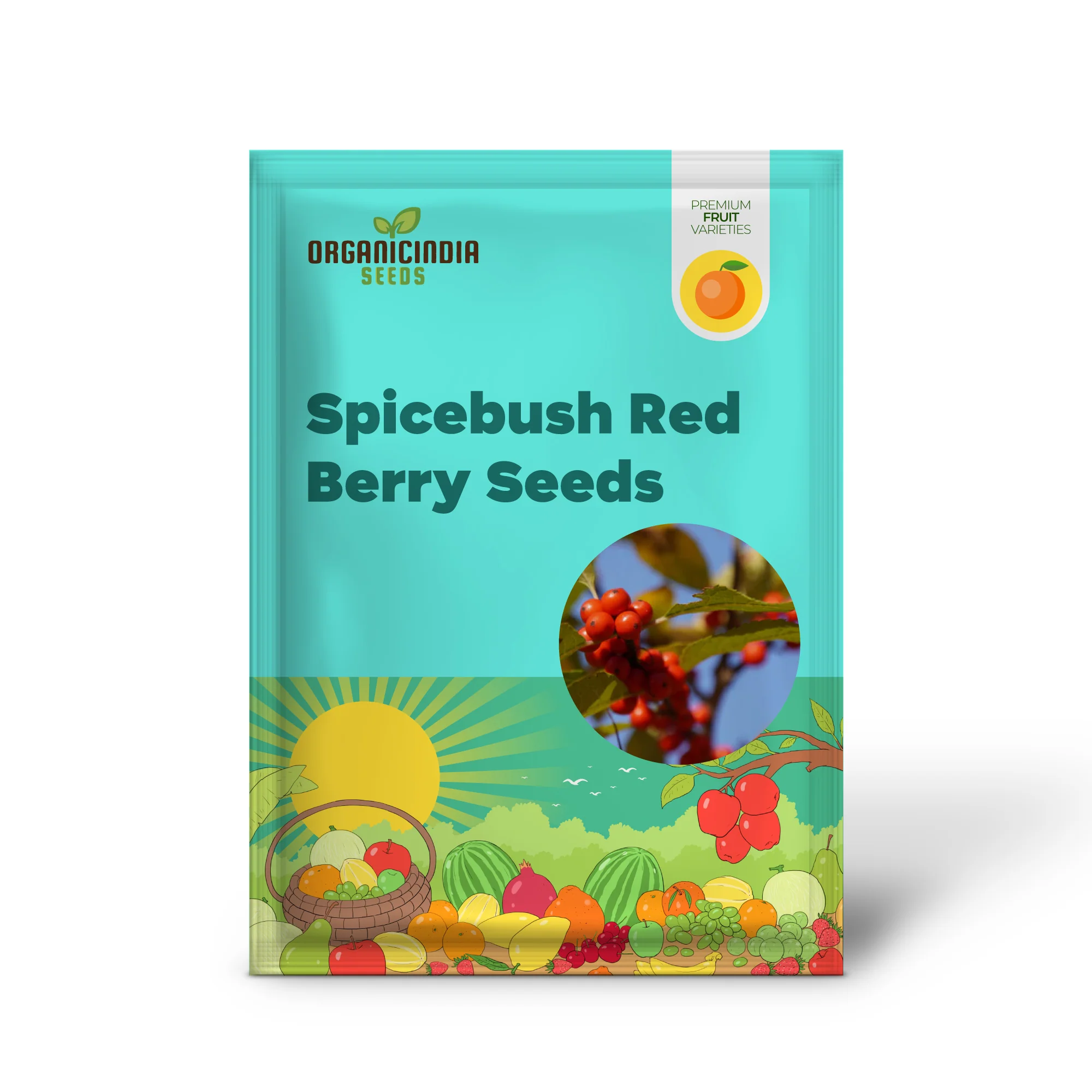
Spicebush Red Berry Seeds
Key Features:
-
Native woodland shrub known for its aromatic leaves and stems
-
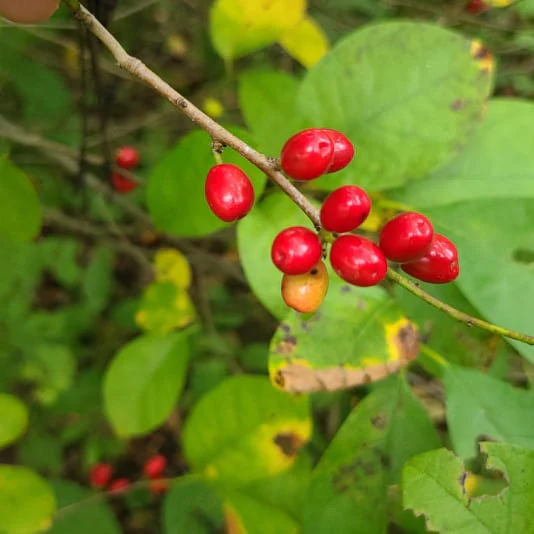
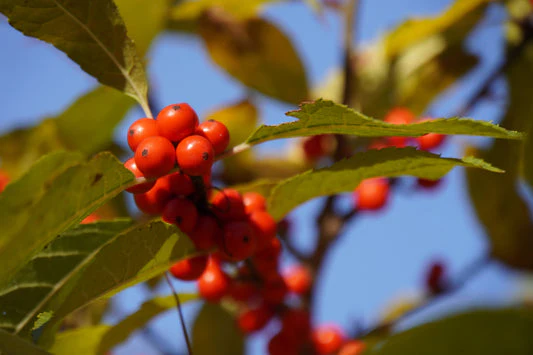
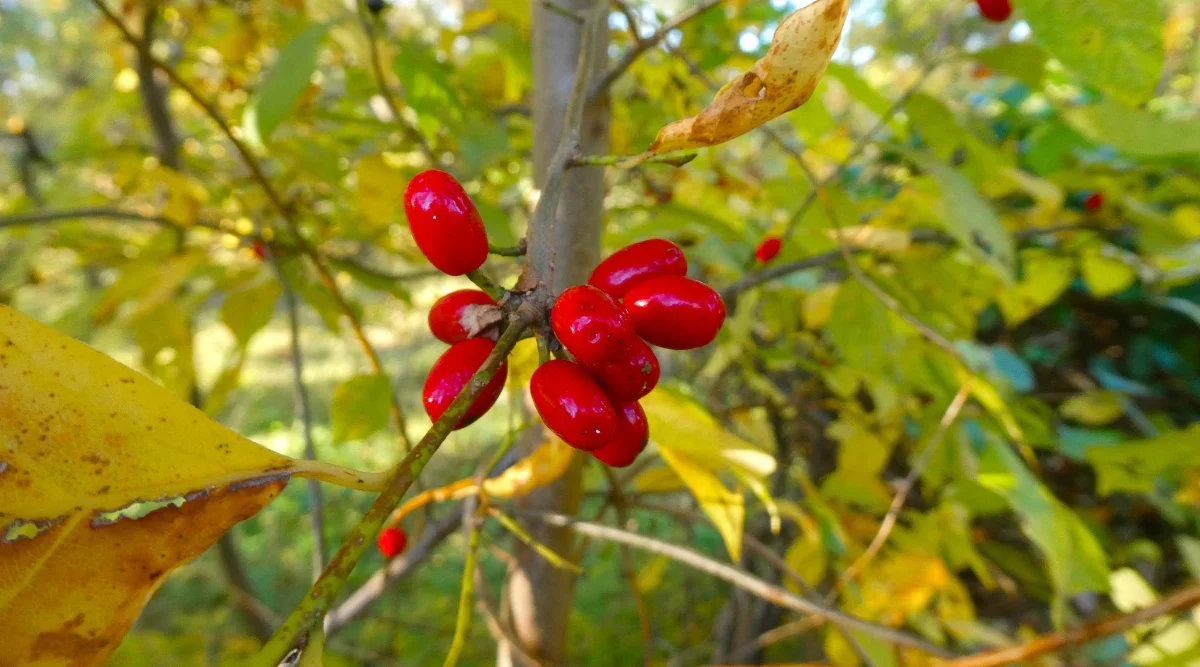
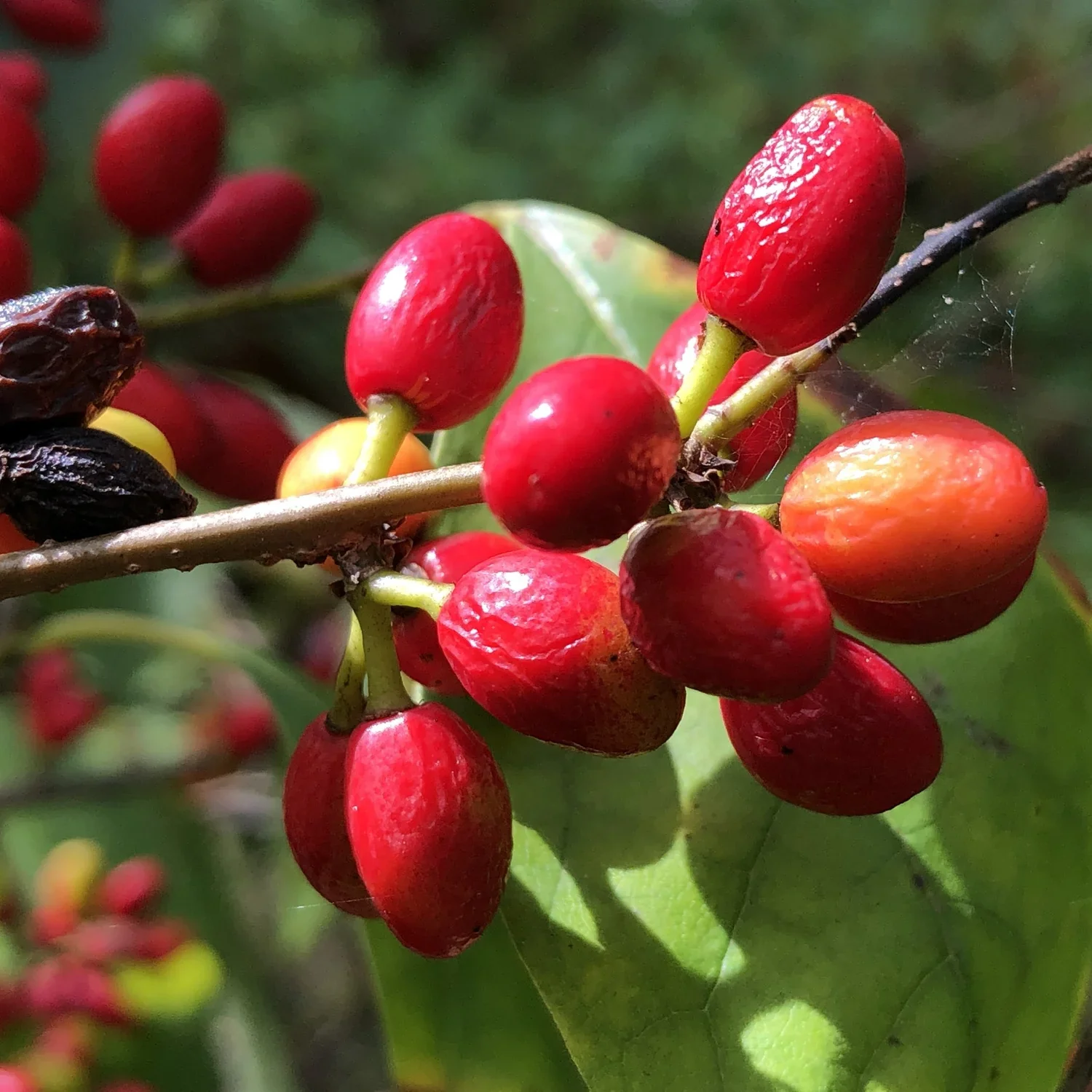
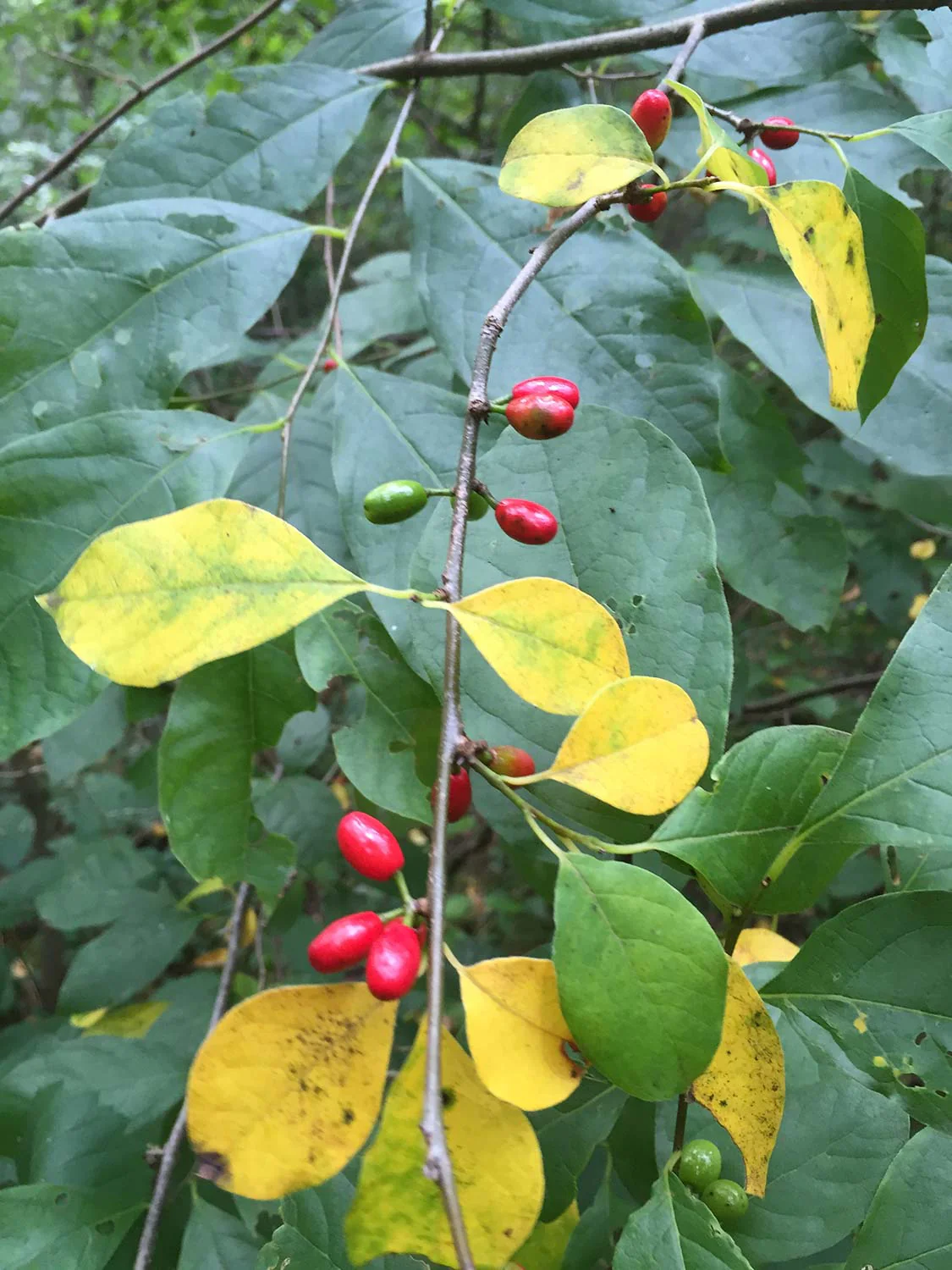
Produces clusters of bright red berries that attract birds and wildlife
-
Excellent for shade gardens, naturalized landscapes, and hedgerows
-
Low maintenance once established with strong adaptability
-
Non-GMO, high-quality seeds selected for reliable germination
Specifications
-
Seed Name: Spicebush
-
Botanical Name: Lindera benzoin
-
Plant Type: Deciduous Shrub
-
USDA Hardiness Zones: 4–9
-
Mature Height: 6–12 ft
-
Flowering: Yellow spring flowers before foliage emerges
-
Fruit: Bright red berries in late summer to fall
-
Planting Season: Spring or Fall
-
Light Requirements: Partial Shade to Full Shade
-
Soil Type: Moist, rich, well-draining woodland soil
-
Water Needs: Moderate
-
Wildlife Benefits: Supports pollinators and songbirds
-
GMO Status: Non-GMO
-
Additional Note: Cold stratification recommended for germination
Planting Guide
-
Seed Preparation:
Stratify seeds by placing them in moist peat or sand and refrigerate for 60–90 days. -
Sowing Depth:
Plant seeds 1/4 inch deep in moist, well-draining soil mix. -
Germination Conditions:
Keep soil gently moist in cool, filtered light conditions. -
Light Exposure:
Provide partial to full shade. -
Transplanting:
Transplant to garden beds or woodland edges after seedlings strengthen and temperatures are stable.
Original: $16.99
-65%$16.99
$5.95More Images
Spicebush Red Berry Seeds
Key Features:
-
Native woodland shrub known for its aromatic leaves and stems
-
Produces clusters of bright red berries that attract birds and wildlife
-
Excellent for shade gardens, naturalized landscapes, and hedgerows
-
Low maintenance once established with strong adaptability
-
Non-GMO, high-quality seeds selected for reliable germination
Specifications
-
Seed Name: Spicebush
-
Botanical Name: Lindera benzoin
-
Plant Type: Deciduous Shrub
-
USDA Hardiness Zones: 4–9
-
Mature Height: 6–12 ft
-
Flowering: Yellow spring flowers before foliage emerges
-
Fruit: Bright red berries in late summer to fall
-
Planting Season: Spring or Fall
-
Light Requirements: Partial Shade to Full Shade
-
Soil Type: Moist, rich, well-draining woodland soil
-
Water Needs: Moderate
-
Wildlife Benefits: Supports pollinators and songbirds
-
GMO Status: Non-GMO
-
Additional Note: Cold stratification recommended for germination
Planting Guide
-
Seed Preparation:
Stratify seeds by placing them in moist peat or sand and refrigerate for 60–90 days. -
Sowing Depth:
Plant seeds 1/4 inch deep in moist, well-draining soil mix. -
Germination Conditions:
Keep soil gently moist in cool, filtered light conditions. -
Light Exposure:
Provide partial to full shade. -
Transplanting:
Transplant to garden beds or woodland edges after seedlings strengthen and temperatures are stable.
Product Information
Product Information
Shipping & Returns
Shipping & Returns
Description
Key Features:
-
Native woodland shrub known for its aromatic leaves and stems
-
Produces clusters of bright red berries that attract birds and wildlife
-
Excellent for shade gardens, naturalized landscapes, and hedgerows
-
Low maintenance once established with strong adaptability
-
Non-GMO, high-quality seeds selected for reliable germination
Specifications
-
Seed Name: Spicebush
-
Botanical Name: Lindera benzoin
-
Plant Type: Deciduous Shrub
-
USDA Hardiness Zones: 4–9
-
Mature Height: 6–12 ft
-
Flowering: Yellow spring flowers before foliage emerges
-
Fruit: Bright red berries in late summer to fall
-
Planting Season: Spring or Fall
-
Light Requirements: Partial Shade to Full Shade
-
Soil Type: Moist, rich, well-draining woodland soil
-
Water Needs: Moderate
-
Wildlife Benefits: Supports pollinators and songbirds
-
GMO Status: Non-GMO
-
Additional Note: Cold stratification recommended for germination
Planting Guide
-
Seed Preparation:
Stratify seeds by placing them in moist peat or sand and refrigerate for 60–90 days. -
Sowing Depth:
Plant seeds 1/4 inch deep in moist, well-draining soil mix. -
Germination Conditions:
Keep soil gently moist in cool, filtered light conditions. -
Light Exposure:
Provide partial to full shade. -
Transplanting:
Transplant to garden beds or woodland edges after seedlings strengthen and temperatures are stable.