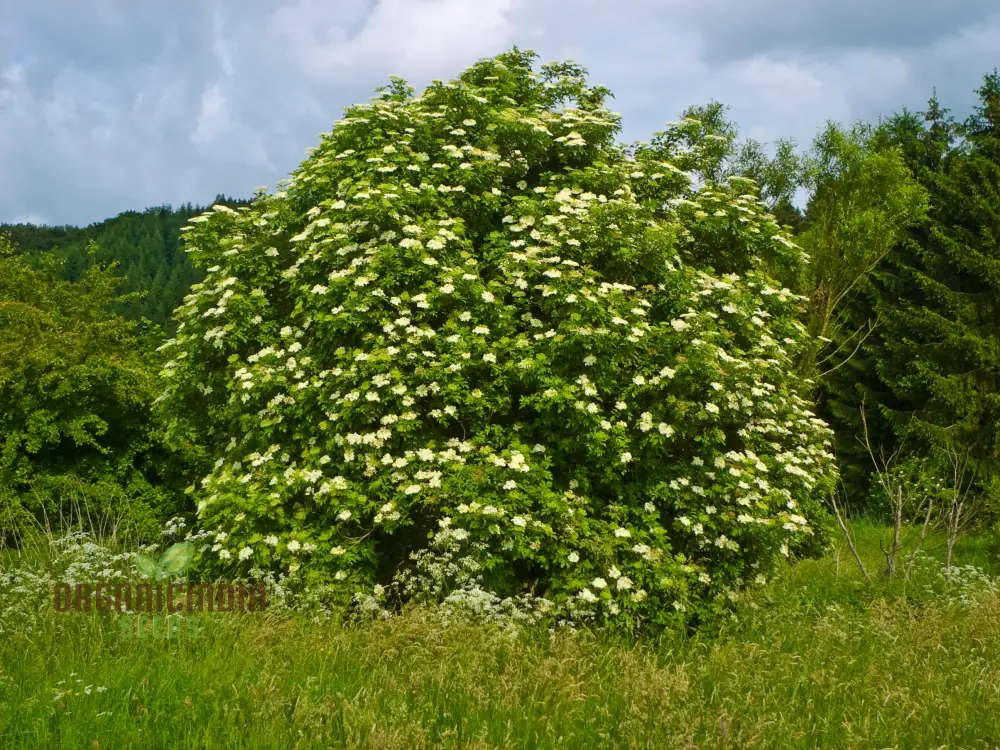
Sambucus Nigra Seeds - Premium Organic Elderberry Seeds for Gardening Enthusiasts | High Germination Rate, Non-GMO Seeds
Sambucus Nigra Seeds - Premium Organic Elderberry Seeds for Gardening Enthusiasts | High Germination Rate, Non-GMO Seeds
Key Product Details:
- Mature Height: Up to 10 meters (33 feet)
- Light Requirements: Full sun to partial shade
- Soil Requirements: Well-drained, fertile soil
- Uses: Ideal for ornamental planting, medicinal uses, and attracting wildlife (birds and butterflies)
- Quantity: Available in packs of 100, 500, or 1000 seeds per pack
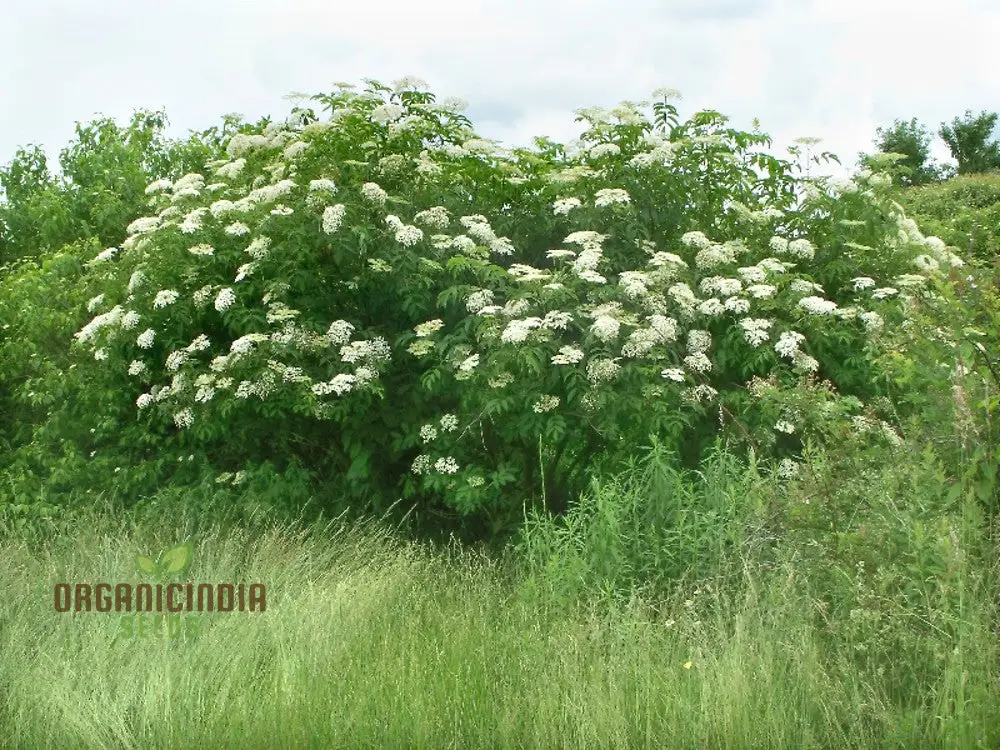
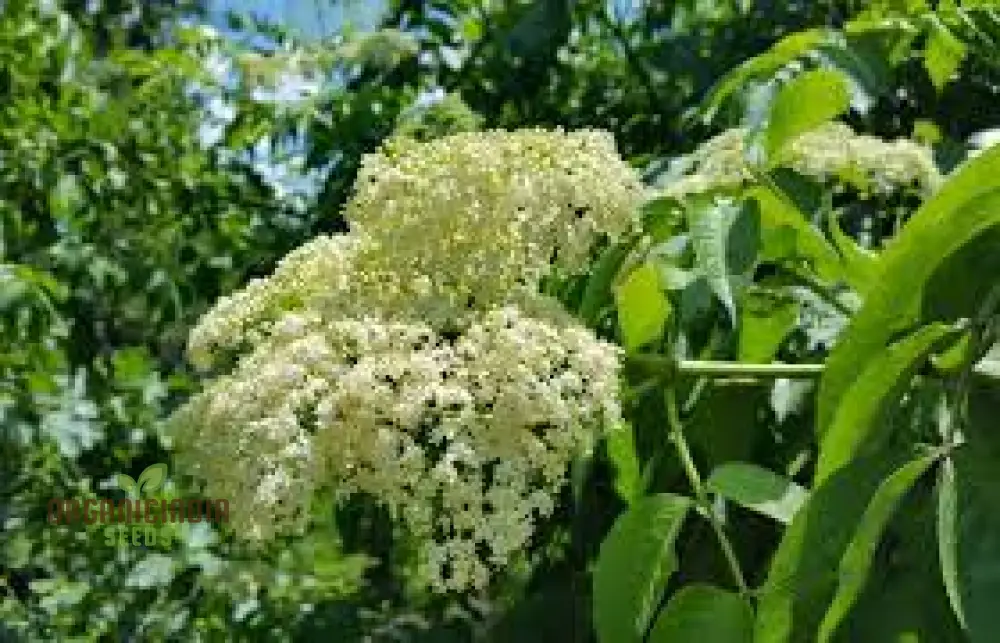
Product Features: Sambucus Nigra, also known as Elderberry, is a versatile and attractive plant known for its ornamental beauty, medicinal properties, and ability to attract wildlife. With a potential mature height of up to 10 meters (33 feet), it makes an impressive addition to gardens, especially in full sun or partial shade. Elderberries are rich in antioxidants and have a long history of medicinal use. The plant also serves as a magnet for birds and butterflies, making it an excellent choice for wildlife gardens.
Planting Instructions:
-
Seed Preparation:
Scarify seeds or soak them in water overnight to enhance germination. This step helps to break seed dormancy and improve the chances of successful sprouting. -
Sowing:
Plant seeds ¼ inch deep in prepared soil or seed-starting trays, keeping the soil moist during the germination process. -
Germination:
Germination typically occurs within 2-3 weeks when kept consistently moist at temperatures of around 18-24°C (65-75°F). -
Transplanting:
Once seedlings have established and the risk of frost has passed, transplant them outdoors. Space plants 3-4 feet apart to allow for healthy growth.
Care & Maintenance:
-
Watering:
Keep soil consistently moist but avoid waterlogging. Elderberries thrive in moist environments but should never sit in soggy soil. -
Pruning:
Prune regularly to maintain the plant's shape, remove dead or damaged branches, and encourage healthy growth. Pruning also helps manage the plant’s size and shape, especially in small gardens. -
Wildlife Attraction:
Elderberries attract a variety of wildlife, particularly birds and butterflies, making them an excellent addition to a wildlife-friendly garden.
HAPPY GARDENING!
Original: $16.99
-65%$16.99
$5.95More Images

Sambucus Nigra Seeds - Premium Organic Elderberry Seeds for Gardening Enthusiasts | High Germination Rate, Non-GMO Seeds
Key Product Details:
- Mature Height: Up to 10 meters (33 feet)
- Light Requirements: Full sun to partial shade
- Soil Requirements: Well-drained, fertile soil
- Uses: Ideal for ornamental planting, medicinal uses, and attracting wildlife (birds and butterflies)
- Quantity: Available in packs of 100, 500, or 1000 seeds per pack
Product Features: Sambucus Nigra, also known as Elderberry, is a versatile and attractive plant known for its ornamental beauty, medicinal properties, and ability to attract wildlife. With a potential mature height of up to 10 meters (33 feet), it makes an impressive addition to gardens, especially in full sun or partial shade. Elderberries are rich in antioxidants and have a long history of medicinal use. The plant also serves as a magnet for birds and butterflies, making it an excellent choice for wildlife gardens.
Planting Instructions:
-
Seed Preparation:
Scarify seeds or soak them in water overnight to enhance germination. This step helps to break seed dormancy and improve the chances of successful sprouting. -
Sowing:
Plant seeds ¼ inch deep in prepared soil or seed-starting trays, keeping the soil moist during the germination process. -
Germination:
Germination typically occurs within 2-3 weeks when kept consistently moist at temperatures of around 18-24°C (65-75°F). -
Transplanting:
Once seedlings have established and the risk of frost has passed, transplant them outdoors. Space plants 3-4 feet apart to allow for healthy growth.
Care & Maintenance:
-
Watering:
Keep soil consistently moist but avoid waterlogging. Elderberries thrive in moist environments but should never sit in soggy soil. -
Pruning:
Prune regularly to maintain the plant's shape, remove dead or damaged branches, and encourage healthy growth. Pruning also helps manage the plant’s size and shape, especially in small gardens. -
Wildlife Attraction:
Elderberries attract a variety of wildlife, particularly birds and butterflies, making them an excellent addition to a wildlife-friendly garden.
HAPPY GARDENING!
Product Information
Product Information
Shipping & Returns
Shipping & Returns
Description
Key Product Details:
- Mature Height: Up to 10 meters (33 feet)
- Light Requirements: Full sun to partial shade
- Soil Requirements: Well-drained, fertile soil
- Uses: Ideal for ornamental planting, medicinal uses, and attracting wildlife (birds and butterflies)
- Quantity: Available in packs of 100, 500, or 1000 seeds per pack
Product Features: Sambucus Nigra, also known as Elderberry, is a versatile and attractive plant known for its ornamental beauty, medicinal properties, and ability to attract wildlife. With a potential mature height of up to 10 meters (33 feet), it makes an impressive addition to gardens, especially in full sun or partial shade. Elderberries are rich in antioxidants and have a long history of medicinal use. The plant also serves as a magnet for birds and butterflies, making it an excellent choice for wildlife gardens.
Planting Instructions:
-
Seed Preparation:
Scarify seeds or soak them in water overnight to enhance germination. This step helps to break seed dormancy and improve the chances of successful sprouting. -
Sowing:
Plant seeds ¼ inch deep in prepared soil or seed-starting trays, keeping the soil moist during the germination process. -
Germination:
Germination typically occurs within 2-3 weeks when kept consistently moist at temperatures of around 18-24°C (65-75°F). -
Transplanting:
Once seedlings have established and the risk of frost has passed, transplant them outdoors. Space plants 3-4 feet apart to allow for healthy growth.
Care & Maintenance:
-
Watering:
Keep soil consistently moist but avoid waterlogging. Elderberries thrive in moist environments but should never sit in soggy soil. -
Pruning:
Prune regularly to maintain the plant's shape, remove dead or damaged branches, and encourage healthy growth. Pruning also helps manage the plant’s size and shape, especially in small gardens. -
Wildlife Attraction:
Elderberries attract a variety of wildlife, particularly birds and butterflies, making them an excellent addition to a wildlife-friendly garden.
HAPPY GARDENING!