Salak Seed Snakeskin Fruit Seeds for Planting, Grow Your Own Exotic Salak Fruit Trees
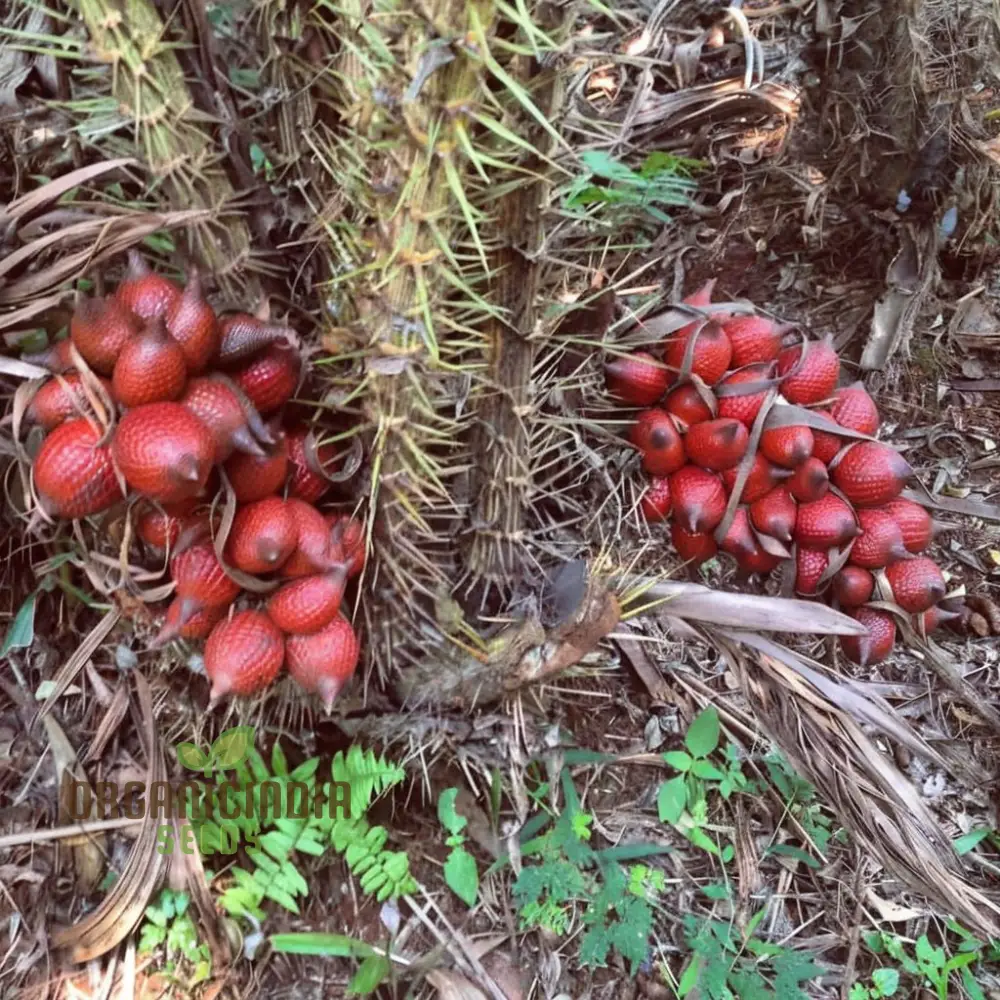
Grow your very own Salak Tree—also known as the Snakeskin Fruit Tree—from high-quality, non-GMO seeds. This exotic tropical species is admired for its scaly fruit skin, lush foliage, and ornamental appeal. Perfect for tropical or subtropical gardens, Salak trees are rewarding to grow and bring a distinctive touch to your home landscape or greenhouse setup.
Features:
- Premium non-GMO Salak (Snakeskin Fruit) seeds
- Easy to germinate with high success rate
- Grows into a unique and attractive tropical tree
- Suitable for home gardens, greenhouses, or large containers
- Adds an exotic touch to tropical plant collections
Specifications:
- Botanical Name: Salacca zalacca
- Common Name (US): Salak or Snakeskin Fruit Tree
- Plant Type: Tropical fruit-bearing palm
- Seed Type: Non-GMO, untreated
- Climate Zones: USDA Zones 10–12
- Season: Best planted in spring or early summer
- Soil Requirement: Well-draining, rich, and slightly acidic soil
- Sun Requirement: Full sun to partial shade
- Watering: Keep soil evenly moist; do not allow to dry out completely
- Temperature Range: 25°C–35°C (77°F–95°F)
- Mature Height: 4–6 meters (13–20 feet)
- Germination Time: 4–8 weeks under warm and humid conditions
- Growth Rate: Moderate
- Lifespan: Long-lived perennial under optimal conditions
Planting & Sowing Instructions:
- Seed Preparation: Soak seeds in warm water for 24 hours to enhance germination.
- Sowing: Plant seeds about 1 inch deep in well-draining soil or a seed-starting mix.
- Location: Choose a warm, sunny location or a greenhouse environment.
- Watering: Keep soil moist but not waterlogged; maintain humidity for best results.
- Light: Provide at least 6 hours of sunlight daily.
- Germination: Seeds usually sprout within 4–8 weeks when kept warm and humid.
- Transplanting: Move seedlings to larger pots or outdoor soil once 3–4 true leaves develop.
- Maintenance: Apply mulch to retain moisture and protect roots from excessive heat.
Original: $16.99
-65%$16.99
$5.95More Images


Salak Seed Snakeskin Fruit Seeds for Planting, Grow Your Own Exotic Salak Fruit Trees
Grow your very own Salak Tree—also known as the Snakeskin Fruit Tree—from high-quality, non-GMO seeds. This exotic tropical species is admired for its scaly fruit skin, lush foliage, and ornamental appeal. Perfect for tropical or subtropical gardens, Salak trees are rewarding to grow and bring a distinctive touch to your home landscape or greenhouse setup.
Features:
- Premium non-GMO Salak (Snakeskin Fruit) seeds
- Easy to germinate with high success rate
- Grows into a unique and attractive tropical tree
- Suitable for home gardens, greenhouses, or large containers
- Adds an exotic touch to tropical plant collections
Specifications:
- Botanical Name: Salacca zalacca
- Common Name (US): Salak or Snakeskin Fruit Tree
- Plant Type: Tropical fruit-bearing palm
- Seed Type: Non-GMO, untreated
- Climate Zones: USDA Zones 10–12
- Season: Best planted in spring or early summer
- Soil Requirement: Well-draining, rich, and slightly acidic soil
- Sun Requirement: Full sun to partial shade
- Watering: Keep soil evenly moist; do not allow to dry out completely
- Temperature Range: 25°C–35°C (77°F–95°F)
- Mature Height: 4–6 meters (13–20 feet)
- Germination Time: 4–8 weeks under warm and humid conditions
- Growth Rate: Moderate
- Lifespan: Long-lived perennial under optimal conditions
Planting & Sowing Instructions:
- Seed Preparation: Soak seeds in warm water for 24 hours to enhance germination.
- Sowing: Plant seeds about 1 inch deep in well-draining soil or a seed-starting mix.
- Location: Choose a warm, sunny location or a greenhouse environment.
- Watering: Keep soil moist but not waterlogged; maintain humidity for best results.
- Light: Provide at least 6 hours of sunlight daily.
- Germination: Seeds usually sprout within 4–8 weeks when kept warm and humid.
- Transplanting: Move seedlings to larger pots or outdoor soil once 3–4 true leaves develop.
- Maintenance: Apply mulch to retain moisture and protect roots from excessive heat.
Product Information
Product Information
Shipping & Returns
Shipping & Returns
Description
Grow your very own Salak Tree—also known as the Snakeskin Fruit Tree—from high-quality, non-GMO seeds. This exotic tropical species is admired for its scaly fruit skin, lush foliage, and ornamental appeal. Perfect for tropical or subtropical gardens, Salak trees are rewarding to grow and bring a distinctive touch to your home landscape or greenhouse setup.
Features:
- Premium non-GMO Salak (Snakeskin Fruit) seeds
- Easy to germinate with high success rate
- Grows into a unique and attractive tropical tree
- Suitable for home gardens, greenhouses, or large containers
- Adds an exotic touch to tropical plant collections
Specifications:
- Botanical Name: Salacca zalacca
- Common Name (US): Salak or Snakeskin Fruit Tree
- Plant Type: Tropical fruit-bearing palm
- Seed Type: Non-GMO, untreated
- Climate Zones: USDA Zones 10–12
- Season: Best planted in spring or early summer
- Soil Requirement: Well-draining, rich, and slightly acidic soil
- Sun Requirement: Full sun to partial shade
- Watering: Keep soil evenly moist; do not allow to dry out completely
- Temperature Range: 25°C–35°C (77°F–95°F)
- Mature Height: 4–6 meters (13–20 feet)
- Germination Time: 4–8 weeks under warm and humid conditions
- Growth Rate: Moderate
- Lifespan: Long-lived perennial under optimal conditions
Planting & Sowing Instructions:
- Seed Preparation: Soak seeds in warm water for 24 hours to enhance germination.
- Sowing: Plant seeds about 1 inch deep in well-draining soil or a seed-starting mix.
- Location: Choose a warm, sunny location or a greenhouse environment.
- Watering: Keep soil moist but not waterlogged; maintain humidity for best results.
- Light: Provide at least 6 hours of sunlight daily.
- Germination: Seeds usually sprout within 4–8 weeks when kept warm and humid.
- Transplanting: Move seedlings to larger pots or outdoor soil once 3–4 true leaves develop.
- Maintenance: Apply mulch to retain moisture and protect roots from excessive heat.