Rudbeckia Laciniata Seeds for Planting, Premium Quality Seeds for Vibrant Gardens
Rudbeckia laciniata Seeds – Premium Quality for a Vibrant Garden
Scientific Name: Rudbeckia laciniata
Common Name: Cutleaf Coneflower, Green-headed Coneflower
Plant Type: Perennial
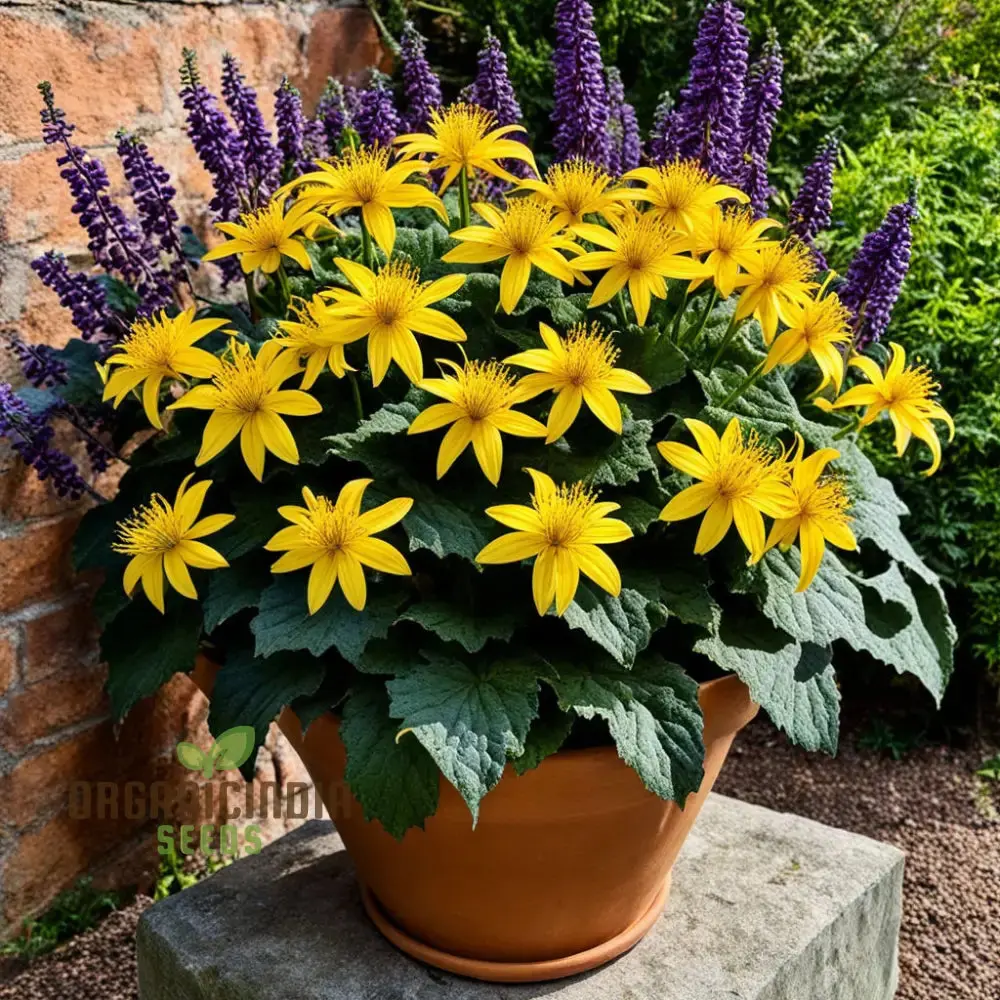
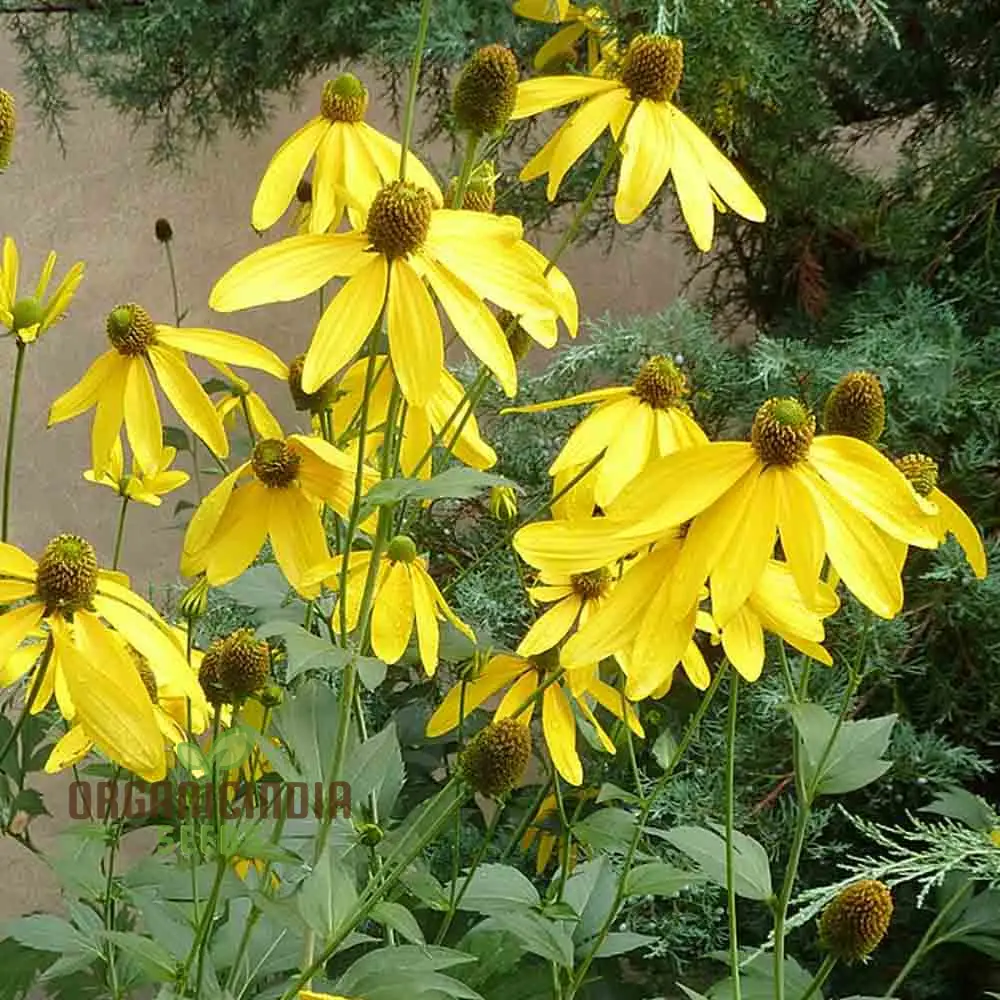
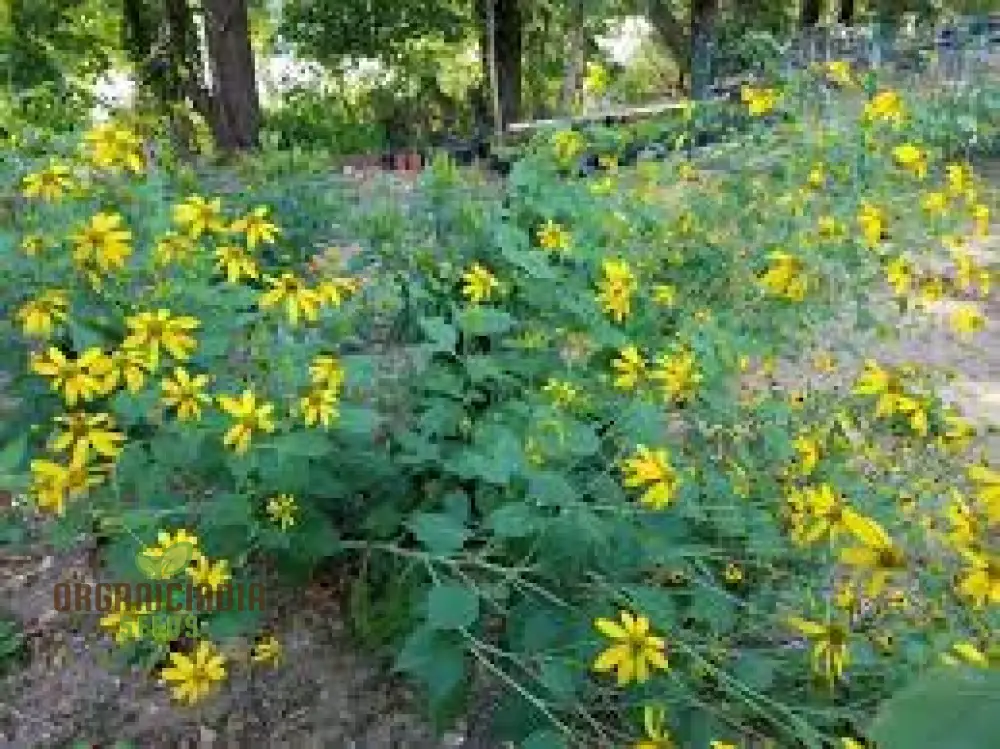
Flower Color: Bright yellow with a green central cone
Mature Height: 3 to 8 feet
Spread: 2 to 4 feet
Light Requirements: Full sun to partial shade
Soil Requirements: Well-drained, fertile soil; tolerates clay and loamy soils
Watering Needs: Moderate; drought-tolerant once established
Blooming Season: Mid to late summer into early fall
Uses: Cottage gardens, wildflower meadows, pollinator gardens, and borders
Product Details
- Germination Rate: High with proper conditions
- Cold Hardiness: Suitable for USDA zones 3-9
- Growth Speed: Fast
- Wildlife Benefits: Attracts bees, butterflies, and hummingbirds; provides seeds for birds in fall
- Maintenance Level: Low; highly adaptable and easy to grow
Planting Instructions
Seed Preparation and Sowing
- Best Planting Time: Early spring or fall
- Sowing Method:
- Sow seeds directly outdoors in well-prepared soil or start indoors 6-8 weeks before the last frost.
- Press seeds lightly into the soil; do not bury deeply as they require light to germinate.
- Keep soil moist until germination occurs.
- Spacing: 18 to 24 inches apart.
- Germination Time: 2 to 3 weeks at temperatures of 65-75°F.
Care and Maintenance
- Watering: Water regularly during establishment; drought-tolerant once mature.
- Fertilization: Apply compost or a balanced fertilizer in early spring.
- Pruning: Deadhead spent flowers to encourage continuous blooming. Cut back in late fall or early spring.
- Pest and Disease Resistance: Generally resistant to pests and diseases but may need occasional aphid control.
- Winter Care: Hardy in most climates; mulch lightly in colder regions.
Why Grow Rudbeckia laciniata?
- Long-Lasting Blooms: Provides bright yellow flowers from summer to fall.
- Pollinator Magnet: Attracts bees, butterflies, and beneficial insects.
- Low Maintenance: Thrives in various soil conditions with minimal care.
- Naturalizing Beauty: Spreads easily, making it ideal for wildflower meadows and large garden spaces.
Companion Planting Suggestions
- Pairs well with Echinacea, Liatris, and Monarda in pollinator gardens.
- Complements ornamental grasses like Panicum and Miscanthus.
- Looks stunning alongside Joe-Pye Weed and Solidago in native and prairie-style gardens.
Brighten Your Garden with the Timeless Beauty of Rudbeckia laciniata!
With its cheerful yellow blooms and easy-care nature, Rudbeckia laciniata is an excellent choice for gardeners looking to create a vibrant, wildlife-friendly landscape.
Original: $16.99
-65%$16.99
$5.95More Images
Rudbeckia Laciniata Seeds for Planting, Premium Quality Seeds for Vibrant Gardens
Rudbeckia laciniata Seeds – Premium Quality for a Vibrant Garden
Scientific Name: Rudbeckia laciniata
Common Name: Cutleaf Coneflower, Green-headed Coneflower
Plant Type: Perennial
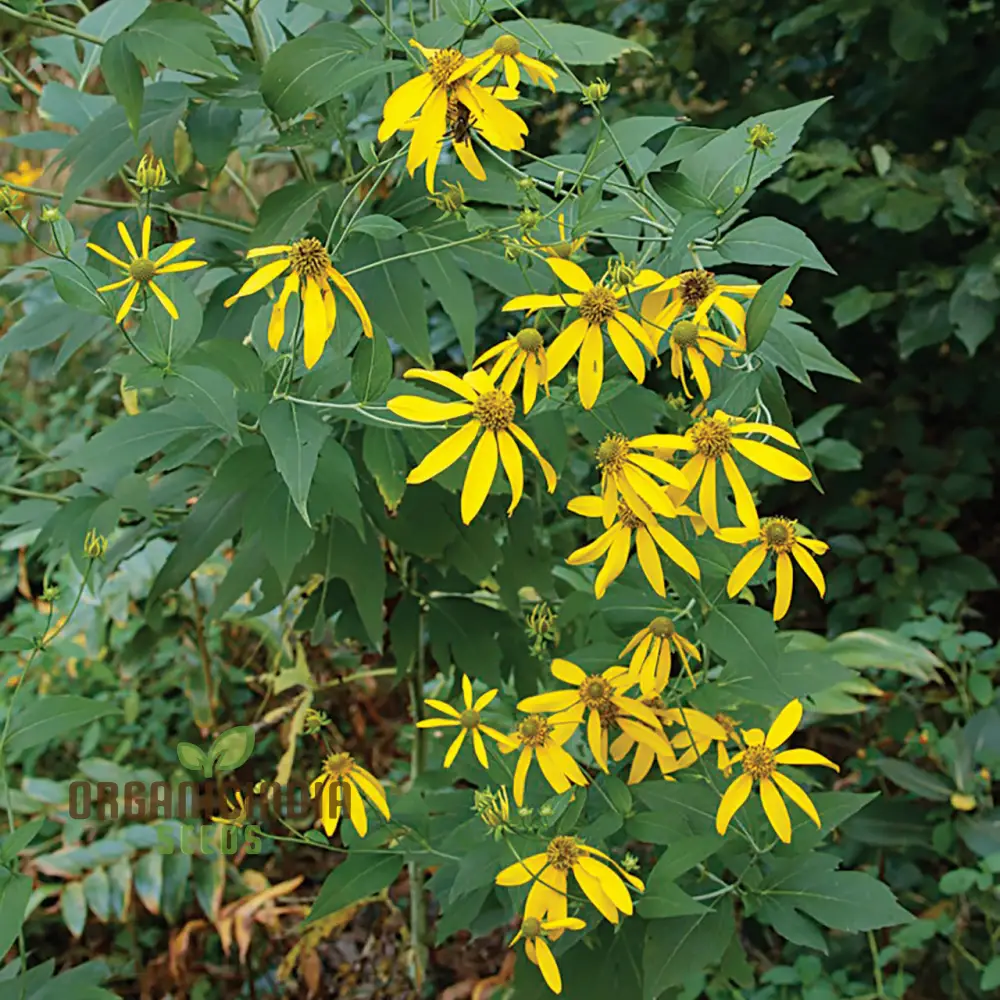
Flower Color: Bright yellow with a green central cone
Mature Height: 3 to 8 feet
Spread: 2 to 4 feet
Light Requirements: Full sun to partial shade
Soil Requirements: Well-drained, fertile soil; tolerates clay and loamy soils
Watering Needs: Moderate; drought-tolerant once established
Blooming Season: Mid to late summer into early fall
Uses: Cottage gardens, wildflower meadows, pollinator gardens, and borders
Product Details
- Germination Rate: High with proper conditions
- Cold Hardiness: Suitable for USDA zones 3-9
- Growth Speed: Fast
- Wildlife Benefits: Attracts bees, butterflies, and hummingbirds; provides seeds for birds in fall
- Maintenance Level: Low; highly adaptable and easy to grow
Planting Instructions
Seed Preparation and Sowing
- Best Planting Time: Early spring or fall
- Sowing Method:
- Sow seeds directly outdoors in well-prepared soil or start indoors 6-8 weeks before the last frost.
- Press seeds lightly into the soil; do not bury deeply as they require light to germinate.
- Keep soil moist until germination occurs.
- Spacing: 18 to 24 inches apart.
- Germination Time: 2 to 3 weeks at temperatures of 65-75°F.
Care and Maintenance
- Watering: Water regularly during establishment; drought-tolerant once mature.
- Fertilization: Apply compost or a balanced fertilizer in early spring.
- Pruning: Deadhead spent flowers to encourage continuous blooming. Cut back in late fall or early spring.
- Pest and Disease Resistance: Generally resistant to pests and diseases but may need occasional aphid control.
- Winter Care: Hardy in most climates; mulch lightly in colder regions.
Why Grow Rudbeckia laciniata?
- Long-Lasting Blooms: Provides bright yellow flowers from summer to fall.
- Pollinator Magnet: Attracts bees, butterflies, and beneficial insects.
- Low Maintenance: Thrives in various soil conditions with minimal care.
- Naturalizing Beauty: Spreads easily, making it ideal for wildflower meadows and large garden spaces.
Companion Planting Suggestions
- Pairs well with Echinacea, Liatris, and Monarda in pollinator gardens.
- Complements ornamental grasses like Panicum and Miscanthus.
- Looks stunning alongside Joe-Pye Weed and Solidago in native and prairie-style gardens.
Brighten Your Garden with the Timeless Beauty of Rudbeckia laciniata!
With its cheerful yellow blooms and easy-care nature, Rudbeckia laciniata is an excellent choice for gardeners looking to create a vibrant, wildlife-friendly landscape.
Product Information
Product Information
Shipping & Returns
Shipping & Returns
Description
Rudbeckia laciniata Seeds – Premium Quality for a Vibrant Garden
Scientific Name: Rudbeckia laciniata
Common Name: Cutleaf Coneflower, Green-headed Coneflower
Plant Type: Perennial
Flower Color: Bright yellow with a green central cone
Mature Height: 3 to 8 feet
Spread: 2 to 4 feet
Light Requirements: Full sun to partial shade
Soil Requirements: Well-drained, fertile soil; tolerates clay and loamy soils
Watering Needs: Moderate; drought-tolerant once established
Blooming Season: Mid to late summer into early fall
Uses: Cottage gardens, wildflower meadows, pollinator gardens, and borders
Product Details
- Germination Rate: High with proper conditions
- Cold Hardiness: Suitable for USDA zones 3-9
- Growth Speed: Fast
- Wildlife Benefits: Attracts bees, butterflies, and hummingbirds; provides seeds for birds in fall
- Maintenance Level: Low; highly adaptable and easy to grow
Planting Instructions
Seed Preparation and Sowing
- Best Planting Time: Early spring or fall
- Sowing Method:
- Sow seeds directly outdoors in well-prepared soil or start indoors 6-8 weeks before the last frost.
- Press seeds lightly into the soil; do not bury deeply as they require light to germinate.
- Keep soil moist until germination occurs.
- Spacing: 18 to 24 inches apart.
- Germination Time: 2 to 3 weeks at temperatures of 65-75°F.
Care and Maintenance
- Watering: Water regularly during establishment; drought-tolerant once mature.
- Fertilization: Apply compost or a balanced fertilizer in early spring.
- Pruning: Deadhead spent flowers to encourage continuous blooming. Cut back in late fall or early spring.
- Pest and Disease Resistance: Generally resistant to pests and diseases but may need occasional aphid control.
- Winter Care: Hardy in most climates; mulch lightly in colder regions.
Why Grow Rudbeckia laciniata?
- Long-Lasting Blooms: Provides bright yellow flowers from summer to fall.
- Pollinator Magnet: Attracts bees, butterflies, and beneficial insects.
- Low Maintenance: Thrives in various soil conditions with minimal care.
- Naturalizing Beauty: Spreads easily, making it ideal for wildflower meadows and large garden spaces.
Companion Planting Suggestions
- Pairs well with Echinacea, Liatris, and Monarda in pollinator gardens.
- Complements ornamental grasses like Panicum and Miscanthus.
- Looks stunning alongside Joe-Pye Weed and Solidago in native and prairie-style gardens.
Brighten Your Garden with the Timeless Beauty of Rudbeckia laciniata!
With its cheerful yellow blooms and easy-care nature, Rudbeckia laciniata is an excellent choice for gardeners looking to create a vibrant, wildlife-friendly landscape.