Rosa Glauca Flower Seeds For Planting, Easy Planting Tips for Growing Beautiful Wild Rose Blooms in Your Garden
Rosa Glauca Flower Seeds For Planting, Easy Planting Tips for Growing Beautiful Wild Rose Blooms in Your Garden
Rosa Glauca Flower Seeds – Grow Beautiful Wild Rose Blooms with Ease
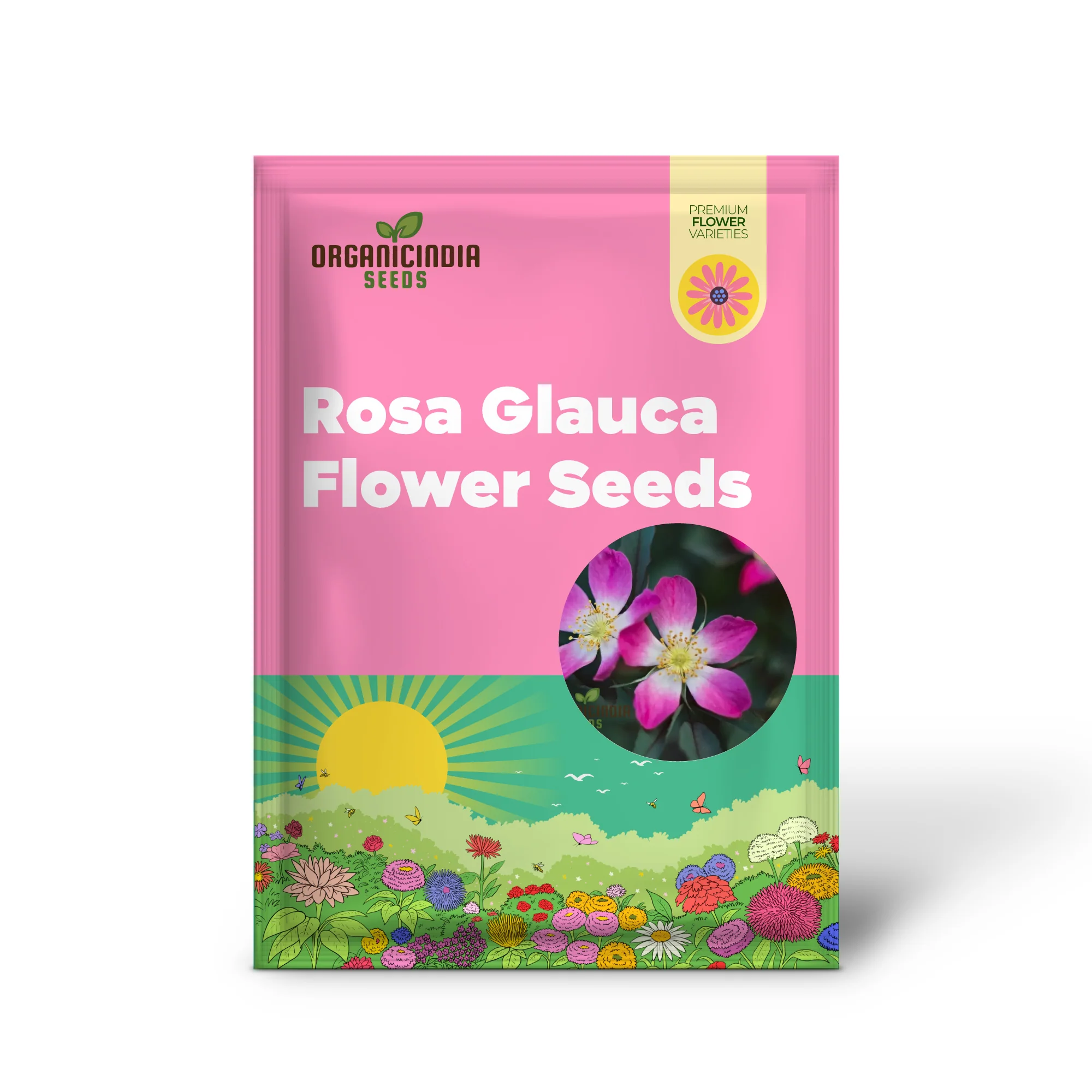
Rosa Glauca, also known as the Red-Leaved Rose or Blue Leaf Rose, is a stunning wild rose variety prized for its unique bluish-green foliage, delicate pink flowers, and striking red hips. This low-maintenance, hardy shrub is perfect for naturalistic gardens, hedgerows, and wildlife-friendly landscapes. With its exceptional drought tolerance and ability to thrive in various conditions, Rosa Glauca adds elegance and year-round interest to any garden.
Key Attributes
- Scientific Name: Rosa glauca
- Common Name: Red-Leaved Rose, Blue Leaf Rose
- Plant Type: Deciduous shrub
- Flower Color: Soft pink with a pale center
- Foliage Color: Blue-green to purplish-red
- Mature Height: 6 to 8 feet
- Spread: 4 to 6 feet
- Light Requirements: Full sun to partial shade
- Soil Requirements: Well-drained, fertile soil; tolerates clay and sandy soils
- Watering Needs: Low to moderate; drought-tolerant once established
- Blooming Season: Late spring to early summer
- Uses: Hedges, borders, wildlife gardens, pollinator-friendly landscapes
Product Details
- Germination Rate: High with proper stratification
- Growth Speed: Moderate; establishes a strong root system before flowering
- Cold Hardiness: Hardy in USDA zones 4-9
- Wildlife Benefits: Attracts bees, butterflies, and birds
- Maintenance Level: Low; disease-resistant and self-sufficient
Planting Instructions
Seed Preparation and Sowing
- Stratification Required:
- Mix seeds with damp sand and store in the refrigerator for 10-12 weeks before planting
- Best Planting Time: Late winter to early spring after stratification
- Sowing Method:
- Sow seeds in a well-draining seed-starting mix
- Cover lightly with a thin layer of soil
- Spacing: 3 to 5 feet apart for optimal growth
- Germination Time: 4 to 8 weeks after stratification at 65 to 75°F
Care and Maintenance
- Watering: Water deeply during the first growing season; reduce watering once established
- Fertilization: Apply a balanced organic fertilizer in early spring
- Pruning: Minimal pruning needed; remove dead or weak branches in late winter
- Pest and Disease Resistance: Naturally resistant to common rose diseases like black spot and mildew
- Winter Care: Hardy in cold climates; mulch around the base to protect roots in extreme cold
Why Grow Rosa Glauca?
- Unique foliage: Striking blue-green leaves add visual contrast to gardens
- Low maintenance: Thrives with little intervention, making it ideal for beginners
- Pollinator and wildlife-friendly: Provides nectar for bees and butterflies, and rose hips attract birds
- Year-round appeal: Lovely flowers in spring, followed by ornamental rose hips in fall and winter
Companion Planting Suggestions
- Complements other wildflowers like echinacea, salvia, and lavender
- Pairs well with ornamental grasses for a naturalistic garden
- Looks beautiful when grown alongside native shrubs like elderberry or viburnum
Rosa Glauca is a fantastic choice for gardeners looking for a hardy, low-maintenance rose that brings year-round beauty. Would you like additional tips on garden design or care?
More Images


Rosa Glauca Flower Seeds For Planting, Easy Planting Tips for Growing Beautiful Wild Rose Blooms in Your Garden
Rosa Glauca Flower Seeds – Grow Beautiful Wild Rose Blooms with Ease
Rosa Glauca, also known as the Red-Leaved Rose or Blue Leaf Rose, is a stunning wild rose variety prized for its unique bluish-green foliage, delicate pink flowers, and striking red hips. This low-maintenance, hardy shrub is perfect for naturalistic gardens, hedgerows, and wildlife-friendly landscapes. With its exceptional drought tolerance and ability to thrive in various conditions, Rosa Glauca adds elegance and year-round interest to any garden.
Key Attributes
- Scientific Name: Rosa glauca
- Common Name: Red-Leaved Rose, Blue Leaf Rose
- Plant Type: Deciduous shrub
- Flower Color: Soft pink with a pale center
- Foliage Color: Blue-green to purplish-red
- Mature Height: 6 to 8 feet
- Spread: 4 to 6 feet
- Light Requirements: Full sun to partial shade
- Soil Requirements: Well-drained, fertile soil; tolerates clay and sandy soils
- Watering Needs: Low to moderate; drought-tolerant once established
- Blooming Season: Late spring to early summer
- Uses: Hedges, borders, wildlife gardens, pollinator-friendly landscapes
Product Details
- Germination Rate: High with proper stratification
- Growth Speed: Moderate; establishes a strong root system before flowering
- Cold Hardiness: Hardy in USDA zones 4-9
- Wildlife Benefits: Attracts bees, butterflies, and birds
- Maintenance Level: Low; disease-resistant and self-sufficient
Planting Instructions
Seed Preparation and Sowing
- Stratification Required:
- Mix seeds with damp sand and store in the refrigerator for 10-12 weeks before planting
- Best Planting Time: Late winter to early spring after stratification
- Sowing Method:
- Sow seeds in a well-draining seed-starting mix
- Cover lightly with a thin layer of soil
- Spacing: 3 to 5 feet apart for optimal growth
- Germination Time: 4 to 8 weeks after stratification at 65 to 75°F
Care and Maintenance
- Watering: Water deeply during the first growing season; reduce watering once established
- Fertilization: Apply a balanced organic fertilizer in early spring
- Pruning: Minimal pruning needed; remove dead or weak branches in late winter
- Pest and Disease Resistance: Naturally resistant to common rose diseases like black spot and mildew
- Winter Care: Hardy in cold climates; mulch around the base to protect roots in extreme cold
Why Grow Rosa Glauca?
- Unique foliage: Striking blue-green leaves add visual contrast to gardens
- Low maintenance: Thrives with little intervention, making it ideal for beginners
- Pollinator and wildlife-friendly: Provides nectar for bees and butterflies, and rose hips attract birds
- Year-round appeal: Lovely flowers in spring, followed by ornamental rose hips in fall and winter
Companion Planting Suggestions
- Complements other wildflowers like echinacea, salvia, and lavender
- Pairs well with ornamental grasses for a naturalistic garden
- Looks beautiful when grown alongside native shrubs like elderberry or viburnum
Rosa Glauca is a fantastic choice for gardeners looking for a hardy, low-maintenance rose that brings year-round beauty. Would you like additional tips on garden design or care?
Product Information
Product Information
Shipping & Returns
Shipping & Returns
Description
Rosa Glauca Flower Seeds – Grow Beautiful Wild Rose Blooms with Ease
Rosa Glauca, also known as the Red-Leaved Rose or Blue Leaf Rose, is a stunning wild rose variety prized for its unique bluish-green foliage, delicate pink flowers, and striking red hips. This low-maintenance, hardy shrub is perfect for naturalistic gardens, hedgerows, and wildlife-friendly landscapes. With its exceptional drought tolerance and ability to thrive in various conditions, Rosa Glauca adds elegance and year-round interest to any garden.
Key Attributes
- Scientific Name: Rosa glauca
- Common Name: Red-Leaved Rose, Blue Leaf Rose
- Plant Type: Deciduous shrub
- Flower Color: Soft pink with a pale center
- Foliage Color: Blue-green to purplish-red
- Mature Height: 6 to 8 feet
- Spread: 4 to 6 feet
- Light Requirements: Full sun to partial shade
- Soil Requirements: Well-drained, fertile soil; tolerates clay and sandy soils
- Watering Needs: Low to moderate; drought-tolerant once established
- Blooming Season: Late spring to early summer
- Uses: Hedges, borders, wildlife gardens, pollinator-friendly landscapes
Product Details
- Germination Rate: High with proper stratification
- Growth Speed: Moderate; establishes a strong root system before flowering
- Cold Hardiness: Hardy in USDA zones 4-9
- Wildlife Benefits: Attracts bees, butterflies, and birds
- Maintenance Level: Low; disease-resistant and self-sufficient
Planting Instructions
Seed Preparation and Sowing
- Stratification Required:
- Mix seeds with damp sand and store in the refrigerator for 10-12 weeks before planting
- Best Planting Time: Late winter to early spring after stratification
- Sowing Method:
- Sow seeds in a well-draining seed-starting mix
- Cover lightly with a thin layer of soil
- Spacing: 3 to 5 feet apart for optimal growth
- Germination Time: 4 to 8 weeks after stratification at 65 to 75°F
Care and Maintenance
- Watering: Water deeply during the first growing season; reduce watering once established
- Fertilization: Apply a balanced organic fertilizer in early spring
- Pruning: Minimal pruning needed; remove dead or weak branches in late winter
- Pest and Disease Resistance: Naturally resistant to common rose diseases like black spot and mildew
- Winter Care: Hardy in cold climates; mulch around the base to protect roots in extreme cold
Why Grow Rosa Glauca?
- Unique foliage: Striking blue-green leaves add visual contrast to gardens
- Low maintenance: Thrives with little intervention, making it ideal for beginners
- Pollinator and wildlife-friendly: Provides nectar for bees and butterflies, and rose hips attract birds
- Year-round appeal: Lovely flowers in spring, followed by ornamental rose hips in fall and winter
Companion Planting Suggestions
- Complements other wildflowers like echinacea, salvia, and lavender
- Pairs well with ornamental grasses for a naturalistic garden
- Looks beautiful when grown alongside native shrubs like elderberry or viburnum
Rosa Glauca is a fantastic choice for gardeners looking for a hardy, low-maintenance rose that brings year-round beauty. Would you like additional tips on garden design or care?