Red Oak Tree Seeds for Planting
Red Oak Tree Seeds for Planting – Majestic Shade Tree for Landscapes
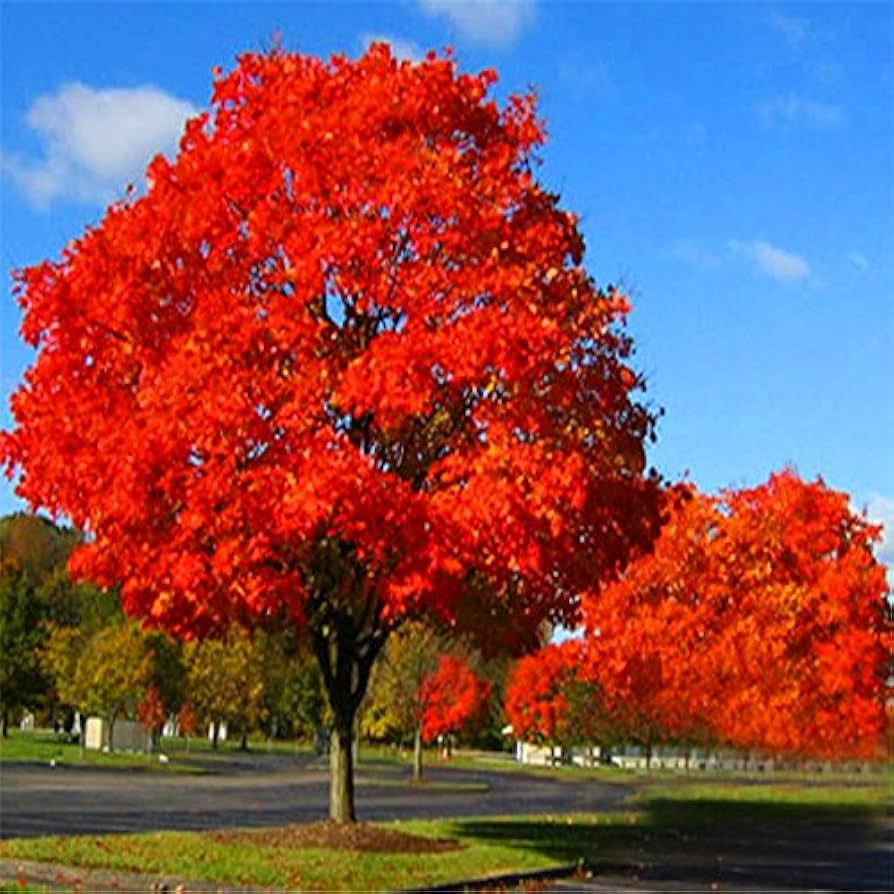
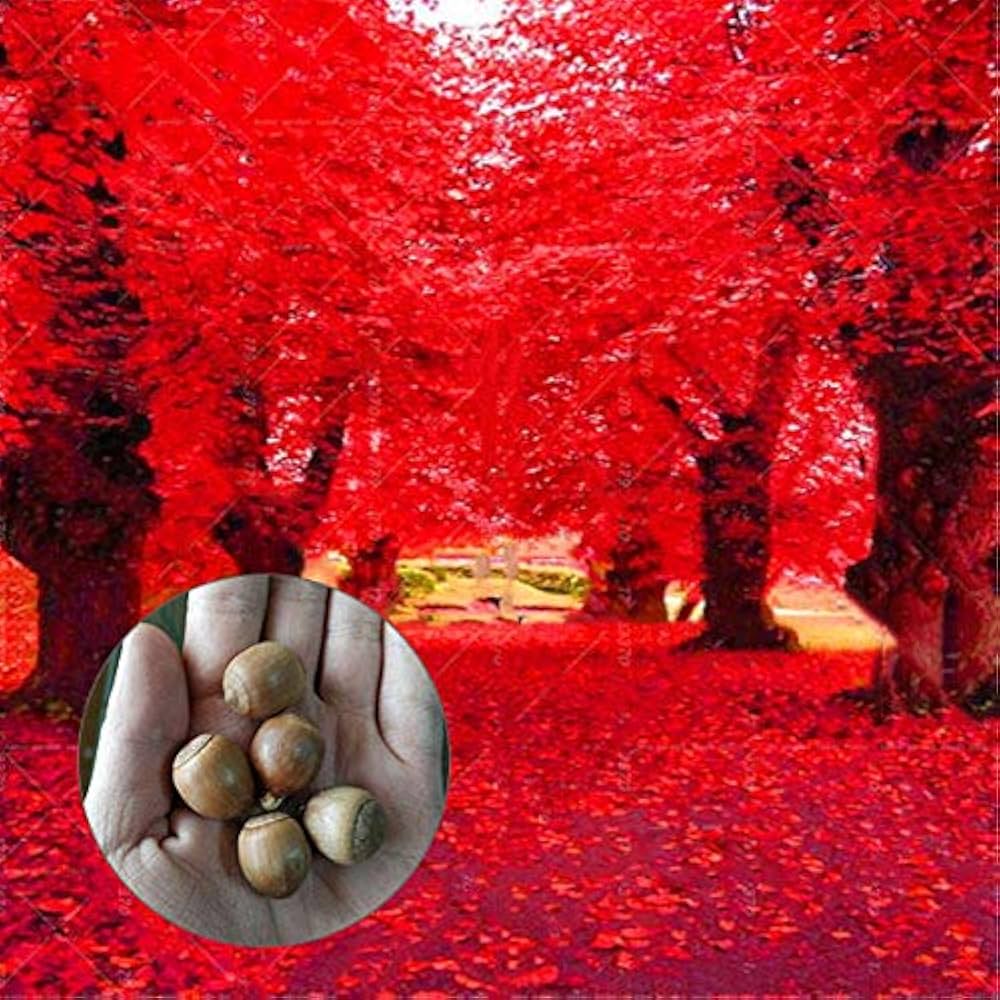
The Red Oak (Quercus rubra) is a fast-growing, hardy deciduous tree prized for its stunning red autumn foliage, strong wood, and ability to thrive in diverse climates. This long-lived shade tree is perfect for large landscapes, parks, and urban areas, offering wildlife benefits and a classic, stately appearance.
Key Features:
- Scientific Name: Quercus rubra
- Common Name: Red Oak, Northern Red Oak
- Plant Type: Deciduous tree
- Mature Height: 60-75 feet
- Spread: 40-50 feet
- Growth Rate: Fast (2 feet or more per year)
- Foliage Color: Green in summer, turning brilliant red in fall
- Light Requirements: Full sun
- Soil Requirements: Well-drained, slightly acidic to neutral soil
- Watering Needs: Moderate; drought-tolerant once established
- Hardiness Zones: USDA Zones 3-8
- Lifespan: 200+ years
- Uses: Shade tree, wildlife habitat, erosion control, ornamental landscaping
Why Grow Red Oak?
- Fast Growth – One of the fastest-growing oaks, providing shade quickly
- Brilliant Fall Color – Striking red foliage enhances any landscape
- Wildlife Attraction – Acorns provide food for birds, deer, and squirrels
- Drought & Pollution Tolerant – Adapts well to urban settings
- Long-Lived & Durable – Stands strong against storms and harsh conditions
How to Grow Red Oak from Seeds
Seed Preparation (Cold Stratification)
- Best Time to Sow: Fall to early spring
- Stratification:
- Soak acorns in water for 24 hours (discard any that float)
- Store in moist sand or peat moss in a sealed bag in the refrigerator (34-40°F) for 30-90 days
- Check periodically to maintain moisture
Sowing Instructions
- Planting Depth: 1-2 inches deep
- Spacing: 15-20 feet apart
- Soil Temperature: 50-70°F for optimal germination
- Germination Time: 4-6 weeks (some may take longer)
- Sunlight: Full sun exposure for best growth
Transplanting & Care
- Once seedlings reach 6-12 inches tall, transplant to their permanent location
- Water regularly during the first few years to establish strong roots
- Apply mulch around the base to retain moisture and suppress weeds
Care & Maintenance
- Watering: Deep watering during dry periods
- Pruning: Remove weak or damaged branches in late winter
- Fertilization: Generally not needed but can use balanced fertilizer in early spring
- Pest & Disease Resistance: Resistant to most pests but watch for oak wilt and leaf spot
Companion Planting Suggestions
- Pairs well with maples, hickories, and conifers for diverse landscapes
- Underplant with ferns, wildflowers, and shrubs for naturalized settings
Enhance Your Landscape with the Majestic Red Oak
With its rapid growth, brilliant fall color, and long-lasting beauty, the Red Oak is an excellent choice for anyone looking to add shade, wildlife habitat, and elegance to their property. Whether for parks, streets, or home gardens, this tree is a timeless classic.
Original: $14.00
-65%$14.00
$4.90More Images
Red Oak Tree Seeds for Planting
Red Oak Tree Seeds for Planting – Majestic Shade Tree for Landscapes
The Red Oak (Quercus rubra) is a fast-growing, hardy deciduous tree prized for its stunning red autumn foliage, strong wood, and ability to thrive in diverse climates. This long-lived shade tree is perfect for large landscapes, parks, and urban areas, offering wildlife benefits and a classic, stately appearance.
Key Features:
- Scientific Name: Quercus rubra
- Common Name: Red Oak, Northern Red Oak
- Plant Type: Deciduous tree
- Mature Height: 60-75 feet
- Spread: 40-50 feet
- Growth Rate: Fast (2 feet or more per year)
- Foliage Color: Green in summer, turning brilliant red in fall
- Light Requirements: Full sun
- Soil Requirements: Well-drained, slightly acidic to neutral soil
- Watering Needs: Moderate; drought-tolerant once established
- Hardiness Zones: USDA Zones 3-8
- Lifespan: 200+ years
- Uses: Shade tree, wildlife habitat, erosion control, ornamental landscaping
Why Grow Red Oak?
- Fast Growth – One of the fastest-growing oaks, providing shade quickly
- Brilliant Fall Color – Striking red foliage enhances any landscape
- Wildlife Attraction – Acorns provide food for birds, deer, and squirrels
- Drought & Pollution Tolerant – Adapts well to urban settings
- Long-Lived & Durable – Stands strong against storms and harsh conditions
How to Grow Red Oak from Seeds
Seed Preparation (Cold Stratification)
- Best Time to Sow: Fall to early spring
- Stratification:
- Soak acorns in water for 24 hours (discard any that float)
- Store in moist sand or peat moss in a sealed bag in the refrigerator (34-40°F) for 30-90 days
- Check periodically to maintain moisture
Sowing Instructions
- Planting Depth: 1-2 inches deep
- Spacing: 15-20 feet apart
- Soil Temperature: 50-70°F for optimal germination
- Germination Time: 4-6 weeks (some may take longer)
- Sunlight: Full sun exposure for best growth
Transplanting & Care
- Once seedlings reach 6-12 inches tall, transplant to their permanent location
- Water regularly during the first few years to establish strong roots
- Apply mulch around the base to retain moisture and suppress weeds
Care & Maintenance
- Watering: Deep watering during dry periods
- Pruning: Remove weak or damaged branches in late winter
- Fertilization: Generally not needed but can use balanced fertilizer in early spring
- Pest & Disease Resistance: Resistant to most pests but watch for oak wilt and leaf spot
Companion Planting Suggestions
- Pairs well with maples, hickories, and conifers for diverse landscapes
- Underplant with ferns, wildflowers, and shrubs for naturalized settings
Enhance Your Landscape with the Majestic Red Oak
With its rapid growth, brilliant fall color, and long-lasting beauty, the Red Oak is an excellent choice for anyone looking to add shade, wildlife habitat, and elegance to their property. Whether for parks, streets, or home gardens, this tree is a timeless classic.
Product Information
Product Information
Shipping & Returns
Shipping & Returns
Description
Red Oak Tree Seeds for Planting – Majestic Shade Tree for Landscapes
The Red Oak (Quercus rubra) is a fast-growing, hardy deciduous tree prized for its stunning red autumn foliage, strong wood, and ability to thrive in diverse climates. This long-lived shade tree is perfect for large landscapes, parks, and urban areas, offering wildlife benefits and a classic, stately appearance.
Key Features:
- Scientific Name: Quercus rubra
- Common Name: Red Oak, Northern Red Oak
- Plant Type: Deciduous tree
- Mature Height: 60-75 feet
- Spread: 40-50 feet
- Growth Rate: Fast (2 feet or more per year)
- Foliage Color: Green in summer, turning brilliant red in fall
- Light Requirements: Full sun
- Soil Requirements: Well-drained, slightly acidic to neutral soil
- Watering Needs: Moderate; drought-tolerant once established
- Hardiness Zones: USDA Zones 3-8
- Lifespan: 200+ years
- Uses: Shade tree, wildlife habitat, erosion control, ornamental landscaping
Why Grow Red Oak?
- Fast Growth – One of the fastest-growing oaks, providing shade quickly
- Brilliant Fall Color – Striking red foliage enhances any landscape
- Wildlife Attraction – Acorns provide food for birds, deer, and squirrels
- Drought & Pollution Tolerant – Adapts well to urban settings
- Long-Lived & Durable – Stands strong against storms and harsh conditions
How to Grow Red Oak from Seeds
Seed Preparation (Cold Stratification)
- Best Time to Sow: Fall to early spring
- Stratification:
- Soak acorns in water for 24 hours (discard any that float)
- Store in moist sand or peat moss in a sealed bag in the refrigerator (34-40°F) for 30-90 days
- Check periodically to maintain moisture
Sowing Instructions
- Planting Depth: 1-2 inches deep
- Spacing: 15-20 feet apart
- Soil Temperature: 50-70°F for optimal germination
- Germination Time: 4-6 weeks (some may take longer)
- Sunlight: Full sun exposure for best growth
Transplanting & Care
- Once seedlings reach 6-12 inches tall, transplant to their permanent location
- Water regularly during the first few years to establish strong roots
- Apply mulch around the base to retain moisture and suppress weeds
Care & Maintenance
- Watering: Deep watering during dry periods
- Pruning: Remove weak or damaged branches in late winter
- Fertilization: Generally not needed but can use balanced fertilizer in early spring
- Pest & Disease Resistance: Resistant to most pests but watch for oak wilt and leaf spot
Companion Planting Suggestions
- Pairs well with maples, hickories, and conifers for diverse landscapes
- Underplant with ferns, wildflowers, and shrubs for naturalized settings
Enhance Your Landscape with the Majestic Red Oak
With its rapid growth, brilliant fall color, and long-lasting beauty, the Red Oak is an excellent choice for anyone looking to add shade, wildlife habitat, and elegance to their property. Whether for parks, streets, or home gardens, this tree is a timeless classic.