Red Elderberry Fruit Seeds
Key Features:
-
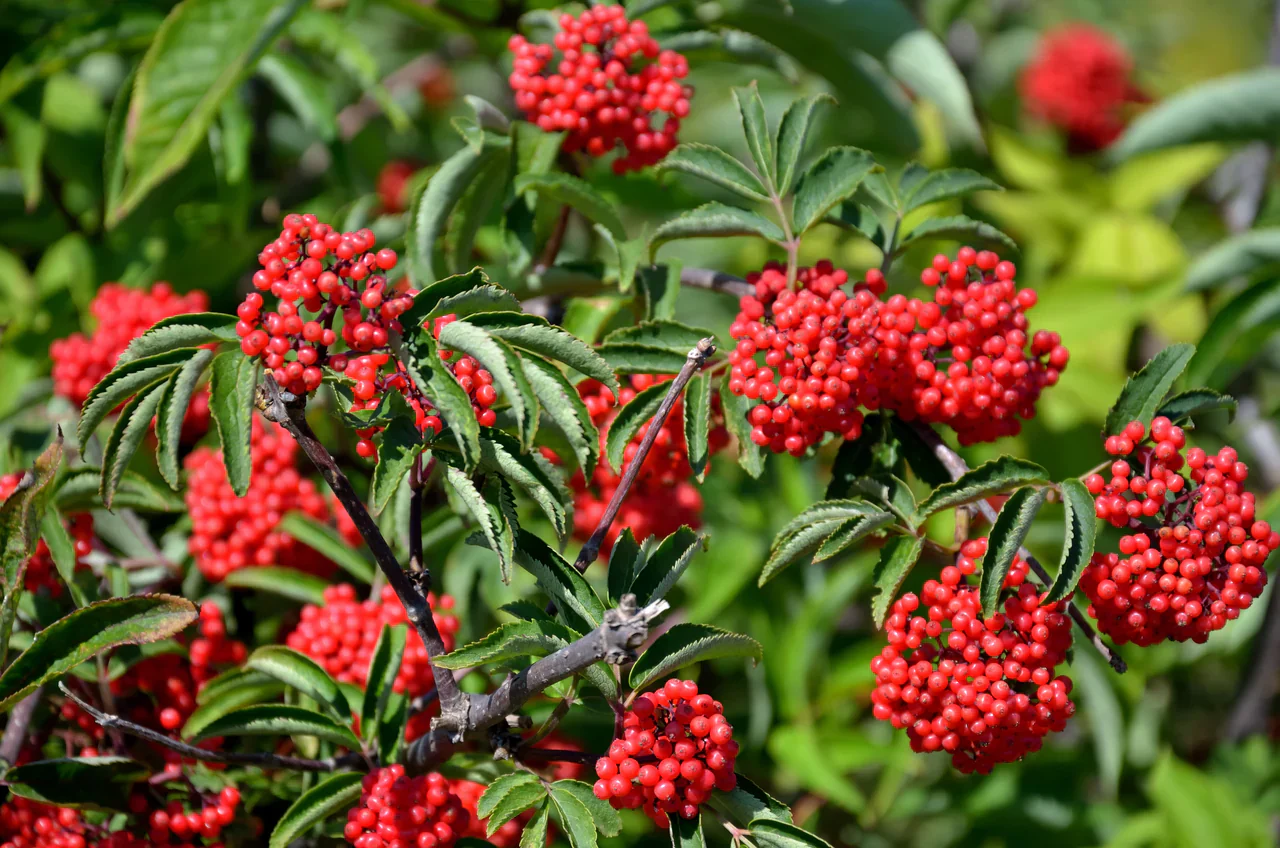
Produces showy clusters of bright red berries and creamy white spring blossoms
-
Hardy shrub suitable for naturalized plantings, borders, and woodland gardens
-
Attracts birds and beneficial wildlife
-
Non-GMO seeds with vigorous growth habit
-
Grows well in cool to temperate climates
-
Adds ornamental and ecological value to garden landscapes
Specifications:
-
Seed Name: Red Elderberry (Sambucus racemosa)
-
Common Name: Red Elderberry
-
Plant Type: Deciduous Fruiting Shrub
-
USDA Hardiness Zones: 3–7
-
Mature Height: 6–20 feet depending on conditions
-
Flower Color: White to creamy white
-
Berry Color: Bright red (berries are typically not eaten raw)
-
Planting Season: Fall or Early Spring
-
Sun Exposure: Full Sun to Partial Shade
-
Soil Requirements: Moist, well-draining soil; tolerates clay and loam
-
Water Needs: Moderate; prefers consistent moisture
-
Pollination: Self-fertile; pollinators improve berry clusters
-
Germination Time: 60–120 days (cold stratification recommended)
-
GMO Status: Non-GMO
-
Growth Rate: Moderate to fast
-
Special Note: Berries are commonly used only when properly prepared and cooked
Planting Guide
-
Seed Preparation:
Cold stratify seeds for 8–12 weeks by storing in moist sand in refrigerator. -
Sowing Depth:
Sow seeds 1/4 inch deep in seed-starting soil. -
Temperature:
Maintain 60–70°F (16–21°C) for germination after stratification. -
Watering:
Keep soil evenly moist, avoiding over-saturation. -
Transplanting:
Move plants outdoors after frost danger has passed. -
Spacing:
Space shrubs 6–10 feet apart for hedge or natural growth. -
Care:
Prune after flowering to shape and maintain healthy growth.
Original: $16.99
-65%$16.99
$5.95More Images



Red Elderberry Fruit Seeds
Key Features:
-
Produces showy clusters of bright red berries and creamy white spring blossoms
-
Hardy shrub suitable for naturalized plantings, borders, and woodland gardens
-
Attracts birds and beneficial wildlife
-
Non-GMO seeds with vigorous growth habit
-
Grows well in cool to temperate climates
-
Adds ornamental and ecological value to garden landscapes
Specifications:
-
Seed Name: Red Elderberry (Sambucus racemosa)
-
Common Name: Red Elderberry
-
Plant Type: Deciduous Fruiting Shrub
-
USDA Hardiness Zones: 3–7
-
Mature Height: 6–20 feet depending on conditions
-
Flower Color: White to creamy white
-
Berry Color: Bright red (berries are typically not eaten raw)
-
Planting Season: Fall or Early Spring
-
Sun Exposure: Full Sun to Partial Shade
-
Soil Requirements: Moist, well-draining soil; tolerates clay and loam
-
Water Needs: Moderate; prefers consistent moisture
-
Pollination: Self-fertile; pollinators improve berry clusters
-
Germination Time: 60–120 days (cold stratification recommended)
-
GMO Status: Non-GMO
-
Growth Rate: Moderate to fast
-
Special Note: Berries are commonly used only when properly prepared and cooked
Planting Guide
-
Seed Preparation:
Cold stratify seeds for 8–12 weeks by storing in moist sand in refrigerator. -
Sowing Depth:
Sow seeds 1/4 inch deep in seed-starting soil. -
Temperature:
Maintain 60–70°F (16–21°C) for germination after stratification. -
Watering:
Keep soil evenly moist, avoiding over-saturation. -
Transplanting:
Move plants outdoors after frost danger has passed. -
Spacing:
Space shrubs 6–10 feet apart for hedge or natural growth. -
Care:
Prune after flowering to shape and maintain healthy growth.
Product Information
Product Information
Shipping & Returns
Shipping & Returns
Description
Key Features:
-
Produces showy clusters of bright red berries and creamy white spring blossoms
-
Hardy shrub suitable for naturalized plantings, borders, and woodland gardens
-
Attracts birds and beneficial wildlife
-
Non-GMO seeds with vigorous growth habit
-
Grows well in cool to temperate climates
-
Adds ornamental and ecological value to garden landscapes
Specifications:
-
Seed Name: Red Elderberry (Sambucus racemosa)
-
Common Name: Red Elderberry
-
Plant Type: Deciduous Fruiting Shrub
-
USDA Hardiness Zones: 3–7
-
Mature Height: 6–20 feet depending on conditions
-
Flower Color: White to creamy white
-
Berry Color: Bright red (berries are typically not eaten raw)
-
Planting Season: Fall or Early Spring
-
Sun Exposure: Full Sun to Partial Shade
-
Soil Requirements: Moist, well-draining soil; tolerates clay and loam
-
Water Needs: Moderate; prefers consistent moisture
-
Pollination: Self-fertile; pollinators improve berry clusters
-
Germination Time: 60–120 days (cold stratification recommended)
-
GMO Status: Non-GMO
-
Growth Rate: Moderate to fast
-
Special Note: Berries are commonly used only when properly prepared and cooked
Planting Guide
-
Seed Preparation:
Cold stratify seeds for 8–12 weeks by storing in moist sand in refrigerator. -
Sowing Depth:
Sow seeds 1/4 inch deep in seed-starting soil. -
Temperature:
Maintain 60–70°F (16–21°C) for germination after stratification. -
Watering:
Keep soil evenly moist, avoiding over-saturation. -
Transplanting:
Move plants outdoors after frost danger has passed. -
Spacing:
Space shrubs 6–10 feet apart for hedge or natural growth. -
Care:
Prune after flowering to shape and maintain healthy growth.