🎉 Up to 70% Off Selected ItemsShop Sale
Red Echinacea Flower Seeds, A Comprehensive Guide to Planting and Gardening Success
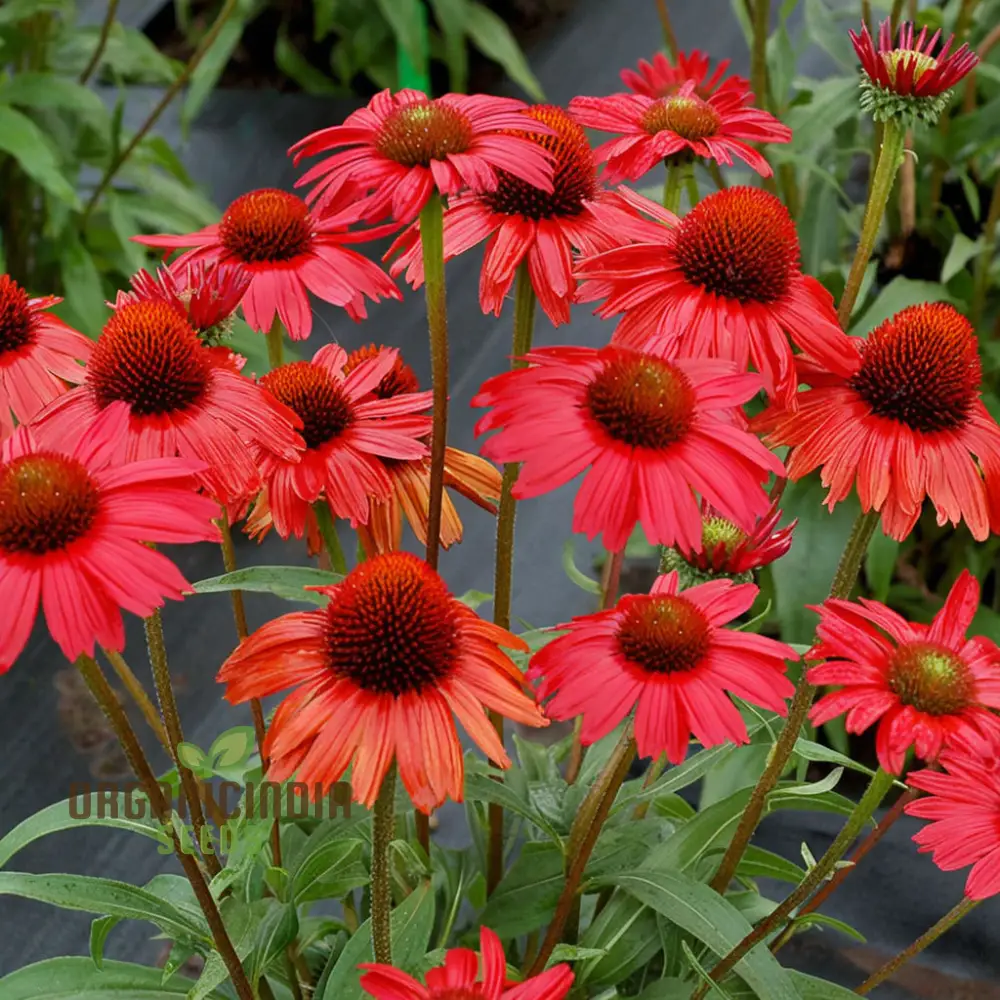
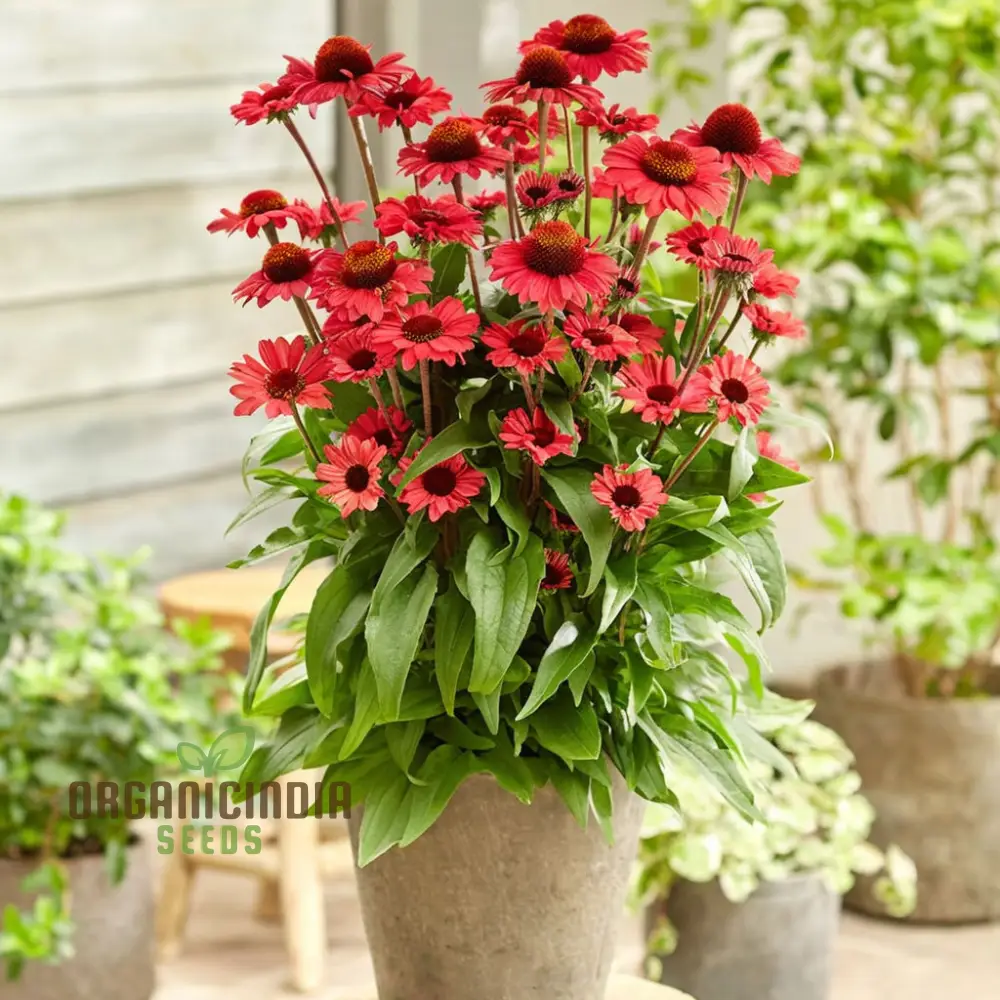
Red Echinacea Flower Seeds – A Comprehensive Guide to Planting and Gardening Success
Key Features
- Scientific Name: Echinacea purpurea (Red Variety)
- Common Name: Red Coneflower
- Plant Type: Herbaceous Perennial
- Mature Height: 2-4 feet
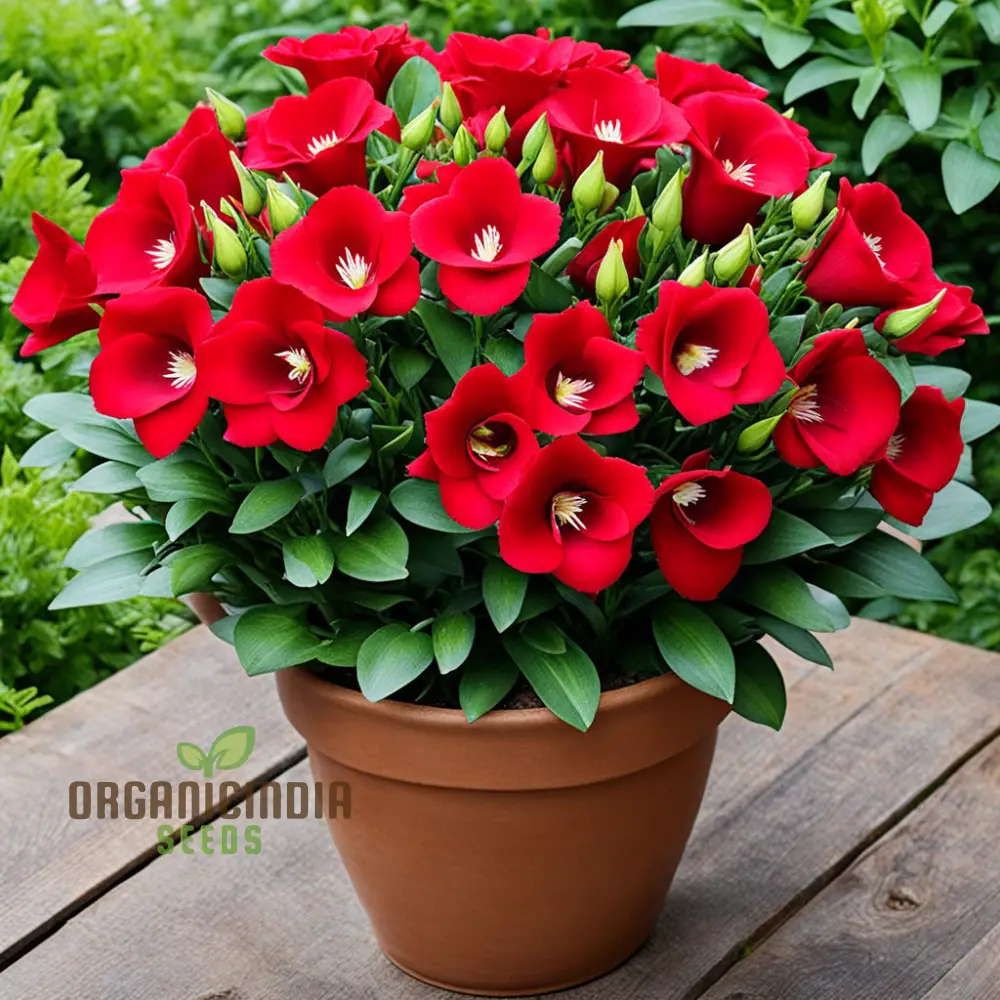
- Bloom Colors: Vibrant red
- Sun Requirements: Full sun (6+ hours of direct sunlight daily)
- Soil Type: Well-draining, loamy or sandy soil with a pH of 6.0-7.0
- Watering Needs: Drought-tolerant once established; moderate watering needed for young plants
- Blooming Season: Summer to early fall
- Pollinator-Friendly: Attracts bees, butterflies, and hummingbirds
Why Choose Red Echinacea?
- Stunning red blooms that add bold color to any garden
- Low-maintenance and highly resilient to various weather conditions
- Excellent for attracting pollinators and beneficial insects
- Ideal for perennial flower beds, borders, and wildflower gardens
- Known for potential medicinal benefits in herbal gardening
Planting & Care Instructions
Seed Preparation & Germination
- Stratification Recommended:
- Store seeds in a moist paper towel inside a sealed bag in the refrigerator for 2-4 weeks to improve germination
- Sowing Instructions:
- Sow seeds ¼ inch (6 mm) deep in seed trays or directly in garden soil after the last frost
- Maintain a temperature of 65-75°F (18-24°C) for optimal germination
- Germination time: 10-20 days
Growing & Maintenance
- Transplanting: Once seedlings have 2-3 sets of true leaves, transplant them into well-draining soil with proper spacing
- Spacing: Keep plants 12-18 inches apart for optimal air circulation
- Watering: Water moderately; allow the soil to dry between watering sessions
- Fertilization: Apply a balanced organic fertilizer once a month during the growing season
- Pruning: Deadhead spent blooms to encourage continuous flowering
- Winter Care: Cut back stems in late fall or early spring to promote fresh growth
Perfect For
- Vibrant and long-lasting flower beds
- Pollinator gardens and butterfly habitats
- Drought-tolerant and low-maintenance landscapes
- Herbal and medicinal gardens
Start Growing Your Own Stunning Red Echinacea Today!
Select Size
From $5.95
Original: $16.99
-65%Red Echinacea Flower Seeds, A Comprehensive Guide to Planting and Gardening Success—
$16.99
$5.95More Images
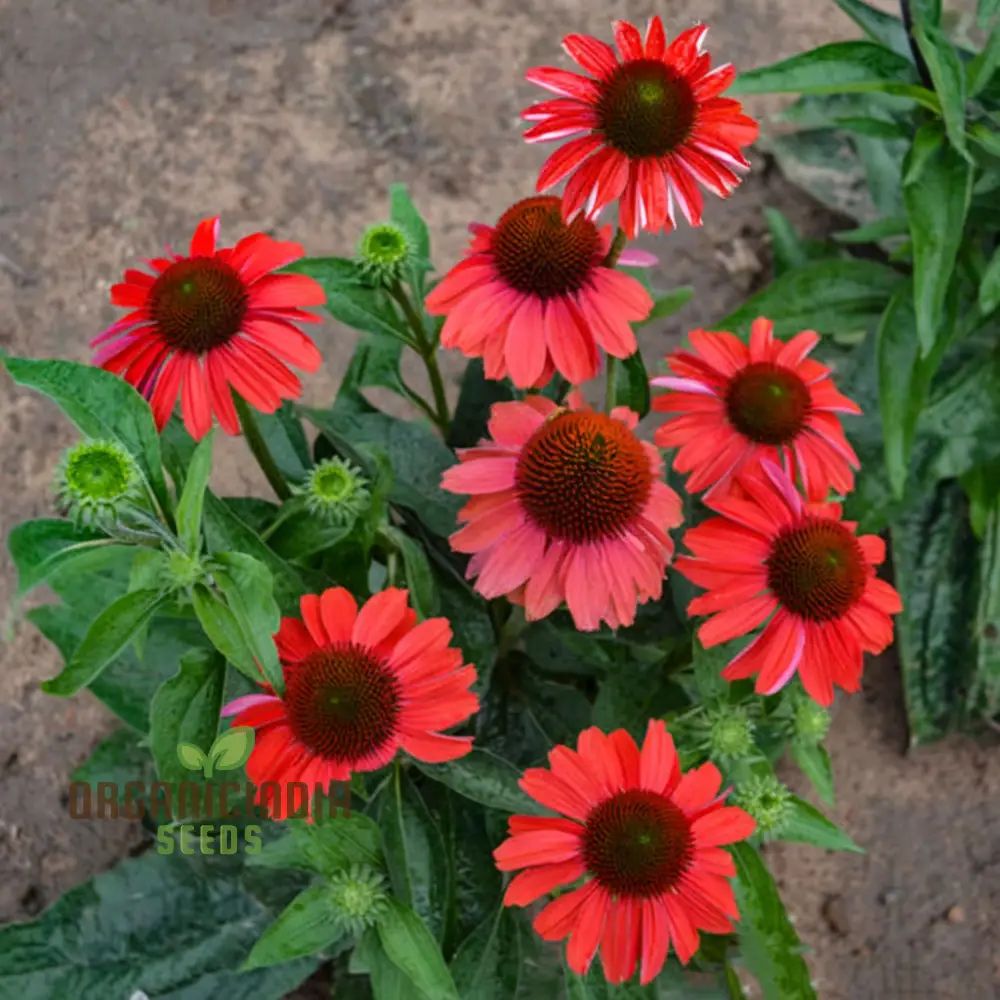
Red Echinacea Flower Seeds, A Comprehensive Guide to Planting and Gardening Success
Red Echinacea Flower Seeds – A Comprehensive Guide to Planting and Gardening Success
Key Features
- Scientific Name: Echinacea purpurea (Red Variety)
- Common Name: Red Coneflower
- Plant Type: Herbaceous Perennial
- Mature Height: 2-4 feet
- Bloom Colors: Vibrant red
- Sun Requirements: Full sun (6+ hours of direct sunlight daily)
- Soil Type: Well-draining, loamy or sandy soil with a pH of 6.0-7.0
- Watering Needs: Drought-tolerant once established; moderate watering needed for young plants
- Blooming Season: Summer to early fall
- Pollinator-Friendly: Attracts bees, butterflies, and hummingbirds
Why Choose Red Echinacea?
- Stunning red blooms that add bold color to any garden
- Low-maintenance and highly resilient to various weather conditions
- Excellent for attracting pollinators and beneficial insects
- Ideal for perennial flower beds, borders, and wildflower gardens
- Known for potential medicinal benefits in herbal gardening
Planting & Care Instructions
Seed Preparation & Germination
- Stratification Recommended:
- Store seeds in a moist paper towel inside a sealed bag in the refrigerator for 2-4 weeks to improve germination
- Sowing Instructions:
- Sow seeds ¼ inch (6 mm) deep in seed trays or directly in garden soil after the last frost
- Maintain a temperature of 65-75°F (18-24°C) for optimal germination
- Germination time: 10-20 days
Growing & Maintenance
- Transplanting: Once seedlings have 2-3 sets of true leaves, transplant them into well-draining soil with proper spacing
- Spacing: Keep plants 12-18 inches apart for optimal air circulation
- Watering: Water moderately; allow the soil to dry between watering sessions
- Fertilization: Apply a balanced organic fertilizer once a month during the growing season
- Pruning: Deadhead spent blooms to encourage continuous flowering
- Winter Care: Cut back stems in late fall or early spring to promote fresh growth
Perfect For
- Vibrant and long-lasting flower beds
- Pollinator gardens and butterfly habitats
- Drought-tolerant and low-maintenance landscapes
- Herbal and medicinal gardens
Start Growing Your Own Stunning Red Echinacea Today!
Product Information
Product Information
Shipping & Returns
Shipping & Returns
Description
Red Echinacea Flower Seeds – A Comprehensive Guide to Planting and Gardening Success
Key Features
- Scientific Name: Echinacea purpurea (Red Variety)
- Common Name: Red Coneflower
- Plant Type: Herbaceous Perennial
- Mature Height: 2-4 feet
- Bloom Colors: Vibrant red
- Sun Requirements: Full sun (6+ hours of direct sunlight daily)
- Soil Type: Well-draining, loamy or sandy soil with a pH of 6.0-7.0
- Watering Needs: Drought-tolerant once established; moderate watering needed for young plants
- Blooming Season: Summer to early fall
- Pollinator-Friendly: Attracts bees, butterflies, and hummingbirds
Why Choose Red Echinacea?
- Stunning red blooms that add bold color to any garden
- Low-maintenance and highly resilient to various weather conditions
- Excellent for attracting pollinators and beneficial insects
- Ideal for perennial flower beds, borders, and wildflower gardens
- Known for potential medicinal benefits in herbal gardening
Planting & Care Instructions
Seed Preparation & Germination
- Stratification Recommended:
- Store seeds in a moist paper towel inside a sealed bag in the refrigerator for 2-4 weeks to improve germination
- Sowing Instructions:
- Sow seeds ¼ inch (6 mm) deep in seed trays or directly in garden soil after the last frost
- Maintain a temperature of 65-75°F (18-24°C) for optimal germination
- Germination time: 10-20 days
Growing & Maintenance
- Transplanting: Once seedlings have 2-3 sets of true leaves, transplant them into well-draining soil with proper spacing
- Spacing: Keep plants 12-18 inches apart for optimal air circulation
- Watering: Water moderately; allow the soil to dry between watering sessions
- Fertilization: Apply a balanced organic fertilizer once a month during the growing season
- Pruning: Deadhead spent blooms to encourage continuous flowering
- Winter Care: Cut back stems in late fall or early spring to promote fresh growth
Perfect For
- Vibrant and long-lasting flower beds
- Pollinator gardens and butterfly habitats
- Drought-tolerant and low-maintenance landscapes
- Herbal and medicinal gardens