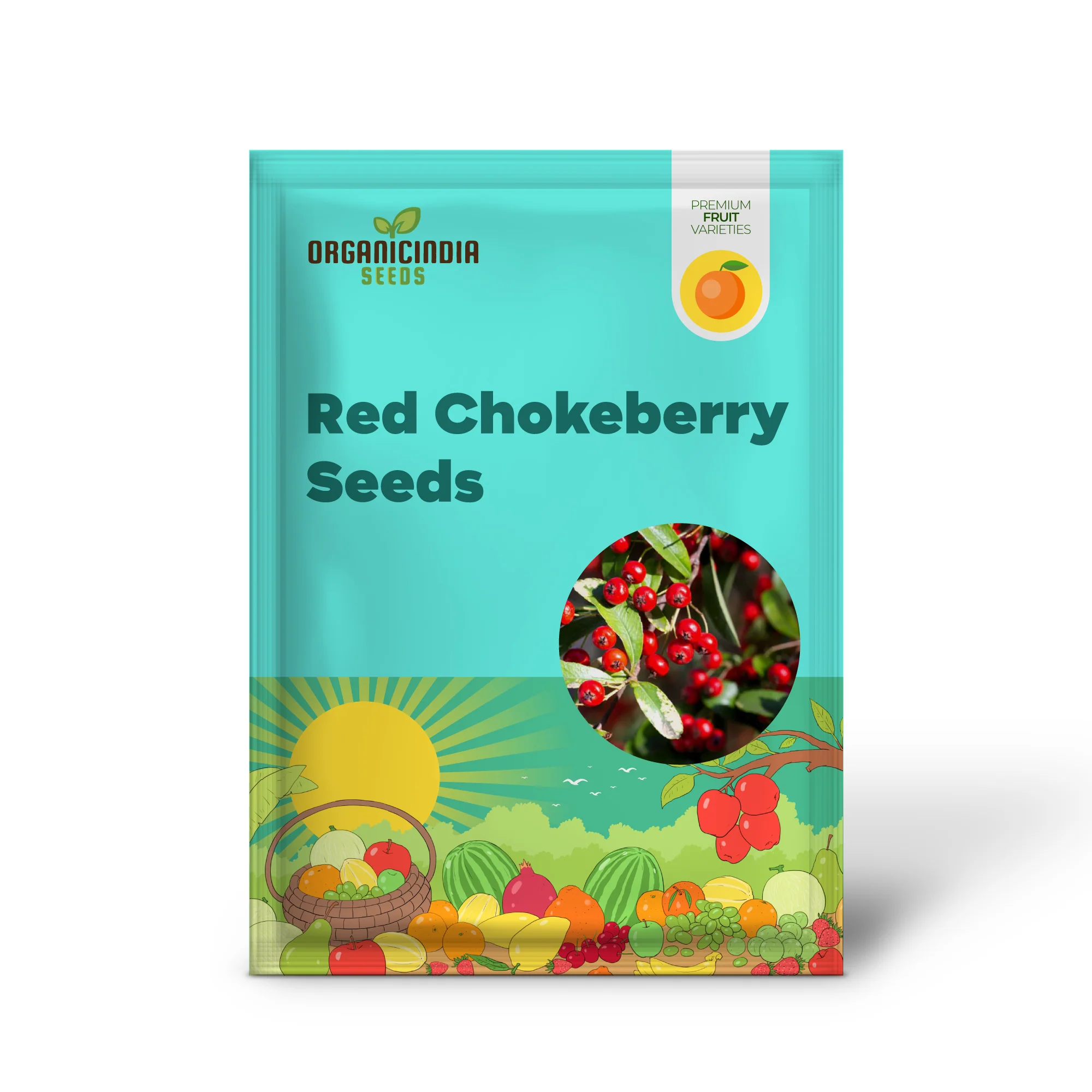
Red Chokeberry (Aronia arbutifolia) – Shrub Seeds with White Flower & Fruit
Key Features:
-
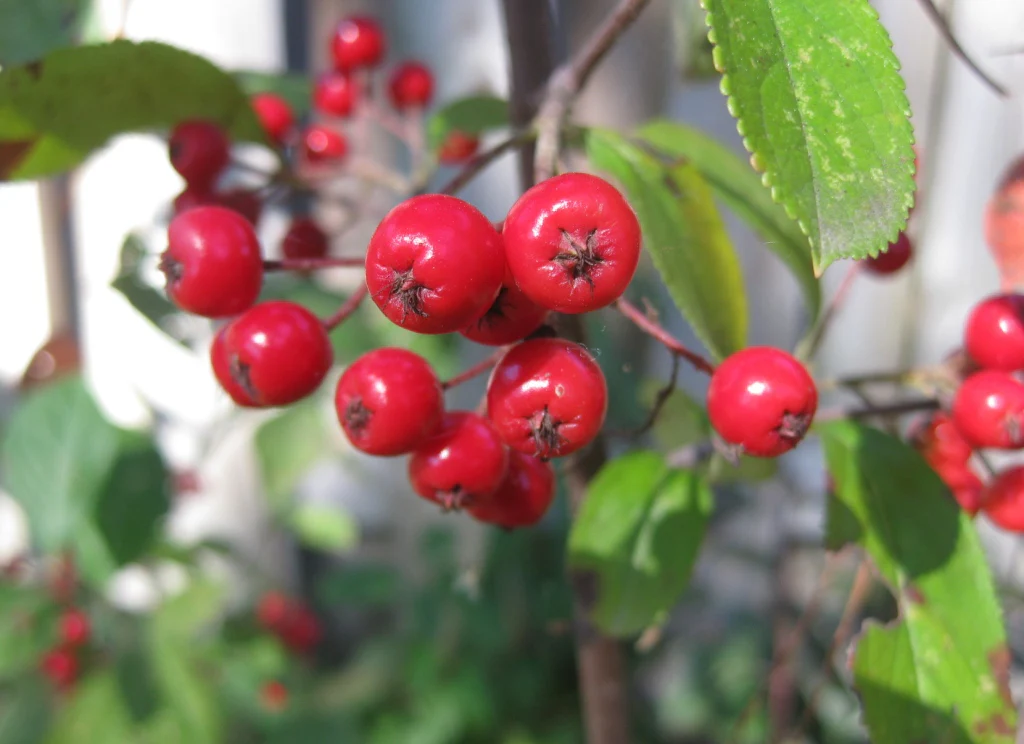
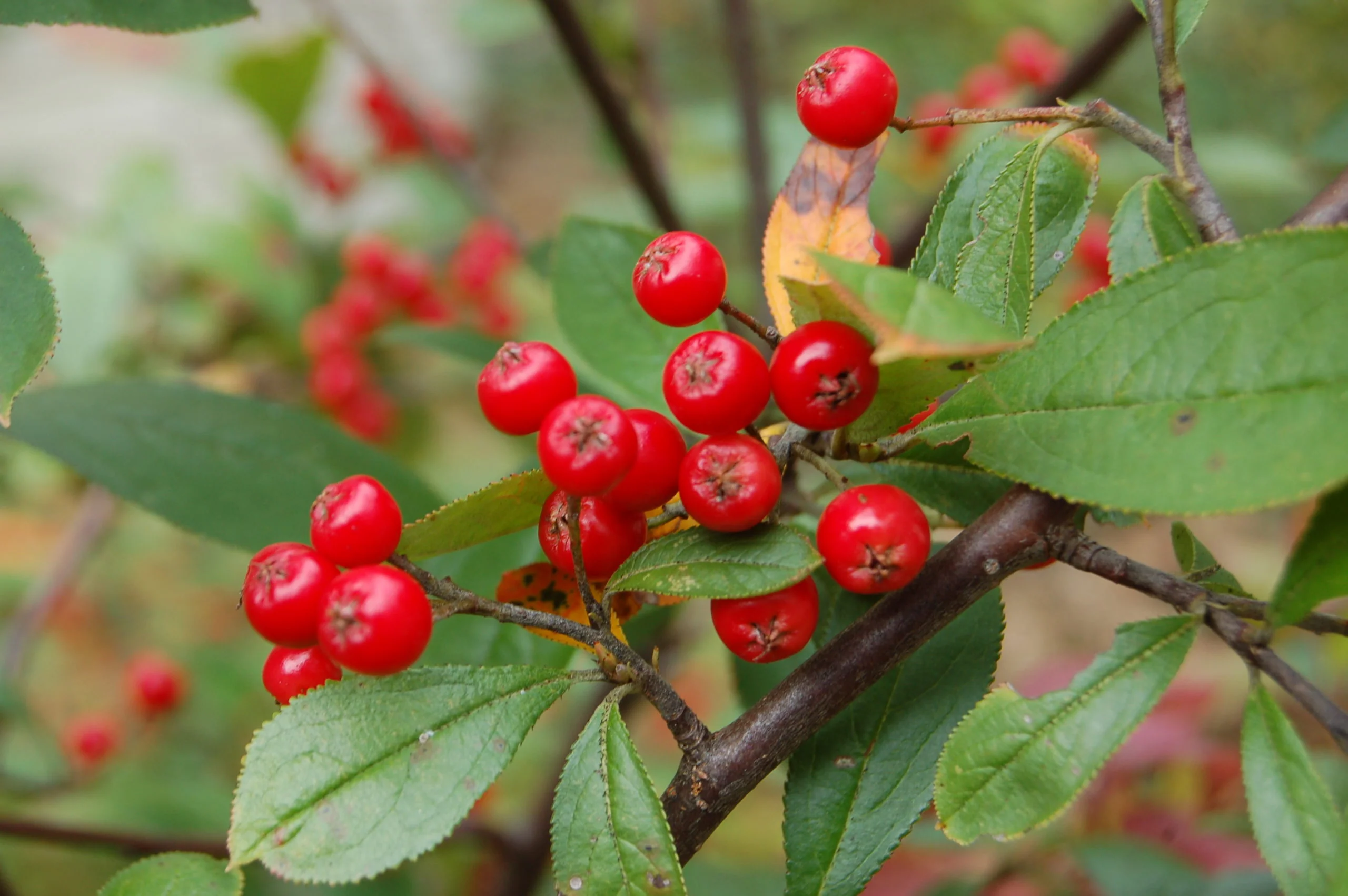
Attractive Ornamental Shrub: Displays clusters of white flowers in spring and brilliant red berries in fall.
-
Edible & Wildlife-Friendly: Fruits are rich in antioxidants and attract birds, bees, and butterflies.
-
Non-GMO & Heirloom Quality: Naturally sourced, ideal for sustainable and organic gardens.
-
Cold Hardy & Adaptable: Grows well in a wide range of climates and soil types.
-
Seasonal Color Display: Offers stunning fall foliage in shades of red and orange.
-
Low Maintenance: Drought-tolerant once established; perfect for naturalized plantings and hedges.
Specifications:
-
Scientific Name: Aronia arbutifolia
-
Common Name (US): Red Chokeberry
-
Plant Type: Deciduous Fruiting Shrub
-
Growth Height: 6–10 feet (1.8–3 m)
-
USDA Hardiness Zones: 4–9
-
Sun Exposure: Full Sun to Partial Shade
-
Soil Type: Moist, well-drained, acidic soil preferred
-
Soil pH: 5.0–6.5 (slightly acidic)
-
Water Requirements: Moderate; tolerates brief flooding or drought once mature
-
Bloom Season: Spring (clusters of white flowers)
-
Fruit Season: Fall (vibrant red berries)
-
Seed Type: Non-GMO, Heirloom Variety
-
Temperature for Germination: 65–75°F (18–24°C)
-
Germination Time: 30–90 days (requires cold stratification)
-
Planting Depth: ¼ inch (6 mm)
-
Spacing: 3–5 feet apart
-
Pollination: Self-fertile
-
Lifespan: Long-lived perennial shrub
-
Uses: Ornamental landscaping, wildlife gardens, edible berries for jams and juices
Planting Guide:
-
Seed Preparation: Stratify seeds for 90 days in moist sand or peat at 35–40°F (2–4°C).
-
Sowing: After stratification, plant ¼ inch deep in fertile, well-drained soil.
-
Temperature & Light: Maintain 65–75°F and provide bright, indirect sunlight.
-
Transplanting: Move seedlings outdoors after the last frost, spacing 3–5 feet apart.
-
Watering: Keep soil evenly moist during establishment.
-
Fertilization: Apply organic compost or balanced fertilizer annually in early spring.
-
Pruning: Trim lightly after flowering to maintain shape and promote healthy growth.
More Images
Red Chokeberry (Aronia arbutifolia) – Shrub Seeds with White Flower & Fruit
Key Features:
-
Attractive Ornamental Shrub: Displays clusters of white flowers in spring and brilliant red berries in fall.
-
Edible & Wildlife-Friendly: Fruits are rich in antioxidants and attract birds, bees, and butterflies.
-
Non-GMO & Heirloom Quality: Naturally sourced, ideal for sustainable and organic gardens.
-
Cold Hardy & Adaptable: Grows well in a wide range of climates and soil types.
-
Seasonal Color Display: Offers stunning fall foliage in shades of red and orange.
-
Low Maintenance: Drought-tolerant once established; perfect for naturalized plantings and hedges.
Specifications:
-
Scientific Name: Aronia arbutifolia
-
Common Name (US): Red Chokeberry
-
Plant Type: Deciduous Fruiting Shrub
-
Growth Height: 6–10 feet (1.8–3 m)
-
USDA Hardiness Zones: 4–9
-
Sun Exposure: Full Sun to Partial Shade
-
Soil Type: Moist, well-drained, acidic soil preferred
-
Soil pH: 5.0–6.5 (slightly acidic)
-
Water Requirements: Moderate; tolerates brief flooding or drought once mature
-
Bloom Season: Spring (clusters of white flowers)
-
Fruit Season: Fall (vibrant red berries)
-
Seed Type: Non-GMO, Heirloom Variety
-
Temperature for Germination: 65–75°F (18–24°C)
-
Germination Time: 30–90 days (requires cold stratification)
-
Planting Depth: ¼ inch (6 mm)
-
Spacing: 3–5 feet apart
-
Pollination: Self-fertile
-
Lifespan: Long-lived perennial shrub
-
Uses: Ornamental landscaping, wildlife gardens, edible berries for jams and juices
Planting Guide:
-
Seed Preparation: Stratify seeds for 90 days in moist sand or peat at 35–40°F (2–4°C).
-
Sowing: After stratification, plant ¼ inch deep in fertile, well-drained soil.
-
Temperature & Light: Maintain 65–75°F and provide bright, indirect sunlight.
-
Transplanting: Move seedlings outdoors after the last frost, spacing 3–5 feet apart.
-
Watering: Keep soil evenly moist during establishment.
-
Fertilization: Apply organic compost or balanced fertilizer annually in early spring.
-
Pruning: Trim lightly after flowering to maintain shape and promote healthy growth.
Product Information
Product Information
Shipping & Returns
Shipping & Returns
Description
Key Features:
-
Attractive Ornamental Shrub: Displays clusters of white flowers in spring and brilliant red berries in fall.
-
Edible & Wildlife-Friendly: Fruits are rich in antioxidants and attract birds, bees, and butterflies.
-
Non-GMO & Heirloom Quality: Naturally sourced, ideal for sustainable and organic gardens.
-
Cold Hardy & Adaptable: Grows well in a wide range of climates and soil types.
-
Seasonal Color Display: Offers stunning fall foliage in shades of red and orange.
-
Low Maintenance: Drought-tolerant once established; perfect for naturalized plantings and hedges.
Specifications:
-
Scientific Name: Aronia arbutifolia
-
Common Name (US): Red Chokeberry
-
Plant Type: Deciduous Fruiting Shrub
-
Growth Height: 6–10 feet (1.8–3 m)
-
USDA Hardiness Zones: 4–9
-
Sun Exposure: Full Sun to Partial Shade
-
Soil Type: Moist, well-drained, acidic soil preferred
-
Soil pH: 5.0–6.5 (slightly acidic)
-
Water Requirements: Moderate; tolerates brief flooding or drought once mature
-
Bloom Season: Spring (clusters of white flowers)
-
Fruit Season: Fall (vibrant red berries)
-
Seed Type: Non-GMO, Heirloom Variety
-
Temperature for Germination: 65–75°F (18–24°C)
-
Germination Time: 30–90 days (requires cold stratification)
-
Planting Depth: ¼ inch (6 mm)
-
Spacing: 3–5 feet apart
-
Pollination: Self-fertile
-
Lifespan: Long-lived perennial shrub
-
Uses: Ornamental landscaping, wildlife gardens, edible berries for jams and juices
Planting Guide:
-
Seed Preparation: Stratify seeds for 90 days in moist sand or peat at 35–40°F (2–4°C).
-
Sowing: After stratification, plant ¼ inch deep in fertile, well-drained soil.
-
Temperature & Light: Maintain 65–75°F and provide bright, indirect sunlight.
-
Transplanting: Move seedlings outdoors after the last frost, spacing 3–5 feet apart.
-
Watering: Keep soil evenly moist during establishment.
-
Fertilization: Apply organic compost or balanced fertilizer annually in early spring.
-
Pruning: Trim lightly after flowering to maintain shape and promote healthy growth.