Rare Aquilegia Discolor Flower Seeds | Exotic Gardening Perennial Plant Seed for Home Garden
Rare Aquilegia Discolor Flower Seeds | Exotic Gardening Perennial Plant Seed for Home Garden
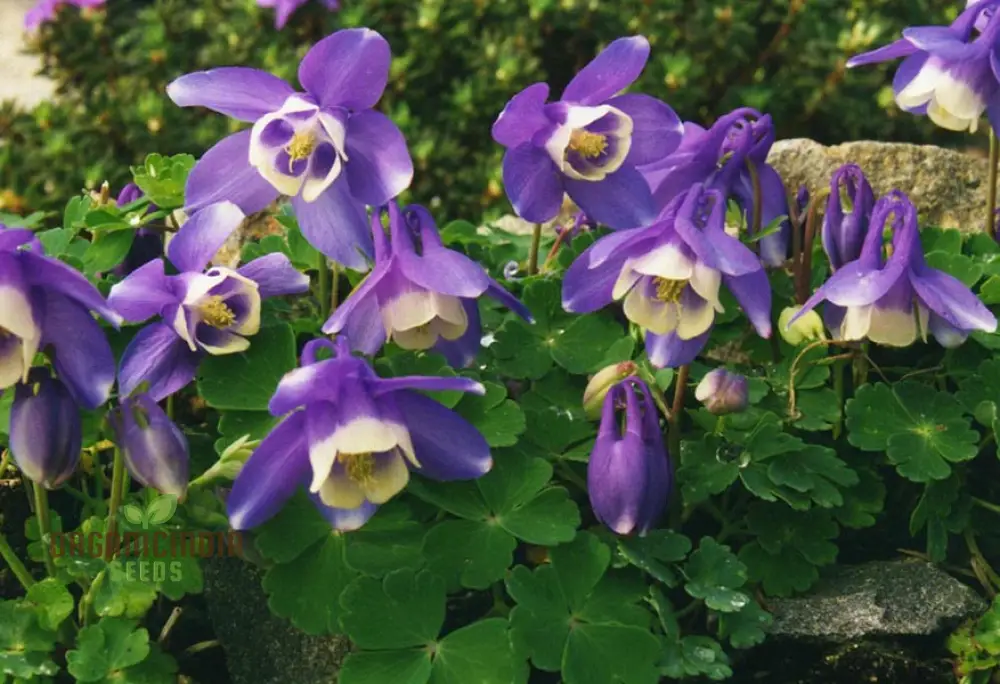
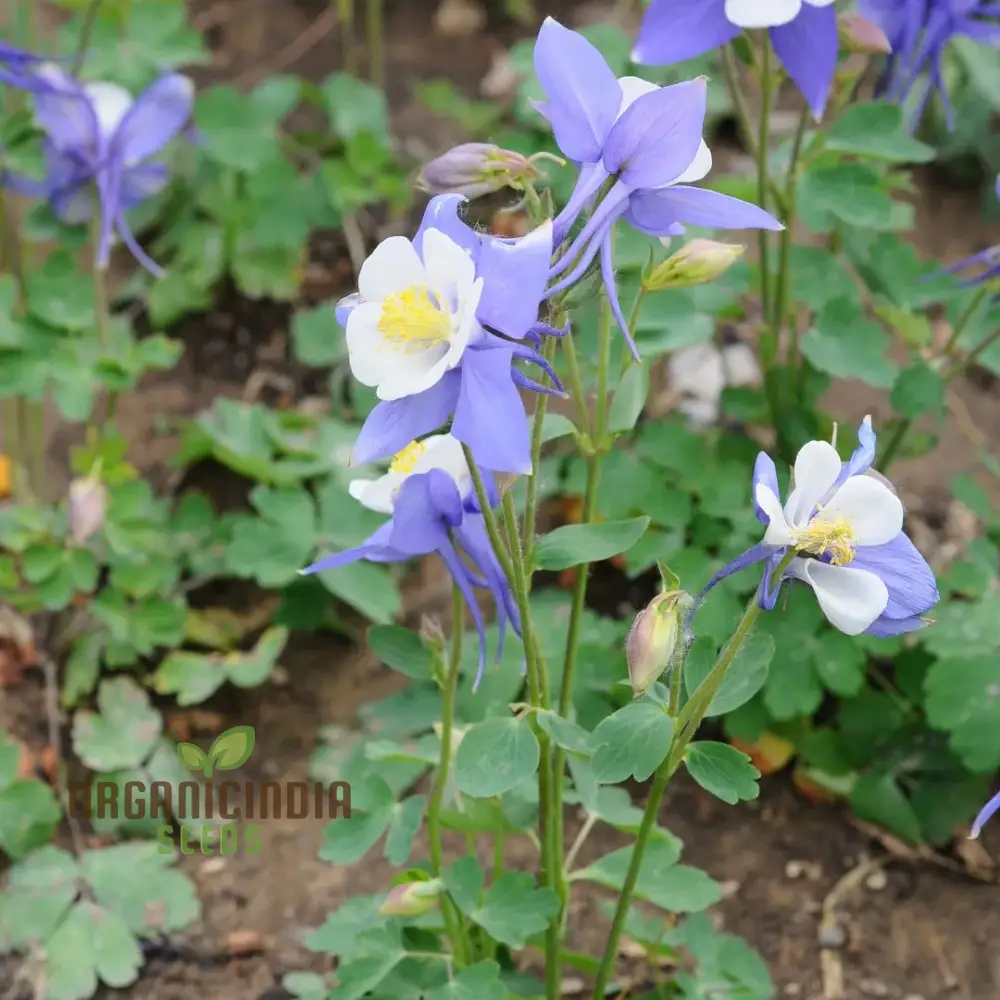
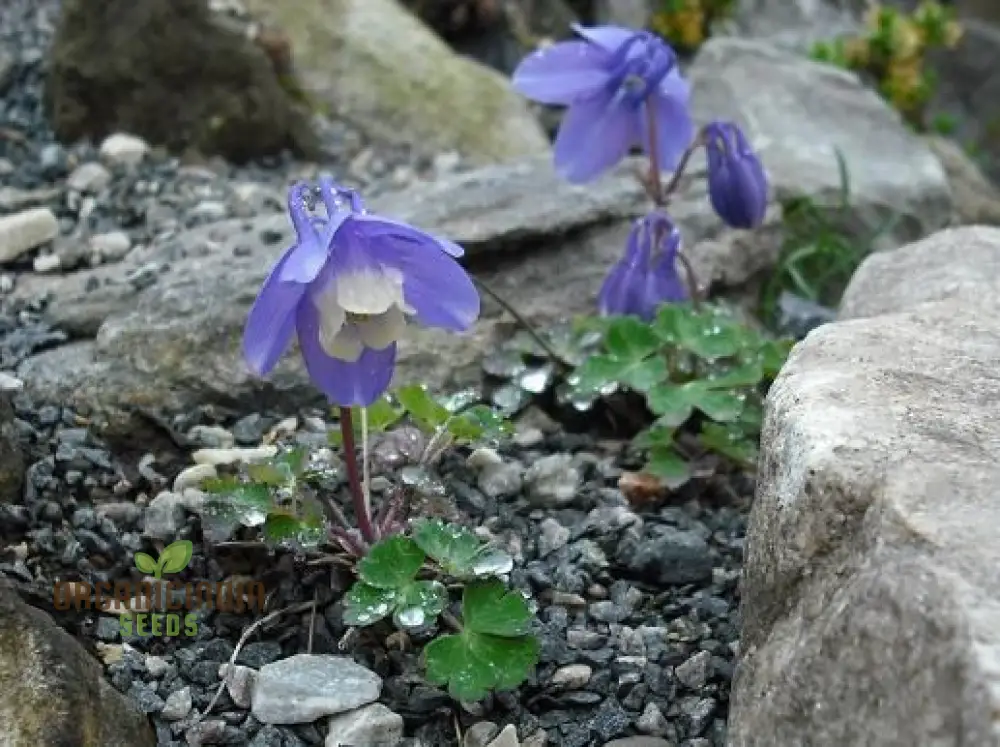
Rare Aquilegia Discolor Flower Seeds are a fantastic choice for gardeners looking to add an exotic touch to their garden. Known for its unique, bi-colored flowers, this perennial plant thrives in a variety of conditions and brings an air of elegance to any landscape.
Key Features:
- Scientific Name: Aquilegia discolor
- Common Name: Columbine, Rare Aquilegia Discolor
- Bloom Color: Features striking bi-colored flowers with hues of purple, blue, and white that contrast beautifully against the foliage.
- Plant Type: Perennial
- Sun Requirements: Partial to full shade
- Soil Type: Well-draining, slightly acidic to neutral soil
- Watering Needs: Moderate; prefers evenly moist but well-drained soil
- Growth Habit: Upright with a bushy appearance, forming attractive clusters of flowers
- Height & Spread: Grows 12-24 inches tall with a spread of 12-18 inches
- Hardiness Zones: USDA Zones 4-9
Why Grow Aquilegia Discolor?
- Exotic Appearance: Known for its showy, bi-colored flowers, Aquilegia Discolor adds a unique and exotic touch to any garden.
- Attracts Pollinators: The vibrant flowers attract bees, hummingbirds, and butterflies, making it a great addition to pollinator-friendly gardens.
- Long-Lasting Blooms: Aquilegia Discolor typically blooms from late spring to early summer, providing vibrant colors for several weeks.
- Low Maintenance: This perennial is relatively low-maintenance, making it ideal for gardeners looking for beauty with minimal effort.
- Shade Tolerant: Aquilegia thrives in partial to full shade, making it an excellent choice for areas with dappled sunlight or under the canopy of larger plants.
Planting & Care Instructions:
-
Seed Preparation & Sowing:
- Cold Stratification: Aquilegia seeds benefit from cold stratification before planting to improve germination rates. To do this, place the seeds in a sealed plastic bag with a moist paper towel and refrigerate for 2-4 weeks before sowing.
- Sowing Indoors: After stratification, sow the seeds indoors 6-8 weeks before the last frost. Plant the seeds on the surface of moist, well-draining seed-starting mix, as they need light to germinate.
- Temperature & Lighting: Keep the seeds in a warm location with temperatures around 60-70°F (15-21°C) and provide bright, indirect light. Germination typically occurs within 14-21 days.
- Direct Sowing Outdoors: Once the danger of frost has passed, you can sow seeds directly outdoors. Prepare the soil by ensuring it’s well-draining and slightly acidic, and keep it moist until germination occurs.
-
Transplanting & Growth:
- Transplanting: Once the seedlings are large enough to handle and have developed a few sets of true leaves, transplant them outdoors after the last frost.
- Spacing: Space the plants 12-18 inches apart to allow for their spreading growth.
- Sunlight: Aquilegia Discolor thrives in partial to full shade, making it perfect for shaded garden beds, woodland gardens, or beneath taller plants.
- Soil: Aquilegia prefers slightly acidic to neutral soil that is rich in organic matter and well-draining.
-
Maintenance:
- Watering: Keep the soil evenly moist but not soggy. Aquilegia prefers consistent moisture, especially during the growing season.
- Fertilization: Apply a balanced, slow-release fertilizer in the spring to support growth and blooming. Avoid over-fertilizing, as this can lead to leggy growth.
- Deadheading: Remove spent flowers regularly to encourage continued blooming and to keep the plant looking tidy.
- Pruning: After flowering, trim back any spent stems to maintain a neat appearance. Aquilegia does not require heavy pruning.
-
Winter Care:
- Cold Climates: Aquilegia Discolor is a hardy perennial, but in colder climates, mulch around the base of the plant to protect it from freezing temperatures. This helps the plant survive winter and emerge stronger in spring.
- Mild Climates: In milder climates (Zones 7-9), Aquilegia Discolor may retain its foliage year-round, though it may die back in winter and regrow in spring.
Ideal For:
- Woodland Gardens: Aquilegia Discolor thrives in shaded areas, making it an excellent choice for woodland or shaded garden beds.
- Pollinator Gardens: The vibrant flowers attract pollinators like bees, butterflies, and hummingbirds.
- Borders & Edging: It’s perfect for planting along borders, garden edges, or mixed perennial beds where its unique flowers can be admired up close.
- Containers & Pots: Aquilegia Discolor can also be grown in containers, making it ideal for smaller garden spaces, patios, or balconies.
Aquilegia Discolor Flower Seeds are a wonderful choice for gardeners looking to add a touch of the exotic to their landscape. With its unique flowers, shade tolerance, and low-maintenance care, it’s a perfect addition to a variety of garden settings. Plant these seeds and enjoy their beauty for years to come!
Original: $16.99
-65%$16.99
$5.95More Images

Rare Aquilegia Discolor Flower Seeds | Exotic Gardening Perennial Plant Seed for Home Garden
Rare Aquilegia Discolor Flower Seeds are a fantastic choice for gardeners looking to add an exotic touch to their garden. Known for its unique, bi-colored flowers, this perennial plant thrives in a variety of conditions and brings an air of elegance to any landscape.
Key Features:
- Scientific Name: Aquilegia discolor
- Common Name: Columbine, Rare Aquilegia Discolor
- Bloom Color: Features striking bi-colored flowers with hues of purple, blue, and white that contrast beautifully against the foliage.
- Plant Type: Perennial
- Sun Requirements: Partial to full shade
- Soil Type: Well-draining, slightly acidic to neutral soil
- Watering Needs: Moderate; prefers evenly moist but well-drained soil
- Growth Habit: Upright with a bushy appearance, forming attractive clusters of flowers
- Height & Spread: Grows 12-24 inches tall with a spread of 12-18 inches
- Hardiness Zones: USDA Zones 4-9
Why Grow Aquilegia Discolor?
- Exotic Appearance: Known for its showy, bi-colored flowers, Aquilegia Discolor adds a unique and exotic touch to any garden.
- Attracts Pollinators: The vibrant flowers attract bees, hummingbirds, and butterflies, making it a great addition to pollinator-friendly gardens.
- Long-Lasting Blooms: Aquilegia Discolor typically blooms from late spring to early summer, providing vibrant colors for several weeks.
- Low Maintenance: This perennial is relatively low-maintenance, making it ideal for gardeners looking for beauty with minimal effort.
- Shade Tolerant: Aquilegia thrives in partial to full shade, making it an excellent choice for areas with dappled sunlight or under the canopy of larger plants.
Planting & Care Instructions:
-
Seed Preparation & Sowing:
- Cold Stratification: Aquilegia seeds benefit from cold stratification before planting to improve germination rates. To do this, place the seeds in a sealed plastic bag with a moist paper towel and refrigerate for 2-4 weeks before sowing.
- Sowing Indoors: After stratification, sow the seeds indoors 6-8 weeks before the last frost. Plant the seeds on the surface of moist, well-draining seed-starting mix, as they need light to germinate.
- Temperature & Lighting: Keep the seeds in a warm location with temperatures around 60-70°F (15-21°C) and provide bright, indirect light. Germination typically occurs within 14-21 days.
- Direct Sowing Outdoors: Once the danger of frost has passed, you can sow seeds directly outdoors. Prepare the soil by ensuring it’s well-draining and slightly acidic, and keep it moist until germination occurs.
-
Transplanting & Growth:
- Transplanting: Once the seedlings are large enough to handle and have developed a few sets of true leaves, transplant them outdoors after the last frost.
- Spacing: Space the plants 12-18 inches apart to allow for their spreading growth.
- Sunlight: Aquilegia Discolor thrives in partial to full shade, making it perfect for shaded garden beds, woodland gardens, or beneath taller plants.
- Soil: Aquilegia prefers slightly acidic to neutral soil that is rich in organic matter and well-draining.
-
Maintenance:
- Watering: Keep the soil evenly moist but not soggy. Aquilegia prefers consistent moisture, especially during the growing season.
- Fertilization: Apply a balanced, slow-release fertilizer in the spring to support growth and blooming. Avoid over-fertilizing, as this can lead to leggy growth.
- Deadheading: Remove spent flowers regularly to encourage continued blooming and to keep the plant looking tidy.
- Pruning: After flowering, trim back any spent stems to maintain a neat appearance. Aquilegia does not require heavy pruning.
-
Winter Care:
- Cold Climates: Aquilegia Discolor is a hardy perennial, but in colder climates, mulch around the base of the plant to protect it from freezing temperatures. This helps the plant survive winter and emerge stronger in spring.
- Mild Climates: In milder climates (Zones 7-9), Aquilegia Discolor may retain its foliage year-round, though it may die back in winter and regrow in spring.
Ideal For:
- Woodland Gardens: Aquilegia Discolor thrives in shaded areas, making it an excellent choice for woodland or shaded garden beds.
- Pollinator Gardens: The vibrant flowers attract pollinators like bees, butterflies, and hummingbirds.
- Borders & Edging: It’s perfect for planting along borders, garden edges, or mixed perennial beds where its unique flowers can be admired up close.
- Containers & Pots: Aquilegia Discolor can also be grown in containers, making it ideal for smaller garden spaces, patios, or balconies.
Aquilegia Discolor Flower Seeds are a wonderful choice for gardeners looking to add a touch of the exotic to their landscape. With its unique flowers, shade tolerance, and low-maintenance care, it’s a perfect addition to a variety of garden settings. Plant these seeds and enjoy their beauty for years to come!
Product Information
Product Information
Shipping & Returns
Shipping & Returns
Description
Rare Aquilegia Discolor Flower Seeds are a fantastic choice for gardeners looking to add an exotic touch to their garden. Known for its unique, bi-colored flowers, this perennial plant thrives in a variety of conditions and brings an air of elegance to any landscape.
Key Features:
- Scientific Name: Aquilegia discolor
- Common Name: Columbine, Rare Aquilegia Discolor
- Bloom Color: Features striking bi-colored flowers with hues of purple, blue, and white that contrast beautifully against the foliage.
- Plant Type: Perennial
- Sun Requirements: Partial to full shade
- Soil Type: Well-draining, slightly acidic to neutral soil
- Watering Needs: Moderate; prefers evenly moist but well-drained soil
- Growth Habit: Upright with a bushy appearance, forming attractive clusters of flowers
- Height & Spread: Grows 12-24 inches tall with a spread of 12-18 inches
- Hardiness Zones: USDA Zones 4-9
Why Grow Aquilegia Discolor?
- Exotic Appearance: Known for its showy, bi-colored flowers, Aquilegia Discolor adds a unique and exotic touch to any garden.
- Attracts Pollinators: The vibrant flowers attract bees, hummingbirds, and butterflies, making it a great addition to pollinator-friendly gardens.
- Long-Lasting Blooms: Aquilegia Discolor typically blooms from late spring to early summer, providing vibrant colors for several weeks.
- Low Maintenance: This perennial is relatively low-maintenance, making it ideal for gardeners looking for beauty with minimal effort.
- Shade Tolerant: Aquilegia thrives in partial to full shade, making it an excellent choice for areas with dappled sunlight or under the canopy of larger plants.
Planting & Care Instructions:
-
Seed Preparation & Sowing:
- Cold Stratification: Aquilegia seeds benefit from cold stratification before planting to improve germination rates. To do this, place the seeds in a sealed plastic bag with a moist paper towel and refrigerate for 2-4 weeks before sowing.
- Sowing Indoors: After stratification, sow the seeds indoors 6-8 weeks before the last frost. Plant the seeds on the surface of moist, well-draining seed-starting mix, as they need light to germinate.
- Temperature & Lighting: Keep the seeds in a warm location with temperatures around 60-70°F (15-21°C) and provide bright, indirect light. Germination typically occurs within 14-21 days.
- Direct Sowing Outdoors: Once the danger of frost has passed, you can sow seeds directly outdoors. Prepare the soil by ensuring it’s well-draining and slightly acidic, and keep it moist until germination occurs.
-
Transplanting & Growth:
- Transplanting: Once the seedlings are large enough to handle and have developed a few sets of true leaves, transplant them outdoors after the last frost.
- Spacing: Space the plants 12-18 inches apart to allow for their spreading growth.
- Sunlight: Aquilegia Discolor thrives in partial to full shade, making it perfect for shaded garden beds, woodland gardens, or beneath taller plants.
- Soil: Aquilegia prefers slightly acidic to neutral soil that is rich in organic matter and well-draining.
-
Maintenance:
- Watering: Keep the soil evenly moist but not soggy. Aquilegia prefers consistent moisture, especially during the growing season.
- Fertilization: Apply a balanced, slow-release fertilizer in the spring to support growth and blooming. Avoid over-fertilizing, as this can lead to leggy growth.
- Deadheading: Remove spent flowers regularly to encourage continued blooming and to keep the plant looking tidy.
- Pruning: After flowering, trim back any spent stems to maintain a neat appearance. Aquilegia does not require heavy pruning.
-
Winter Care:
- Cold Climates: Aquilegia Discolor is a hardy perennial, but in colder climates, mulch around the base of the plant to protect it from freezing temperatures. This helps the plant survive winter and emerge stronger in spring.
- Mild Climates: In milder climates (Zones 7-9), Aquilegia Discolor may retain its foliage year-round, though it may die back in winter and regrow in spring.
Ideal For:
- Woodland Gardens: Aquilegia Discolor thrives in shaded areas, making it an excellent choice for woodland or shaded garden beds.
- Pollinator Gardens: The vibrant flowers attract pollinators like bees, butterflies, and hummingbirds.
- Borders & Edging: It’s perfect for planting along borders, garden edges, or mixed perennial beds where its unique flowers can be admired up close.
- Containers & Pots: Aquilegia Discolor can also be grown in containers, making it ideal for smaller garden spaces, patios, or balconies.
Aquilegia Discolor Flower Seeds are a wonderful choice for gardeners looking to add a touch of the exotic to their landscape. With its unique flowers, shade tolerance, and low-maintenance care, it’s a perfect addition to a variety of garden settings. Plant these seeds and enjoy their beauty for years to come!