🎉 Up to 70% Off Selected ItemsShop Sale
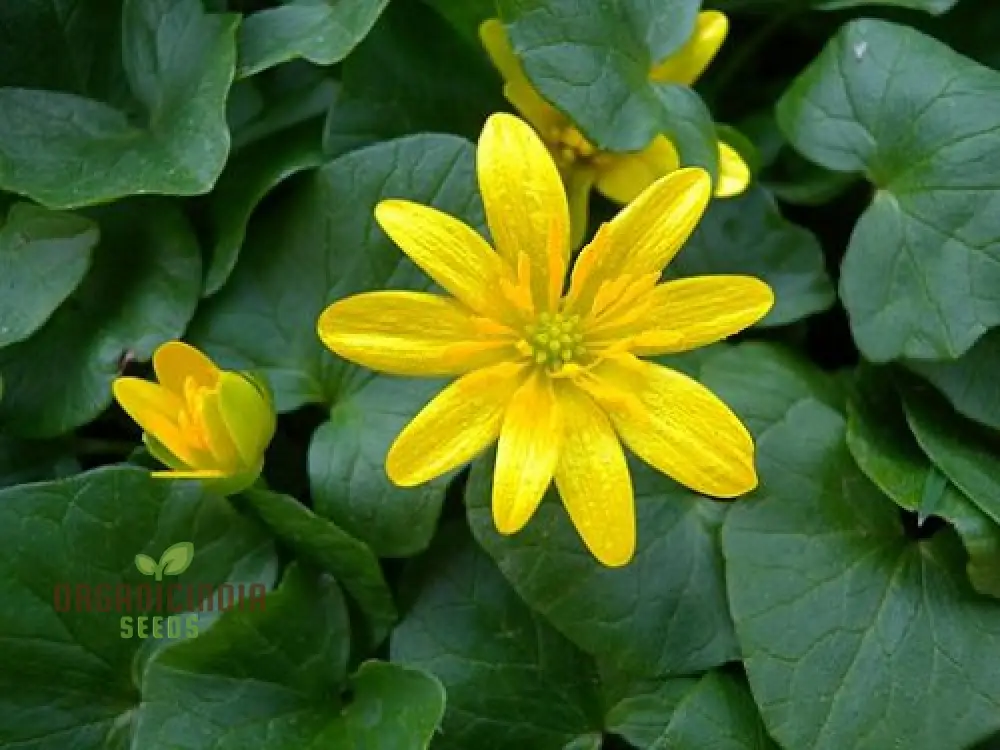
Ranunculus Ficaria Flower Seeds For Planting, Bright and Cheerful Blooms for Your Garden
Ranunculus Ficaria Seeds – Bright and Cheerful Blooms for Your Garden
Key Features
- Scientific Name: Ranunculus ficaria (Ficaria verna)
- Common Name: Lesser Celandine
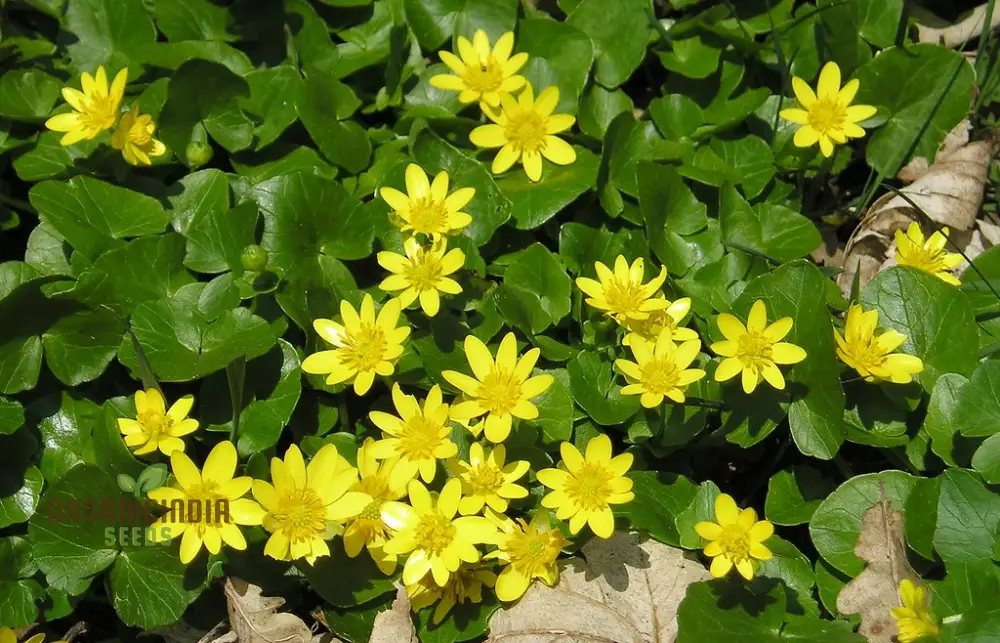
- Flower Color: Bright yellow, glossy petals
- Plant Type: Perennial
- Mature Height: 4-12 inches
- Bloom Type: Small, star-like flowers with lush green foliage
- Bloom Season: Early spring to late spring
- Sun Requirements: Partial shade to full sun
- Soil Type: Moist, well-draining, rich in organic matter
- Watering Needs: Moderate; prefers consistently moist soil
- Pack Size: Premium Ranunculus ficaria seeds for successful germination
Why Grow Ranunculus Ficaria?
- Vibrant and cheerful early spring blooms, bringing color after winter
- Low-maintenance and hardy, thriving in various conditions
- Attracts pollinators, supporting bees and beneficial insects
- Perfect for naturalized settings, including woodland gardens and borders
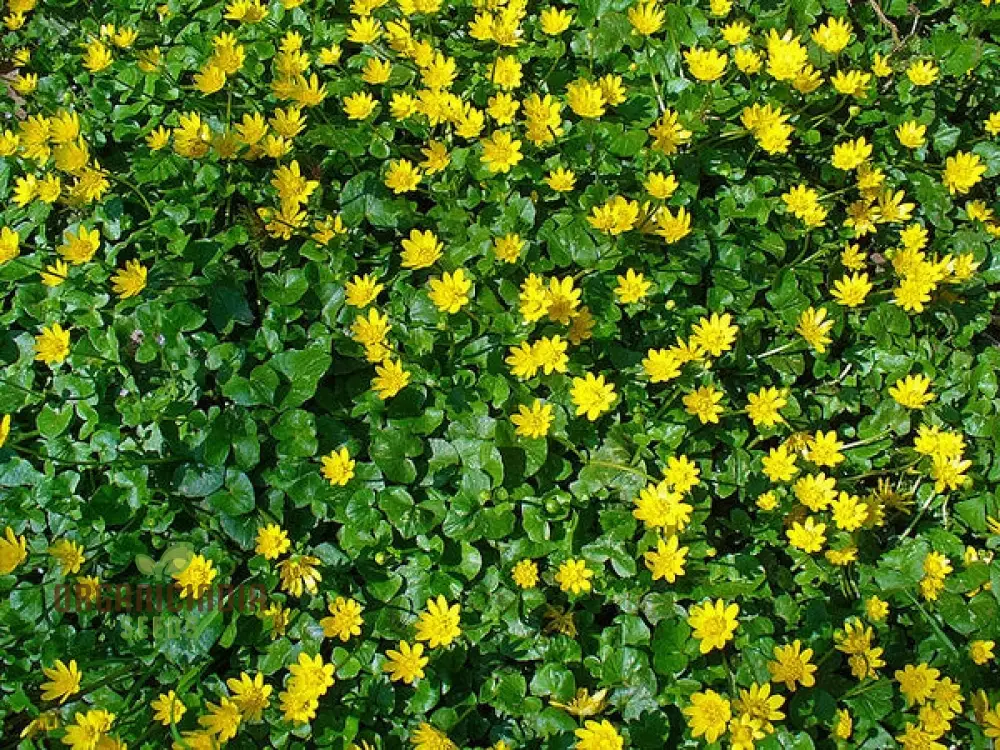
- Ground cover plant, forming a lush green carpet with golden flowers
Planting & Care Instructions
Seed Germination & Sowing
- Sowing Time: Fall to early winter for natural cold stratification
- Planting Depth: Sow lightly covered with soil, about 1/8 inch deep
- Soil Temperature: Prefers cool temperatures (50-65°F / 10-18°C)
- Watering: Keep soil evenly moist during germination
- Germination Time: 4-8 weeks
Growing & Maintenance
- Light Requirements: Thrives in partial shade to full sun
- Watering: Prefers moist soil, but avoid waterlogging
- Fertilization: Apply organic compost or balanced fertilizer in early spring
- Pruning: Trim spent blooms and control spreading if needed
- Pest & Disease Resistance: Hardy, but monitor for slugs and aphids
Best Uses
- Woodland Gardens & Shaded Areas: Naturalizes beautifully under trees
- Pollinator Gardens: Provides an early nectar source for bees
- Borders & Ground Cover: Fills spaces with lush foliage and bright blooms
- Wildflower Meadows & Naturalized Areas: Adds a wild, charming touch
Order Now and Enjoy the Early Spring Cheer of Ranunculus Ficaria!
Select Size
From $5.95
Original: $16.99
-65%Ranunculus Ficaria Flower Seeds For Planting, Bright and Cheerful Blooms for Your Garden—
$16.99
$5.95More Images
Ranunculus Ficaria Flower Seeds For Planting, Bright and Cheerful Blooms for Your Garden
Ranunculus Ficaria Seeds – Bright and Cheerful Blooms for Your Garden
Key Features
- Scientific Name: Ranunculus ficaria (Ficaria verna)
- Common Name: Lesser Celandine
- Flower Color: Bright yellow, glossy petals
- Plant Type: Perennial
- Mature Height: 4-12 inches
- Bloom Type: Small, star-like flowers with lush green foliage
- Bloom Season: Early spring to late spring
- Sun Requirements: Partial shade to full sun
- Soil Type: Moist, well-draining, rich in organic matter
- Watering Needs: Moderate; prefers consistently moist soil
- Pack Size: Premium Ranunculus ficaria seeds for successful germination
Why Grow Ranunculus Ficaria?
- Vibrant and cheerful early spring blooms, bringing color after winter
- Low-maintenance and hardy, thriving in various conditions
- Attracts pollinators, supporting bees and beneficial insects
- Perfect for naturalized settings, including woodland gardens and borders
- Ground cover plant, forming a lush green carpet with golden flowers
Planting & Care Instructions
Seed Germination & Sowing
- Sowing Time: Fall to early winter for natural cold stratification
- Planting Depth: Sow lightly covered with soil, about 1/8 inch deep
- Soil Temperature: Prefers cool temperatures (50-65°F / 10-18°C)
- Watering: Keep soil evenly moist during germination
- Germination Time: 4-8 weeks
Growing & Maintenance
- Light Requirements: Thrives in partial shade to full sun
- Watering: Prefers moist soil, but avoid waterlogging
- Fertilization: Apply organic compost or balanced fertilizer in early spring
- Pruning: Trim spent blooms and control spreading if needed
- Pest & Disease Resistance: Hardy, but monitor for slugs and aphids
Best Uses
- Woodland Gardens & Shaded Areas: Naturalizes beautifully under trees
- Pollinator Gardens: Provides an early nectar source for bees
- Borders & Ground Cover: Fills spaces with lush foliage and bright blooms
- Wildflower Meadows & Naturalized Areas: Adds a wild, charming touch
Order Now and Enjoy the Early Spring Cheer of Ranunculus Ficaria!
Product Information
Product Information
Shipping & Returns
Shipping & Returns
Description
Ranunculus Ficaria Seeds – Bright and Cheerful Blooms for Your Garden
Key Features
- Scientific Name: Ranunculus ficaria (Ficaria verna)
- Common Name: Lesser Celandine
- Flower Color: Bright yellow, glossy petals
- Plant Type: Perennial
- Mature Height: 4-12 inches
- Bloom Type: Small, star-like flowers with lush green foliage
- Bloom Season: Early spring to late spring
- Sun Requirements: Partial shade to full sun
- Soil Type: Moist, well-draining, rich in organic matter
- Watering Needs: Moderate; prefers consistently moist soil
- Pack Size: Premium Ranunculus ficaria seeds for successful germination
Why Grow Ranunculus Ficaria?
- Vibrant and cheerful early spring blooms, bringing color after winter
- Low-maintenance and hardy, thriving in various conditions
- Attracts pollinators, supporting bees and beneficial insects
- Perfect for naturalized settings, including woodland gardens and borders
- Ground cover plant, forming a lush green carpet with golden flowers
Planting & Care Instructions
Seed Germination & Sowing
- Sowing Time: Fall to early winter for natural cold stratification
- Planting Depth: Sow lightly covered with soil, about 1/8 inch deep
- Soil Temperature: Prefers cool temperatures (50-65°F / 10-18°C)
- Watering: Keep soil evenly moist during germination
- Germination Time: 4-8 weeks
Growing & Maintenance
- Light Requirements: Thrives in partial shade to full sun
- Watering: Prefers moist soil, but avoid waterlogging
- Fertilization: Apply organic compost or balanced fertilizer in early spring
- Pruning: Trim spent blooms and control spreading if needed
- Pest & Disease Resistance: Hardy, but monitor for slugs and aphids
Best Uses
- Woodland Gardens & Shaded Areas: Naturalizes beautifully under trees
- Pollinator Gardens: Provides an early nectar source for bees
- Borders & Ground Cover: Fills spaces with lush foliage and bright blooms
- Wildflower Meadows & Naturalized Areas: Adds a wild, charming touch