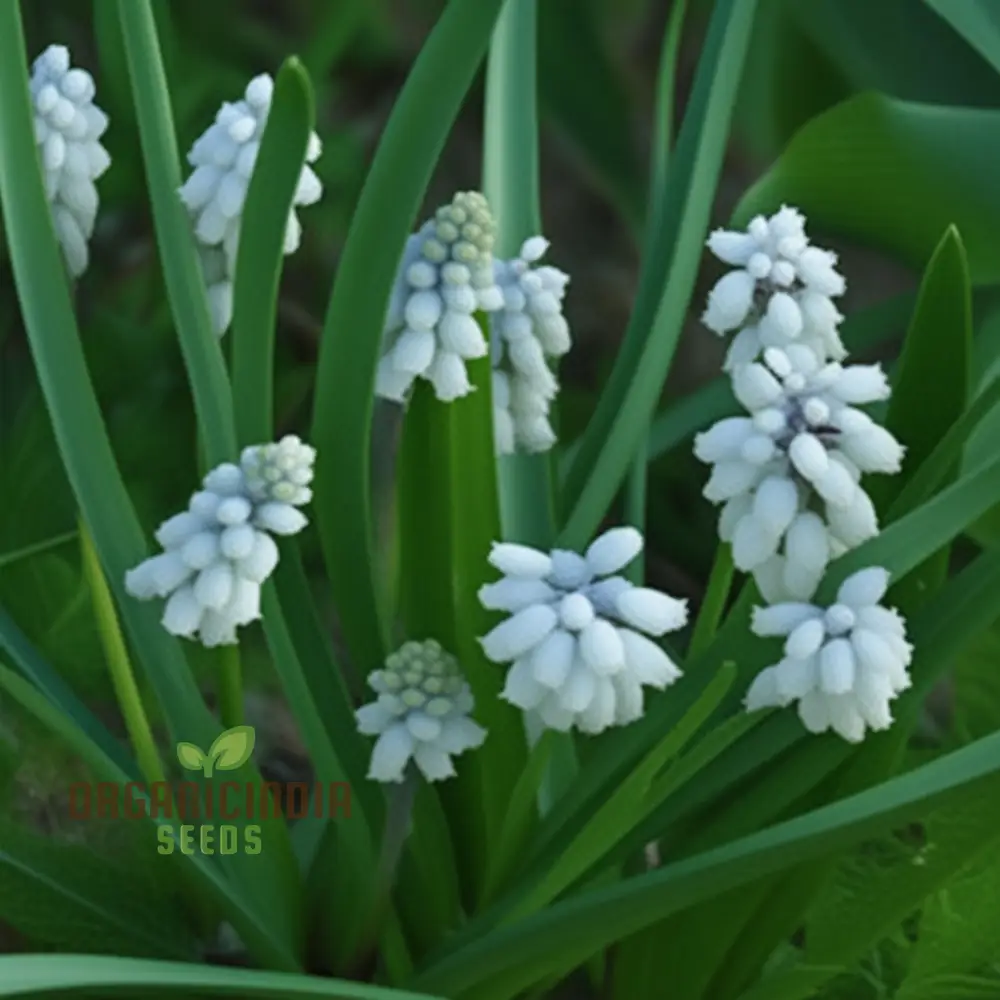
Pseudomuscari Pallens Flower Seeds For Planting, Delicate and Charming Blooms for Your Garden
Pseudomuscari Pallens Flower Seeds For Planting, Delicate and Charming Blooms for Your Garden
Pseudomuscari pallens Flower Seeds – Delicate and Charming Blooms for Your Garden
Scientific Name: Pseudomuscari pallens
Common Name: Pale Grape Hyacinth
Plant Type: Perennial, Bulbous Flower
Flower Color: Soft pale blue to lavender, bell-shaped blooms
Mature Height: 4 to 8 inches
Spread: 3 to 6 inches
Light Requirements: Full sun to partial shade
Soil Requirements: Well-drained, sandy to loamy soil
Watering Needs: Moderate; prefers moist soil during active growth
Blooming Season: Early to mid-spring
Uses: Rock gardens, borders, woodland plantings, container gardening, naturalized lawns
Product Details
- Germination Rate: High with proper stratification
- Cold Hardiness: Suitable for USDA zones 3-8
- Growth Speed: Moderate
- Wildlife Benefits: Attracts bees and early pollinators
- Maintenance Level: Low; naturalizes well over time
Planting Instructions
Seed Preparation and Sowing
- Best Planting Time: Fall for bulbs; late winter to early spring for seeds
- Sowing Method:
- If starting from seed, cold stratify by storing in a moist medium in the refrigerator for 8-12 weeks before sowing.
- Sow seeds just beneath the soil surface, about 1/8 inch deep.
- Keep soil consistently moist but not waterlogged.
- Spacing: 2 to 4 inches apart for a dense, natural look.
- Germination Time: 4 to 6 weeks at cool temperatures (50-60°F).
Care and Maintenance
- Watering: Maintain moist soil during the active growth phase in spring; reduce watering after blooming.
- Fertilization: Apply a balanced, slow-release fertilizer in early spring for healthy blooms.
- Pruning: Remove spent flowers to encourage stronger foliage and bulb development.
- Pest and Disease Resistance: Generally pest-free and resistant to common plant diseases.
- Winter Care: Hardy in most climates; mulch in colder regions to protect young plants.
Why Grow Pseudomuscari Pallens?
- Soft, Subtle Beauty: The pale blue flowers provide a delicate yet elegant touch to any garden.
- Early Spring Blooms: One of the first flowers to appear after winter, bringing a fresh burst of color.
- Easy to Grow: Perfect for both beginner and experienced gardeners, requiring minimal care.
- Pollinator-Friendly: Supports bees and beneficial insects, promoting a healthy garden ecosystem.
- Naturalizes Gracefully: Over time, these plants spread to create lovely drifts of soft blue flowers.
Companion Planting Suggestions
- Pairs beautifully with crocuses, snowdrops, and Chionodoxa for a layered early spring display.
- Complements other Muscari species, daffodils, and tulips for a varied floral arrangement.
- Looks stunning beneath deciduous trees or planted alongside low-growing perennials like Viola or Anemone blanda.
Enhance Your Garden with Pseudomuscari Pallens
Add Pseudomuscari pallens to your garden for a charming, low-maintenance display of early spring flowers. Whether planted in rock gardens, borders, or naturalized areas, these delicate blooms bring a unique elegance to any space.
More Images
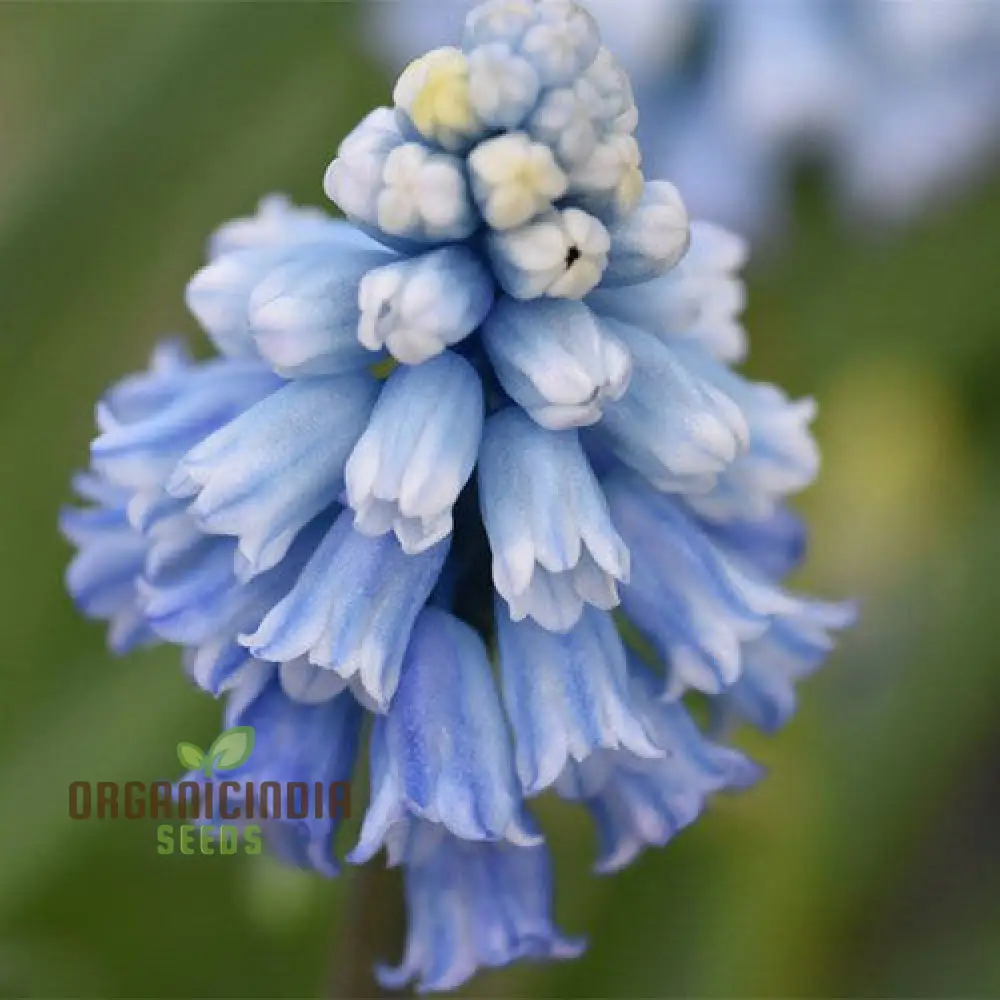
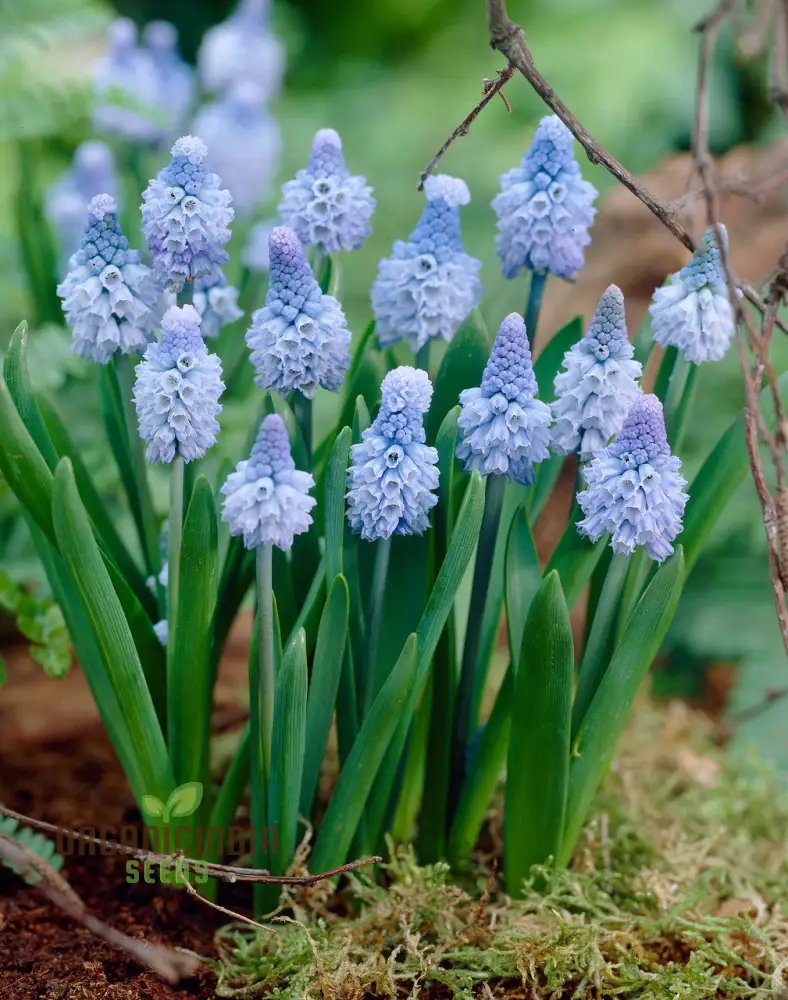
Pseudomuscari Pallens Flower Seeds For Planting, Delicate and Charming Blooms for Your Garden
Pseudomuscari pallens Flower Seeds – Delicate and Charming Blooms for Your Garden
Scientific Name: Pseudomuscari pallens
Common Name: Pale Grape Hyacinth
Plant Type: Perennial, Bulbous Flower
Flower Color: Soft pale blue to lavender, bell-shaped blooms
Mature Height: 4 to 8 inches
Spread: 3 to 6 inches
Light Requirements: Full sun to partial shade
Soil Requirements: Well-drained, sandy to loamy soil
Watering Needs: Moderate; prefers moist soil during active growth
Blooming Season: Early to mid-spring
Uses: Rock gardens, borders, woodland plantings, container gardening, naturalized lawns
Product Details
- Germination Rate: High with proper stratification
- Cold Hardiness: Suitable for USDA zones 3-8
- Growth Speed: Moderate
- Wildlife Benefits: Attracts bees and early pollinators
- Maintenance Level: Low; naturalizes well over time
Planting Instructions
Seed Preparation and Sowing
- Best Planting Time: Fall for bulbs; late winter to early spring for seeds
- Sowing Method:
- If starting from seed, cold stratify by storing in a moist medium in the refrigerator for 8-12 weeks before sowing.
- Sow seeds just beneath the soil surface, about 1/8 inch deep.
- Keep soil consistently moist but not waterlogged.
- Spacing: 2 to 4 inches apart for a dense, natural look.
- Germination Time: 4 to 6 weeks at cool temperatures (50-60°F).
Care and Maintenance
- Watering: Maintain moist soil during the active growth phase in spring; reduce watering after blooming.
- Fertilization: Apply a balanced, slow-release fertilizer in early spring for healthy blooms.
- Pruning: Remove spent flowers to encourage stronger foliage and bulb development.
- Pest and Disease Resistance: Generally pest-free and resistant to common plant diseases.
- Winter Care: Hardy in most climates; mulch in colder regions to protect young plants.
Why Grow Pseudomuscari Pallens?
- Soft, Subtle Beauty: The pale blue flowers provide a delicate yet elegant touch to any garden.
- Early Spring Blooms: One of the first flowers to appear after winter, bringing a fresh burst of color.
- Easy to Grow: Perfect for both beginner and experienced gardeners, requiring minimal care.
- Pollinator-Friendly: Supports bees and beneficial insects, promoting a healthy garden ecosystem.
- Naturalizes Gracefully: Over time, these plants spread to create lovely drifts of soft blue flowers.
Companion Planting Suggestions
- Pairs beautifully with crocuses, snowdrops, and Chionodoxa for a layered early spring display.
- Complements other Muscari species, daffodils, and tulips for a varied floral arrangement.
- Looks stunning beneath deciduous trees or planted alongside low-growing perennials like Viola or Anemone blanda.
Enhance Your Garden with Pseudomuscari Pallens
Add Pseudomuscari pallens to your garden for a charming, low-maintenance display of early spring flowers. Whether planted in rock gardens, borders, or naturalized areas, these delicate blooms bring a unique elegance to any space.
Product Information
Product Information
Shipping & Returns
Shipping & Returns
Description
Pseudomuscari pallens Flower Seeds – Delicate and Charming Blooms for Your Garden
Scientific Name: Pseudomuscari pallens
Common Name: Pale Grape Hyacinth
Plant Type: Perennial, Bulbous Flower
Flower Color: Soft pale blue to lavender, bell-shaped blooms
Mature Height: 4 to 8 inches
Spread: 3 to 6 inches
Light Requirements: Full sun to partial shade
Soil Requirements: Well-drained, sandy to loamy soil
Watering Needs: Moderate; prefers moist soil during active growth
Blooming Season: Early to mid-spring
Uses: Rock gardens, borders, woodland plantings, container gardening, naturalized lawns
Product Details
- Germination Rate: High with proper stratification
- Cold Hardiness: Suitable for USDA zones 3-8
- Growth Speed: Moderate
- Wildlife Benefits: Attracts bees and early pollinators
- Maintenance Level: Low; naturalizes well over time
Planting Instructions
Seed Preparation and Sowing
- Best Planting Time: Fall for bulbs; late winter to early spring for seeds
- Sowing Method:
- If starting from seed, cold stratify by storing in a moist medium in the refrigerator for 8-12 weeks before sowing.
- Sow seeds just beneath the soil surface, about 1/8 inch deep.
- Keep soil consistently moist but not waterlogged.
- Spacing: 2 to 4 inches apart for a dense, natural look.
- Germination Time: 4 to 6 weeks at cool temperatures (50-60°F).
Care and Maintenance
- Watering: Maintain moist soil during the active growth phase in spring; reduce watering after blooming.
- Fertilization: Apply a balanced, slow-release fertilizer in early spring for healthy blooms.
- Pruning: Remove spent flowers to encourage stronger foliage and bulb development.
- Pest and Disease Resistance: Generally pest-free and resistant to common plant diseases.
- Winter Care: Hardy in most climates; mulch in colder regions to protect young plants.
Why Grow Pseudomuscari Pallens?
- Soft, Subtle Beauty: The pale blue flowers provide a delicate yet elegant touch to any garden.
- Early Spring Blooms: One of the first flowers to appear after winter, bringing a fresh burst of color.
- Easy to Grow: Perfect for both beginner and experienced gardeners, requiring minimal care.
- Pollinator-Friendly: Supports bees and beneficial insects, promoting a healthy garden ecosystem.
- Naturalizes Gracefully: Over time, these plants spread to create lovely drifts of soft blue flowers.
Companion Planting Suggestions
- Pairs beautifully with crocuses, snowdrops, and Chionodoxa for a layered early spring display.
- Complements other Muscari species, daffodils, and tulips for a varied floral arrangement.
- Looks stunning beneath deciduous trees or planted alongside low-growing perennials like Viola or Anemone blanda.
Enhance Your Garden with Pseudomuscari Pallens
Add Pseudomuscari pallens to your garden for a charming, low-maintenance display of early spring flowers. Whether planted in rock gardens, borders, or naturalized areas, these delicate blooms bring a unique elegance to any space.