Prunella Laciniata Flower Seeds For Planting, Adding Unique Texture and Beauty to Your Garden
Prunella Laciniata Flower Seeds For Planting, Adding Unique Texture and Beauty to Your Garden
Prunella laciniata Flower Seeds – Add Unique Texture and Beauty to Your Garden
Scientific Name: Prunella laciniata
Common Name: Cutleaf Self-Heal, White Self-Heal
Plant Type: Perennial, Herbaceous
Flower Color: Pale yellow to creamy white with a delicate structure
Mature Height: 6 to 12 inches
Spread: 12 to 18 inches
Light Requirements: Full sun to partial shade
Soil Requirements: Well-drained, loamy to sandy soil; tolerates various soil types
Watering Needs: Moderate; prefers consistently moist but well-drained soil
Blooming Season: Late spring to early fall
Uses: Pollinator gardens, borders, ground cover, wildflower meadows, medicinal herb gardens
Product Details
- Germination Rate: High with proper conditions
- Cold Hardiness: Suitable for USDA zones 4-9
- Growth Speed: Moderate; spreads gradually through rhizomes
- Wildlife Benefits: Attracts bees, butterflies, and beneficial insects
- Maintenance Level: Low; resilient and easy to grow
Planting Instructions
Seed Preparation and Sowing
- Best Planting Time: Early spring or fall
- Sowing Method:
- Sow seeds directly outdoors or start indoors 6-8 weeks before the last frost.
- Lightly press seeds into the soil surface without covering, as they require light to germinate.
- Keep soil consistently moist during germination.
- Spacing: 12 to 18 inches apart for optimal spreading.
- Germination Time: 2 to 4 weeks at 60-70°F.
Care and Maintenance
- Watering: Keep soil moist during establishment; tolerates some drought once mature.
- Fertilization: Minimal; an occasional application of compost or balanced fertilizer in spring is beneficial.
- Pruning: Trim back after flowering to encourage reblooming and maintain a tidy shape.
- Pest and Disease Resistance: Generally resistant to most pests and diseases.
- Winter Care: Hardy in most climates; mulch lightly in colder regions to protect roots.
Why Grow Prunella Laciniata?
- Unique Foliage & Flowers: Features deeply cut leaves and elegant, pale blooms that add texture and interest.
- Pollinator-Friendly: A vital nectar source for bees and butterflies.
- Low-Maintenance Ground Cover: Spreads gently, filling spaces without being invasive.
- Medicinal & Herbal Uses: Traditionally used for its healing properties.
Companion Planting Suggestions
- Pairs well with other meadow flowers like Echinacea, Salvia, and Monarda.
- Complements ornamental grasses for a naturalistic garden design.
- Works beautifully in herb gardens alongside Thyme, Chamomile, and Lavender.
Enhance Your Garden with the Unique Beauty of Prunella Laciniata
Bring texture, elegance, and ecological benefits to your garden with Prunella laciniata. Its delicate flowers and hardy nature make it an excellent choice for wildflower gardens, borders, and pollinator-friendly landscapes.
Original: $16.99
-65%$16.99
$5.95More Images
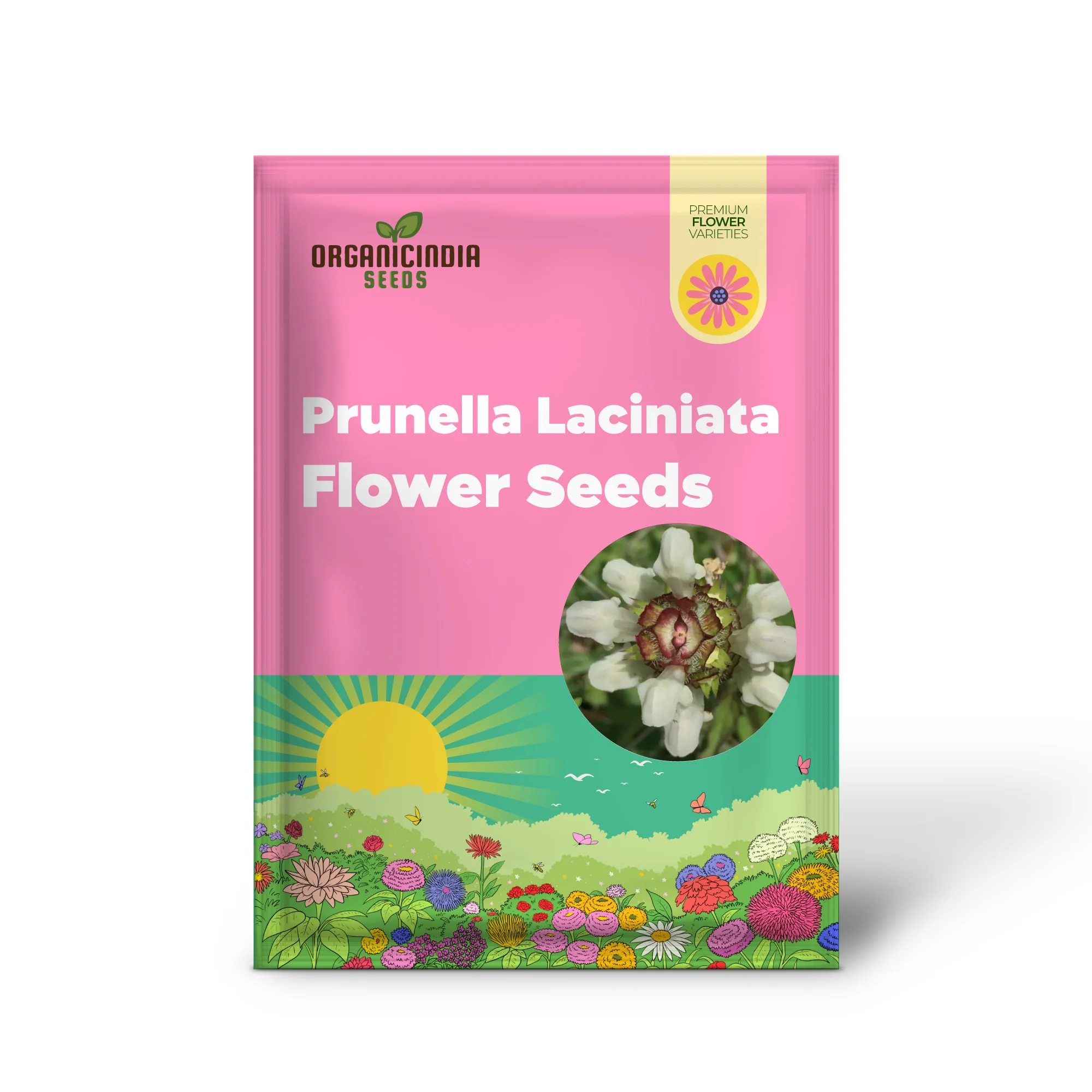


Prunella Laciniata Flower Seeds For Planting, Adding Unique Texture and Beauty to Your Garden
Prunella laciniata Flower Seeds – Add Unique Texture and Beauty to Your Garden
Scientific Name: Prunella laciniata
Common Name: Cutleaf Self-Heal, White Self-Heal
Plant Type: Perennial, Herbaceous
Flower Color: Pale yellow to creamy white with a delicate structure
Mature Height: 6 to 12 inches
Spread: 12 to 18 inches
Light Requirements: Full sun to partial shade
Soil Requirements: Well-drained, loamy to sandy soil; tolerates various soil types
Watering Needs: Moderate; prefers consistently moist but well-drained soil
Blooming Season: Late spring to early fall
Uses: Pollinator gardens, borders, ground cover, wildflower meadows, medicinal herb gardens
Product Details
- Germination Rate: High with proper conditions
- Cold Hardiness: Suitable for USDA zones 4-9
- Growth Speed: Moderate; spreads gradually through rhizomes
- Wildlife Benefits: Attracts bees, butterflies, and beneficial insects
- Maintenance Level: Low; resilient and easy to grow
Planting Instructions
Seed Preparation and Sowing
- Best Planting Time: Early spring or fall
- Sowing Method:
- Sow seeds directly outdoors or start indoors 6-8 weeks before the last frost.
- Lightly press seeds into the soil surface without covering, as they require light to germinate.
- Keep soil consistently moist during germination.
- Spacing: 12 to 18 inches apart for optimal spreading.
- Germination Time: 2 to 4 weeks at 60-70°F.
Care and Maintenance
- Watering: Keep soil moist during establishment; tolerates some drought once mature.
- Fertilization: Minimal; an occasional application of compost or balanced fertilizer in spring is beneficial.
- Pruning: Trim back after flowering to encourage reblooming and maintain a tidy shape.
- Pest and Disease Resistance: Generally resistant to most pests and diseases.
- Winter Care: Hardy in most climates; mulch lightly in colder regions to protect roots.
Why Grow Prunella Laciniata?
- Unique Foliage & Flowers: Features deeply cut leaves and elegant, pale blooms that add texture and interest.
- Pollinator-Friendly: A vital nectar source for bees and butterflies.
- Low-Maintenance Ground Cover: Spreads gently, filling spaces without being invasive.
- Medicinal & Herbal Uses: Traditionally used for its healing properties.
Companion Planting Suggestions
- Pairs well with other meadow flowers like Echinacea, Salvia, and Monarda.
- Complements ornamental grasses for a naturalistic garden design.
- Works beautifully in herb gardens alongside Thyme, Chamomile, and Lavender.
Enhance Your Garden with the Unique Beauty of Prunella Laciniata
Bring texture, elegance, and ecological benefits to your garden with Prunella laciniata. Its delicate flowers and hardy nature make it an excellent choice for wildflower gardens, borders, and pollinator-friendly landscapes.
Product Information
Product Information
Shipping & Returns
Shipping & Returns
Description
Prunella laciniata Flower Seeds – Add Unique Texture and Beauty to Your Garden
Scientific Name: Prunella laciniata
Common Name: Cutleaf Self-Heal, White Self-Heal
Plant Type: Perennial, Herbaceous
Flower Color: Pale yellow to creamy white with a delicate structure
Mature Height: 6 to 12 inches
Spread: 12 to 18 inches
Light Requirements: Full sun to partial shade
Soil Requirements: Well-drained, loamy to sandy soil; tolerates various soil types
Watering Needs: Moderate; prefers consistently moist but well-drained soil
Blooming Season: Late spring to early fall
Uses: Pollinator gardens, borders, ground cover, wildflower meadows, medicinal herb gardens
Product Details
- Germination Rate: High with proper conditions
- Cold Hardiness: Suitable for USDA zones 4-9
- Growth Speed: Moderate; spreads gradually through rhizomes
- Wildlife Benefits: Attracts bees, butterflies, and beneficial insects
- Maintenance Level: Low; resilient and easy to grow
Planting Instructions
Seed Preparation and Sowing
- Best Planting Time: Early spring or fall
- Sowing Method:
- Sow seeds directly outdoors or start indoors 6-8 weeks before the last frost.
- Lightly press seeds into the soil surface without covering, as they require light to germinate.
- Keep soil consistently moist during germination.
- Spacing: 12 to 18 inches apart for optimal spreading.
- Germination Time: 2 to 4 weeks at 60-70°F.
Care and Maintenance
- Watering: Keep soil moist during establishment; tolerates some drought once mature.
- Fertilization: Minimal; an occasional application of compost or balanced fertilizer in spring is beneficial.
- Pruning: Trim back after flowering to encourage reblooming and maintain a tidy shape.
- Pest and Disease Resistance: Generally resistant to most pests and diseases.
- Winter Care: Hardy in most climates; mulch lightly in colder regions to protect roots.
Why Grow Prunella Laciniata?
- Unique Foliage & Flowers: Features deeply cut leaves and elegant, pale blooms that add texture and interest.
- Pollinator-Friendly: A vital nectar source for bees and butterflies.
- Low-Maintenance Ground Cover: Spreads gently, filling spaces without being invasive.
- Medicinal & Herbal Uses: Traditionally used for its healing properties.
Companion Planting Suggestions
- Pairs well with other meadow flowers like Echinacea, Salvia, and Monarda.
- Complements ornamental grasses for a naturalistic garden design.
- Works beautifully in herb gardens alongside Thyme, Chamomile, and Lavender.
Enhance Your Garden with the Unique Beauty of Prunella Laciniata
Bring texture, elegance, and ecological benefits to your garden with Prunella laciniata. Its delicate flowers and hardy nature make it an excellent choice for wildflower gardens, borders, and pollinator-friendly landscapes.