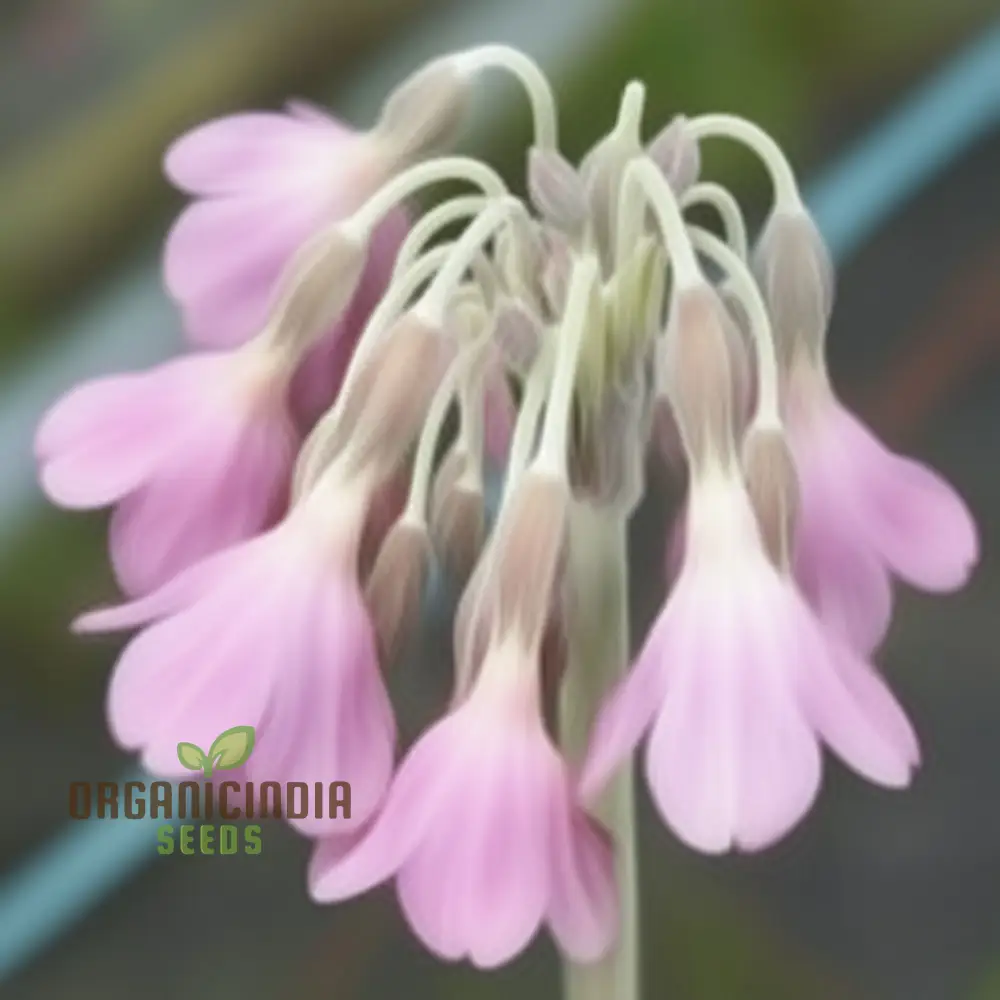
Primula Waltonii Flower Seeds For Planting, Charming Blooms for Your Garden
Primula waltonii Flower Seeds – Charming Blooms for Your Garden
Scientific Name: Primula waltonii
Common Name: Walton’s Primrose
Plant Type: Perennial, Herbaceous
Flower Color: Rich purple to deep violet with a yellow center
Mature Height: 12 to 18 inches
Spread: 8 to 12 inches
Light Requirements: Partial shade to full sun
Soil Requirements: Moist, well-drained, humus-rich soil
Watering Needs: Moderate to high; prefers consistently moist conditions
Blooming Season: Late spring to early summer
Uses: Borders, woodland gardens, shaded beds, container planting, alpine gardens
Product Details
- Germination Rate: High with proper stratification
- Cold Hardiness: Suitable for USDA zones 5-9
- Growth Speed: Moderate
- Wildlife Benefits: Attracts bees, butterflies, and beneficial insects
- Maintenance Level: Moderate; thrives in cool, moist conditions
Planting Instructions
Seed Preparation and Sowing
- Best Planting Time: Fall or early spring
- Sowing Method:
- Cold stratify seeds for 4-6 weeks before sowing to enhance germination.
- Sow indoors in seed trays 8-10 weeks before the last frost, or directly outdoors in early spring.
- Lightly press seeds into the soil without covering, as they need light to germinate.
- Keep soil consistently moist but not waterlogged.
- Spacing: 8 to 12 inches apart.
- Germination Time: 3 to 6 weeks at cool temperatures (50-60°F).
Care and Maintenance
- Watering: Keep soil evenly moist; avoid letting it dry out completely.
- Fertilization: Apply a balanced, slow-release fertilizer in early spring.
- Pruning: Deadhead spent flowers to encourage continuous blooming.
- Pest and Disease Resistance: Generally resistant to pests but may require protection from slugs and snails.
- Winter Care: Hardy in most climates; apply a layer of mulch in colder zones for root protection.
Why Grow Primula waltonii?
- Charming & Unique Blooms: Rich purple flowers brighten any garden.
- Ideal for Shade Gardens: Thrives in moist, partially shaded areas.
- Pollinator-Friendly: Supports bees and butterflies.
- Perfect for Woodland & Alpine Gardens: Adds a natural touch to shaded spaces.
Companion Planting Suggestions
- Pairs well with other shade-loving plants like Hostas, Ferns, and Astilbes.
- Complements early spring bloomers like Hellebores and Trilliums.
- Looks stunning alongside other Primula species for a layered floral effect.
Add the Delicate Beauty of Primula waltonii to Your Garden!
With its vibrant blooms and love for moist, shaded environments, Primula waltonii is a fantastic choice for woodland gardens and cool, damp landscapes.
Original: $16.99
-65%$16.99
$5.95More Images
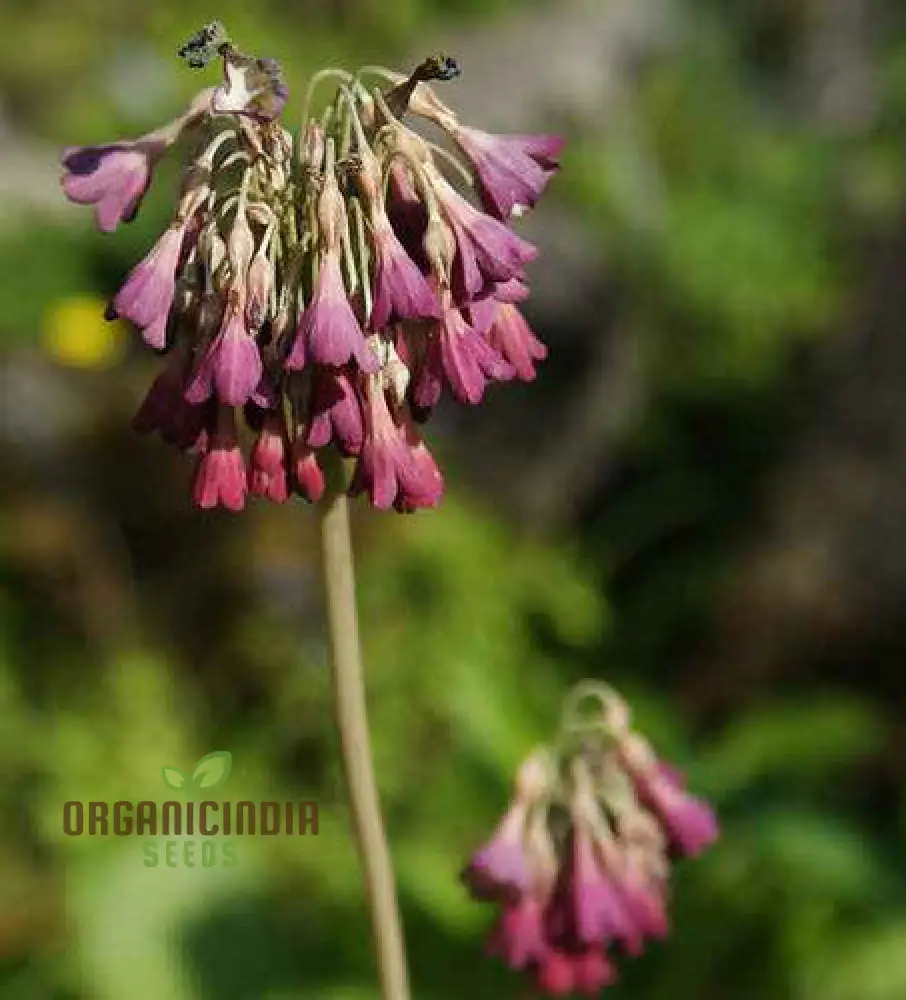
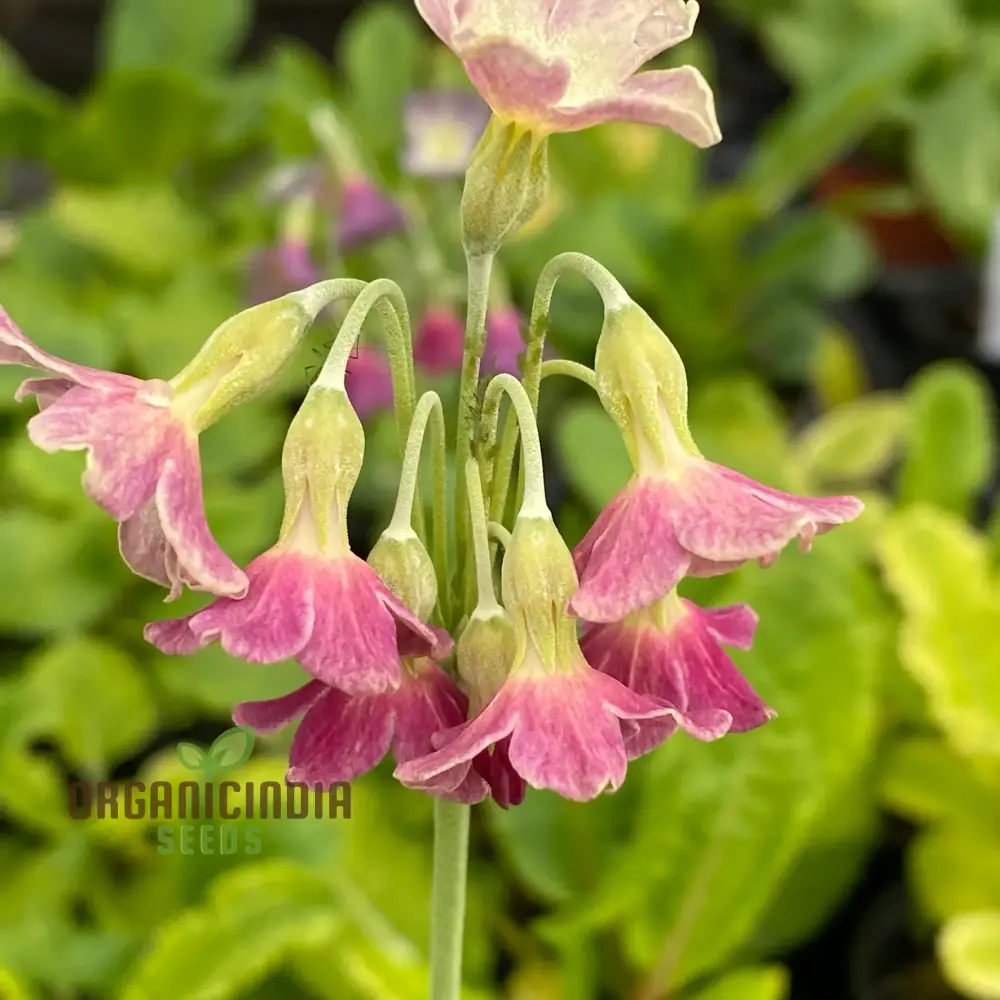
Primula Waltonii Flower Seeds For Planting, Charming Blooms for Your Garden
Primula waltonii Flower Seeds – Charming Blooms for Your Garden
Scientific Name: Primula waltonii
Common Name: Walton’s Primrose
Plant Type: Perennial, Herbaceous
Flower Color: Rich purple to deep violet with a yellow center
Mature Height: 12 to 18 inches
Spread: 8 to 12 inches
Light Requirements: Partial shade to full sun
Soil Requirements: Moist, well-drained, humus-rich soil
Watering Needs: Moderate to high; prefers consistently moist conditions
Blooming Season: Late spring to early summer
Uses: Borders, woodland gardens, shaded beds, container planting, alpine gardens
Product Details
- Germination Rate: High with proper stratification
- Cold Hardiness: Suitable for USDA zones 5-9
- Growth Speed: Moderate
- Wildlife Benefits: Attracts bees, butterflies, and beneficial insects
- Maintenance Level: Moderate; thrives in cool, moist conditions
Planting Instructions
Seed Preparation and Sowing
- Best Planting Time: Fall or early spring
- Sowing Method:
- Cold stratify seeds for 4-6 weeks before sowing to enhance germination.
- Sow indoors in seed trays 8-10 weeks before the last frost, or directly outdoors in early spring.
- Lightly press seeds into the soil without covering, as they need light to germinate.
- Keep soil consistently moist but not waterlogged.
- Spacing: 8 to 12 inches apart.
- Germination Time: 3 to 6 weeks at cool temperatures (50-60°F).
Care and Maintenance
- Watering: Keep soil evenly moist; avoid letting it dry out completely.
- Fertilization: Apply a balanced, slow-release fertilizer in early spring.
- Pruning: Deadhead spent flowers to encourage continuous blooming.
- Pest and Disease Resistance: Generally resistant to pests but may require protection from slugs and snails.
- Winter Care: Hardy in most climates; apply a layer of mulch in colder zones for root protection.
Why Grow Primula waltonii?
- Charming & Unique Blooms: Rich purple flowers brighten any garden.
- Ideal for Shade Gardens: Thrives in moist, partially shaded areas.
- Pollinator-Friendly: Supports bees and butterflies.
- Perfect for Woodland & Alpine Gardens: Adds a natural touch to shaded spaces.
Companion Planting Suggestions
- Pairs well with other shade-loving plants like Hostas, Ferns, and Astilbes.
- Complements early spring bloomers like Hellebores and Trilliums.
- Looks stunning alongside other Primula species for a layered floral effect.
Add the Delicate Beauty of Primula waltonii to Your Garden!
With its vibrant blooms and love for moist, shaded environments, Primula waltonii is a fantastic choice for woodland gardens and cool, damp landscapes.
Product Information
Product Information
Shipping & Returns
Shipping & Returns
Description
Primula waltonii Flower Seeds – Charming Blooms for Your Garden
Scientific Name: Primula waltonii
Common Name: Walton’s Primrose
Plant Type: Perennial, Herbaceous
Flower Color: Rich purple to deep violet with a yellow center
Mature Height: 12 to 18 inches
Spread: 8 to 12 inches
Light Requirements: Partial shade to full sun
Soil Requirements: Moist, well-drained, humus-rich soil
Watering Needs: Moderate to high; prefers consistently moist conditions
Blooming Season: Late spring to early summer
Uses: Borders, woodland gardens, shaded beds, container planting, alpine gardens
Product Details
- Germination Rate: High with proper stratification
- Cold Hardiness: Suitable for USDA zones 5-9
- Growth Speed: Moderate
- Wildlife Benefits: Attracts bees, butterflies, and beneficial insects
- Maintenance Level: Moderate; thrives in cool, moist conditions
Planting Instructions
Seed Preparation and Sowing
- Best Planting Time: Fall or early spring
- Sowing Method:
- Cold stratify seeds for 4-6 weeks before sowing to enhance germination.
- Sow indoors in seed trays 8-10 weeks before the last frost, or directly outdoors in early spring.
- Lightly press seeds into the soil without covering, as they need light to germinate.
- Keep soil consistently moist but not waterlogged.
- Spacing: 8 to 12 inches apart.
- Germination Time: 3 to 6 weeks at cool temperatures (50-60°F).
Care and Maintenance
- Watering: Keep soil evenly moist; avoid letting it dry out completely.
- Fertilization: Apply a balanced, slow-release fertilizer in early spring.
- Pruning: Deadhead spent flowers to encourage continuous blooming.
- Pest and Disease Resistance: Generally resistant to pests but may require protection from slugs and snails.
- Winter Care: Hardy in most climates; apply a layer of mulch in colder zones for root protection.
Why Grow Primula waltonii?
- Charming & Unique Blooms: Rich purple flowers brighten any garden.
- Ideal for Shade Gardens: Thrives in moist, partially shaded areas.
- Pollinator-Friendly: Supports bees and butterflies.
- Perfect for Woodland & Alpine Gardens: Adds a natural touch to shaded spaces.
Companion Planting Suggestions
- Pairs well with other shade-loving plants like Hostas, Ferns, and Astilbes.
- Complements early spring bloomers like Hellebores and Trilliums.
- Looks stunning alongside other Primula species for a layered floral effect.
Add the Delicate Beauty of Primula waltonii to Your Garden!
With its vibrant blooms and love for moist, shaded environments, Primula waltonii is a fantastic choice for woodland gardens and cool, damp landscapes.