Primula Capitata Flower Seeds For Planting, Cultivating Unique Beauty in Your Garden
Primula capitata Flower Seeds – Cultivate Unique Beauty in Your Garden
Scientific Name: Primula capitata
Common Name: Round-Headed Himalayan Primrose
Plant Type: Perennial
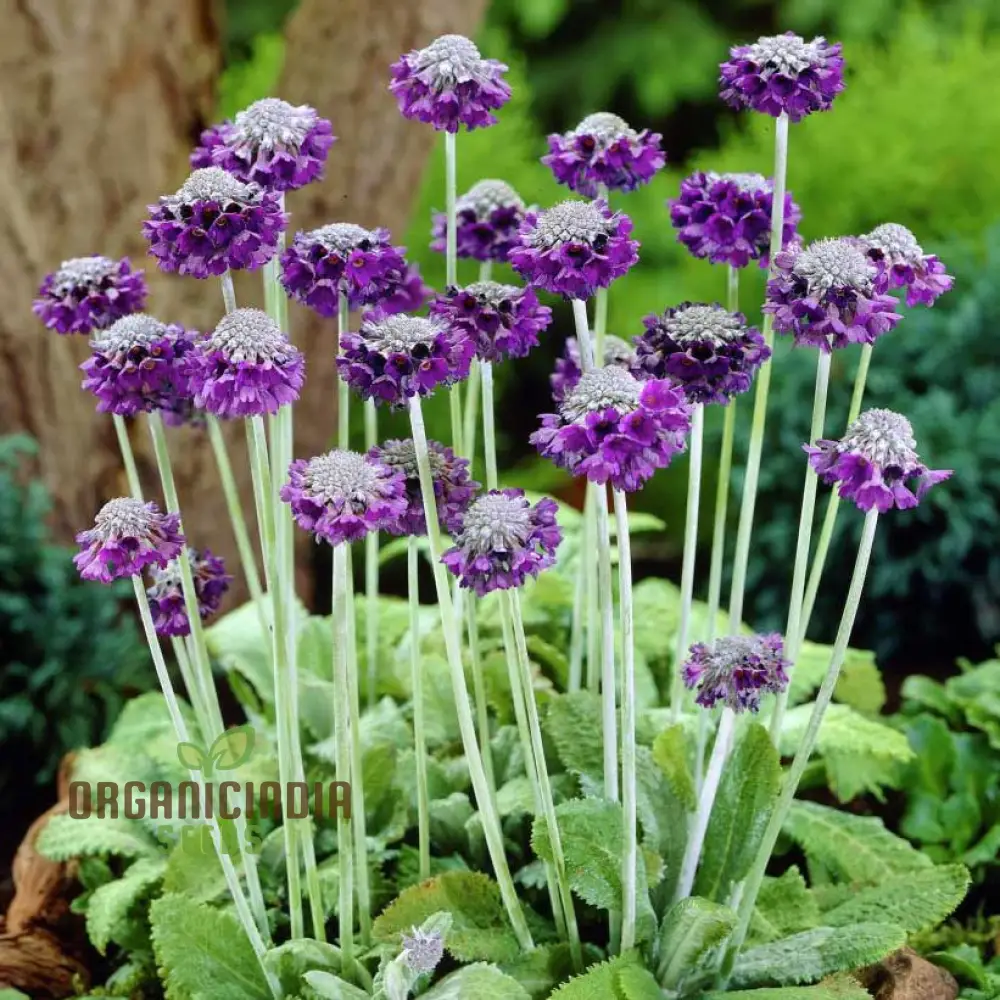
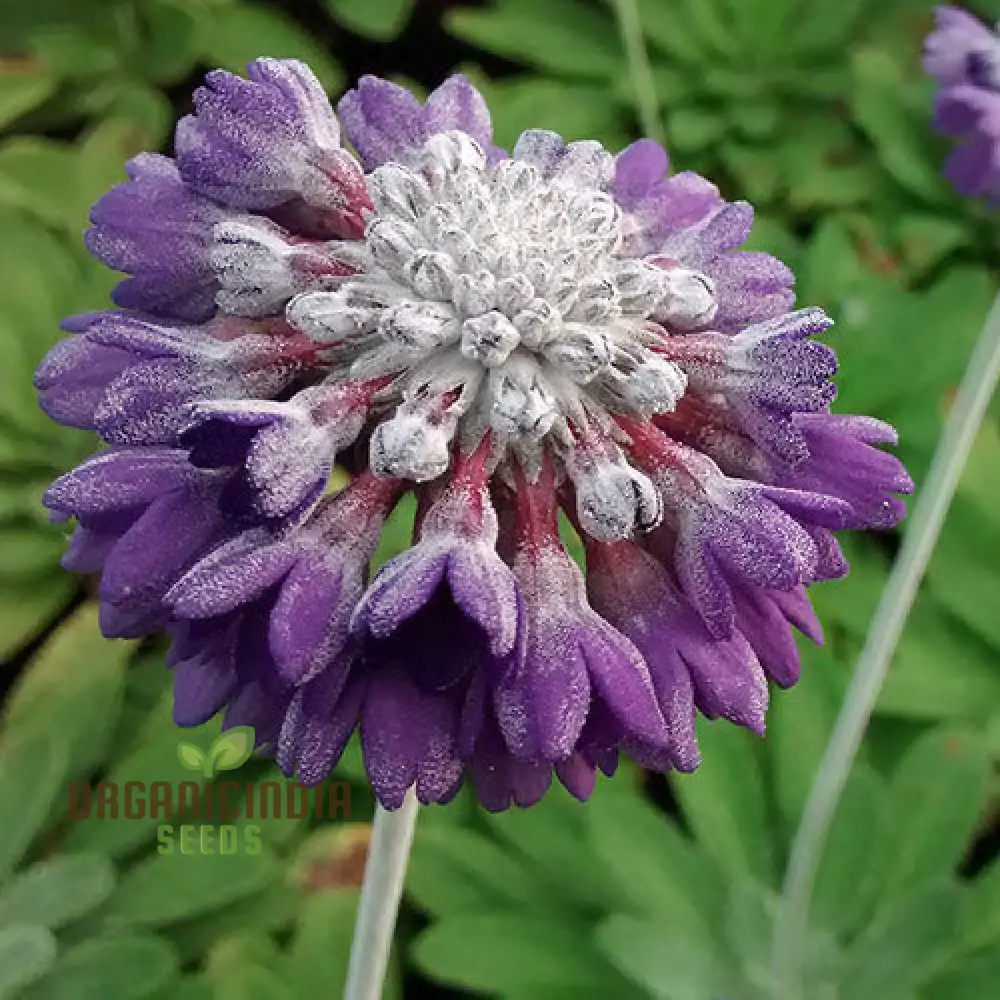
Flower Color: Deep purple to violet with a silvery-white powdery coating
Mature Height: 10 to 18 inches
Spread: 8 to 12 inches
Light Requirements: Partial shade to full sun in cool climates
Soil Requirements: Moist, well-drained, humus-rich soil
Watering Needs: Moderate to high; prefers consistently moist soil
Blooming Season: Late spring to early summer
Uses: Woodland gardens, borders, rock gardens, shaded beds, and containers
Product Details
- Germination Rate: High with proper conditions
- Cold Hardiness: Suitable for USDA zones 5-8
- Growth Speed: Moderate
- Wildlife Benefits: Attracts bees and butterflies
- Maintenance Level: Low to moderate; requires moist soil and occasional deadheading
Planting Instructions
Seed Preparation and Sowing
- Best Planting Time: Late winter to early spring
- Sowing Method:
- Stratify seeds by storing them in a moist medium at 35-40°F (1-4°C) for 4-6 weeks before sowing.
- Sow seeds on the surface of moist, well-draining soil in pots or seed trays.
- Lightly press seeds into the soil but do not cover, as they need light to germinate.
- Maintain a temperature of 55-65°F (13-18°C).
- Keep the soil consistently moist but not waterlogged.
- Spacing: 8 to 12 inches apart for full growth.
- Germination Time: 3 to 6 weeks.
Care and Maintenance
- Watering: Keep soil evenly moist, especially in dry conditions.
- Fertilization: Apply a balanced, slow-release fertilizer in early spring.
- Pruning: Deadhead spent flowers to prolong blooming and encourage fresh growth.
- Pest and Disease Resistance: Generally resistant but may be susceptible to slugs, snails, and mildew in humid conditions.
- Winter Care: Mulch around the base in colder climates to protect roots from freezing.
Why Grow Primula capitata?
- Exquisite & Uncommon Blooms: Deep purple, powdery-coated flowers offer a unique garden focal point.
- Great for Shaded Gardens: Thrives in dappled light, making it perfect for woodland settings.
- Pollinator-Friendly: Provides nectar for bees and butterflies.
- Compact & Versatile: Works well in borders, containers, and rock gardens.
Companion Planting Suggestions
- Pairs beautifully with other shade-loving perennials like Hostas, Ferns, and Astilbes.
- Complements other primrose varieties for a multi-colored display.
- Looks stunning in moist woodland areas alongside Trilliums and Dicentra (Bleeding Heart).
Enhance Your Garden with the Unique Elegance of Primula capitata!
Perfect for gardeners who appreciate rare and striking blooms, Primula capitata adds a sophisticated touch to shaded and moisture-rich garden spaces.
Original: $16.99
-65%$16.99
$5.95More Images

Primula Capitata Flower Seeds For Planting, Cultivating Unique Beauty in Your Garden
Primula capitata Flower Seeds – Cultivate Unique Beauty in Your Garden
Scientific Name: Primula capitata
Common Name: Round-Headed Himalayan Primrose
Plant Type: Perennial
Flower Color: Deep purple to violet with a silvery-white powdery coating
Mature Height: 10 to 18 inches
Spread: 8 to 12 inches
Light Requirements: Partial shade to full sun in cool climates
Soil Requirements: Moist, well-drained, humus-rich soil
Watering Needs: Moderate to high; prefers consistently moist soil
Blooming Season: Late spring to early summer
Uses: Woodland gardens, borders, rock gardens, shaded beds, and containers
Product Details
- Germination Rate: High with proper conditions
- Cold Hardiness: Suitable for USDA zones 5-8
- Growth Speed: Moderate
- Wildlife Benefits: Attracts bees and butterflies
- Maintenance Level: Low to moderate; requires moist soil and occasional deadheading
Planting Instructions
Seed Preparation and Sowing
- Best Planting Time: Late winter to early spring
- Sowing Method:
- Stratify seeds by storing them in a moist medium at 35-40°F (1-4°C) for 4-6 weeks before sowing.
- Sow seeds on the surface of moist, well-draining soil in pots or seed trays.
- Lightly press seeds into the soil but do not cover, as they need light to germinate.
- Maintain a temperature of 55-65°F (13-18°C).
- Keep the soil consistently moist but not waterlogged.
- Spacing: 8 to 12 inches apart for full growth.
- Germination Time: 3 to 6 weeks.
Care and Maintenance
- Watering: Keep soil evenly moist, especially in dry conditions.
- Fertilization: Apply a balanced, slow-release fertilizer in early spring.
- Pruning: Deadhead spent flowers to prolong blooming and encourage fresh growth.
- Pest and Disease Resistance: Generally resistant but may be susceptible to slugs, snails, and mildew in humid conditions.
- Winter Care: Mulch around the base in colder climates to protect roots from freezing.
Why Grow Primula capitata?
- Exquisite & Uncommon Blooms: Deep purple, powdery-coated flowers offer a unique garden focal point.
- Great for Shaded Gardens: Thrives in dappled light, making it perfect for woodland settings.
- Pollinator-Friendly: Provides nectar for bees and butterflies.
- Compact & Versatile: Works well in borders, containers, and rock gardens.
Companion Planting Suggestions
- Pairs beautifully with other shade-loving perennials like Hostas, Ferns, and Astilbes.
- Complements other primrose varieties for a multi-colored display.
- Looks stunning in moist woodland areas alongside Trilliums and Dicentra (Bleeding Heart).
Enhance Your Garden with the Unique Elegance of Primula capitata!
Perfect for gardeners who appreciate rare and striking blooms, Primula capitata adds a sophisticated touch to shaded and moisture-rich garden spaces.
Product Information
Product Information
Shipping & Returns
Shipping & Returns
Description
Primula capitata Flower Seeds – Cultivate Unique Beauty in Your Garden
Scientific Name: Primula capitata
Common Name: Round-Headed Himalayan Primrose
Plant Type: Perennial
Flower Color: Deep purple to violet with a silvery-white powdery coating
Mature Height: 10 to 18 inches
Spread: 8 to 12 inches
Light Requirements: Partial shade to full sun in cool climates
Soil Requirements: Moist, well-drained, humus-rich soil
Watering Needs: Moderate to high; prefers consistently moist soil
Blooming Season: Late spring to early summer
Uses: Woodland gardens, borders, rock gardens, shaded beds, and containers
Product Details
- Germination Rate: High with proper conditions
- Cold Hardiness: Suitable for USDA zones 5-8
- Growth Speed: Moderate
- Wildlife Benefits: Attracts bees and butterflies
- Maintenance Level: Low to moderate; requires moist soil and occasional deadheading
Planting Instructions
Seed Preparation and Sowing
- Best Planting Time: Late winter to early spring
- Sowing Method:
- Stratify seeds by storing them in a moist medium at 35-40°F (1-4°C) for 4-6 weeks before sowing.
- Sow seeds on the surface of moist, well-draining soil in pots or seed trays.
- Lightly press seeds into the soil but do not cover, as they need light to germinate.
- Maintain a temperature of 55-65°F (13-18°C).
- Keep the soil consistently moist but not waterlogged.
- Spacing: 8 to 12 inches apart for full growth.
- Germination Time: 3 to 6 weeks.
Care and Maintenance
- Watering: Keep soil evenly moist, especially in dry conditions.
- Fertilization: Apply a balanced, slow-release fertilizer in early spring.
- Pruning: Deadhead spent flowers to prolong blooming and encourage fresh growth.
- Pest and Disease Resistance: Generally resistant but may be susceptible to slugs, snails, and mildew in humid conditions.
- Winter Care: Mulch around the base in colder climates to protect roots from freezing.
Why Grow Primula capitata?
- Exquisite & Uncommon Blooms: Deep purple, powdery-coated flowers offer a unique garden focal point.
- Great for Shaded Gardens: Thrives in dappled light, making it perfect for woodland settings.
- Pollinator-Friendly: Provides nectar for bees and butterflies.
- Compact & Versatile: Works well in borders, containers, and rock gardens.
Companion Planting Suggestions
- Pairs beautifully with other shade-loving perennials like Hostas, Ferns, and Astilbes.
- Complements other primrose varieties for a multi-colored display.
- Looks stunning in moist woodland areas alongside Trilliums and Dicentra (Bleeding Heart).
Enhance Your Garden with the Unique Elegance of Primula capitata!
Perfect for gardeners who appreciate rare and striking blooms, Primula capitata adds a sophisticated touch to shaded and moisture-rich garden spaces.