Premium BOYSENBERRY Seeds for Your Garden - Buy Seeds Online
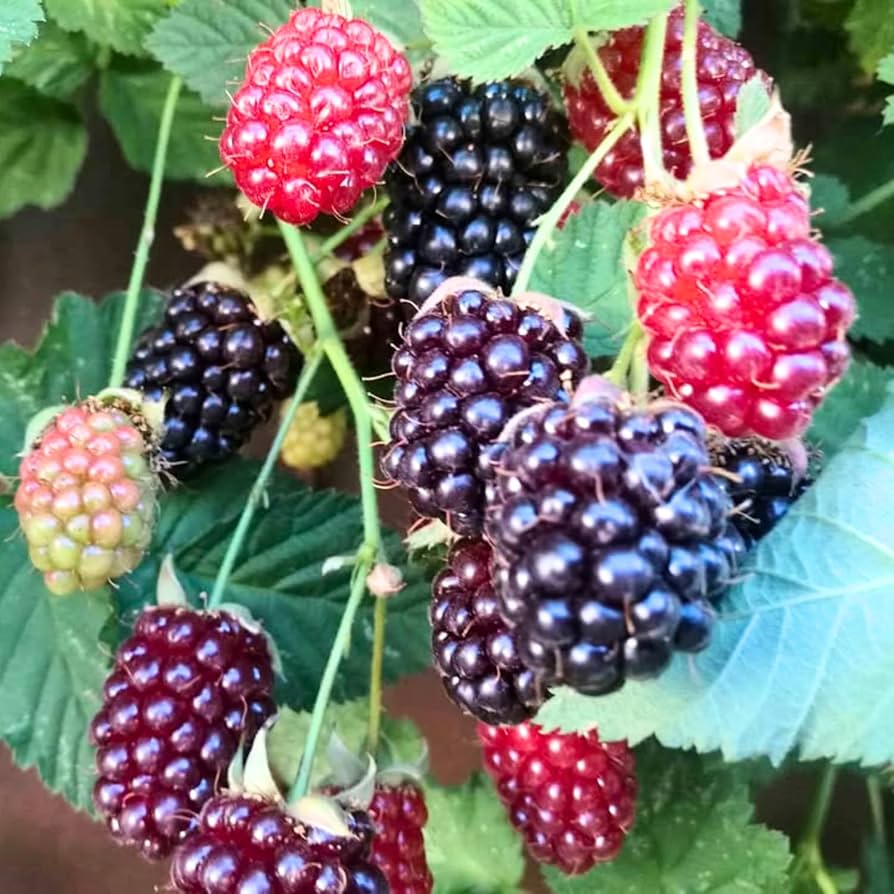
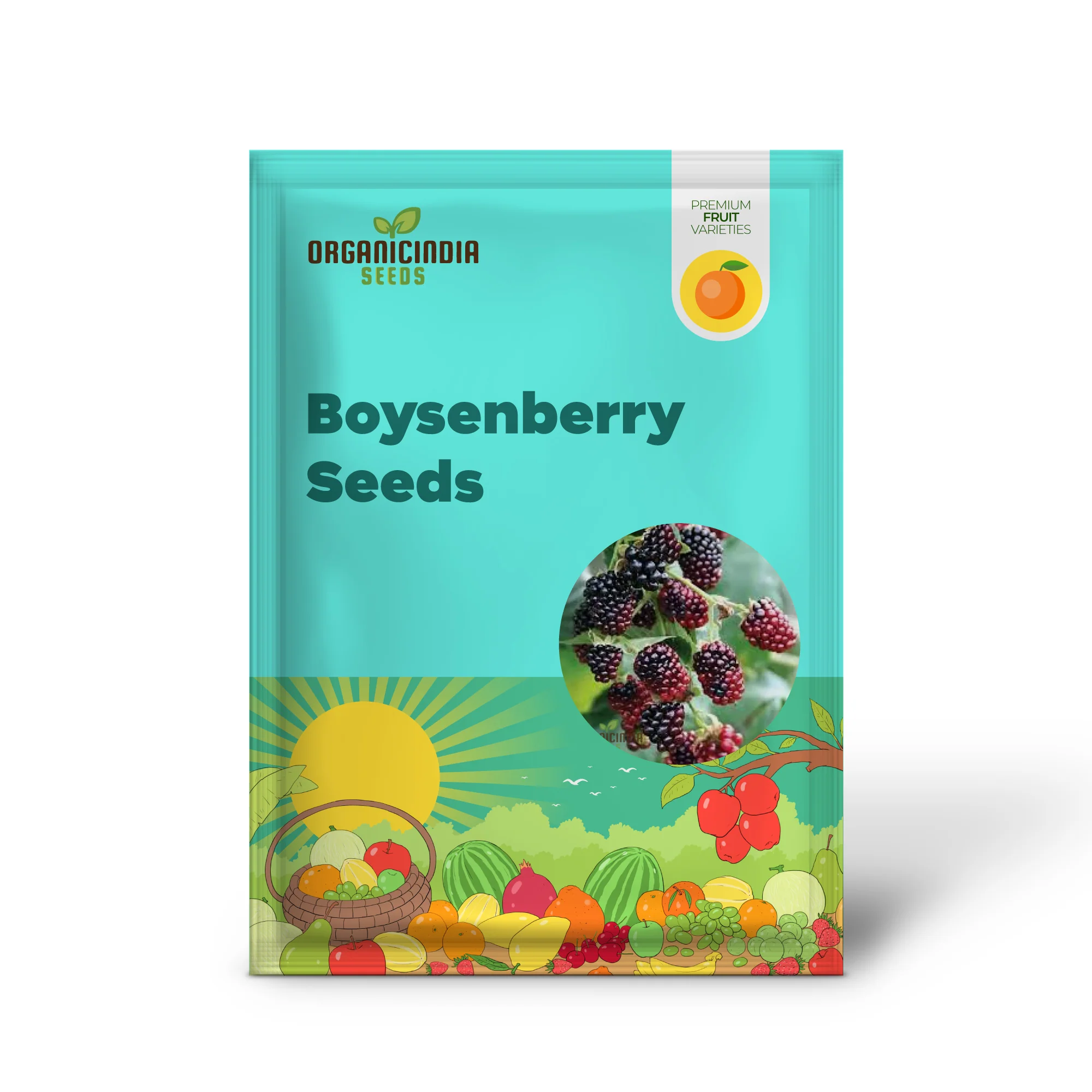
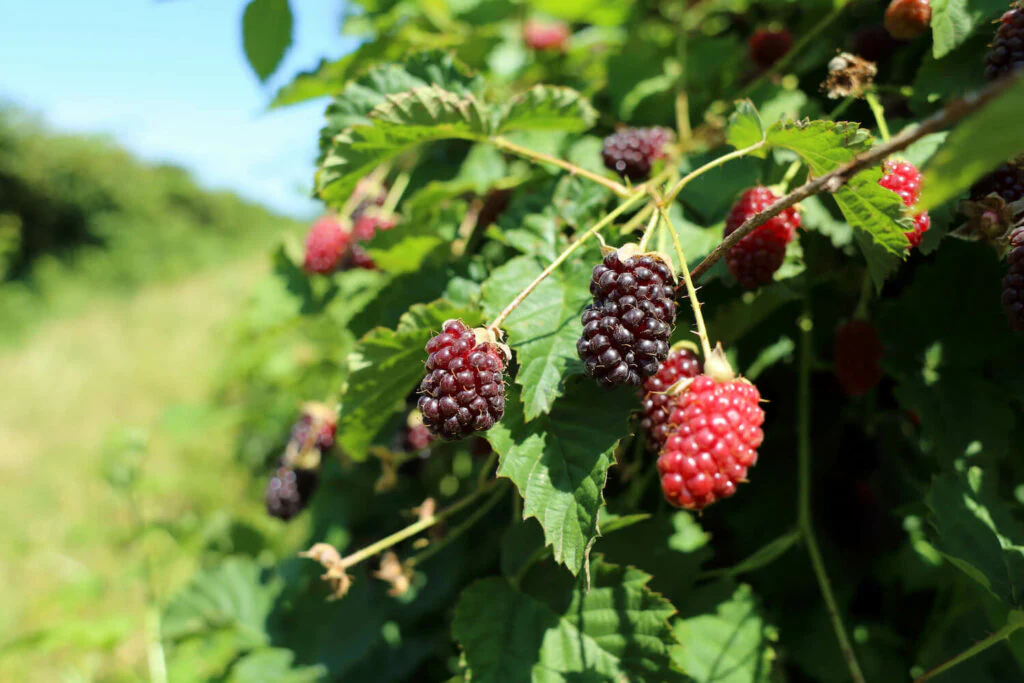
Grow your own Boysenberry Plants (Rubus ursinus × idaeus) from premium Non-GMO seeds and enjoy large, flavorful berries that combine the taste of raspberry, blackberry, and loganberry. Boysenberries are prized for their rich sweetness, high antioxidant content, and versatility in fresh eating, baking, and preserves.
These vigorous, trailing berry plants thrive in full sun and well-drained soil, making them an excellent choice for home gardens, trellises, and small orchards. With proper care, Boysenberry vines reward growers with abundant fruit and attractive foliage year after year.
Features:
-
Produces large, sweet, deep-purple berries
-
Non-GMO and naturally sourced seeds
-
High in antioxidants and vitamins
-
Ideal for trellises, fences, and backyard gardens
-
Hardy, high-yielding, and easy to grow
Specifications:
-
Common Name: Boysenberry
-
Scientific Name: Rubus ursinus × idaeus
-
Plant Type: Perennial fruiting vine
-
Growth Habit: Trailing or semi-erect canes
-
Height: 4–6 feet (1.2–1.8 m)
-
Spread: 5–8 feet (1.5–2.4 m)
-
Fruit Characteristics: Large, sweet, reddish-purple berries
-
Bloom Time: Late spring
-
Harvest Season: Mid to late summer
-
USDA Hardiness Zones: 5–9
-
Sun Exposure: Full sun (6–8 hours daily)
-
Soil Type: Well-drained, fertile loam
-
Soil pH: 5.5–7.0
-
Watering: Moderate; consistent moisture during fruiting
-
Temperature Range: 55–85°F (13–29°C)
-
Season: Best planted in early spring
-
Germination Time: 30–60 days
-
Plant Spacing: 3–5 feet apart
-
Pollination: Self-fertile
-
GMO Status: Non-GMO
-
Organic Status: Naturally grown (non-certified)
Planting Guide:
-
Stratify seeds by chilling for 30–45 days at 35–40°F.
-
Sow ¼ inch deep in moist, well-drained soil.
-
Keep soil evenly moist and warm (70–80°F) for germination.
-
Transplant outdoors or into larger containers after frost danger passes.
-
Provide support such as trellises or wires for trailing vines.
-
Prune annually to encourage new canes and maximize fruit yield.
Original: $16.99
-65%$16.99
$5.95More Images


Premium BOYSENBERRY Seeds for Your Garden - Buy Seeds Online
Grow your own Boysenberry Plants (Rubus ursinus × idaeus) from premium Non-GMO seeds and enjoy large, flavorful berries that combine the taste of raspberry, blackberry, and loganberry. Boysenberries are prized for their rich sweetness, high antioxidant content, and versatility in fresh eating, baking, and preserves.
These vigorous, trailing berry plants thrive in full sun and well-drained soil, making them an excellent choice for home gardens, trellises, and small orchards. With proper care, Boysenberry vines reward growers with abundant fruit and attractive foliage year after year.
Features:
-
Produces large, sweet, deep-purple berries
-
Non-GMO and naturally sourced seeds
-
High in antioxidants and vitamins
-
Ideal for trellises, fences, and backyard gardens
-
Hardy, high-yielding, and easy to grow
Specifications:
-
Common Name: Boysenberry
-
Scientific Name: Rubus ursinus × idaeus
-
Plant Type: Perennial fruiting vine
-
Growth Habit: Trailing or semi-erect canes
-
Height: 4–6 feet (1.2–1.8 m)
-
Spread: 5–8 feet (1.5–2.4 m)
-
Fruit Characteristics: Large, sweet, reddish-purple berries
-
Bloom Time: Late spring
-
Harvest Season: Mid to late summer
-
USDA Hardiness Zones: 5–9
-
Sun Exposure: Full sun (6–8 hours daily)
-
Soil Type: Well-drained, fertile loam
-
Soil pH: 5.5–7.0
-
Watering: Moderate; consistent moisture during fruiting
-
Temperature Range: 55–85°F (13–29°C)
-
Season: Best planted in early spring
-
Germination Time: 30–60 days
-
Plant Spacing: 3–5 feet apart
-
Pollination: Self-fertile
-
GMO Status: Non-GMO
-
Organic Status: Naturally grown (non-certified)
Planting Guide:
-
Stratify seeds by chilling for 30–45 days at 35–40°F.
-
Sow ¼ inch deep in moist, well-drained soil.
-
Keep soil evenly moist and warm (70–80°F) for germination.
-
Transplant outdoors or into larger containers after frost danger passes.
-
Provide support such as trellises or wires for trailing vines.
-
Prune annually to encourage new canes and maximize fruit yield.
Product Information
Product Information
Shipping & Returns
Shipping & Returns
Description
Grow your own Boysenberry Plants (Rubus ursinus × idaeus) from premium Non-GMO seeds and enjoy large, flavorful berries that combine the taste of raspberry, blackberry, and loganberry. Boysenberries are prized for their rich sweetness, high antioxidant content, and versatility in fresh eating, baking, and preserves.
These vigorous, trailing berry plants thrive in full sun and well-drained soil, making them an excellent choice for home gardens, trellises, and small orchards. With proper care, Boysenberry vines reward growers with abundant fruit and attractive foliage year after year.
Features:
-
Produces large, sweet, deep-purple berries
-
Non-GMO and naturally sourced seeds
-
High in antioxidants and vitamins
-
Ideal for trellises, fences, and backyard gardens
-
Hardy, high-yielding, and easy to grow
Specifications:
-
Common Name: Boysenberry
-
Scientific Name: Rubus ursinus × idaeus
-
Plant Type: Perennial fruiting vine
-
Growth Habit: Trailing or semi-erect canes
-
Height: 4–6 feet (1.2–1.8 m)
-
Spread: 5–8 feet (1.5–2.4 m)
-
Fruit Characteristics: Large, sweet, reddish-purple berries
-
Bloom Time: Late spring
-
Harvest Season: Mid to late summer
-
USDA Hardiness Zones: 5–9
-
Sun Exposure: Full sun (6–8 hours daily)
-
Soil Type: Well-drained, fertile loam
-
Soil pH: 5.5–7.0
-
Watering: Moderate; consistent moisture during fruiting
-
Temperature Range: 55–85°F (13–29°C)
-
Season: Best planted in early spring
-
Germination Time: 30–60 days
-
Plant Spacing: 3–5 feet apart
-
Pollination: Self-fertile
-
GMO Status: Non-GMO
-
Organic Status: Naturally grown (non-certified)
Planting Guide:
-
Stratify seeds by chilling for 30–45 days at 35–40°F.
-
Sow ¼ inch deep in moist, well-drained soil.
-
Keep soil evenly moist and warm (70–80°F) for germination.
-
Transplant outdoors or into larger containers after frost danger passes.
-
Provide support such as trellises or wires for trailing vines.
-
Prune annually to encourage new canes and maximize fruit yield.