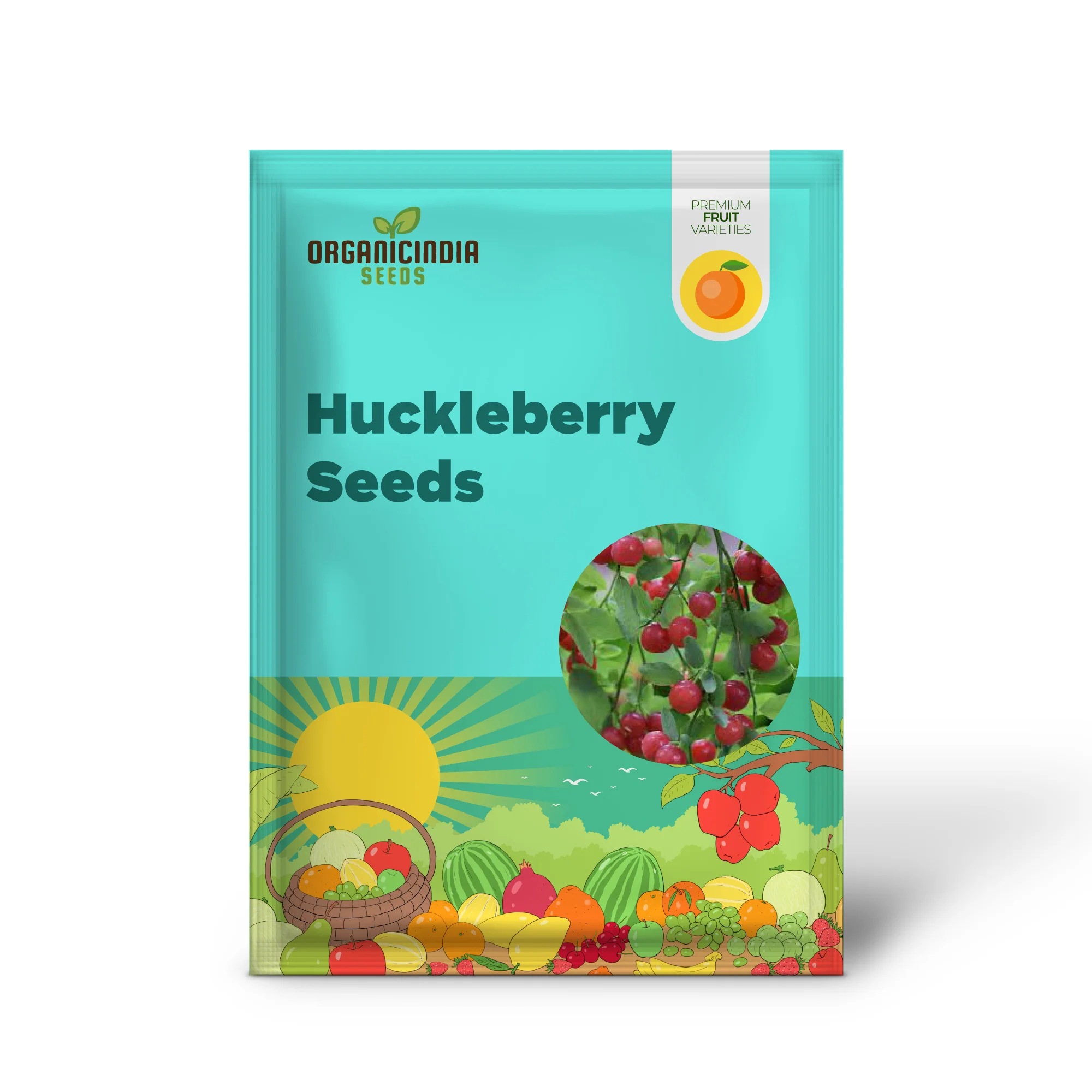
Planting Red Huckleberry Seeds - 100 pcs
Key Features:
-
Produces small, bright red edible berries with a mild, sweet-tart flavor
-
Ideal for woodland gardens, shaded borders, and natural landscapes
-
Attracts birds and pollinators
-
Thrives in cool, acidic forest-type soils
-
Suitable for outdoor planting in temperate climates
-
Non-GMO high-quality seeds
Specifications
-
Common Name: Red Huckleberry
-
Scientific Name: Vaccinium parvifolium
-
Plant Type: Perennial Fruit Shrub
-
Berry Color: Red
-
Mature Height: 3–12 ft depending on growing conditions
-
Sunlight: Partial Shade to Full Shade
-
Soil Requirements: Acidic, well-draining organic soil
-
Watering: Moderate; keep soil moist, not waterlogged
-
USDA Hardiness Zones: 5–9
-
Growth Habit: Upright, branching woodland shrub
-
Bloom Time: Spring
-
Harvest Season: Summer
-
GMO Status: Non-GMO
-
Best Planting Time: Fall or Early Spring
Planting Guide
-
Cold Stratification:
Store seeds in moist peat or sand in the refrigerator for 60–90 days. -
Sowing:
Scatter seeds on the soil surface and do not bury; they require light to germinate. -
Soil:
Use acidic potting mix (peat + pine bark recommended). -
Germination Conditions:
Maintain cool, lightly shaded light and gentle moisture. -
Transplanting:
Move to permanent outdoor location once plants are well-rooted and temperatures are mild.
Original: $16.99
-65%$16.99
$5.95More Images


Planting Red Huckleberry Seeds - 100 pcs
Key Features:
-
Produces small, bright red edible berries with a mild, sweet-tart flavor
-
Ideal for woodland gardens, shaded borders, and natural landscapes
-
Attracts birds and pollinators
-
Thrives in cool, acidic forest-type soils
-
Suitable for outdoor planting in temperate climates
-
Non-GMO high-quality seeds
Specifications
-
Common Name: Red Huckleberry
-
Scientific Name: Vaccinium parvifolium
-
Plant Type: Perennial Fruit Shrub
-
Berry Color: Red
-
Mature Height: 3–12 ft depending on growing conditions
-
Sunlight: Partial Shade to Full Shade
-
Soil Requirements: Acidic, well-draining organic soil
-
Watering: Moderate; keep soil moist, not waterlogged
-
USDA Hardiness Zones: 5–9
-
Growth Habit: Upright, branching woodland shrub
-
Bloom Time: Spring
-
Harvest Season: Summer
-
GMO Status: Non-GMO
-
Best Planting Time: Fall or Early Spring
Planting Guide
-
Cold Stratification:
Store seeds in moist peat or sand in the refrigerator for 60–90 days. -
Sowing:
Scatter seeds on the soil surface and do not bury; they require light to germinate. -
Soil:
Use acidic potting mix (peat + pine bark recommended). -
Germination Conditions:
Maintain cool, lightly shaded light and gentle moisture. -
Transplanting:
Move to permanent outdoor location once plants are well-rooted and temperatures are mild.
Product Information
Product Information
Shipping & Returns
Shipping & Returns
Description
Key Features:
-
Produces small, bright red edible berries with a mild, sweet-tart flavor
-
Ideal for woodland gardens, shaded borders, and natural landscapes
-
Attracts birds and pollinators
-
Thrives in cool, acidic forest-type soils
-
Suitable for outdoor planting in temperate climates
-
Non-GMO high-quality seeds
Specifications
-
Common Name: Red Huckleberry
-
Scientific Name: Vaccinium parvifolium
-
Plant Type: Perennial Fruit Shrub
-
Berry Color: Red
-
Mature Height: 3–12 ft depending on growing conditions
-
Sunlight: Partial Shade to Full Shade
-
Soil Requirements: Acidic, well-draining organic soil
-
Watering: Moderate; keep soil moist, not waterlogged
-
USDA Hardiness Zones: 5–9
-
Growth Habit: Upright, branching woodland shrub
-
Bloom Time: Spring
-
Harvest Season: Summer
-
GMO Status: Non-GMO
-
Best Planting Time: Fall or Early Spring
Planting Guide
-
Cold Stratification:
Store seeds in moist peat or sand in the refrigerator for 60–90 days. -
Sowing:
Scatter seeds on the soil surface and do not bury; they require light to germinate. -
Soil:
Use acidic potting mix (peat + pine bark recommended). -
Germination Conditions:
Maintain cool, lightly shaded light and gentle moisture. -
Transplanting:
Move to permanent outdoor location once plants are well-rooted and temperatures are mild.