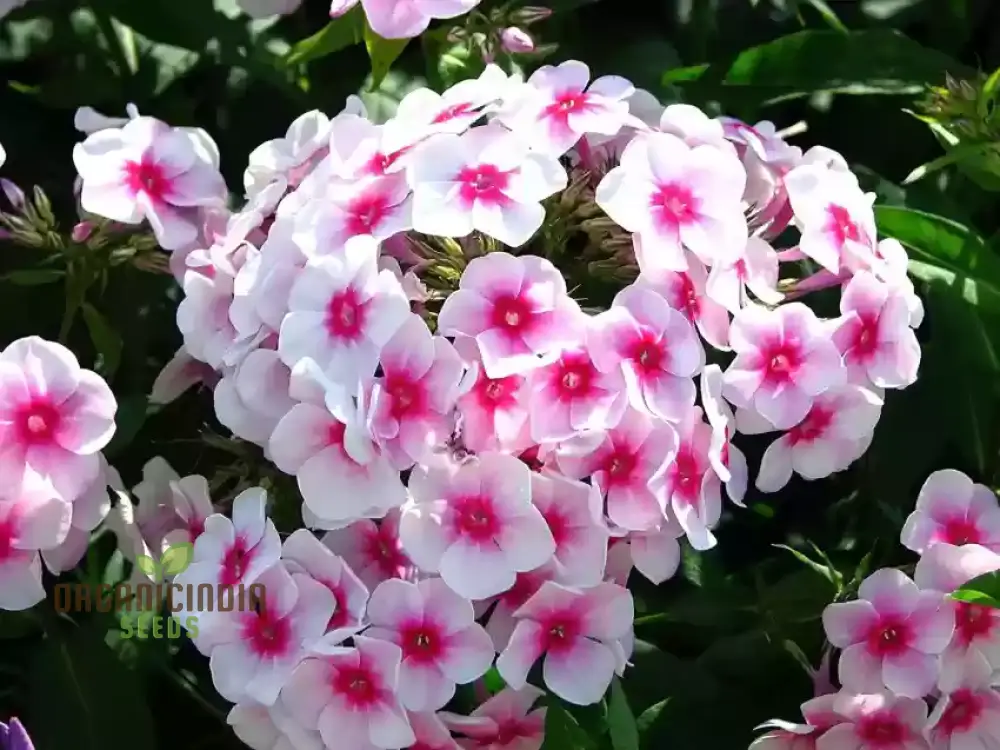
Phlox Bonsai Exotic Multi-Colour Flower Seeds - 100 pcs
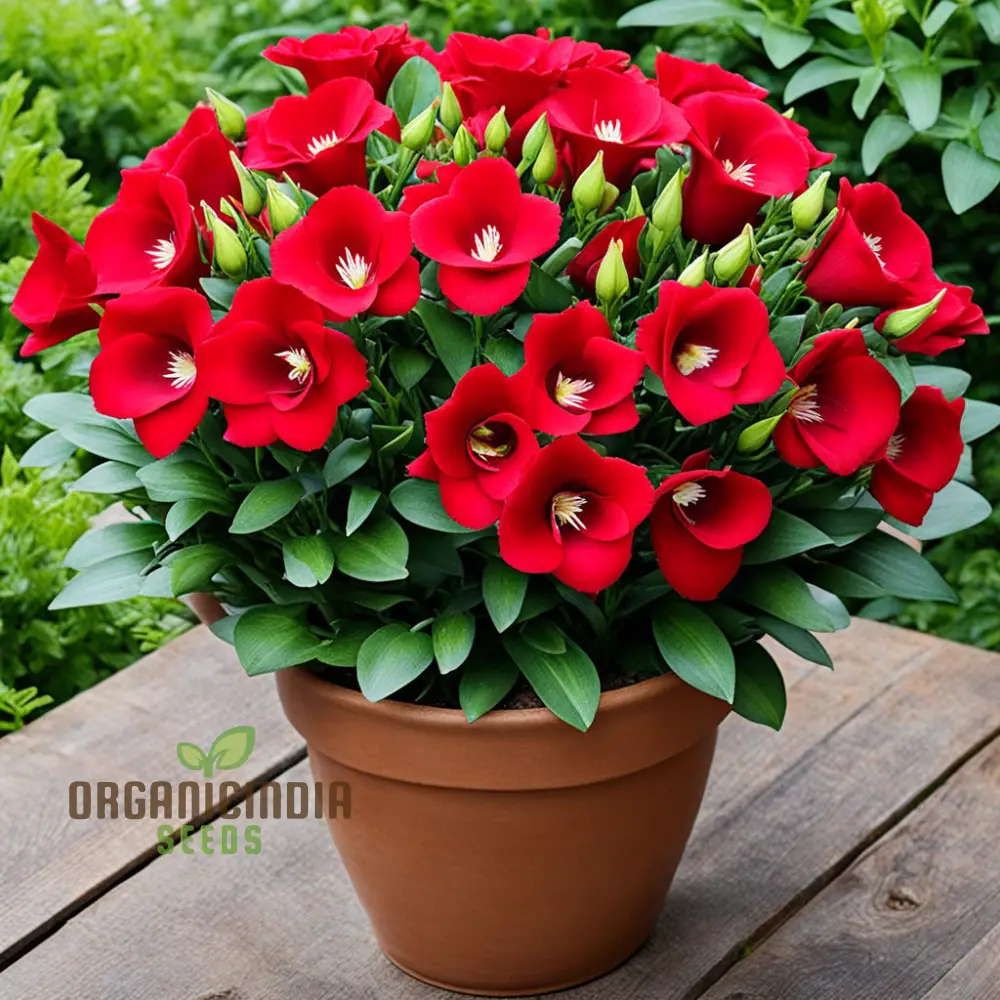
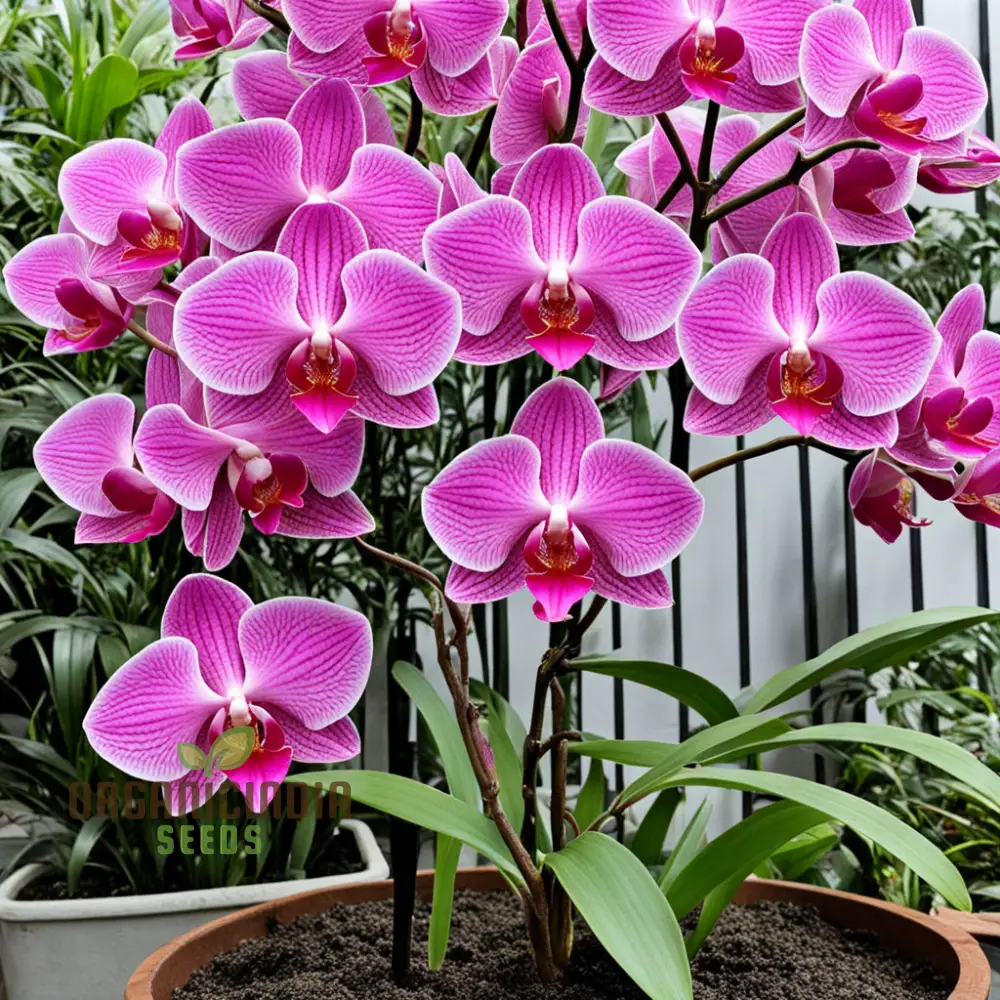
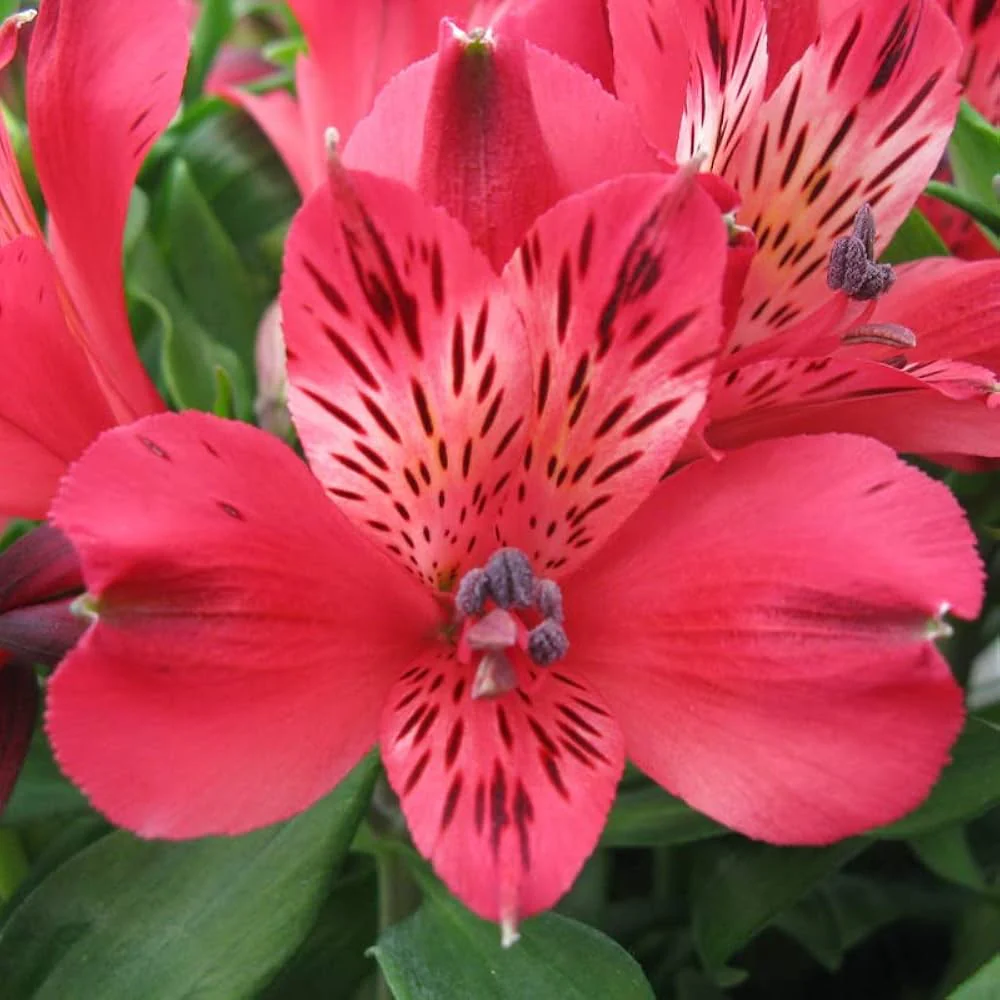
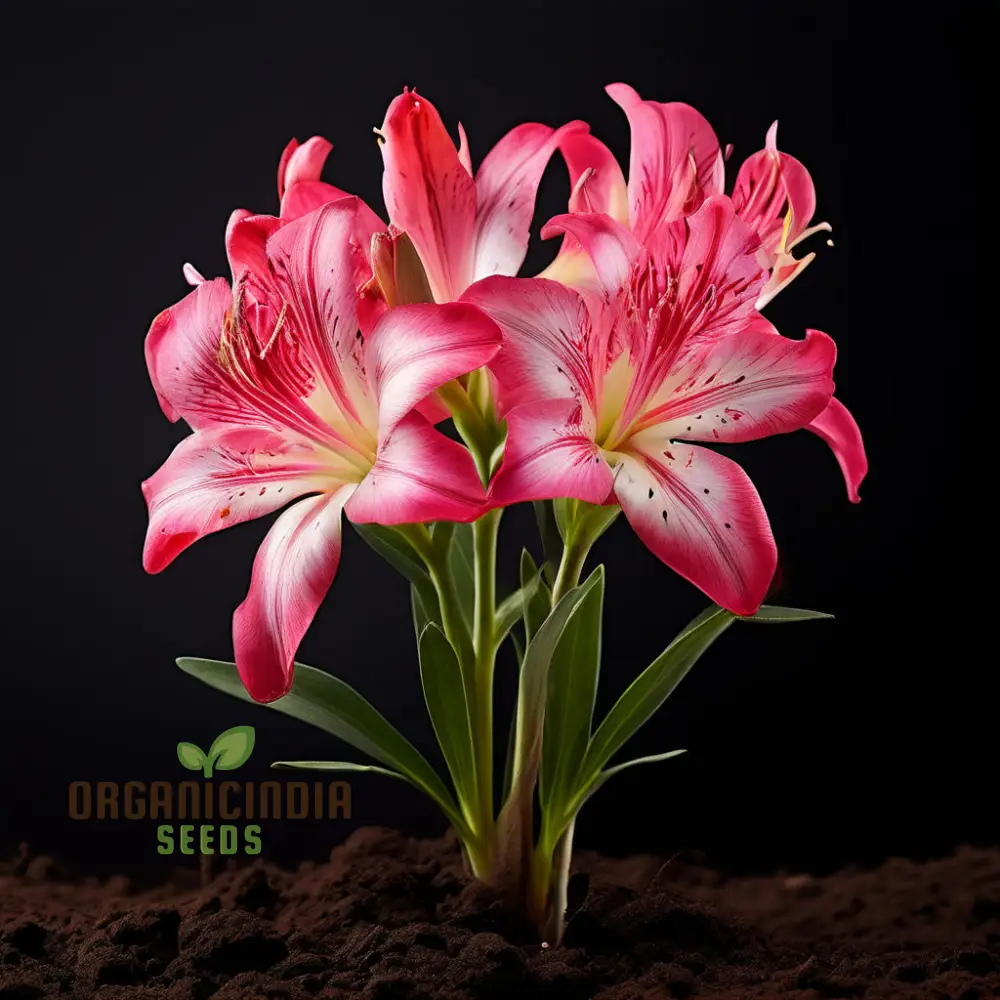
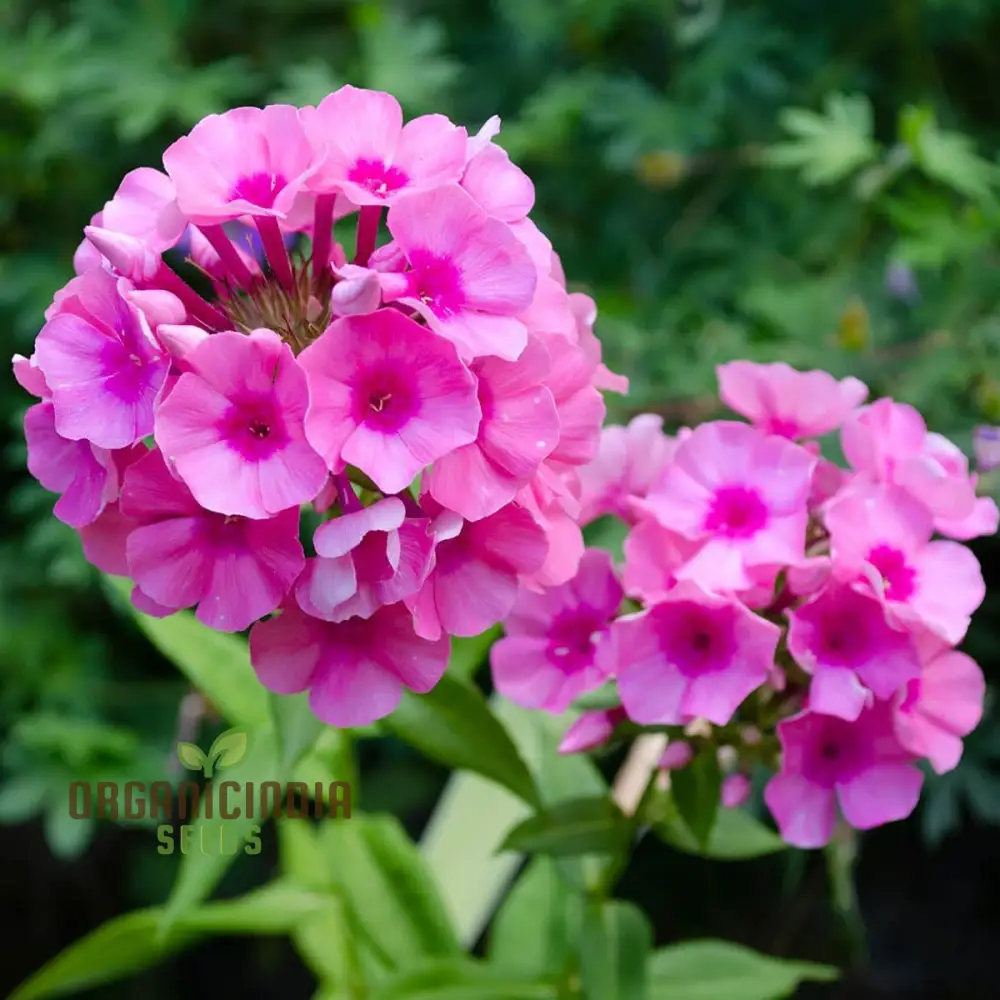
Phlox Bonsai Exotic Multi-Colour Flower Seeds (100 pcs) are a fantastic option for gardeners who want to grow beautiful, vibrant flowers in a compact, bonsai-style form. Phlox is well-known for its stunning clusters of colorful blooms, and these exotic multi-colour varieties bring a wide spectrum of colors, including pinks, reds, purples, and whites, to brighten up your garden or indoor spaces.
Key Features:
- Scientific Name: Phlox paniculata
- Common Name: Phlox, Garden Phlox
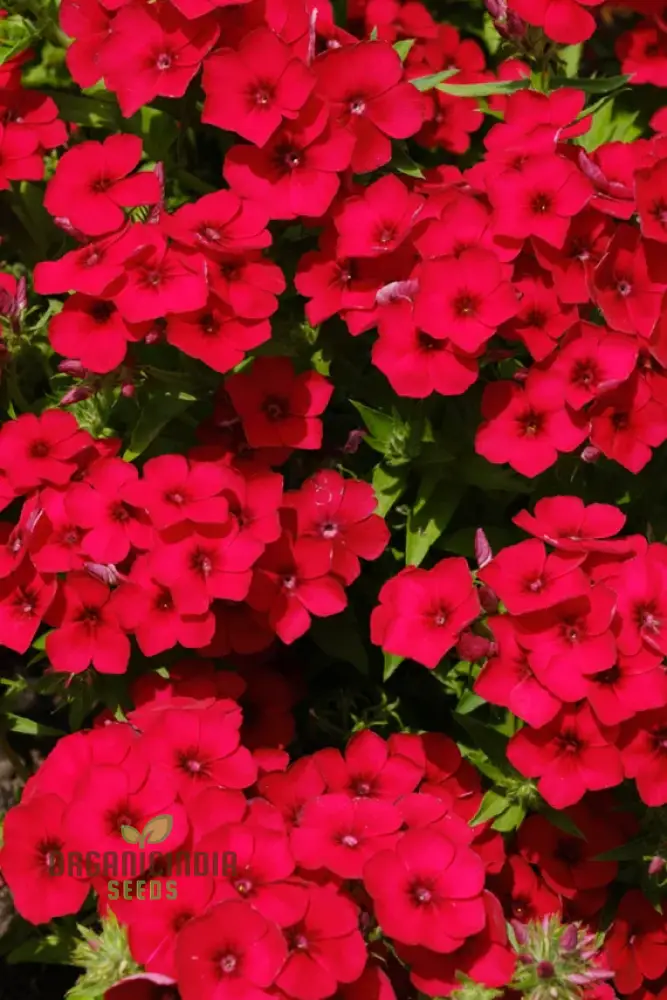
- Bloom Color: A vibrant mix of pink, red, purple, and white blooms with striking variations of hues
- Plant Type: Perennial (can be treated as an annual in colder climates)
- Sun Requirements: Full sun to partial shade
- Soil Type: Well-draining, fertile soil
- Watering Needs: Moderate; prefers consistently moist, well-drained soil
- Growth Habit: Compact, upright, and bushy with a trailing or spreading growth habit when trained for bonsai
- Height & Spread: Grows 8-18 inches tall with a spread of 6-12 inches, depending on training method
- Hardiness Zones: USDA Zones 4-8 (treated as an annual in colder climates)
Why Grow Phlox Bonsai Exotic Multi-Colour Flower Seeds?
- Vibrant, Multi-Colour Blooms: Phlox is known for its eye-catching, multi-coloured blooms that add a burst of color to any garden. The flowers will range from deep reds and purples to light pinks and whites, offering variety and beauty.
- Compact Size: These plants are ideal for growing in small spaces, bonsai gardens, or containers. Their compact growth habit makes them well-suited for patios, balconies, and even indoor spaces.
- Low Maintenance: Phlox is easy to care for, making it a great option for both beginner and experienced gardeners. Once established, they thrive with minimal attention.
- Attract Pollinators: Phlox flowers attract butterflies, bees, and other beneficial pollinators, making them a wonderful addition to any pollinator garden.
- Versatile: These flowers are perfect for flower beds, borders, hanging baskets, containers, and bonsai setups. Whether you're growing them outdoors or indoors, they will bring beauty and charm to your space.
Planting & Care Instructions:
-
Seed Preparation & Sowing:
- Starting Indoors: For an early start, sow the seeds indoors 6-8 weeks before the last frost date. Use a well-draining seed-starting mix and scatter the seeds lightly on the surface of the soil, pressing them down gently. Do not cover them with soil, as they require light to germinate.
- Temperature & Lighting: Keep the seeds in a warm area (65-75°F / 18-24°C) with indirect light. Place the seed tray near a sunny window or under grow lights. Germination typically occurs in 10-14 days.
- Direct Sowing Outdoors: After the danger of frost has passed, you can sow the seeds directly in the garden. Choose a sunny spot with well-draining soil and scatter the seeds lightly over the surface. Water gently to keep the soil moist.
-
Transplanting & Growth:
- Transplanting: Once the seedlings are large enough to handle and have developed several sets of leaves, transplant them into larger pots or directly into your garden. Ensure the soil is well-drained and slightly fertile.
- Spacing: Space plants about 6-12 inches apart to allow for proper air circulation and room to grow.
- Sunlight: Phlox plants thrive in full sun but can tolerate partial shade. Full sun will encourage the best flowering and growth.
- Soil: These flowers prefer slightly acidic to neutral, well-draining soil rich in organic matter. Consider amending the soil with compost to improve fertility and drainage.
-
Maintenance:
- Watering: Phlox plants like consistent moisture but do not thrive in waterlogged conditions. Keep the soil moist but not soggy. During hot weather, regular watering may be necessary.
- Fertilization: Apply a balanced, water-soluble fertilizer every 4-6 weeks during the growing season to encourage healthy blooms. Too much fertilizer can lead to excessive foliage growth at the expense of flowers, so use sparingly.
- Pruning: Prune the plants to remove spent blooms and encourage continuous flowering. Trim back any dead or damaged stems to maintain a tidy appearance.
- Deadheading: Regularly remove faded flowers to encourage the growth of new blooms throughout the season. Deadheading will help extend the flowering period.
-
Winter Care:
- Cold Climates: In colder climates, phlox may not survive the winter. You can grow them as annuals or dig up the plant and bring it indoors during the colder months. Alternatively, mulch around the base of the plant to provide extra protection.
- Mild Climates: In USDA Zones 4-8, phlox can be treated as a perennial and may survive winter outdoors with the proper care and mulching.
Ideal For:
- Bonsai Gardens: These compact Phlox varieties are perfect for bonsai-style gardens, where they can be trained and pruned to grow in small containers or pots.
- Containers & Hanging Baskets: Their compact size and spreading habit make them perfect for hanging baskets or containers, adding color to patios, balconies, and porches.
- Pollinator Gardens: Phlox flowers are excellent for attracting bees, butterflies, and hummingbirds, making them ideal for pollinator-friendly gardens.
- Flower Beds & Borders: They work well in flower beds, borders, and mixed plantings, where their multi-colour blooms can provide a striking contrast against other plants.
- Indoor Gardens: Phlox can also be grown indoors in containers, where they will bring color and fragrance to your home.
Phlox Bonsai Exotic Multi-Colour Flower Seeds are a wonderful choice for anyone looking to add beautiful, vibrant flowers to their garden or home. These plants are easy to grow, offer a range of stunning colors, and attract pollinators, making them a valuable addition to any garden setting. Whether grown as bonsai, in containers, or in flower beds, these Phlox will enhance any space with their charm!
Original: $16.99
-65%$16.99
$5.95More Images
Phlox Bonsai Exotic Multi-Colour Flower Seeds - 100 pcs
Phlox Bonsai Exotic Multi-Colour Flower Seeds (100 pcs) are a fantastic option for gardeners who want to grow beautiful, vibrant flowers in a compact, bonsai-style form. Phlox is well-known for its stunning clusters of colorful blooms, and these exotic multi-colour varieties bring a wide spectrum of colors, including pinks, reds, purples, and whites, to brighten up your garden or indoor spaces.
Key Features:
- Scientific Name: Phlox paniculata
- Common Name: Phlox, Garden Phlox
- Bloom Color: A vibrant mix of pink, red, purple, and white blooms with striking variations of hues
- Plant Type: Perennial (can be treated as an annual in colder climates)
- Sun Requirements: Full sun to partial shade
- Soil Type: Well-draining, fertile soil
- Watering Needs: Moderate; prefers consistently moist, well-drained soil
- Growth Habit: Compact, upright, and bushy with a trailing or spreading growth habit when trained for bonsai
- Height & Spread: Grows 8-18 inches tall with a spread of 6-12 inches, depending on training method
- Hardiness Zones: USDA Zones 4-8 (treated as an annual in colder climates)
Why Grow Phlox Bonsai Exotic Multi-Colour Flower Seeds?
- Vibrant, Multi-Colour Blooms: Phlox is known for its eye-catching, multi-coloured blooms that add a burst of color to any garden. The flowers will range from deep reds and purples to light pinks and whites, offering variety and beauty.
- Compact Size: These plants are ideal for growing in small spaces, bonsai gardens, or containers. Their compact growth habit makes them well-suited for patios, balconies, and even indoor spaces.
- Low Maintenance: Phlox is easy to care for, making it a great option for both beginner and experienced gardeners. Once established, they thrive with minimal attention.
- Attract Pollinators: Phlox flowers attract butterflies, bees, and other beneficial pollinators, making them a wonderful addition to any pollinator garden.
- Versatile: These flowers are perfect for flower beds, borders, hanging baskets, containers, and bonsai setups. Whether you're growing them outdoors or indoors, they will bring beauty and charm to your space.
Planting & Care Instructions:
-
Seed Preparation & Sowing:
- Starting Indoors: For an early start, sow the seeds indoors 6-8 weeks before the last frost date. Use a well-draining seed-starting mix and scatter the seeds lightly on the surface of the soil, pressing them down gently. Do not cover them with soil, as they require light to germinate.
- Temperature & Lighting: Keep the seeds in a warm area (65-75°F / 18-24°C) with indirect light. Place the seed tray near a sunny window or under grow lights. Germination typically occurs in 10-14 days.
- Direct Sowing Outdoors: After the danger of frost has passed, you can sow the seeds directly in the garden. Choose a sunny spot with well-draining soil and scatter the seeds lightly over the surface. Water gently to keep the soil moist.
-
Transplanting & Growth:
- Transplanting: Once the seedlings are large enough to handle and have developed several sets of leaves, transplant them into larger pots or directly into your garden. Ensure the soil is well-drained and slightly fertile.
- Spacing: Space plants about 6-12 inches apart to allow for proper air circulation and room to grow.
- Sunlight: Phlox plants thrive in full sun but can tolerate partial shade. Full sun will encourage the best flowering and growth.
- Soil: These flowers prefer slightly acidic to neutral, well-draining soil rich in organic matter. Consider amending the soil with compost to improve fertility and drainage.
-
Maintenance:
- Watering: Phlox plants like consistent moisture but do not thrive in waterlogged conditions. Keep the soil moist but not soggy. During hot weather, regular watering may be necessary.
- Fertilization: Apply a balanced, water-soluble fertilizer every 4-6 weeks during the growing season to encourage healthy blooms. Too much fertilizer can lead to excessive foliage growth at the expense of flowers, so use sparingly.
- Pruning: Prune the plants to remove spent blooms and encourage continuous flowering. Trim back any dead or damaged stems to maintain a tidy appearance.
- Deadheading: Regularly remove faded flowers to encourage the growth of new blooms throughout the season. Deadheading will help extend the flowering period.
-
Winter Care:
- Cold Climates: In colder climates, phlox may not survive the winter. You can grow them as annuals or dig up the plant and bring it indoors during the colder months. Alternatively, mulch around the base of the plant to provide extra protection.
- Mild Climates: In USDA Zones 4-8, phlox can be treated as a perennial and may survive winter outdoors with the proper care and mulching.
Ideal For:
- Bonsai Gardens: These compact Phlox varieties are perfect for bonsai-style gardens, where they can be trained and pruned to grow in small containers or pots.
- Containers & Hanging Baskets: Their compact size and spreading habit make them perfect for hanging baskets or containers, adding color to patios, balconies, and porches.
- Pollinator Gardens: Phlox flowers are excellent for attracting bees, butterflies, and hummingbirds, making them ideal for pollinator-friendly gardens.
- Flower Beds & Borders: They work well in flower beds, borders, and mixed plantings, where their multi-colour blooms can provide a striking contrast against other plants.
- Indoor Gardens: Phlox can also be grown indoors in containers, where they will bring color and fragrance to your home.
Phlox Bonsai Exotic Multi-Colour Flower Seeds are a wonderful choice for anyone looking to add beautiful, vibrant flowers to their garden or home. These plants are easy to grow, offer a range of stunning colors, and attract pollinators, making them a valuable addition to any garden setting. Whether grown as bonsai, in containers, or in flower beds, these Phlox will enhance any space with their charm!
Product Information
Product Information
Shipping & Returns
Shipping & Returns
Description
Phlox Bonsai Exotic Multi-Colour Flower Seeds (100 pcs) are a fantastic option for gardeners who want to grow beautiful, vibrant flowers in a compact, bonsai-style form. Phlox is well-known for its stunning clusters of colorful blooms, and these exotic multi-colour varieties bring a wide spectrum of colors, including pinks, reds, purples, and whites, to brighten up your garden or indoor spaces.
Key Features:
- Scientific Name: Phlox paniculata
- Common Name: Phlox, Garden Phlox
- Bloom Color: A vibrant mix of pink, red, purple, and white blooms with striking variations of hues
- Plant Type: Perennial (can be treated as an annual in colder climates)
- Sun Requirements: Full sun to partial shade
- Soil Type: Well-draining, fertile soil
- Watering Needs: Moderate; prefers consistently moist, well-drained soil
- Growth Habit: Compact, upright, and bushy with a trailing or spreading growth habit when trained for bonsai
- Height & Spread: Grows 8-18 inches tall with a spread of 6-12 inches, depending on training method
- Hardiness Zones: USDA Zones 4-8 (treated as an annual in colder climates)
Why Grow Phlox Bonsai Exotic Multi-Colour Flower Seeds?
- Vibrant, Multi-Colour Blooms: Phlox is known for its eye-catching, multi-coloured blooms that add a burst of color to any garden. The flowers will range from deep reds and purples to light pinks and whites, offering variety and beauty.
- Compact Size: These plants are ideal for growing in small spaces, bonsai gardens, or containers. Their compact growth habit makes them well-suited for patios, balconies, and even indoor spaces.
- Low Maintenance: Phlox is easy to care for, making it a great option for both beginner and experienced gardeners. Once established, they thrive with minimal attention.
- Attract Pollinators: Phlox flowers attract butterflies, bees, and other beneficial pollinators, making them a wonderful addition to any pollinator garden.
- Versatile: These flowers are perfect for flower beds, borders, hanging baskets, containers, and bonsai setups. Whether you're growing them outdoors or indoors, they will bring beauty and charm to your space.
Planting & Care Instructions:
-
Seed Preparation & Sowing:
- Starting Indoors: For an early start, sow the seeds indoors 6-8 weeks before the last frost date. Use a well-draining seed-starting mix and scatter the seeds lightly on the surface of the soil, pressing them down gently. Do not cover them with soil, as they require light to germinate.
- Temperature & Lighting: Keep the seeds in a warm area (65-75°F / 18-24°C) with indirect light. Place the seed tray near a sunny window or under grow lights. Germination typically occurs in 10-14 days.
- Direct Sowing Outdoors: After the danger of frost has passed, you can sow the seeds directly in the garden. Choose a sunny spot with well-draining soil and scatter the seeds lightly over the surface. Water gently to keep the soil moist.
-
Transplanting & Growth:
- Transplanting: Once the seedlings are large enough to handle and have developed several sets of leaves, transplant them into larger pots or directly into your garden. Ensure the soil is well-drained and slightly fertile.
- Spacing: Space plants about 6-12 inches apart to allow for proper air circulation and room to grow.
- Sunlight: Phlox plants thrive in full sun but can tolerate partial shade. Full sun will encourage the best flowering and growth.
- Soil: These flowers prefer slightly acidic to neutral, well-draining soil rich in organic matter. Consider amending the soil with compost to improve fertility and drainage.
-
Maintenance:
- Watering: Phlox plants like consistent moisture but do not thrive in waterlogged conditions. Keep the soil moist but not soggy. During hot weather, regular watering may be necessary.
- Fertilization: Apply a balanced, water-soluble fertilizer every 4-6 weeks during the growing season to encourage healthy blooms. Too much fertilizer can lead to excessive foliage growth at the expense of flowers, so use sparingly.
- Pruning: Prune the plants to remove spent blooms and encourage continuous flowering. Trim back any dead or damaged stems to maintain a tidy appearance.
- Deadheading: Regularly remove faded flowers to encourage the growth of new blooms throughout the season. Deadheading will help extend the flowering period.
-
Winter Care:
- Cold Climates: In colder climates, phlox may not survive the winter. You can grow them as annuals or dig up the plant and bring it indoors during the colder months. Alternatively, mulch around the base of the plant to provide extra protection.
- Mild Climates: In USDA Zones 4-8, phlox can be treated as a perennial and may survive winter outdoors with the proper care and mulching.
Ideal For:
- Bonsai Gardens: These compact Phlox varieties are perfect for bonsai-style gardens, where they can be trained and pruned to grow in small containers or pots.
- Containers & Hanging Baskets: Their compact size and spreading habit make them perfect for hanging baskets or containers, adding color to patios, balconies, and porches.
- Pollinator Gardens: Phlox flowers are excellent for attracting bees, butterflies, and hummingbirds, making them ideal for pollinator-friendly gardens.
- Flower Beds & Borders: They work well in flower beds, borders, and mixed plantings, where their multi-colour blooms can provide a striking contrast against other plants.
- Indoor Gardens: Phlox can also be grown indoors in containers, where they will bring color and fragrance to your home.
Phlox Bonsai Exotic Multi-Colour Flower Seeds are a wonderful choice for anyone looking to add beautiful, vibrant flowers to their garden or home. These plants are easy to grow, offer a range of stunning colors, and attract pollinators, making them a valuable addition to any garden setting. Whether grown as bonsai, in containers, or in flower beds, these Phlox will enhance any space with their charm!