Petunia Flower Seeds for Planting - 100 pcs
Petunia Flower Seeds are a fantastic choice for adding vibrant, colorful blooms to your garden. Known for their wide variety of colors, patterns, and shapes, petunias are perfect for hanging baskets, containers, borders, and garden beds. With their long blooming season and easy care, petunias are a gardener favorite that provides stunning flowers from spring to fall.
Key Features:
- Scientific Name: Petunia spp.
- Common Name: Petunia
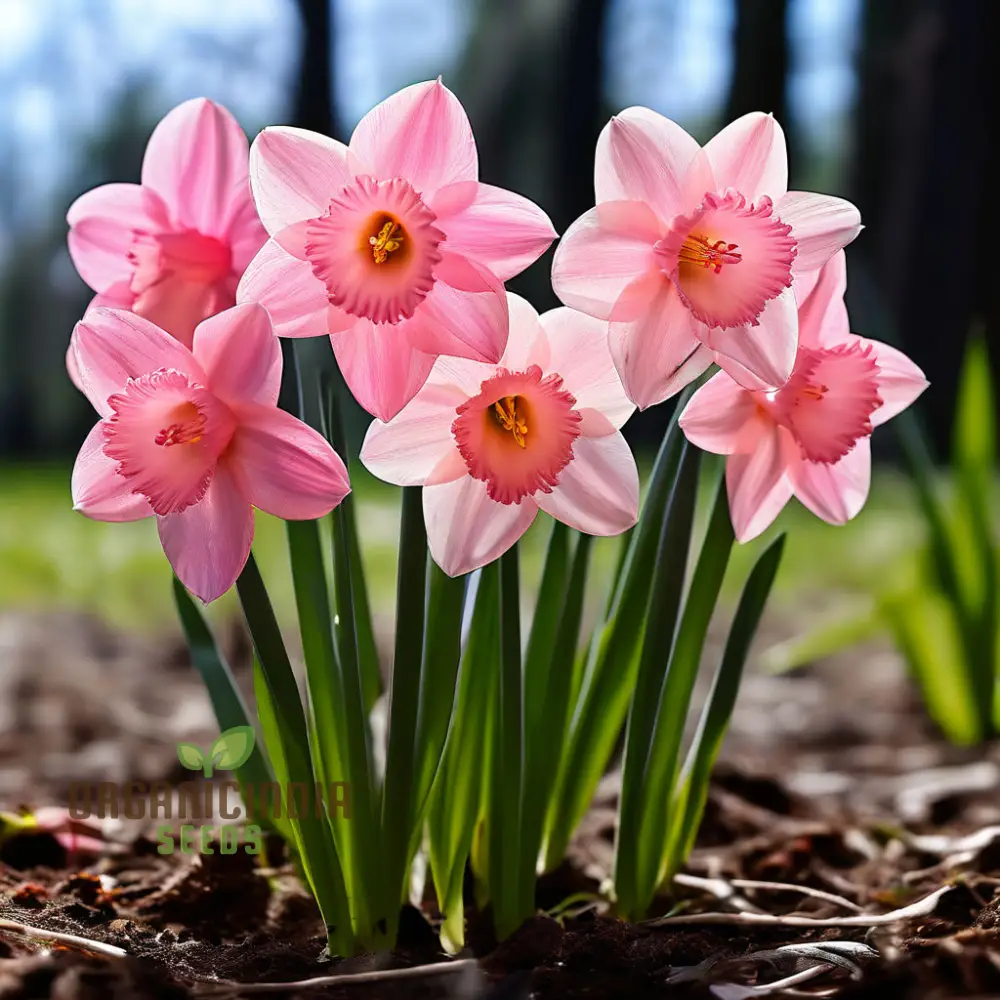
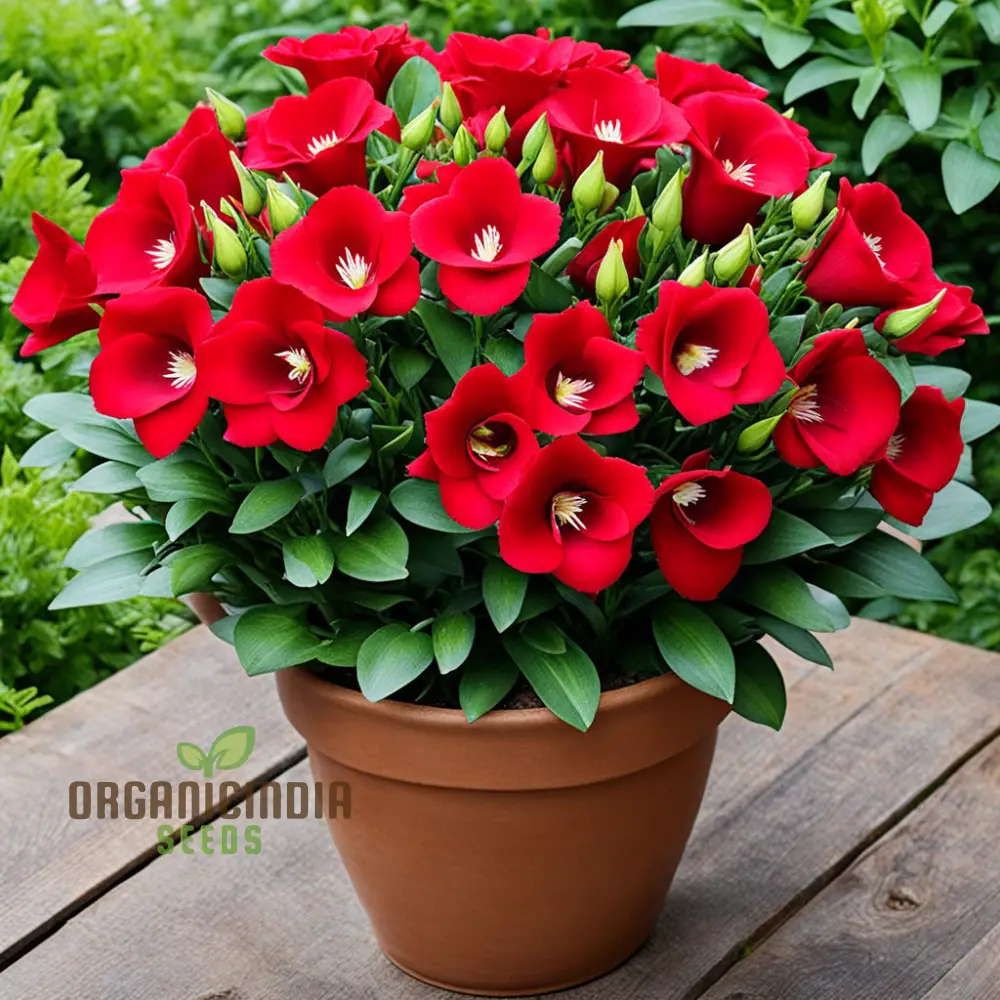
- Bloom Colors: Available in a wide range of colors, including pink, red, white, purple, yellow, and bicolor varieties, some even with ruffled or frilled petals.
- Plant Type: Annual (in most climates)
- Sun Requirements: Full sun to partial shade
- Soil Type: Well-draining, fertile soil
- Watering Needs: Moderate; prefers consistently moist soil but can tolerate short dry periods once established
- Growth Habit: Compact, bushy, and mounding, with trailing varieties perfect for hanging baskets
- Height & Spread: Typically grows 6-18 inches tall, with a spread of 12-24 inches depending on the variety
- Hardiness Zones: USDA Zones 9-11 (often grown as an annual in cooler climates)
Why Grow Petunia Flower Seeds?
- Vibrant Colors: Petunias offer an impressive palette of bright colors that can be used to create striking floral displays in various garden settings.
- Long Blooming Season: Petunias bloom continuously from spring through fall, providing long-lasting color.
- Low Maintenance: They are easy to grow, requiring minimal care once established, making them perfect for both novice and experienced gardeners.
- Attract Pollinators: Petunias attract pollinators like bees and butterflies, helping to promote a healthy ecosystem in your garden.
- Versatile: Ideal for flower beds, borders, hanging baskets, containers, and window boxes, petunias fit many different garden styles and spaces.
Planting & Care Instructions:
-
Seed Preparation & Sowing:
- Start Indoors: Begin petunia seeds indoors 6-8 weeks before the last expected frost date. Sow the seeds on the surface of moist, well-draining seed-starting mix, and do not cover them, as they need light to germinate.
- Temperature & Lighting: Keep the seeds in a warm area with temperatures around 70-75°F (21-24°C), and provide ample light from a sunny window or grow lights. Germination typically occurs in 7-14 days.
- Direct Sowing Outdoors: Once the threat of frost has passed and the soil has warmed up, petunias can be directly sown outdoors, though indoor starting is recommended for earlier blooms.
-
Transplanting & Growth:
- Transplanting: Once seedlings are large enough to handle and all danger of frost has passed, transplant them outdoors, spacing plants 6-12 inches apart to allow for spreading. Petunias can also be grown in containers or hanging baskets.
- Sunlight: Petunias thrive in full sun but can tolerate partial shade, especially in hotter climates where some afternoon shade can help prevent them from wilting.
- Soil: Petunias prefer rich, well-draining soil that is slightly acidic to neutral. Improve soil quality with compost or organic matter.
-
Maintenance:
- Watering: Water regularly to keep the soil moist, but avoid over-watering. Petunias are somewhat drought-tolerant once established but perform best with consistent moisture.
- Fertilization: Apply a balanced, water-soluble fertilizer every 2-3 weeks during the growing season to promote healthy growth and an abundance of blooms.
- Deadheading: Remove dead or spent flowers regularly to encourage new blooms and maintain a tidy appearance.
- Pruning: Prune back any leggy growth to keep plants compact and encourage bushier growth.
-
Winter Care:
- As Annuals: Petunias are typically grown as annuals in most climates and do not survive frost. However, if you live in a mild climate (USDA Zones 9-11), they may continue growing as perennials with some winter protection.
- Indoor Overwintering: In cooler climates, if you wish to preserve petunias for the following year, you can try overwintering them indoors in pots. Bring them inside before the first frost and provide bright light and consistent moisture.
Ideal For:
- Hanging Baskets & Containers: Petunias are perfect for hanging baskets and containers, where their cascading blooms can create a stunning display of color.
- Flower Beds & Borders: Add petunias to flower beds or borders to fill in gaps and create a vibrant, eye-catching display.
- Window Boxes: Petunias thrive in window boxes, providing color and beauty right outside your window.
- Pollinator Gardens: These flowers are great for attracting pollinators, including bees, butterflies, and hummingbirds.
Petunia Flower Seeds are a great way to brighten up your garden with vibrant, colorful blooms. With a wide variety of colors and easy care requirements, petunias are perfect for adding a splash of color to any outdoor space. Plant them in containers, baskets, or flower beds, and enjoy their beauty throughout the season!
Original: $16.99
-65%$16.99
$5.95More Images
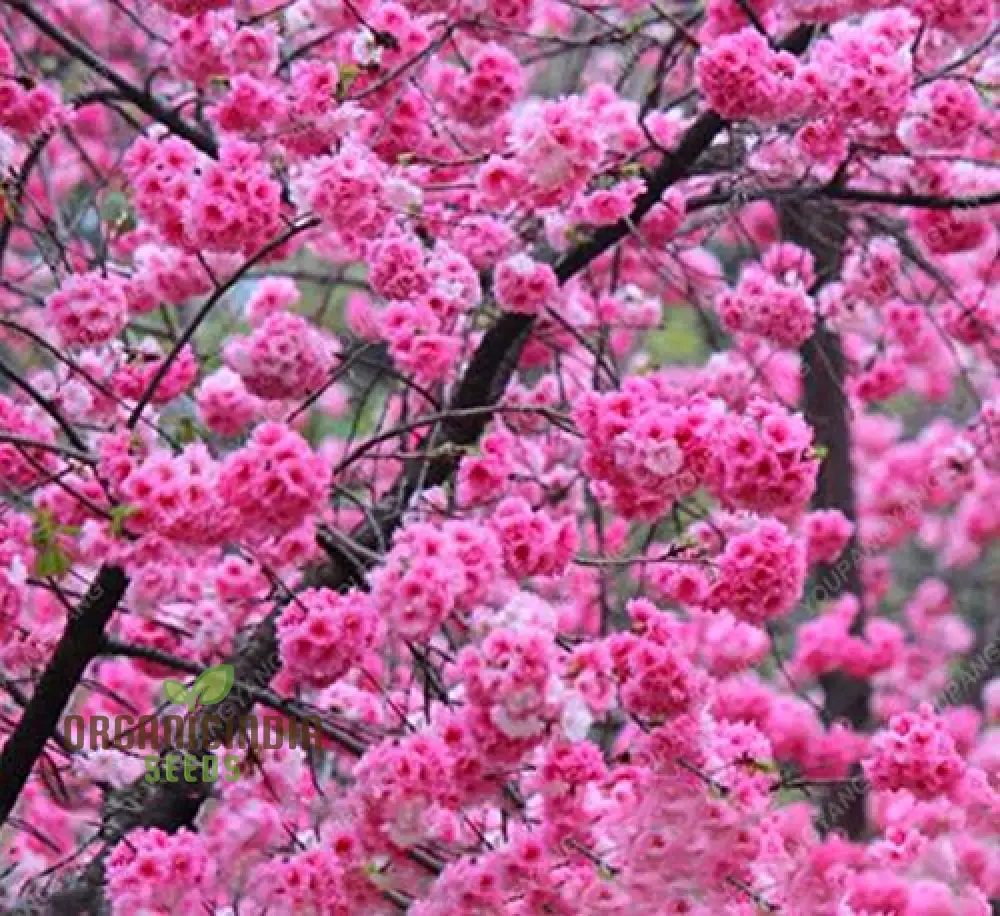
Petunia Flower Seeds for Planting - 100 pcs
Petunia Flower Seeds are a fantastic choice for adding vibrant, colorful blooms to your garden. Known for their wide variety of colors, patterns, and shapes, petunias are perfect for hanging baskets, containers, borders, and garden beds. With their long blooming season and easy care, petunias are a gardener favorite that provides stunning flowers from spring to fall.
Key Features:
- Scientific Name: Petunia spp.
- Common Name: Petunia
- Bloom Colors: Available in a wide range of colors, including pink, red, white, purple, yellow, and bicolor varieties, some even with ruffled or frilled petals.
- Plant Type: Annual (in most climates)
- Sun Requirements: Full sun to partial shade
- Soil Type: Well-draining, fertile soil
- Watering Needs: Moderate; prefers consistently moist soil but can tolerate short dry periods once established
- Growth Habit: Compact, bushy, and mounding, with trailing varieties perfect for hanging baskets
- Height & Spread: Typically grows 6-18 inches tall, with a spread of 12-24 inches depending on the variety
- Hardiness Zones: USDA Zones 9-11 (often grown as an annual in cooler climates)
Why Grow Petunia Flower Seeds?
- Vibrant Colors: Petunias offer an impressive palette of bright colors that can be used to create striking floral displays in various garden settings.
- Long Blooming Season: Petunias bloom continuously from spring through fall, providing long-lasting color.
- Low Maintenance: They are easy to grow, requiring minimal care once established, making them perfect for both novice and experienced gardeners.
- Attract Pollinators: Petunias attract pollinators like bees and butterflies, helping to promote a healthy ecosystem in your garden.
- Versatile: Ideal for flower beds, borders, hanging baskets, containers, and window boxes, petunias fit many different garden styles and spaces.
Planting & Care Instructions:
-
Seed Preparation & Sowing:
- Start Indoors: Begin petunia seeds indoors 6-8 weeks before the last expected frost date. Sow the seeds on the surface of moist, well-draining seed-starting mix, and do not cover them, as they need light to germinate.
- Temperature & Lighting: Keep the seeds in a warm area with temperatures around 70-75°F (21-24°C), and provide ample light from a sunny window or grow lights. Germination typically occurs in 7-14 days.
- Direct Sowing Outdoors: Once the threat of frost has passed and the soil has warmed up, petunias can be directly sown outdoors, though indoor starting is recommended for earlier blooms.
-
Transplanting & Growth:
- Transplanting: Once seedlings are large enough to handle and all danger of frost has passed, transplant them outdoors, spacing plants 6-12 inches apart to allow for spreading. Petunias can also be grown in containers or hanging baskets.
- Sunlight: Petunias thrive in full sun but can tolerate partial shade, especially in hotter climates where some afternoon shade can help prevent them from wilting.
- Soil: Petunias prefer rich, well-draining soil that is slightly acidic to neutral. Improve soil quality with compost or organic matter.
-
Maintenance:
- Watering: Water regularly to keep the soil moist, but avoid over-watering. Petunias are somewhat drought-tolerant once established but perform best with consistent moisture.
- Fertilization: Apply a balanced, water-soluble fertilizer every 2-3 weeks during the growing season to promote healthy growth and an abundance of blooms.
- Deadheading: Remove dead or spent flowers regularly to encourage new blooms and maintain a tidy appearance.
- Pruning: Prune back any leggy growth to keep plants compact and encourage bushier growth.
-
Winter Care:
- As Annuals: Petunias are typically grown as annuals in most climates and do not survive frost. However, if you live in a mild climate (USDA Zones 9-11), they may continue growing as perennials with some winter protection.
- Indoor Overwintering: In cooler climates, if you wish to preserve petunias for the following year, you can try overwintering them indoors in pots. Bring them inside before the first frost and provide bright light and consistent moisture.
Ideal For:
- Hanging Baskets & Containers: Petunias are perfect for hanging baskets and containers, where their cascading blooms can create a stunning display of color.
- Flower Beds & Borders: Add petunias to flower beds or borders to fill in gaps and create a vibrant, eye-catching display.
- Window Boxes: Petunias thrive in window boxes, providing color and beauty right outside your window.
- Pollinator Gardens: These flowers are great for attracting pollinators, including bees, butterflies, and hummingbirds.
Petunia Flower Seeds are a great way to brighten up your garden with vibrant, colorful blooms. With a wide variety of colors and easy care requirements, petunias are perfect for adding a splash of color to any outdoor space. Plant them in containers, baskets, or flower beds, and enjoy their beauty throughout the season!
Product Information
Product Information
Shipping & Returns
Shipping & Returns
Description
Petunia Flower Seeds are a fantastic choice for adding vibrant, colorful blooms to your garden. Known for their wide variety of colors, patterns, and shapes, petunias are perfect for hanging baskets, containers, borders, and garden beds. With their long blooming season and easy care, petunias are a gardener favorite that provides stunning flowers from spring to fall.
Key Features:
- Scientific Name: Petunia spp.
- Common Name: Petunia
- Bloom Colors: Available in a wide range of colors, including pink, red, white, purple, yellow, and bicolor varieties, some even with ruffled or frilled petals.
- Plant Type: Annual (in most climates)
- Sun Requirements: Full sun to partial shade
- Soil Type: Well-draining, fertile soil
- Watering Needs: Moderate; prefers consistently moist soil but can tolerate short dry periods once established
- Growth Habit: Compact, bushy, and mounding, with trailing varieties perfect for hanging baskets
- Height & Spread: Typically grows 6-18 inches tall, with a spread of 12-24 inches depending on the variety
- Hardiness Zones: USDA Zones 9-11 (often grown as an annual in cooler climates)
Why Grow Petunia Flower Seeds?
- Vibrant Colors: Petunias offer an impressive palette of bright colors that can be used to create striking floral displays in various garden settings.
- Long Blooming Season: Petunias bloom continuously from spring through fall, providing long-lasting color.
- Low Maintenance: They are easy to grow, requiring minimal care once established, making them perfect for both novice and experienced gardeners.
- Attract Pollinators: Petunias attract pollinators like bees and butterflies, helping to promote a healthy ecosystem in your garden.
- Versatile: Ideal for flower beds, borders, hanging baskets, containers, and window boxes, petunias fit many different garden styles and spaces.
Planting & Care Instructions:
-
Seed Preparation & Sowing:
- Start Indoors: Begin petunia seeds indoors 6-8 weeks before the last expected frost date. Sow the seeds on the surface of moist, well-draining seed-starting mix, and do not cover them, as they need light to germinate.
- Temperature & Lighting: Keep the seeds in a warm area with temperatures around 70-75°F (21-24°C), and provide ample light from a sunny window or grow lights. Germination typically occurs in 7-14 days.
- Direct Sowing Outdoors: Once the threat of frost has passed and the soil has warmed up, petunias can be directly sown outdoors, though indoor starting is recommended for earlier blooms.
-
Transplanting & Growth:
- Transplanting: Once seedlings are large enough to handle and all danger of frost has passed, transplant them outdoors, spacing plants 6-12 inches apart to allow for spreading. Petunias can also be grown in containers or hanging baskets.
- Sunlight: Petunias thrive in full sun but can tolerate partial shade, especially in hotter climates where some afternoon shade can help prevent them from wilting.
- Soil: Petunias prefer rich, well-draining soil that is slightly acidic to neutral. Improve soil quality with compost or organic matter.
-
Maintenance:
- Watering: Water regularly to keep the soil moist, but avoid over-watering. Petunias are somewhat drought-tolerant once established but perform best with consistent moisture.
- Fertilization: Apply a balanced, water-soluble fertilizer every 2-3 weeks during the growing season to promote healthy growth and an abundance of blooms.
- Deadheading: Remove dead or spent flowers regularly to encourage new blooms and maintain a tidy appearance.
- Pruning: Prune back any leggy growth to keep plants compact and encourage bushier growth.
-
Winter Care:
- As Annuals: Petunias are typically grown as annuals in most climates and do not survive frost. However, if you live in a mild climate (USDA Zones 9-11), they may continue growing as perennials with some winter protection.
- Indoor Overwintering: In cooler climates, if you wish to preserve petunias for the following year, you can try overwintering them indoors in pots. Bring them inside before the first frost and provide bright light and consistent moisture.
Ideal For:
- Hanging Baskets & Containers: Petunias are perfect for hanging baskets and containers, where their cascading blooms can create a stunning display of color.
- Flower Beds & Borders: Add petunias to flower beds or borders to fill in gaps and create a vibrant, eye-catching display.
- Window Boxes: Petunias thrive in window boxes, providing color and beauty right outside your window.
- Pollinator Gardens: These flowers are great for attracting pollinators, including bees, butterflies, and hummingbirds.
Petunia Flower Seeds are a great way to brighten up your garden with vibrant, colorful blooms. With a wide variety of colors and easy care requirements, petunias are perfect for adding a splash of color to any outdoor space. Plant them in containers, baskets, or flower beds, and enjoy their beauty throughout the season!