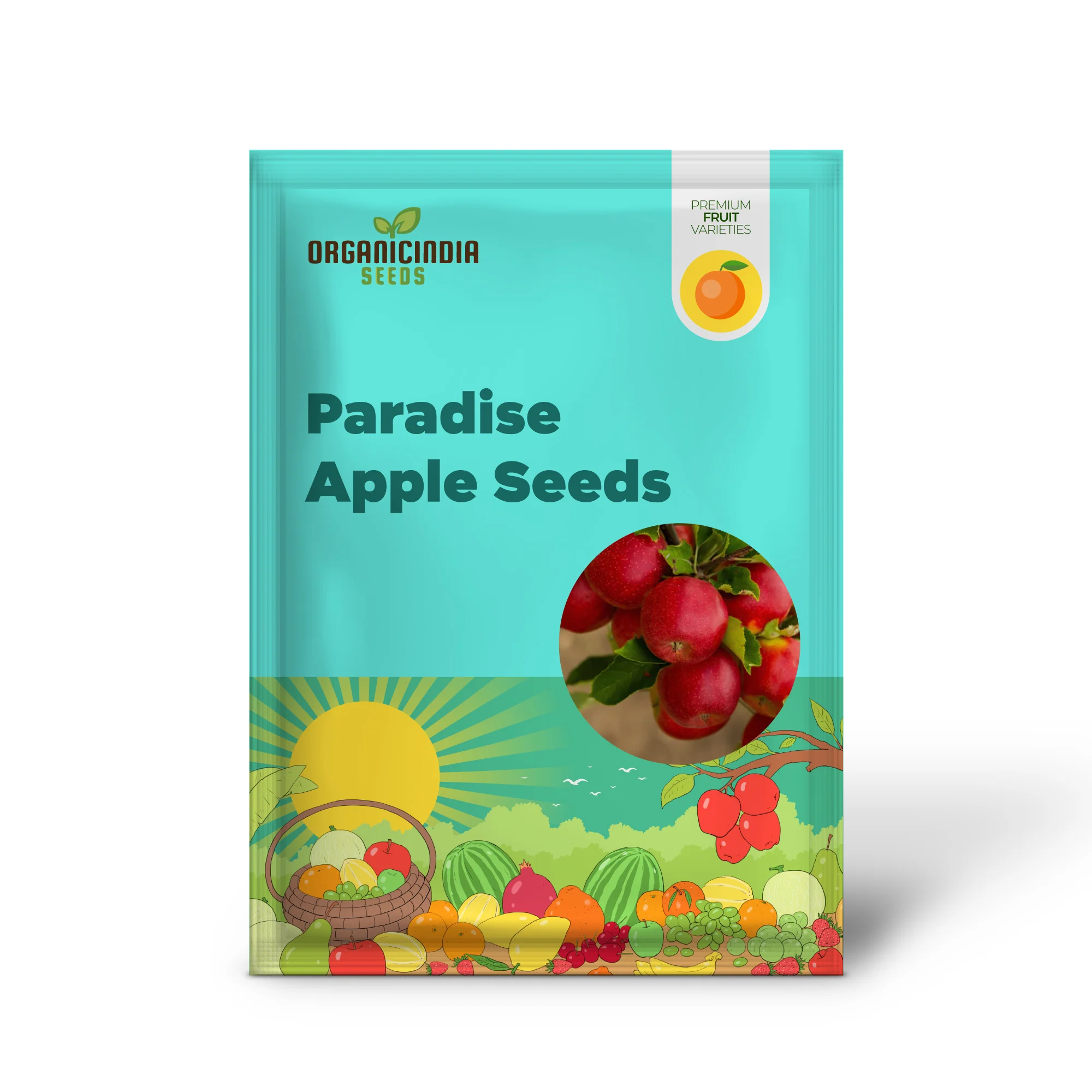
Paradise Apple Seeds
Key Features:
-
Heirloom Variety: Classic Paradise Apple variety known for its sweet flavor and strong aroma.
-
Non-GMO & Natural: Open-pollinated seeds suitable for organic home gardens.
-
Cold-Hardy Trees: Thrives in temperate climates and tolerates frost well.
-
High-Yielding Fruit Trees: Produces abundant apples ideal for fresh eating and preserving.
-
Long-Lived Trees: With proper care, trees bear fruit for decades.
-
Great for Containers or Orchards: Ideal for backyard gardens and small orchard setups.
Specifications:
-
Scientific Name: Malus pumila (Paradise Apple)
-
Common Name (US): Paradise Apple
-
Plant Type: Perennial Deciduous Tree
-
USDA Hardiness Zones: 4–9
-
Sun Exposure: Full Sun (at least 6–8 hours daily)
-
Soil Type: Well-drained loamy or sandy soil
-
Soil pH: 6.0–7.5
-
Growth Height: 10–20 feet tall (depending on conditions)
-
Spread: 8–15 feet
-
Bloom Season: Spring
-
Harvest Season: Late Summer to Early Fall
-
Seed Type: Non-GMO, Heirloom Variety
-
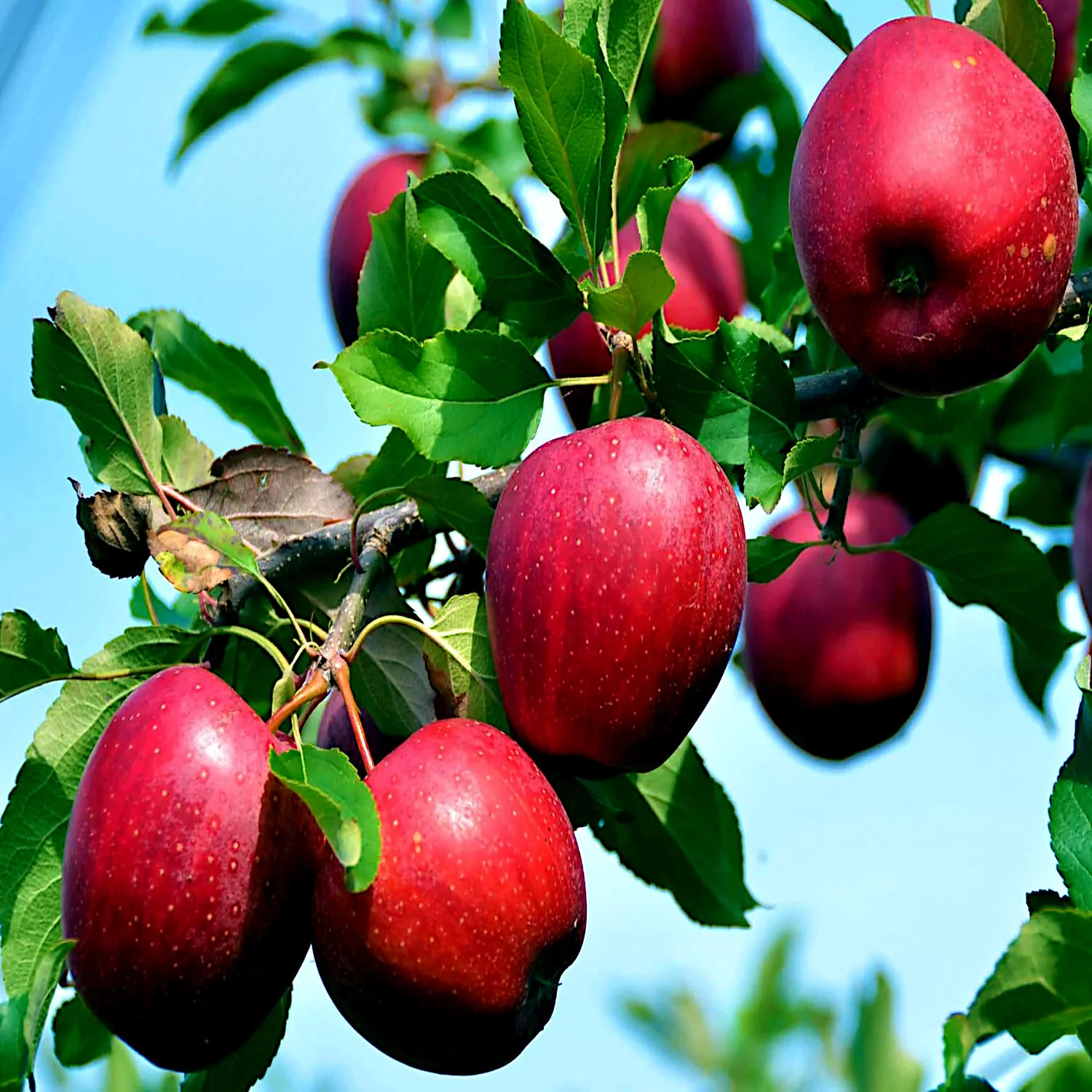
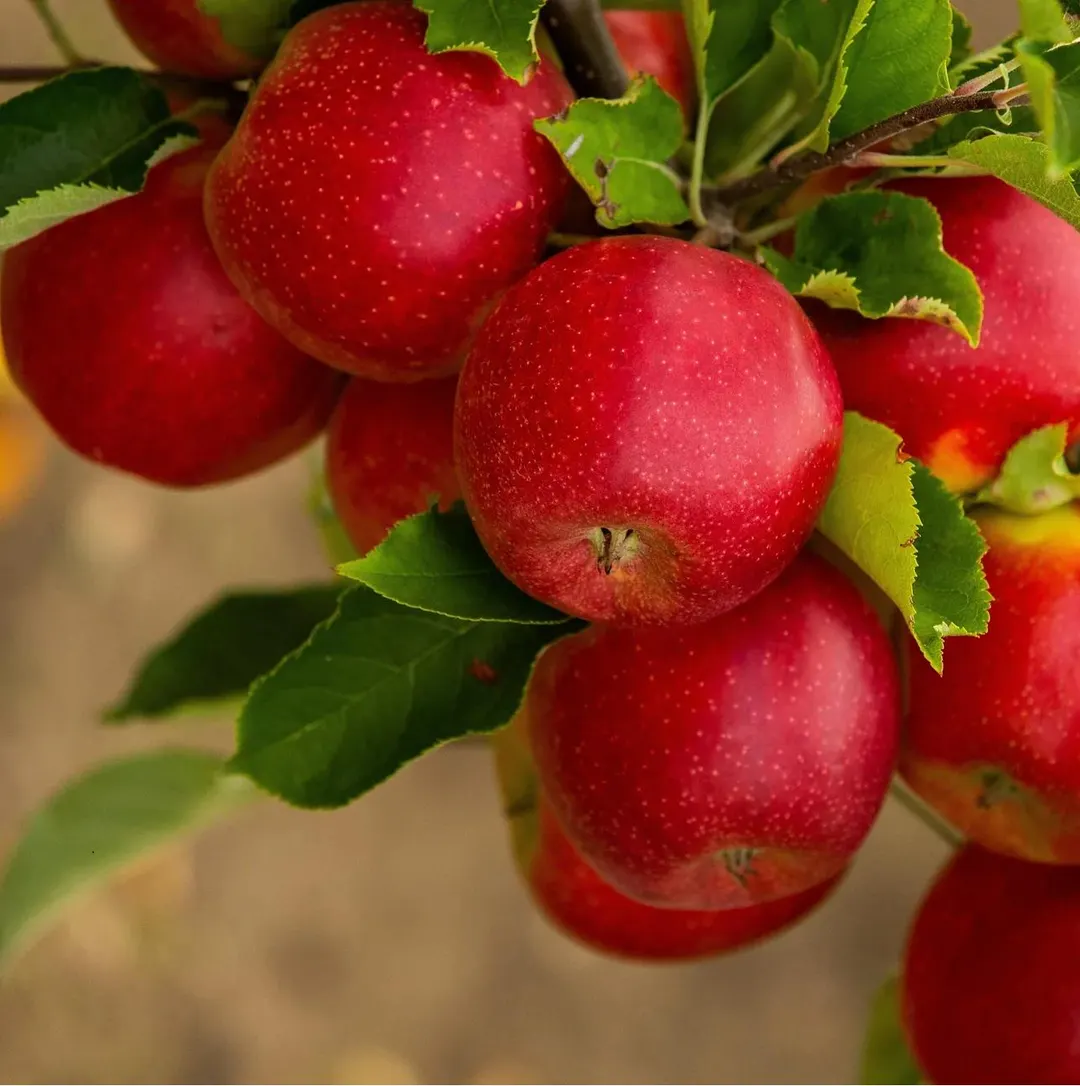
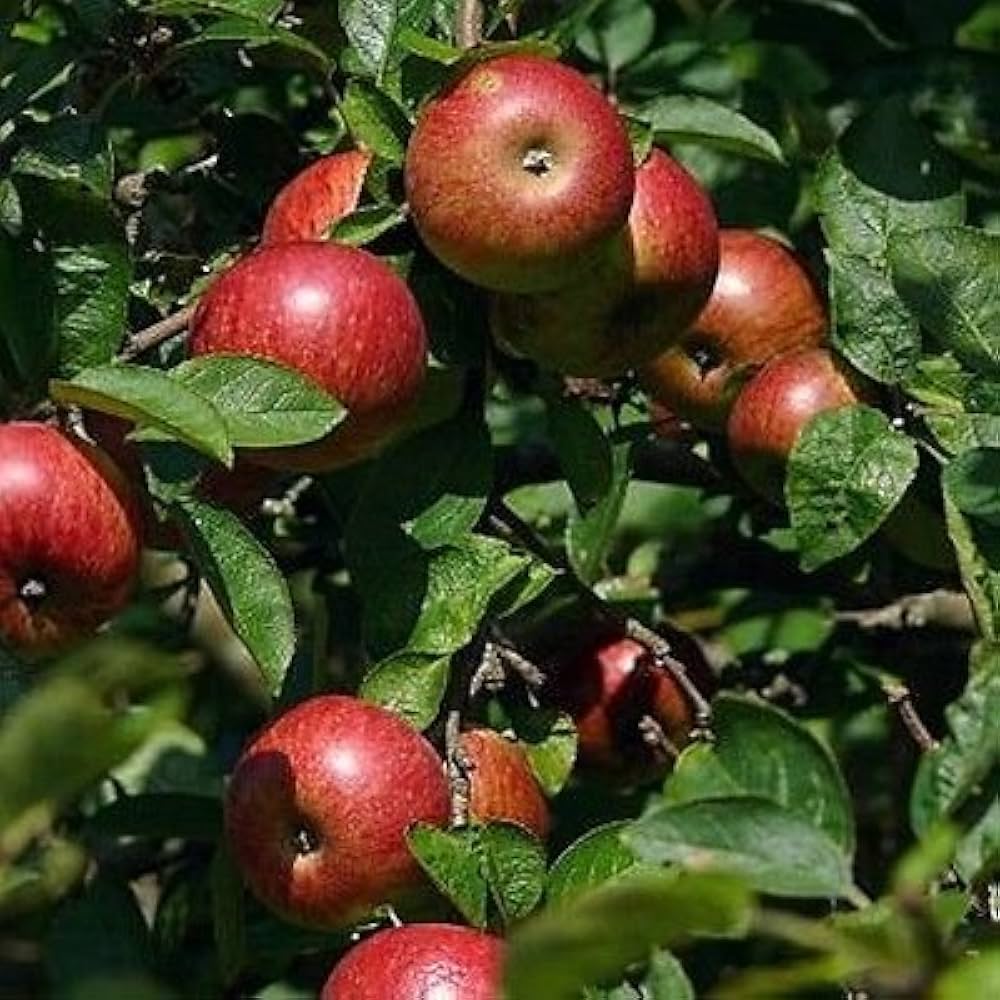
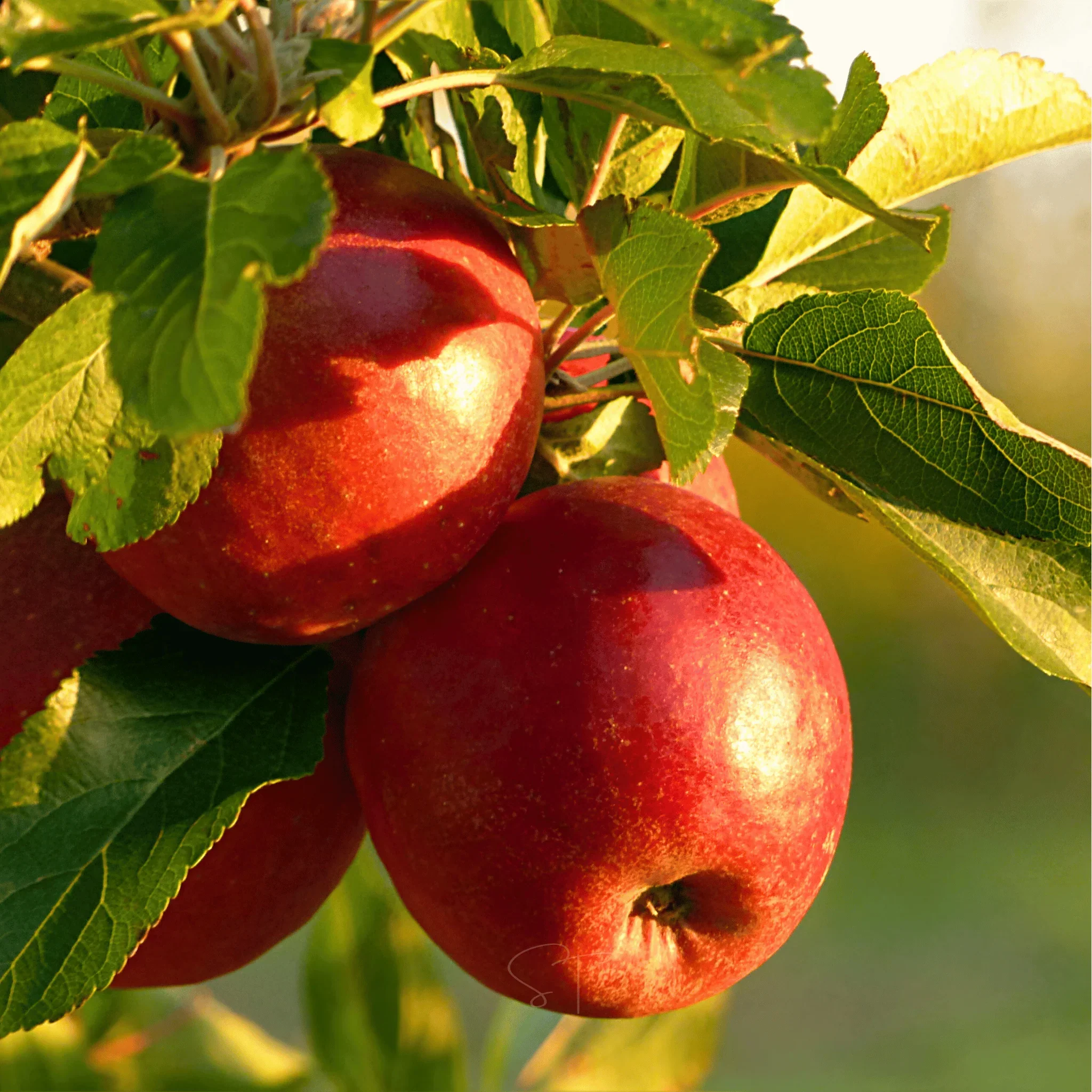
Fruit Description: Small to medium-sized, sweet, aromatic red apples
-
Germination Time: 14–30 days (requires cold stratification)
-
Temperature for Germination: 65–75°F (18–24°C)
-
Planting Depth: ½ inch (1.3 cm)
-
Spacing: 12–20 feet between trees
-
Pollination: Cross-pollination recommended for best yield
-
Water Requirements: Moderate; keep soil moist but not waterlogged
-
Lifespan: Long-lived perennial (up to 40–50 years)
-
Uses: Fresh eating, juicing, baking, preserves, ornamental planting
Planting Guide:
-
Cold Stratification: Chill seeds in moist sand or paper towel inside a refrigerator for 60–90 days before sowing.
-
Seed Starting: Sow stratified seeds in pots indoors ¼–½ inch deep in moist soil.
-
Transplanting: Move seedlings outdoors after frost risk has passed and they reach 6–8 inches tall.
-
Sunlight: Plant in full sun for healthy growth and maximum fruiting.
-
Soil Preparation: Mix compost or organic matter into the planting site for nutrient-rich soil.
-
Watering: Keep soil evenly moist during early growth and fruiting stages.
-
Fertilization: Apply balanced organic fertilizer in spring and mid-summer.
-
Pruning: Prune annually to maintain shape and encourage fruit production.
More Images
Paradise Apple Seeds
Key Features:
-
Heirloom Variety: Classic Paradise Apple variety known for its sweet flavor and strong aroma.
-
Non-GMO & Natural: Open-pollinated seeds suitable for organic home gardens.
-
Cold-Hardy Trees: Thrives in temperate climates and tolerates frost well.
-
High-Yielding Fruit Trees: Produces abundant apples ideal for fresh eating and preserving.
-
Long-Lived Trees: With proper care, trees bear fruit for decades.
-
Great for Containers or Orchards: Ideal for backyard gardens and small orchard setups.
Specifications:
-
Scientific Name: Malus pumila (Paradise Apple)
-
Common Name (US): Paradise Apple
-
Plant Type: Perennial Deciduous Tree
-
USDA Hardiness Zones: 4–9
-
Sun Exposure: Full Sun (at least 6–8 hours daily)
-
Soil Type: Well-drained loamy or sandy soil
-
Soil pH: 6.0–7.5
-
Growth Height: 10–20 feet tall (depending on conditions)
-
Spread: 8–15 feet
-
Bloom Season: Spring
-
Harvest Season: Late Summer to Early Fall
-
Seed Type: Non-GMO, Heirloom Variety
-
Fruit Description: Small to medium-sized, sweet, aromatic red apples
-
Germination Time: 14–30 days (requires cold stratification)
-
Temperature for Germination: 65–75°F (18–24°C)
-
Planting Depth: ½ inch (1.3 cm)
-
Spacing: 12–20 feet between trees
-
Pollination: Cross-pollination recommended for best yield
-
Water Requirements: Moderate; keep soil moist but not waterlogged
-
Lifespan: Long-lived perennial (up to 40–50 years)
-
Uses: Fresh eating, juicing, baking, preserves, ornamental planting
Planting Guide:
-
Cold Stratification: Chill seeds in moist sand or paper towel inside a refrigerator for 60–90 days before sowing.
-
Seed Starting: Sow stratified seeds in pots indoors ¼–½ inch deep in moist soil.
-
Transplanting: Move seedlings outdoors after frost risk has passed and they reach 6–8 inches tall.
-
Sunlight: Plant in full sun for healthy growth and maximum fruiting.
-
Soil Preparation: Mix compost or organic matter into the planting site for nutrient-rich soil.
-
Watering: Keep soil evenly moist during early growth and fruiting stages.
-
Fertilization: Apply balanced organic fertilizer in spring and mid-summer.
-
Pruning: Prune annually to maintain shape and encourage fruit production.
Product Information
Product Information
Shipping & Returns
Shipping & Returns
Description
Key Features:
-
Heirloom Variety: Classic Paradise Apple variety known for its sweet flavor and strong aroma.
-
Non-GMO & Natural: Open-pollinated seeds suitable for organic home gardens.
-
Cold-Hardy Trees: Thrives in temperate climates and tolerates frost well.
-
High-Yielding Fruit Trees: Produces abundant apples ideal for fresh eating and preserving.
-
Long-Lived Trees: With proper care, trees bear fruit for decades.
-
Great for Containers or Orchards: Ideal for backyard gardens and small orchard setups.
Specifications:
-
Scientific Name: Malus pumila (Paradise Apple)
-
Common Name (US): Paradise Apple
-
Plant Type: Perennial Deciduous Tree
-
USDA Hardiness Zones: 4–9
-
Sun Exposure: Full Sun (at least 6–8 hours daily)
-
Soil Type: Well-drained loamy or sandy soil
-
Soil pH: 6.0–7.5
-
Growth Height: 10–20 feet tall (depending on conditions)
-
Spread: 8–15 feet
-
Bloom Season: Spring
-
Harvest Season: Late Summer to Early Fall
-
Seed Type: Non-GMO, Heirloom Variety
-
Fruit Description: Small to medium-sized, sweet, aromatic red apples
-
Germination Time: 14–30 days (requires cold stratification)
-
Temperature for Germination: 65–75°F (18–24°C)
-
Planting Depth: ½ inch (1.3 cm)
-
Spacing: 12–20 feet between trees
-
Pollination: Cross-pollination recommended for best yield
-
Water Requirements: Moderate; keep soil moist but not waterlogged
-
Lifespan: Long-lived perennial (up to 40–50 years)
-
Uses: Fresh eating, juicing, baking, preserves, ornamental planting
Planting Guide:
-
Cold Stratification: Chill seeds in moist sand or paper towel inside a refrigerator for 60–90 days before sowing.
-
Seed Starting: Sow stratified seeds in pots indoors ¼–½ inch deep in moist soil.
-
Transplanting: Move seedlings outdoors after frost risk has passed and they reach 6–8 inches tall.
-
Sunlight: Plant in full sun for healthy growth and maximum fruiting.
-
Soil Preparation: Mix compost or organic matter into the planting site for nutrient-rich soil.
-
Watering: Keep soil evenly moist during early growth and fruiting stages.
-
Fertilization: Apply balanced organic fertilizer in spring and mid-summer.
-
Pruning: Prune annually to maintain shape and encourage fruit production.