🎉 Up to 70% Off Selected ItemsShop Sale
HomeStore
Nasturtium Seeds - Blue Pepe | Hardy Annual Flowers for Garden Planting | Edible Flowers, Easy to Grow
Nasturtium Seeds - Blue Pepe | Hardy Annual Flowers for Garden Planting | Edible Flowers, Easy to Grow
Nasturtium 'Blue Pepe' Seeds – Hardy Annual with Edible Flowers
Key Features
- Scientific Name: Tropaeolum majus 'Blue Pepe'
- Common Name: Blue Pepe Nasturtium
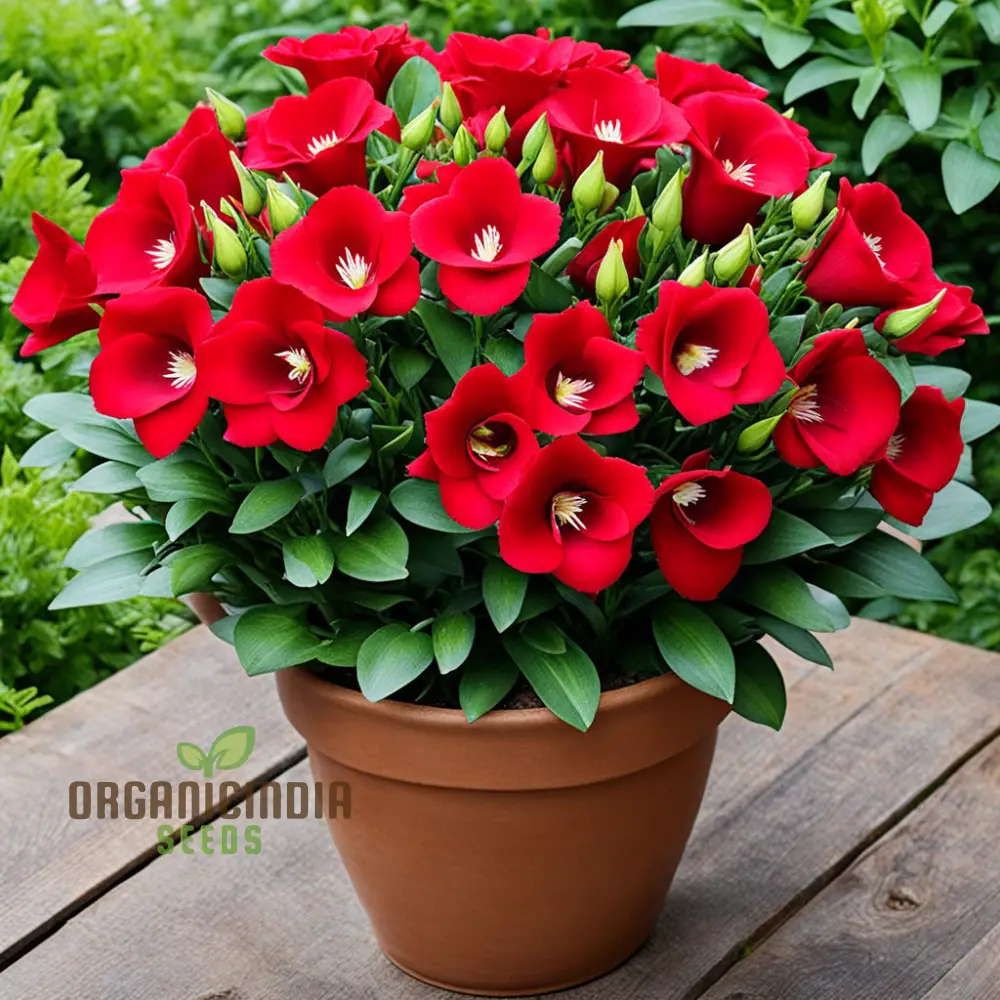
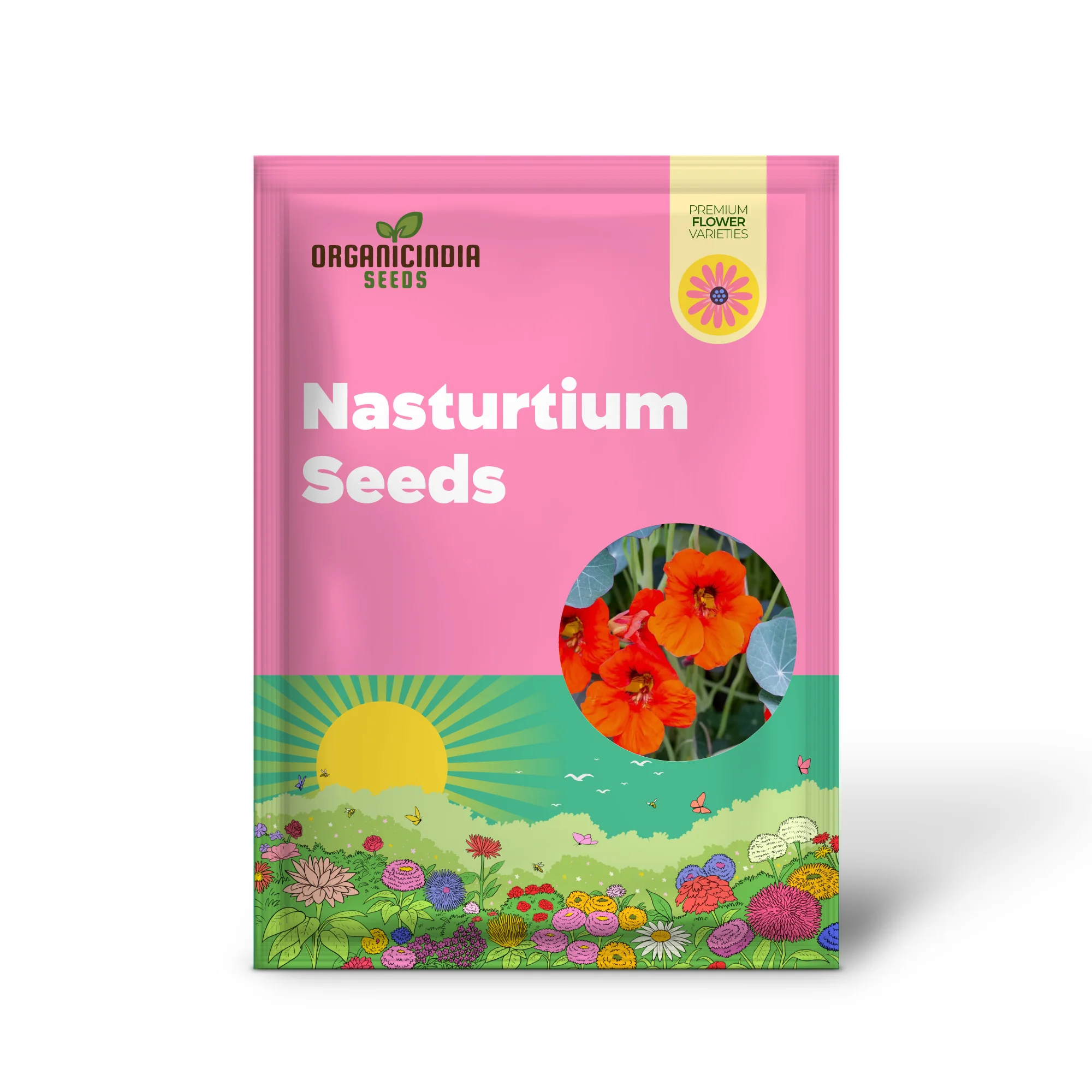
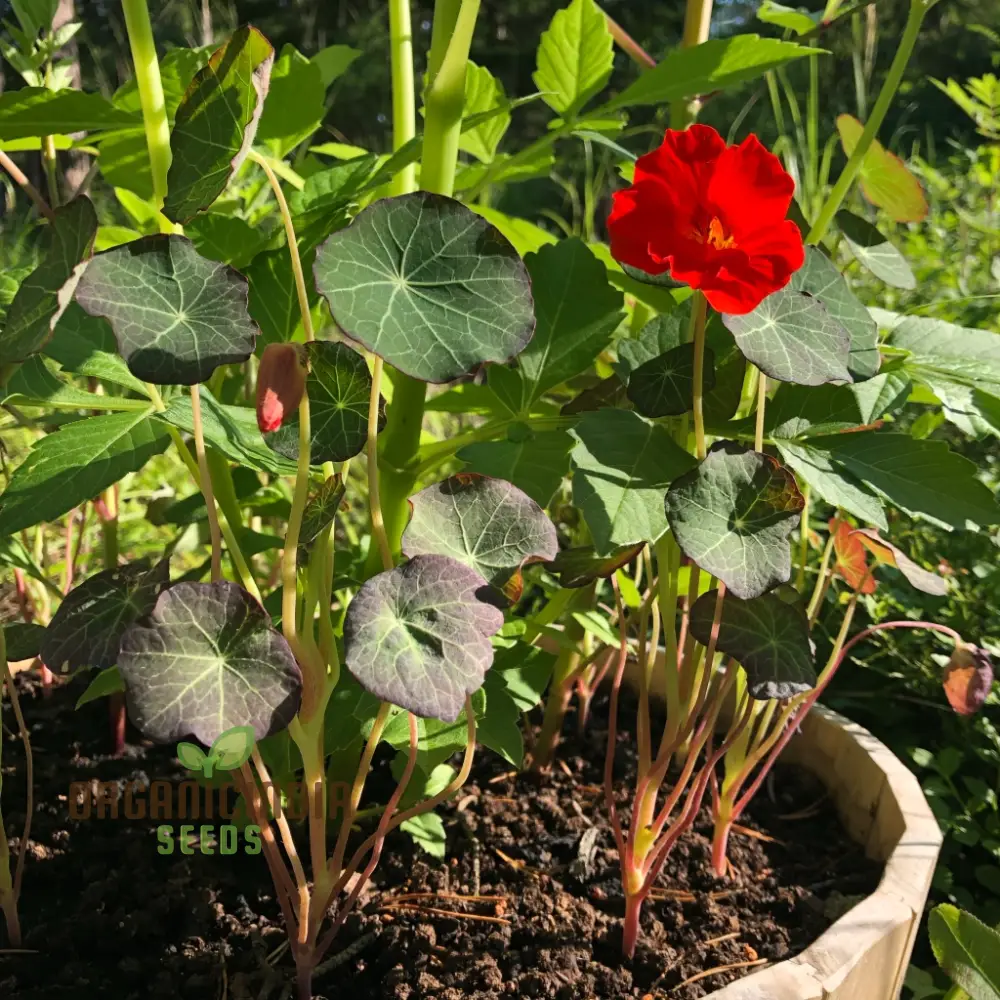
- Flower Colors: Unique blue-green leaves with vibrant red-orange flowers
- Plant Type: Hardy annual
- Mature Height: 8-12 inches, making it perfect for containers and garden beds
- Bloom Type: Bright, trumpet-shaped edible flowers
- Bloom Season: Spring to fall, with continuous flowering
- Sun Requirements: Full sun to partial shade (at least 6 hours of sunlight)
- Soil Type: Well-draining, moderately fertile soil
- Watering Needs: Low to moderate; drought-tolerant once established
- Pack Size: High-quality seeds for easy cultivation
Why Grow Nasturtium 'Blue Pepe'?
- Edible flowers and leaves with a slightly spicy, peppery taste
- Hardy and low-maintenance, ideal for beginner gardeners
- Fast-growing and vigorous, perfect for garden beds, hanging baskets, and containers
- Attracts pollinators like bees and butterflies
- Drought-tolerant and thrives in poor soil conditions
Planting & Care Instructions
Seed Germination & Sowing
- Sowing Time: Direct sow outdoors after the last frost or start indoors 2-4 weeks before
- Planting Depth: ½ inch deep in soil
- Soil Temperature: 55-70°F (13-21°C) for best germination
- Watering: Keep soil evenly moist but avoid overwatering
- Germination Time: 7-14 days
Growing & Maintenance
- Light Requirements: Prefers full sun, but tolerates light shade
- Watering: Water once a week, allowing soil to dry slightly between watering
- Fertilization: Avoid excessive fertilization to encourage flowering over foliage
- Pruning: Deadhead spent flowers to prolong blooming
- Pest & Disease Resistance: Generally hardy, but watch for aphids and caterpillars
Best Uses
- Edible Gardening: Flowers and leaves are perfect for salads and garnishes
- Container Gardening: Thrives in pots and hanging baskets
- Companion Planting: Repels garden pests and benefits vegetable gardens
- Pollinator Gardens: Attracts bees, butterflies, and beneficial insects
Order Now and Enjoy the Beauty and Flavor of Nasturtium 'Blue Pepe' in Your Garden
Select Size
From $5.95
Original: $16.99
-65%Nasturtium Seeds - Blue Pepe | Hardy Annual Flowers for Garden Planting | Edible Flowers, Easy to Grow—
$16.99
$5.95More Images
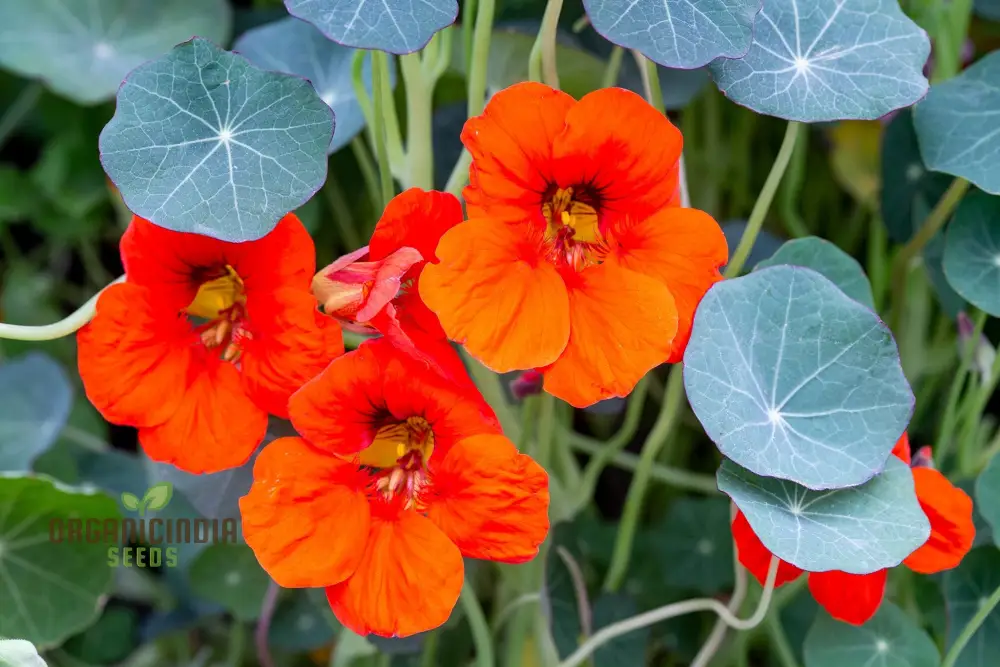
Nasturtium Seeds - Blue Pepe | Hardy Annual Flowers for Garden Planting | Edible Flowers, Easy to Grow
Nasturtium 'Blue Pepe' Seeds – Hardy Annual with Edible Flowers
Key Features
- Scientific Name: Tropaeolum majus 'Blue Pepe'
- Common Name: Blue Pepe Nasturtium
- Flower Colors: Unique blue-green leaves with vibrant red-orange flowers
- Plant Type: Hardy annual
- Mature Height: 8-12 inches, making it perfect for containers and garden beds
- Bloom Type: Bright, trumpet-shaped edible flowers
- Bloom Season: Spring to fall, with continuous flowering
- Sun Requirements: Full sun to partial shade (at least 6 hours of sunlight)
- Soil Type: Well-draining, moderately fertile soil
- Watering Needs: Low to moderate; drought-tolerant once established
- Pack Size: High-quality seeds for easy cultivation
Why Grow Nasturtium 'Blue Pepe'?
- Edible flowers and leaves with a slightly spicy, peppery taste
- Hardy and low-maintenance, ideal for beginner gardeners
- Fast-growing and vigorous, perfect for garden beds, hanging baskets, and containers
- Attracts pollinators like bees and butterflies
- Drought-tolerant and thrives in poor soil conditions
Planting & Care Instructions
Seed Germination & Sowing
- Sowing Time: Direct sow outdoors after the last frost or start indoors 2-4 weeks before
- Planting Depth: ½ inch deep in soil
- Soil Temperature: 55-70°F (13-21°C) for best germination
- Watering: Keep soil evenly moist but avoid overwatering
- Germination Time: 7-14 days
Growing & Maintenance
- Light Requirements: Prefers full sun, but tolerates light shade
- Watering: Water once a week, allowing soil to dry slightly between watering
- Fertilization: Avoid excessive fertilization to encourage flowering over foliage
- Pruning: Deadhead spent flowers to prolong blooming
- Pest & Disease Resistance: Generally hardy, but watch for aphids and caterpillars
Best Uses
- Edible Gardening: Flowers and leaves are perfect for salads and garnishes
- Container Gardening: Thrives in pots and hanging baskets
- Companion Planting: Repels garden pests and benefits vegetable gardens
- Pollinator Gardens: Attracts bees, butterflies, and beneficial insects
Order Now and Enjoy the Beauty and Flavor of Nasturtium 'Blue Pepe' in Your Garden
Product Information
Product Information
Shipping & Returns
Shipping & Returns
Description
Nasturtium 'Blue Pepe' Seeds – Hardy Annual with Edible Flowers
Key Features
- Scientific Name: Tropaeolum majus 'Blue Pepe'
- Common Name: Blue Pepe Nasturtium
- Flower Colors: Unique blue-green leaves with vibrant red-orange flowers
- Plant Type: Hardy annual
- Mature Height: 8-12 inches, making it perfect for containers and garden beds
- Bloom Type: Bright, trumpet-shaped edible flowers
- Bloom Season: Spring to fall, with continuous flowering
- Sun Requirements: Full sun to partial shade (at least 6 hours of sunlight)
- Soil Type: Well-draining, moderately fertile soil
- Watering Needs: Low to moderate; drought-tolerant once established
- Pack Size: High-quality seeds for easy cultivation
Why Grow Nasturtium 'Blue Pepe'?
- Edible flowers and leaves with a slightly spicy, peppery taste
- Hardy and low-maintenance, ideal for beginner gardeners
- Fast-growing and vigorous, perfect for garden beds, hanging baskets, and containers
- Attracts pollinators like bees and butterflies
- Drought-tolerant and thrives in poor soil conditions
Planting & Care Instructions
Seed Germination & Sowing
- Sowing Time: Direct sow outdoors after the last frost or start indoors 2-4 weeks before
- Planting Depth: ½ inch deep in soil
- Soil Temperature: 55-70°F (13-21°C) for best germination
- Watering: Keep soil evenly moist but avoid overwatering
- Germination Time: 7-14 days
Growing & Maintenance
- Light Requirements: Prefers full sun, but tolerates light shade
- Watering: Water once a week, allowing soil to dry slightly between watering
- Fertilization: Avoid excessive fertilization to encourage flowering over foliage
- Pruning: Deadhead spent flowers to prolong blooming
- Pest & Disease Resistance: Generally hardy, but watch for aphids and caterpillars
Best Uses
- Edible Gardening: Flowers and leaves are perfect for salads and garnishes
- Container Gardening: Thrives in pots and hanging baskets
- Companion Planting: Repels garden pests and benefits vegetable gardens
- Pollinator Gardens: Attracts bees, butterflies, and beneficial insects