Nasturtium Flower Seeds for Planting - 100 pcs
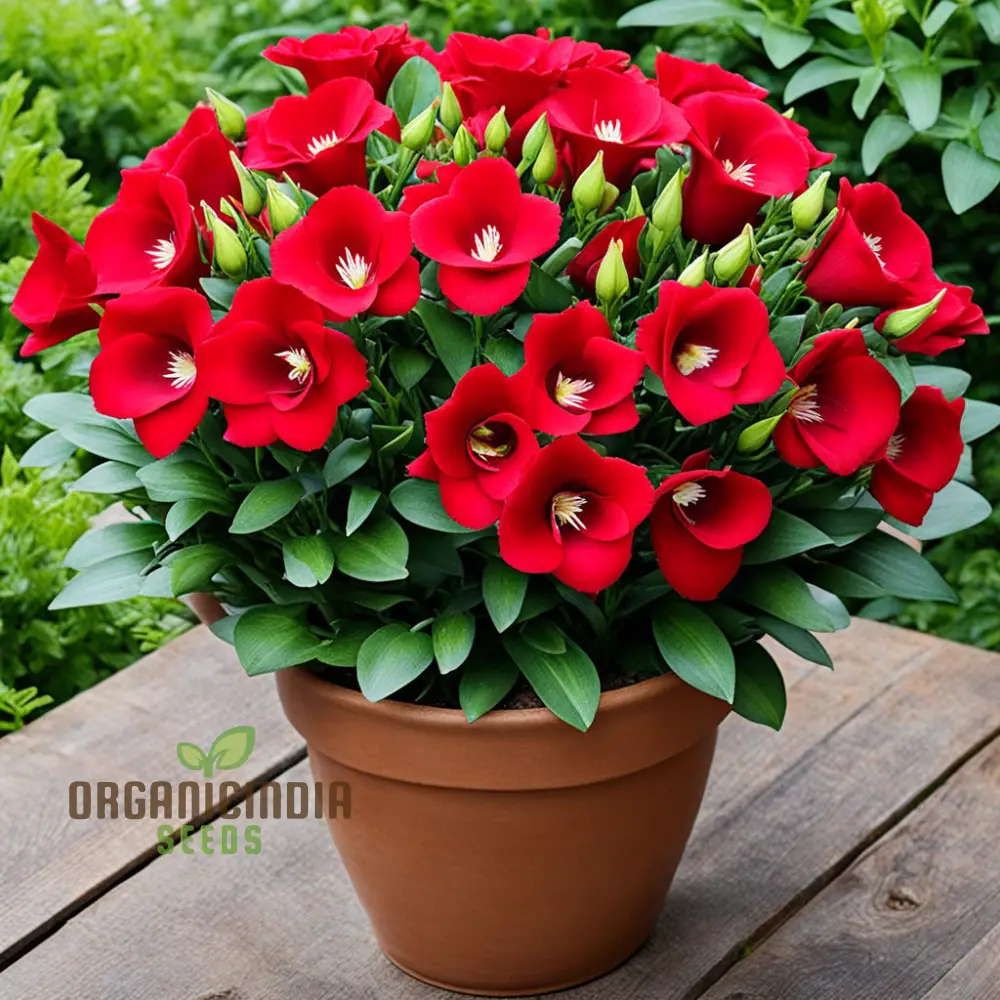
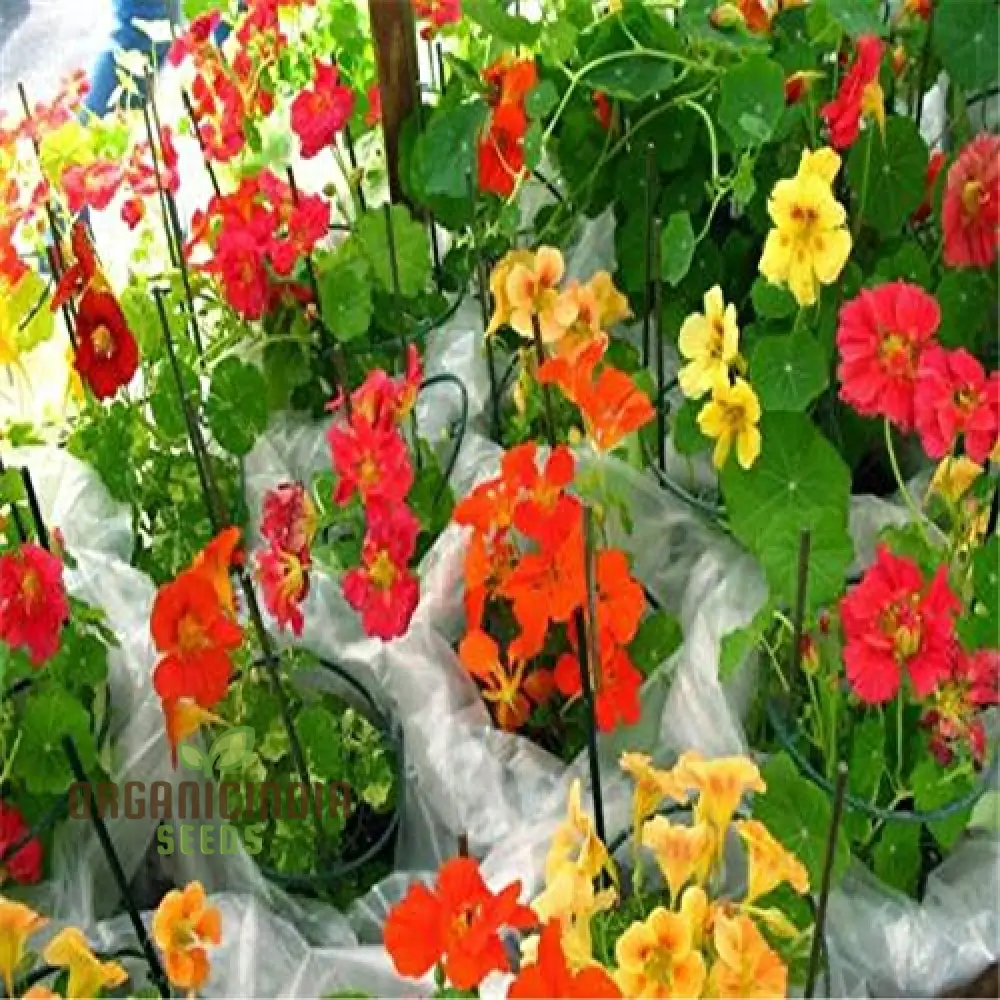
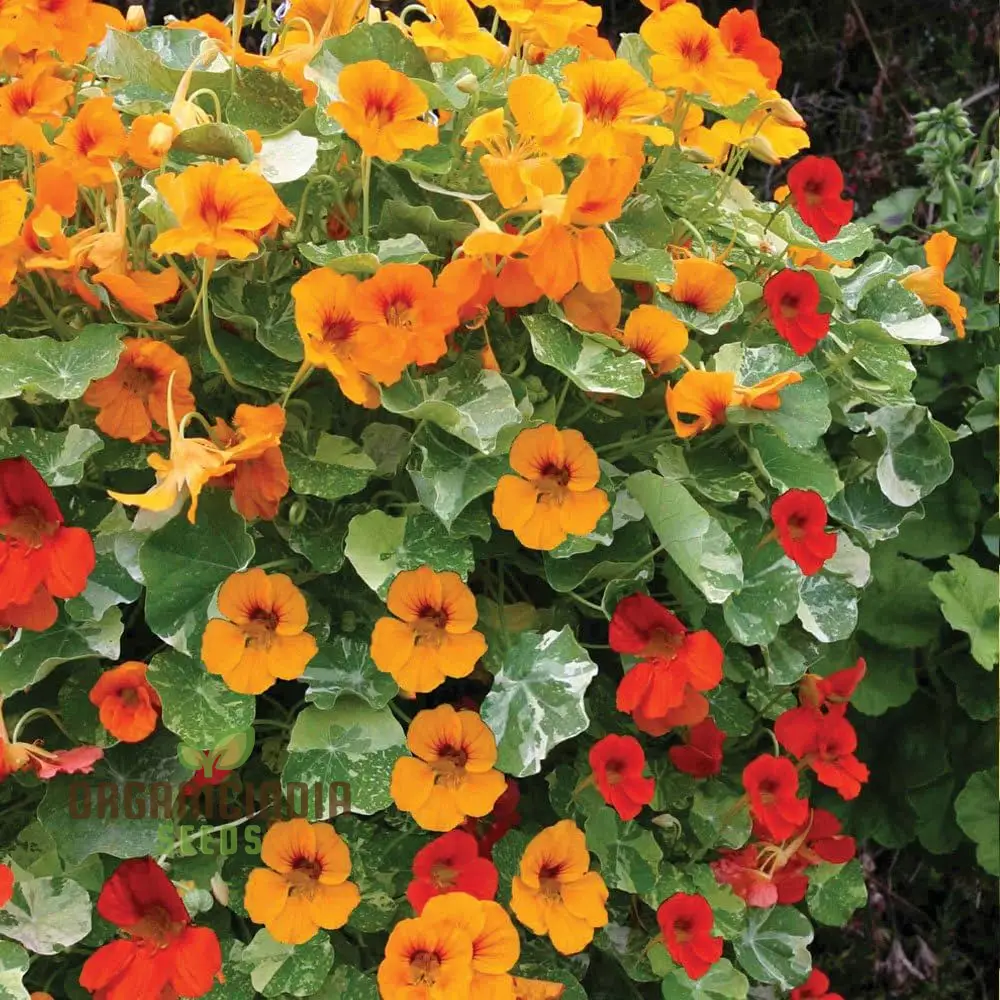
Nasturtium Flower Seeds are a fantastic choice for gardeners looking to add vibrant colors, textures, and even edible beauty to their gardens. Known for their bright, bold flowers and unique, rounded leaves, Nasturtium (Tropaeolum majus) is an easy-to-grow annual that can be planted in a variety of settings. The flowers come in a range of warm colors, including red, orange, and yellow, and are often used in culinary dishes, making them a dual-purpose addition to your garden.
Key Features:
- Scientific Name: Tropaeolum majus
- Common Name: Nasturtium
- Bloom Color: Red, orange, yellow, and sometimes white or pink
- Plant Type: Annual
- Sun Requirements: Full sun to partial shade
- Soil Type: Well-draining soil, slightly poor in nutrients (too rich soil can promote excessive leaf growth over flowers)
- Watering Needs: Moderate; prefer slightly dry to moist conditions
- Growth Habit: Trailing, spreading, or bushy (depending on variety)
- Height & Spread: Grows 12-18 inches tall with a spread of 18-24 inches (spreading varieties may trail further)
- Hardiness Zones: USDA 9-11 (grown as an annual in colder climates)
Why Grow Nasturtium Flower Seeds?
- Bright and Colorful Flowers: Nasturtiums offer a brilliant display of colors ranging from warm yellows to deep reds and oranges, creating a vibrant, lively atmosphere in gardens, containers, or hanging baskets.
- Edible Flowers and Leaves: The flowers and leaves of Nasturtiums are not only ornamental but also edible. They have a peppery taste, making them a unique addition to salads, garnishes, and other dishes.
- Low Maintenance: Nasturtiums are easy to grow and require minimal care once established. They are also relatively pest-resistant, making them a good choice for organic gardens.
- Attracts Pollinators: The bright, nectar-rich flowers attract pollinators such as bees and butterflies, contributing to a healthy garden ecosystem.
- Versatility: Perfect for a variety of settings, Nasturtiums can be grown in garden beds, containers, hanging baskets, or as ground cover in full sun or partial shade.
Planting & Care Instructions:
-
Seed Preparation & Sowing:
- Nasturtiums are very easy to grow from seed. Sow seeds directly in the garden after the last frost date or start seeds indoors 4-6 weeks before the last frost.
- Sowing Outdoors: Choose a sunny or partially shaded location with well-drained, slightly poor soil. Sow the seeds 1 inch deep and space them 8-12 inches apart for bush varieties or 18-24 inches apart for trailing varieties.
- Starting Indoors: If starting indoors, sow the seeds in seed-starting trays or pots filled with well-draining soil. Keep the seeds warm and moist until germination, which typically occurs in 7-14 days.
- Once seedlings are large enough to handle and the danger of frost has passed, transplant them outdoors. Nasturtiums do not like to be disturbed, so it's best to sow them directly into their final growing location if possible.
-
Transplanting & Growth:
- Spacing: If growing trailing varieties, space them 18-24 inches apart to allow them to spread and cascade. Bush varieties should be spaced about 8-12 inches apart.
- Sunlight: Nasturtiums thrive in full sun but can tolerate partial shade, especially in hot climates. In shadier areas, however, they may produce fewer flowers.
- Soil: While they can grow in various soils, Nasturtiums prefer slightly poor, well-drained soil. Rich, fertile soil may lead to excessive foliage growth at the expense of flowers.
-
Maintenance:
- Watering: Keep the soil moderately moist, but avoid overwatering, as Nasturtiums do not like soggy conditions. They are fairly drought-tolerant once established.
- Fertilizing: These plants generally do not require heavy fertilization. Too much fertilizer, especially nitrogen, can result in excessive leaf growth and fewer flowers. A light application of balanced fertilizer in the early spring can be beneficial if your soil is particularly poor.
- Pruning: Nasturtiums don’t require much pruning, but you can trim back any dead or damaged foliage. If you want to encourage bushier growth, pinch the tips back occasionally.
- Deadheading: To prolong flowering, remove spent flowers regularly. This encourages the plant to produce more blooms throughout the growing season.
-
Winter Care:
- In colder climates, Nasturtiums are grown as annuals and will not survive the winter. After frost kills the plants, remove the old growth and clear the area for the next season.
- In mild winter climates, Nasturtiums may reseed themselves, and you may see new growth the following spring.
Ideal For:
- Containers & Hanging Baskets: Their trailing habit makes Nasturtiums ideal for hanging baskets, window boxes, and containers.
- Edible Gardens: As both a flowering plant and edible herb, Nasturtiums are perfect for kitchen gardens or edible landscaping.
- Pollinator Gardens: Attract bees, butterflies, and hummingbirds with their bright, nectar-rich flowers.
- Ground Cover: For gardeners looking for a spreading ground cover with vibrant flowers, Nasturtiums work well, especially in areas where they have space to trail.
Nasturtium Flower Seeds offer a great opportunity to grow a beautiful, colorful, and edible addition to your garden. With their ease of care, striking flowers, and versatile uses, they are a wonderful option for gardeners of all levels. Get your seeds today and start enjoying the beauty and flavor of Nasturtiums!
Original: $16.99
-65%$16.99
$5.95More Images
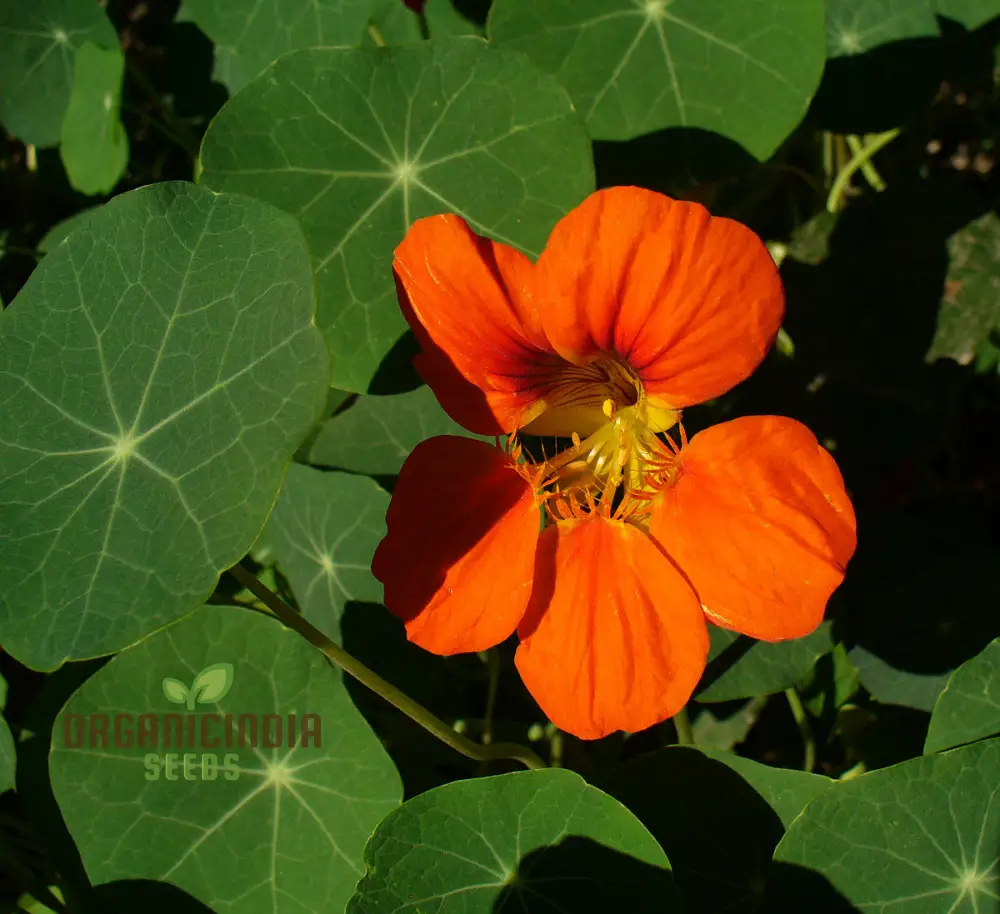
Nasturtium Flower Seeds for Planting - 100 pcs
Nasturtium Flower Seeds are a fantastic choice for gardeners looking to add vibrant colors, textures, and even edible beauty to their gardens. Known for their bright, bold flowers and unique, rounded leaves, Nasturtium (Tropaeolum majus) is an easy-to-grow annual that can be planted in a variety of settings. The flowers come in a range of warm colors, including red, orange, and yellow, and are often used in culinary dishes, making them a dual-purpose addition to your garden.
Key Features:
- Scientific Name: Tropaeolum majus
- Common Name: Nasturtium
- Bloom Color: Red, orange, yellow, and sometimes white or pink
- Plant Type: Annual
- Sun Requirements: Full sun to partial shade
- Soil Type: Well-draining soil, slightly poor in nutrients (too rich soil can promote excessive leaf growth over flowers)
- Watering Needs: Moderate; prefer slightly dry to moist conditions
- Growth Habit: Trailing, spreading, or bushy (depending on variety)
- Height & Spread: Grows 12-18 inches tall with a spread of 18-24 inches (spreading varieties may trail further)
- Hardiness Zones: USDA 9-11 (grown as an annual in colder climates)
Why Grow Nasturtium Flower Seeds?
- Bright and Colorful Flowers: Nasturtiums offer a brilliant display of colors ranging from warm yellows to deep reds and oranges, creating a vibrant, lively atmosphere in gardens, containers, or hanging baskets.
- Edible Flowers and Leaves: The flowers and leaves of Nasturtiums are not only ornamental but also edible. They have a peppery taste, making them a unique addition to salads, garnishes, and other dishes.
- Low Maintenance: Nasturtiums are easy to grow and require minimal care once established. They are also relatively pest-resistant, making them a good choice for organic gardens.
- Attracts Pollinators: The bright, nectar-rich flowers attract pollinators such as bees and butterflies, contributing to a healthy garden ecosystem.
- Versatility: Perfect for a variety of settings, Nasturtiums can be grown in garden beds, containers, hanging baskets, or as ground cover in full sun or partial shade.
Planting & Care Instructions:
-
Seed Preparation & Sowing:
- Nasturtiums are very easy to grow from seed. Sow seeds directly in the garden after the last frost date or start seeds indoors 4-6 weeks before the last frost.
- Sowing Outdoors: Choose a sunny or partially shaded location with well-drained, slightly poor soil. Sow the seeds 1 inch deep and space them 8-12 inches apart for bush varieties or 18-24 inches apart for trailing varieties.
- Starting Indoors: If starting indoors, sow the seeds in seed-starting trays or pots filled with well-draining soil. Keep the seeds warm and moist until germination, which typically occurs in 7-14 days.
- Once seedlings are large enough to handle and the danger of frost has passed, transplant them outdoors. Nasturtiums do not like to be disturbed, so it's best to sow them directly into their final growing location if possible.
-
Transplanting & Growth:
- Spacing: If growing trailing varieties, space them 18-24 inches apart to allow them to spread and cascade. Bush varieties should be spaced about 8-12 inches apart.
- Sunlight: Nasturtiums thrive in full sun but can tolerate partial shade, especially in hot climates. In shadier areas, however, they may produce fewer flowers.
- Soil: While they can grow in various soils, Nasturtiums prefer slightly poor, well-drained soil. Rich, fertile soil may lead to excessive foliage growth at the expense of flowers.
-
Maintenance:
- Watering: Keep the soil moderately moist, but avoid overwatering, as Nasturtiums do not like soggy conditions. They are fairly drought-tolerant once established.
- Fertilizing: These plants generally do not require heavy fertilization. Too much fertilizer, especially nitrogen, can result in excessive leaf growth and fewer flowers. A light application of balanced fertilizer in the early spring can be beneficial if your soil is particularly poor.
- Pruning: Nasturtiums don’t require much pruning, but you can trim back any dead or damaged foliage. If you want to encourage bushier growth, pinch the tips back occasionally.
- Deadheading: To prolong flowering, remove spent flowers regularly. This encourages the plant to produce more blooms throughout the growing season.
-
Winter Care:
- In colder climates, Nasturtiums are grown as annuals and will not survive the winter. After frost kills the plants, remove the old growth and clear the area for the next season.
- In mild winter climates, Nasturtiums may reseed themselves, and you may see new growth the following spring.
Ideal For:
- Containers & Hanging Baskets: Their trailing habit makes Nasturtiums ideal for hanging baskets, window boxes, and containers.
- Edible Gardens: As both a flowering plant and edible herb, Nasturtiums are perfect for kitchen gardens or edible landscaping.
- Pollinator Gardens: Attract bees, butterflies, and hummingbirds with their bright, nectar-rich flowers.
- Ground Cover: For gardeners looking for a spreading ground cover with vibrant flowers, Nasturtiums work well, especially in areas where they have space to trail.
Nasturtium Flower Seeds offer a great opportunity to grow a beautiful, colorful, and edible addition to your garden. With their ease of care, striking flowers, and versatile uses, they are a wonderful option for gardeners of all levels. Get your seeds today and start enjoying the beauty and flavor of Nasturtiums!
Product Information
Product Information
Shipping & Returns
Shipping & Returns
Description
Nasturtium Flower Seeds are a fantastic choice for gardeners looking to add vibrant colors, textures, and even edible beauty to their gardens. Known for their bright, bold flowers and unique, rounded leaves, Nasturtium (Tropaeolum majus) is an easy-to-grow annual that can be planted in a variety of settings. The flowers come in a range of warm colors, including red, orange, and yellow, and are often used in culinary dishes, making them a dual-purpose addition to your garden.
Key Features:
- Scientific Name: Tropaeolum majus
- Common Name: Nasturtium
- Bloom Color: Red, orange, yellow, and sometimes white or pink
- Plant Type: Annual
- Sun Requirements: Full sun to partial shade
- Soil Type: Well-draining soil, slightly poor in nutrients (too rich soil can promote excessive leaf growth over flowers)
- Watering Needs: Moderate; prefer slightly dry to moist conditions
- Growth Habit: Trailing, spreading, or bushy (depending on variety)
- Height & Spread: Grows 12-18 inches tall with a spread of 18-24 inches (spreading varieties may trail further)
- Hardiness Zones: USDA 9-11 (grown as an annual in colder climates)
Why Grow Nasturtium Flower Seeds?
- Bright and Colorful Flowers: Nasturtiums offer a brilliant display of colors ranging from warm yellows to deep reds and oranges, creating a vibrant, lively atmosphere in gardens, containers, or hanging baskets.
- Edible Flowers and Leaves: The flowers and leaves of Nasturtiums are not only ornamental but also edible. They have a peppery taste, making them a unique addition to salads, garnishes, and other dishes.
- Low Maintenance: Nasturtiums are easy to grow and require minimal care once established. They are also relatively pest-resistant, making them a good choice for organic gardens.
- Attracts Pollinators: The bright, nectar-rich flowers attract pollinators such as bees and butterflies, contributing to a healthy garden ecosystem.
- Versatility: Perfect for a variety of settings, Nasturtiums can be grown in garden beds, containers, hanging baskets, or as ground cover in full sun or partial shade.
Planting & Care Instructions:
-
Seed Preparation & Sowing:
- Nasturtiums are very easy to grow from seed. Sow seeds directly in the garden after the last frost date or start seeds indoors 4-6 weeks before the last frost.
- Sowing Outdoors: Choose a sunny or partially shaded location with well-drained, slightly poor soil. Sow the seeds 1 inch deep and space them 8-12 inches apart for bush varieties or 18-24 inches apart for trailing varieties.
- Starting Indoors: If starting indoors, sow the seeds in seed-starting trays or pots filled with well-draining soil. Keep the seeds warm and moist until germination, which typically occurs in 7-14 days.
- Once seedlings are large enough to handle and the danger of frost has passed, transplant them outdoors. Nasturtiums do not like to be disturbed, so it's best to sow them directly into their final growing location if possible.
-
Transplanting & Growth:
- Spacing: If growing trailing varieties, space them 18-24 inches apart to allow them to spread and cascade. Bush varieties should be spaced about 8-12 inches apart.
- Sunlight: Nasturtiums thrive in full sun but can tolerate partial shade, especially in hot climates. In shadier areas, however, they may produce fewer flowers.
- Soil: While they can grow in various soils, Nasturtiums prefer slightly poor, well-drained soil. Rich, fertile soil may lead to excessive foliage growth at the expense of flowers.
-
Maintenance:
- Watering: Keep the soil moderately moist, but avoid overwatering, as Nasturtiums do not like soggy conditions. They are fairly drought-tolerant once established.
- Fertilizing: These plants generally do not require heavy fertilization. Too much fertilizer, especially nitrogen, can result in excessive leaf growth and fewer flowers. A light application of balanced fertilizer in the early spring can be beneficial if your soil is particularly poor.
- Pruning: Nasturtiums don’t require much pruning, but you can trim back any dead or damaged foliage. If you want to encourage bushier growth, pinch the tips back occasionally.
- Deadheading: To prolong flowering, remove spent flowers regularly. This encourages the plant to produce more blooms throughout the growing season.
-
Winter Care:
- In colder climates, Nasturtiums are grown as annuals and will not survive the winter. After frost kills the plants, remove the old growth and clear the area for the next season.
- In mild winter climates, Nasturtiums may reseed themselves, and you may see new growth the following spring.
Ideal For:
- Containers & Hanging Baskets: Their trailing habit makes Nasturtiums ideal for hanging baskets, window boxes, and containers.
- Edible Gardens: As both a flowering plant and edible herb, Nasturtiums are perfect for kitchen gardens or edible landscaping.
- Pollinator Gardens: Attract bees, butterflies, and hummingbirds with their bright, nectar-rich flowers.
- Ground Cover: For gardeners looking for a spreading ground cover with vibrant flowers, Nasturtiums work well, especially in areas where they have space to trail.
Nasturtium Flower Seeds offer a great opportunity to grow a beautiful, colorful, and edible addition to your garden. With their ease of care, striking flowers, and versatile uses, they are a wonderful option for gardeners of all levels. Get your seeds today and start enjoying the beauty and flavor of Nasturtiums!