Nasturtium Bonsai Easy Flower Seeds for Planting - 100 pcs
Nasturtium Bonsai Easy Flower Seeds for Planting (100 pcs) offer a delightful opportunity to grow vibrant, compact nasturtium plants that are perfect for bonsai or container gardening. Known for their beautiful, brightly colored flowers and distinctive round leaves, nasturtiums are easy to grow and add a splash of color to any garden or indoor space.
Key Features:
- Common Name: Nasturtium
- Scientific Name: Tropaeolum majus
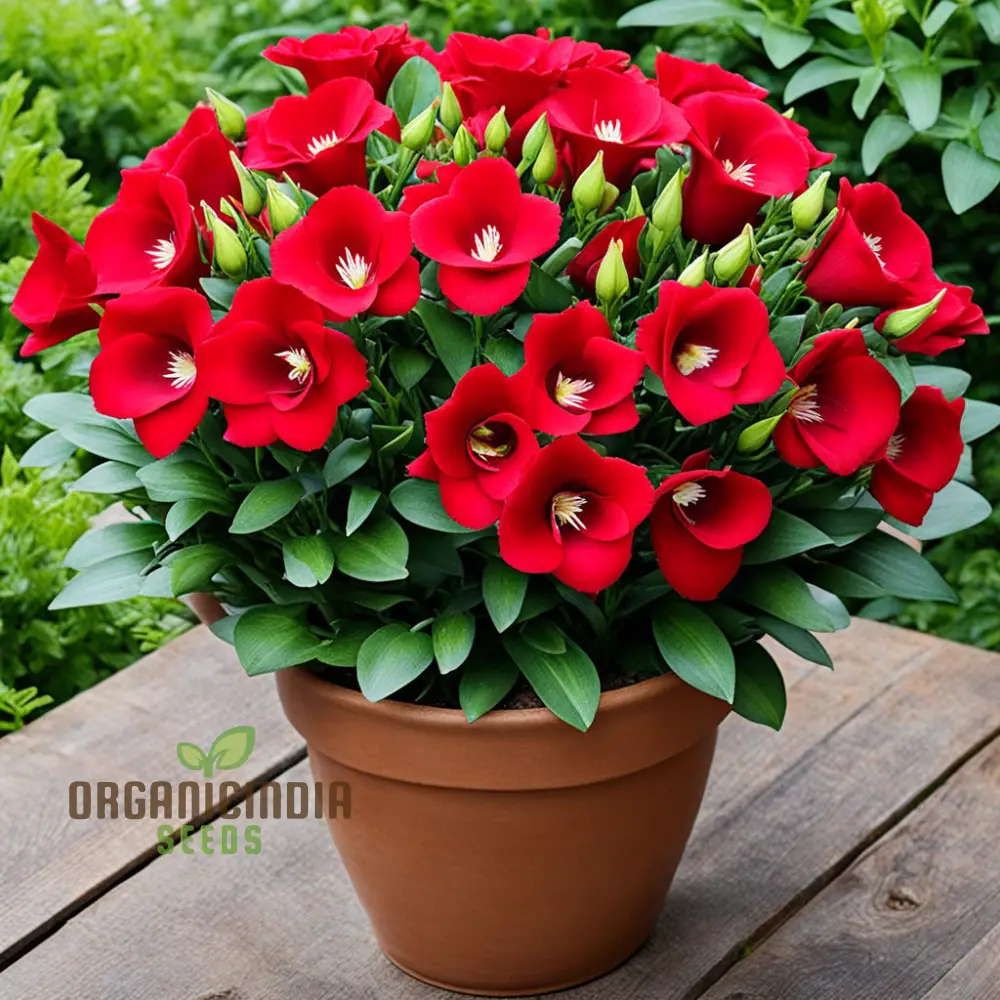
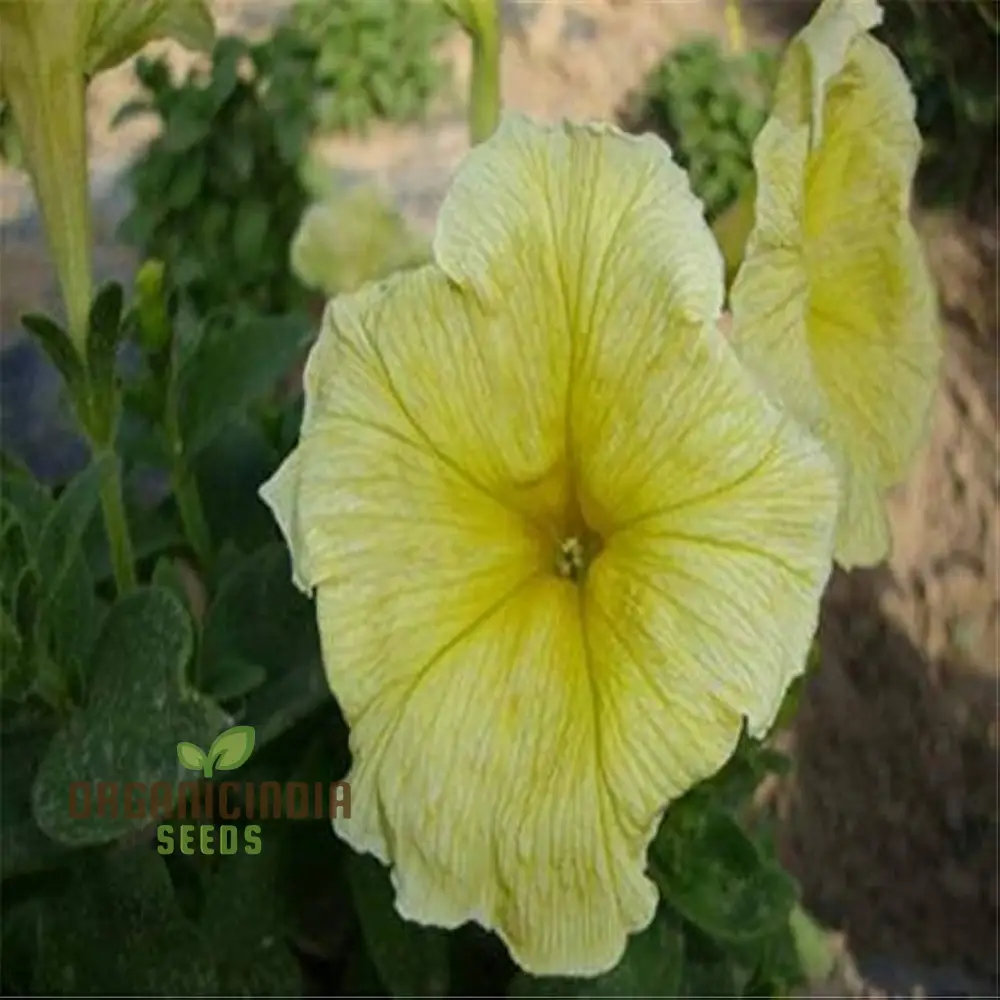
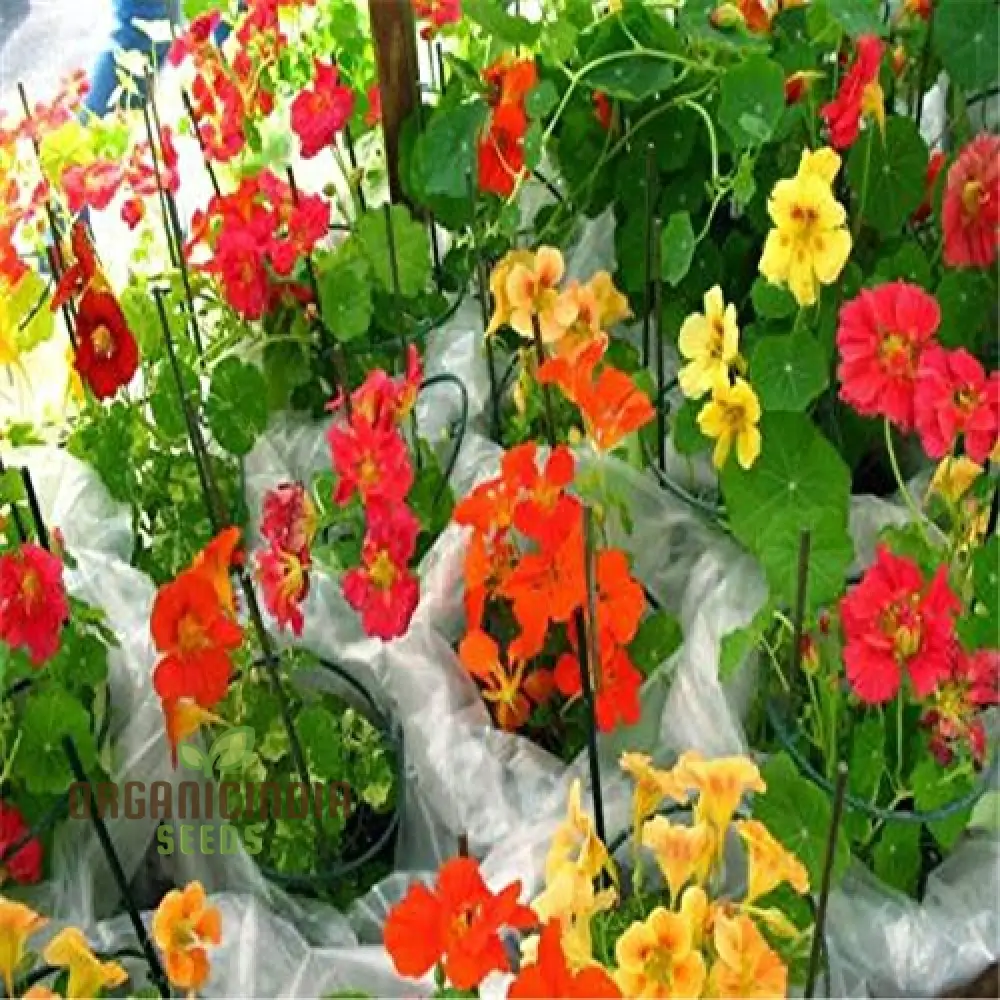
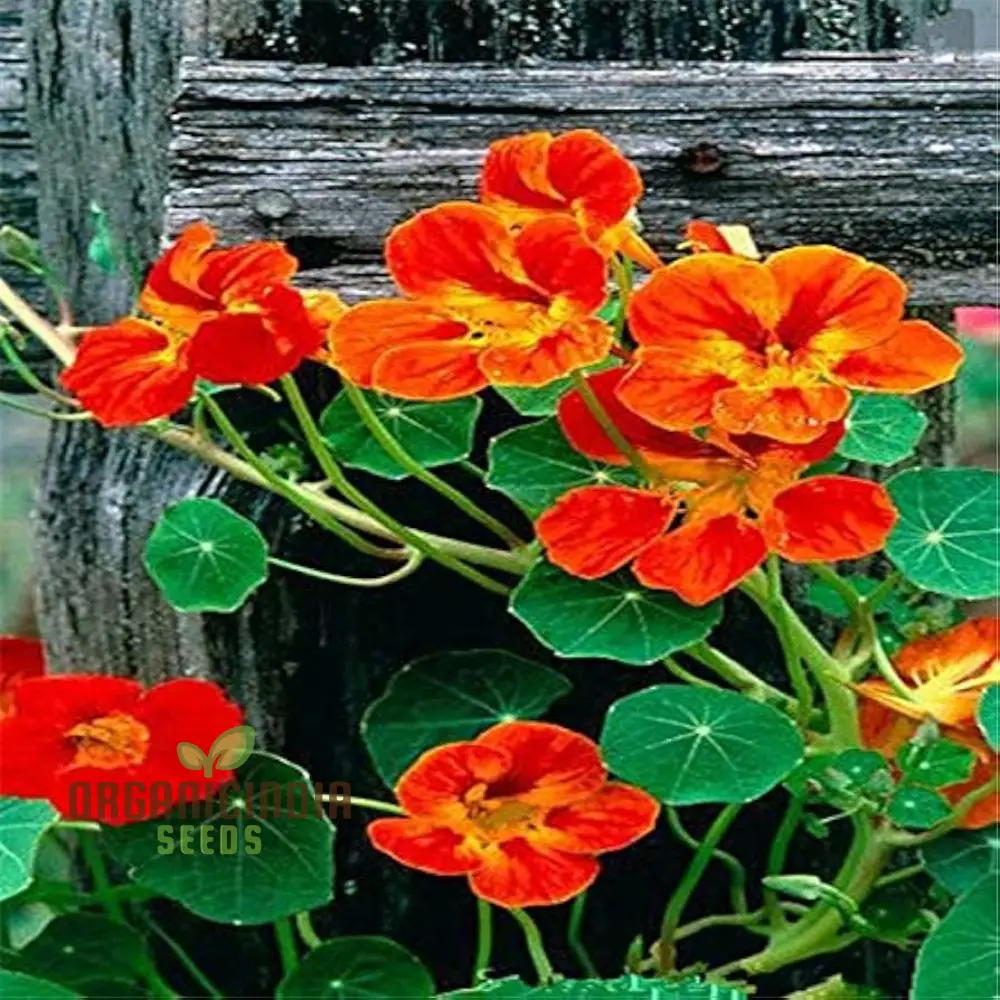
- Flower Color: A variety of bright, cheerful colors such as red, orange, yellow, and cream.
- Leaf Color: Round, green leaves with a slight bluish tint.
- Growth Habit: Compact, trailing or bushy, making them perfect for bonsai or container planting.
- Height: Typically grows 8-12 inches (20-30 cm) tall.
- Spread: Can spread 12-18 inches (30-45 cm), ideal for small garden spaces or containers.
- Sunlight: Prefers full sun to partial shade.
- Soil Type: Well-draining, fertile soil is best for healthy growth.
- Watering: Regular watering, but ensure the soil doesn't stay waterlogged.
- Hardiness Zones: USDA Zones 9-11 (grown as an annual in colder climates).
Why Grow Nasturtium Bonsai Easy Flower Seeds?
- Vibrant Flowers: Nasturtiums produce stunning, vibrant flowers that add a cheerful burst of color to any space, from windowsills to outdoor gardens.
- Edible Plant: Both the flowers and leaves of nasturtiums are edible and have a peppery flavor, making them a great addition to salads or garnishes.
- Compact Growth: Ideal for bonsai or container gardening, nasturtiums can thrive in small spaces, making them perfect for patios, balconies, or windowsills.
- Low Maintenance: Nasturtiums are very easy to grow and require minimal care, making them perfect for beginner gardeners.
- Pollinator-Friendly: The bright flowers attract bees, butterflies, and hummingbirds, enhancing your garden’s ecosystem.
Planting & Care Instructions:
-
Seed Preparation & Sowing:
- Starting Indoors: Start seeds indoors 6-8 weeks before the last expected frost. Plant the seeds 1 inch deep in a well-draining seed-starting mix. Keep the soil lightly moist and place the pots in a warm, bright location (around 70-75°F or 21-24°C).
- Direct Sowing Outdoors: Once the danger of frost has passed and the soil has warmed up, sow the seeds directly outdoors in a sunny, well-drained spot. Space the seeds 6-12 inches apart, depending on the desired spread of the plant.
-
Transplanting: Once seedlings have grown large enough, transplant them into containers or larger garden beds. Make sure to space them adequately to allow for their growth.
Maintenance:
- Watering: Water the plants regularly to keep the soil moist, but avoid overwatering as this can lead to root rot. Nasturtiums prefer slightly dry conditions once established.
- Soil: They thrive in well-draining soil that is slightly acidic to neutral. For best results, enrich the soil with compost or organic matter.
- Fertilization: Nasturtiums don’t require heavy fertilization, as they tend to do well in less fertile soil. Over-fertilizing can lead to excessive leaf growth at the expense of flowers. A light, balanced fertilizer can be applied in early spring.
- Pruning: Prune back leggy growth and remove spent flowers to encourage continuous blooming.
Winter Care:
- Cold Climates: Nasturtiums are frost-sensitive and typically grow as annuals in colder climates. If grown outdoors, treat them as annuals and allow them to die back after the first frost. If grown in containers, you can bring them indoors to overwinter in a sunny spot.
- Mild Climates: In USDA Zones 9-11, nasturtiums can be grown year-round. They may need some protection from frost during colder months, but generally, they will continue to thrive in mild climates.
Ideal For:
- Bonsai and Container Gardening: Their compact growth habit makes nasturtiums ideal for bonsai or small containers on balconies, patios, or windowsills.
- Pollinator Gardens: Nasturtiums attract bees, butterflies, and hummingbirds, making them an excellent choice for a pollinator-friendly garden.
- Edible Gardens: With both leaves and flowers being edible, they are a great choice for an edible garden or kitchen herb garden.
- Flower Beds and Borders: Use nasturtiums to brighten up flower beds, borders, or hanging baskets with their colorful blooms.
Summary:
Nasturtium Bonsai Easy Flower Seeds for Planting (100 pcs) offer a beautiful and versatile plant that is perfect for container gardening, bonsai projects, or adding a burst of color to your garden. Known for their vibrant, edible flowers and easy care requirements, these nasturtiums are an excellent choice for beginner gardeners or anyone looking to add a bit of cheer to their space. Whether you’re growing them for their beauty, their pollinator benefits, or for culinary use, Nasturtium Bonsai is sure to impress.
Original: $16.99
-65%$16.99
$5.95More Images

Nasturtium Bonsai Easy Flower Seeds for Planting - 100 pcs
Nasturtium Bonsai Easy Flower Seeds for Planting (100 pcs) offer a delightful opportunity to grow vibrant, compact nasturtium plants that are perfect for bonsai or container gardening. Known for their beautiful, brightly colored flowers and distinctive round leaves, nasturtiums are easy to grow and add a splash of color to any garden or indoor space.
Key Features:
- Common Name: Nasturtium
- Scientific Name: Tropaeolum majus
- Flower Color: A variety of bright, cheerful colors such as red, orange, yellow, and cream.
- Leaf Color: Round, green leaves with a slight bluish tint.
- Growth Habit: Compact, trailing or bushy, making them perfect for bonsai or container planting.
- Height: Typically grows 8-12 inches (20-30 cm) tall.
- Spread: Can spread 12-18 inches (30-45 cm), ideal for small garden spaces or containers.
- Sunlight: Prefers full sun to partial shade.
- Soil Type: Well-draining, fertile soil is best for healthy growth.
- Watering: Regular watering, but ensure the soil doesn't stay waterlogged.
- Hardiness Zones: USDA Zones 9-11 (grown as an annual in colder climates).
Why Grow Nasturtium Bonsai Easy Flower Seeds?
- Vibrant Flowers: Nasturtiums produce stunning, vibrant flowers that add a cheerful burst of color to any space, from windowsills to outdoor gardens.
- Edible Plant: Both the flowers and leaves of nasturtiums are edible and have a peppery flavor, making them a great addition to salads or garnishes.
- Compact Growth: Ideal for bonsai or container gardening, nasturtiums can thrive in small spaces, making them perfect for patios, balconies, or windowsills.
- Low Maintenance: Nasturtiums are very easy to grow and require minimal care, making them perfect for beginner gardeners.
- Pollinator-Friendly: The bright flowers attract bees, butterflies, and hummingbirds, enhancing your garden’s ecosystem.
Planting & Care Instructions:
-
Seed Preparation & Sowing:
- Starting Indoors: Start seeds indoors 6-8 weeks before the last expected frost. Plant the seeds 1 inch deep in a well-draining seed-starting mix. Keep the soil lightly moist and place the pots in a warm, bright location (around 70-75°F or 21-24°C).
- Direct Sowing Outdoors: Once the danger of frost has passed and the soil has warmed up, sow the seeds directly outdoors in a sunny, well-drained spot. Space the seeds 6-12 inches apart, depending on the desired spread of the plant.
-
Transplanting: Once seedlings have grown large enough, transplant them into containers or larger garden beds. Make sure to space them adequately to allow for their growth.
Maintenance:
- Watering: Water the plants regularly to keep the soil moist, but avoid overwatering as this can lead to root rot. Nasturtiums prefer slightly dry conditions once established.
- Soil: They thrive in well-draining soil that is slightly acidic to neutral. For best results, enrich the soil with compost or organic matter.
- Fertilization: Nasturtiums don’t require heavy fertilization, as they tend to do well in less fertile soil. Over-fertilizing can lead to excessive leaf growth at the expense of flowers. A light, balanced fertilizer can be applied in early spring.
- Pruning: Prune back leggy growth and remove spent flowers to encourage continuous blooming.
Winter Care:
- Cold Climates: Nasturtiums are frost-sensitive and typically grow as annuals in colder climates. If grown outdoors, treat them as annuals and allow them to die back after the first frost. If grown in containers, you can bring them indoors to overwinter in a sunny spot.
- Mild Climates: In USDA Zones 9-11, nasturtiums can be grown year-round. They may need some protection from frost during colder months, but generally, they will continue to thrive in mild climates.
Ideal For:
- Bonsai and Container Gardening: Their compact growth habit makes nasturtiums ideal for bonsai or small containers on balconies, patios, or windowsills.
- Pollinator Gardens: Nasturtiums attract bees, butterflies, and hummingbirds, making them an excellent choice for a pollinator-friendly garden.
- Edible Gardens: With both leaves and flowers being edible, they are a great choice for an edible garden or kitchen herb garden.
- Flower Beds and Borders: Use nasturtiums to brighten up flower beds, borders, or hanging baskets with their colorful blooms.
Summary:
Nasturtium Bonsai Easy Flower Seeds for Planting (100 pcs) offer a beautiful and versatile plant that is perfect for container gardening, bonsai projects, or adding a burst of color to your garden. Known for their vibrant, edible flowers and easy care requirements, these nasturtiums are an excellent choice for beginner gardeners or anyone looking to add a bit of cheer to their space. Whether you’re growing them for their beauty, their pollinator benefits, or for culinary use, Nasturtium Bonsai is sure to impress.
Product Information
Product Information
Shipping & Returns
Shipping & Returns
Description
Nasturtium Bonsai Easy Flower Seeds for Planting (100 pcs) offer a delightful opportunity to grow vibrant, compact nasturtium plants that are perfect for bonsai or container gardening. Known for their beautiful, brightly colored flowers and distinctive round leaves, nasturtiums are easy to grow and add a splash of color to any garden or indoor space.
Key Features:
- Common Name: Nasturtium
- Scientific Name: Tropaeolum majus
- Flower Color: A variety of bright, cheerful colors such as red, orange, yellow, and cream.
- Leaf Color: Round, green leaves with a slight bluish tint.
- Growth Habit: Compact, trailing or bushy, making them perfect for bonsai or container planting.
- Height: Typically grows 8-12 inches (20-30 cm) tall.
- Spread: Can spread 12-18 inches (30-45 cm), ideal for small garden spaces or containers.
- Sunlight: Prefers full sun to partial shade.
- Soil Type: Well-draining, fertile soil is best for healthy growth.
- Watering: Regular watering, but ensure the soil doesn't stay waterlogged.
- Hardiness Zones: USDA Zones 9-11 (grown as an annual in colder climates).
Why Grow Nasturtium Bonsai Easy Flower Seeds?
- Vibrant Flowers: Nasturtiums produce stunning, vibrant flowers that add a cheerful burst of color to any space, from windowsills to outdoor gardens.
- Edible Plant: Both the flowers and leaves of nasturtiums are edible and have a peppery flavor, making them a great addition to salads or garnishes.
- Compact Growth: Ideal for bonsai or container gardening, nasturtiums can thrive in small spaces, making them perfect for patios, balconies, or windowsills.
- Low Maintenance: Nasturtiums are very easy to grow and require minimal care, making them perfect for beginner gardeners.
- Pollinator-Friendly: The bright flowers attract bees, butterflies, and hummingbirds, enhancing your garden’s ecosystem.
Planting & Care Instructions:
-
Seed Preparation & Sowing:
- Starting Indoors: Start seeds indoors 6-8 weeks before the last expected frost. Plant the seeds 1 inch deep in a well-draining seed-starting mix. Keep the soil lightly moist and place the pots in a warm, bright location (around 70-75°F or 21-24°C).
- Direct Sowing Outdoors: Once the danger of frost has passed and the soil has warmed up, sow the seeds directly outdoors in a sunny, well-drained spot. Space the seeds 6-12 inches apart, depending on the desired spread of the plant.
-
Transplanting: Once seedlings have grown large enough, transplant them into containers or larger garden beds. Make sure to space them adequately to allow for their growth.
Maintenance:
- Watering: Water the plants regularly to keep the soil moist, but avoid overwatering as this can lead to root rot. Nasturtiums prefer slightly dry conditions once established.
- Soil: They thrive in well-draining soil that is slightly acidic to neutral. For best results, enrich the soil with compost or organic matter.
- Fertilization: Nasturtiums don’t require heavy fertilization, as they tend to do well in less fertile soil. Over-fertilizing can lead to excessive leaf growth at the expense of flowers. A light, balanced fertilizer can be applied in early spring.
- Pruning: Prune back leggy growth and remove spent flowers to encourage continuous blooming.
Winter Care:
- Cold Climates: Nasturtiums are frost-sensitive and typically grow as annuals in colder climates. If grown outdoors, treat them as annuals and allow them to die back after the first frost. If grown in containers, you can bring them indoors to overwinter in a sunny spot.
- Mild Climates: In USDA Zones 9-11, nasturtiums can be grown year-round. They may need some protection from frost during colder months, but generally, they will continue to thrive in mild climates.
Ideal For:
- Bonsai and Container Gardening: Their compact growth habit makes nasturtiums ideal for bonsai or small containers on balconies, patios, or windowsills.
- Pollinator Gardens: Nasturtiums attract bees, butterflies, and hummingbirds, making them an excellent choice for a pollinator-friendly garden.
- Edible Gardens: With both leaves and flowers being edible, they are a great choice for an edible garden or kitchen herb garden.
- Flower Beds and Borders: Use nasturtiums to brighten up flower beds, borders, or hanging baskets with their colorful blooms.
Summary:
Nasturtium Bonsai Easy Flower Seeds for Planting (100 pcs) offer a beautiful and versatile plant that is perfect for container gardening, bonsai projects, or adding a burst of color to your garden. Known for their vibrant, edible flowers and easy care requirements, these nasturtiums are an excellent choice for beginner gardeners or anyone looking to add a bit of cheer to their space. Whether you’re growing them for their beauty, their pollinator benefits, or for culinary use, Nasturtium Bonsai is sure to impress.