Monkshood Seeds for Planting
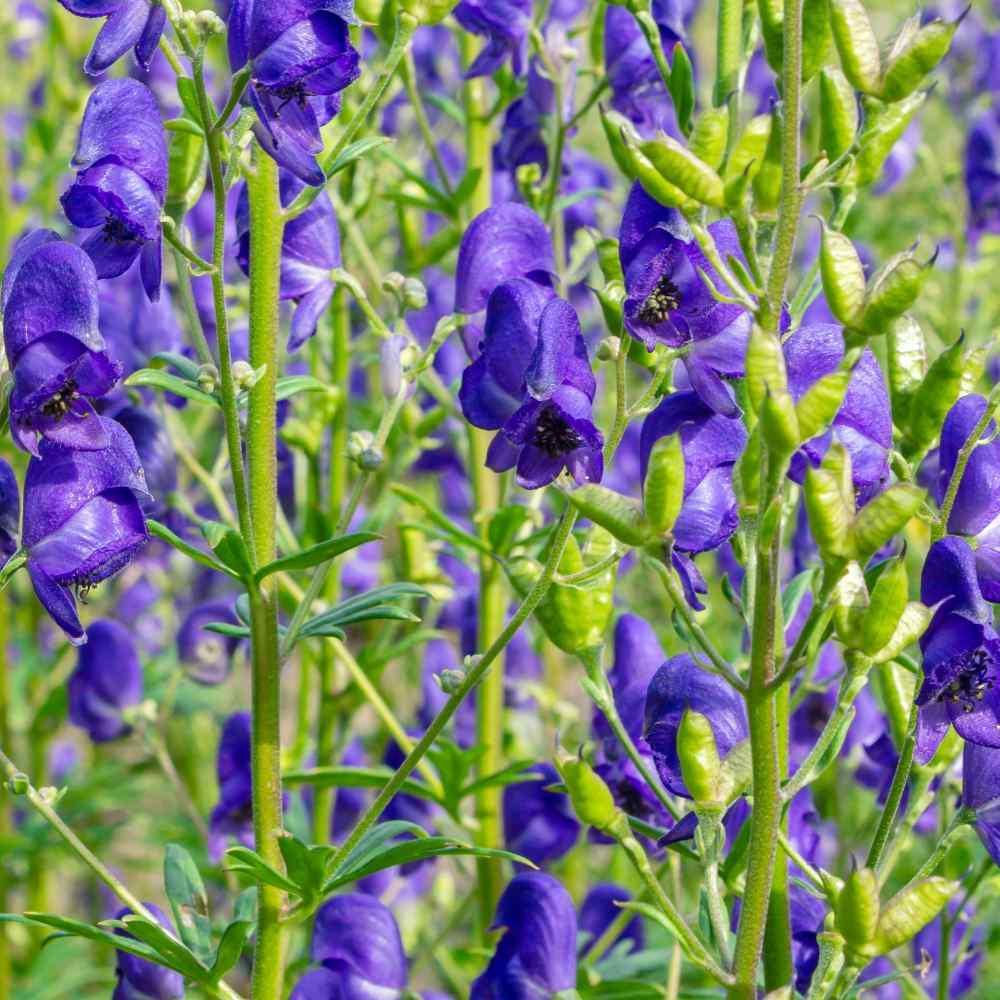
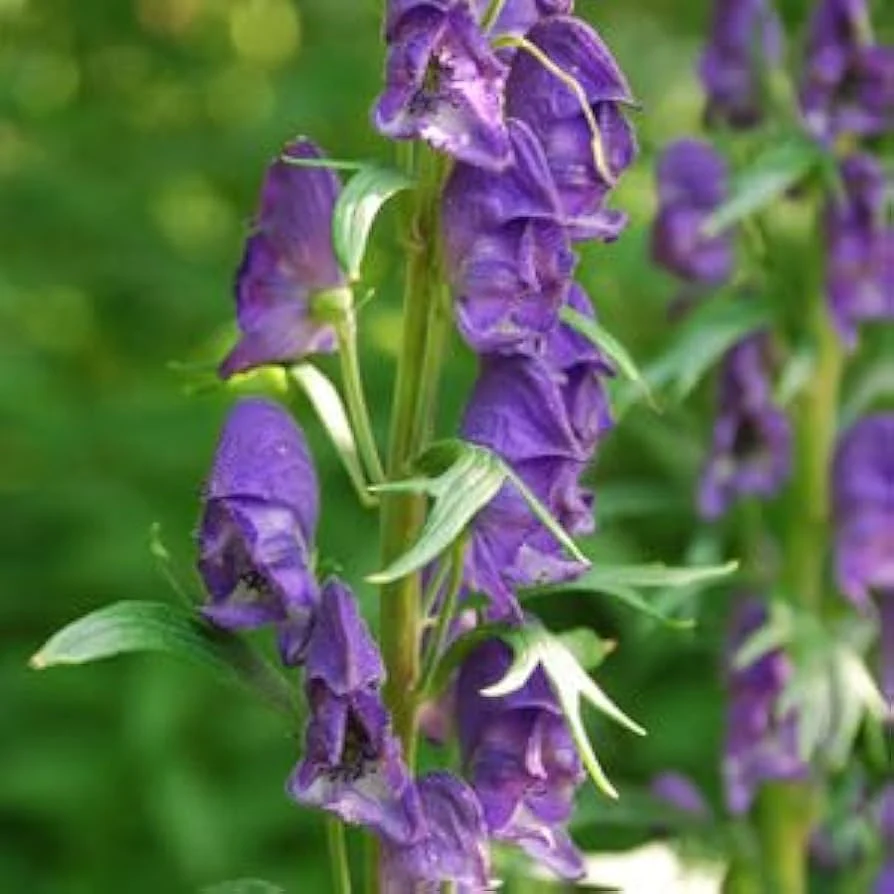
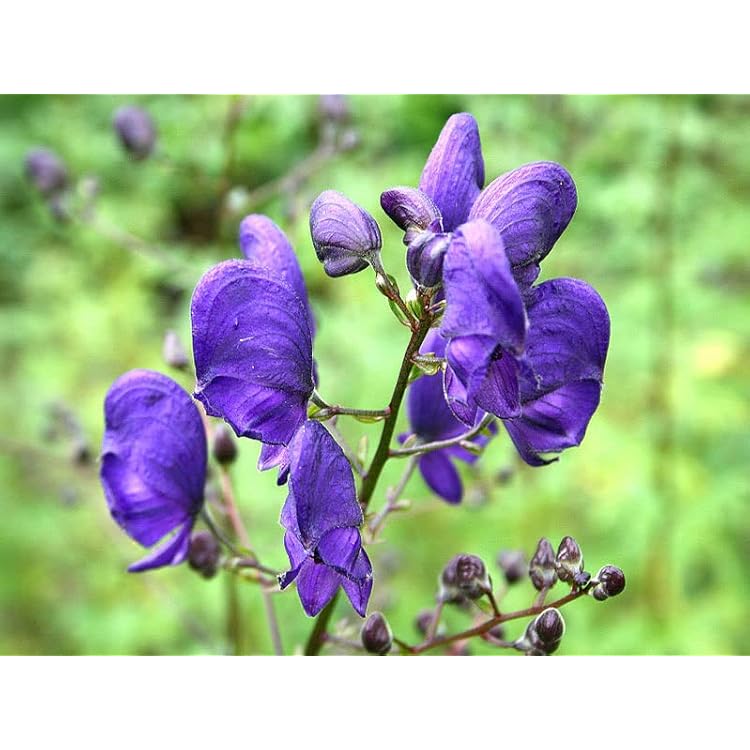
Monkshood (Aconitum) Seeds are a unique and striking addition to any garden. Known for their distinctive hooded-shaped flowers, Monkshood plants produce tall spikes of vibrant blooms in shades of blue, purple, and white. These plants are perfect for adding vertical interest to flower beds, borders, or woodland gardens.
Key Features:
- Scientific Name: Aconitum spp.
- Common Name: Monkshood, Wolfsbane
- Bloom Color: Blue, purple, white (depending on the variety)
- Plant Type: Perennial
- Sun Requirements: Full sun to partial shade
- Soil Type: Well-draining, fertile, moist soil
- Watering Needs: Moderate; prefers consistently moist soil
- Growth Habit: Tall, upright spikes with clustered flowers
- Height & Spread: Typically 3-5 feet tall, 1-2 feet wide
- Hardiness Zones: USDA 3-7 (depending on variety)
Why Grow Monkshood?
- Unique and Striking Flowers: The hooded flowers of Monkshood are distinctive and add an element of intrigue to any garden.
- Tall and Elegant: Monkshood grows tall, making it perfect for the back of garden beds or as a backdrop for shorter plants.
- Attracts Pollinators: The flowers attract bees and butterflies, helping to support a healthy ecosystem in your garden.
- Shade Tolerant: Monkshood can tolerate partial shade, making it a great choice for woodland or shaded garden areas.
- Low Maintenance: Once established, Monkshood is relatively low-maintenance and can thrive for years.
Planting & Care Instructions:
-
Seed Preparation & Sowing:
- Start seeds indoors 8-10 weeks before the last expected frost, or sow directly outdoors after the last frost date.
- Cold-stratify the seeds by placing them in the refrigerator for 4-6 weeks before planting to break dormancy.
- Sow seeds about 1/4 inch deep in a well-draining seed-starting mix.
- Keep the soil moist but not waterlogged and maintain a temperature of 65-70°F (18-21°C) for germination, which typically takes 3-4 weeks.
-
Transplanting & Growth:
- Once seedlings are large enough to handle and the risk of frost has passed, transplant them outdoors.
- Space plants 18-24 inches apart to allow for their tall growth and ensure good air circulation.
- Monkshood prefers full sun to partial shade. In hotter climates, partial shade may help prevent the plants from becoming too stressed.
-
Maintenance:
- Water regularly to maintain consistent moisture, especially during dry spells. However, avoid waterlogging, as the plants dislike soggy soil.
- Fertilize with a balanced fertilizer once or twice during the growing season to promote healthy growth and blooming.
- Deadhead spent flowers to encourage more blooms, or leave them for ornamental interest.
-
Winter Care:
- In colder climates (zones 3-5), Monkshood may die back in winter, but it will regrow in the spring. Mulch around the base for winter protection.
- In milder zones (6-7), Monkshood is generally hardy and does not require special winter care.
Ideal For:
- Flower Borders & Beds: The tall, elegant blooms add vertical interest to garden borders and flower beds.
- Woodland Gardens: Monkshood thrives in partial shade, making it perfect for shaded or woodland gardens.
- Pollinator Gardens: The flowers attract bees and butterflies, supporting a healthy pollinator population.
- Cottage Gardens: With its unique flower shape and rich color, Monkshood adds a whimsical touch to cottage-style gardens.
Monkshood is an excellent choice for gardeners looking to grow something unique and dramatic. With its striking flowers, elegant stature, and ability to thrive in shaded areas, Monkshood makes a stunning addition to a variety of garden styles. Be aware that all parts of the plant are toxic if ingested, so care should be taken around pets and children.
Order your 100-piece Monkshood seed pack today and start growing this beautiful, unusual perennial in your garden!
Original: $16.99
-65%$16.99
$5.95More Images
Monkshood Seeds for Planting
Monkshood (Aconitum) Seeds are a unique and striking addition to any garden. Known for their distinctive hooded-shaped flowers, Monkshood plants produce tall spikes of vibrant blooms in shades of blue, purple, and white. These plants are perfect for adding vertical interest to flower beds, borders, or woodland gardens.
Key Features:
- Scientific Name: Aconitum spp.
- Common Name: Monkshood, Wolfsbane
- Bloom Color: Blue, purple, white (depending on the variety)
- Plant Type: Perennial
- Sun Requirements: Full sun to partial shade
- Soil Type: Well-draining, fertile, moist soil
- Watering Needs: Moderate; prefers consistently moist soil
- Growth Habit: Tall, upright spikes with clustered flowers
- Height & Spread: Typically 3-5 feet tall, 1-2 feet wide
- Hardiness Zones: USDA 3-7 (depending on variety)
Why Grow Monkshood?
- Unique and Striking Flowers: The hooded flowers of Monkshood are distinctive and add an element of intrigue to any garden.
- Tall and Elegant: Monkshood grows tall, making it perfect for the back of garden beds or as a backdrop for shorter plants.
- Attracts Pollinators: The flowers attract bees and butterflies, helping to support a healthy ecosystem in your garden.
- Shade Tolerant: Monkshood can tolerate partial shade, making it a great choice for woodland or shaded garden areas.
- Low Maintenance: Once established, Monkshood is relatively low-maintenance and can thrive for years.
Planting & Care Instructions:
-
Seed Preparation & Sowing:
- Start seeds indoors 8-10 weeks before the last expected frost, or sow directly outdoors after the last frost date.
- Cold-stratify the seeds by placing them in the refrigerator for 4-6 weeks before planting to break dormancy.
- Sow seeds about 1/4 inch deep in a well-draining seed-starting mix.
- Keep the soil moist but not waterlogged and maintain a temperature of 65-70°F (18-21°C) for germination, which typically takes 3-4 weeks.
-
Transplanting & Growth:
- Once seedlings are large enough to handle and the risk of frost has passed, transplant them outdoors.
- Space plants 18-24 inches apart to allow for their tall growth and ensure good air circulation.
- Monkshood prefers full sun to partial shade. In hotter climates, partial shade may help prevent the plants from becoming too stressed.
-
Maintenance:
- Water regularly to maintain consistent moisture, especially during dry spells. However, avoid waterlogging, as the plants dislike soggy soil.
- Fertilize with a balanced fertilizer once or twice during the growing season to promote healthy growth and blooming.
- Deadhead spent flowers to encourage more blooms, or leave them for ornamental interest.
-
Winter Care:
- In colder climates (zones 3-5), Monkshood may die back in winter, but it will regrow in the spring. Mulch around the base for winter protection.
- In milder zones (6-7), Monkshood is generally hardy and does not require special winter care.
Ideal For:
- Flower Borders & Beds: The tall, elegant blooms add vertical interest to garden borders and flower beds.
- Woodland Gardens: Monkshood thrives in partial shade, making it perfect for shaded or woodland gardens.
- Pollinator Gardens: The flowers attract bees and butterflies, supporting a healthy pollinator population.
- Cottage Gardens: With its unique flower shape and rich color, Monkshood adds a whimsical touch to cottage-style gardens.
Monkshood is an excellent choice for gardeners looking to grow something unique and dramatic. With its striking flowers, elegant stature, and ability to thrive in shaded areas, Monkshood makes a stunning addition to a variety of garden styles. Be aware that all parts of the plant are toxic if ingested, so care should be taken around pets and children.
Order your 100-piece Monkshood seed pack today and start growing this beautiful, unusual perennial in your garden!
Product Information
Product Information
Shipping & Returns
Shipping & Returns
Description
Monkshood (Aconitum) Seeds are a unique and striking addition to any garden. Known for their distinctive hooded-shaped flowers, Monkshood plants produce tall spikes of vibrant blooms in shades of blue, purple, and white. These plants are perfect for adding vertical interest to flower beds, borders, or woodland gardens.
Key Features:
- Scientific Name: Aconitum spp.
- Common Name: Monkshood, Wolfsbane
- Bloom Color: Blue, purple, white (depending on the variety)
- Plant Type: Perennial
- Sun Requirements: Full sun to partial shade
- Soil Type: Well-draining, fertile, moist soil
- Watering Needs: Moderate; prefers consistently moist soil
- Growth Habit: Tall, upright spikes with clustered flowers
- Height & Spread: Typically 3-5 feet tall, 1-2 feet wide
- Hardiness Zones: USDA 3-7 (depending on variety)
Why Grow Monkshood?
- Unique and Striking Flowers: The hooded flowers of Monkshood are distinctive and add an element of intrigue to any garden.
- Tall and Elegant: Monkshood grows tall, making it perfect for the back of garden beds or as a backdrop for shorter plants.
- Attracts Pollinators: The flowers attract bees and butterflies, helping to support a healthy ecosystem in your garden.
- Shade Tolerant: Monkshood can tolerate partial shade, making it a great choice for woodland or shaded garden areas.
- Low Maintenance: Once established, Monkshood is relatively low-maintenance and can thrive for years.
Planting & Care Instructions:
-
Seed Preparation & Sowing:
- Start seeds indoors 8-10 weeks before the last expected frost, or sow directly outdoors after the last frost date.
- Cold-stratify the seeds by placing them in the refrigerator for 4-6 weeks before planting to break dormancy.
- Sow seeds about 1/4 inch deep in a well-draining seed-starting mix.
- Keep the soil moist but not waterlogged and maintain a temperature of 65-70°F (18-21°C) for germination, which typically takes 3-4 weeks.
-
Transplanting & Growth:
- Once seedlings are large enough to handle and the risk of frost has passed, transplant them outdoors.
- Space plants 18-24 inches apart to allow for their tall growth and ensure good air circulation.
- Monkshood prefers full sun to partial shade. In hotter climates, partial shade may help prevent the plants from becoming too stressed.
-
Maintenance:
- Water regularly to maintain consistent moisture, especially during dry spells. However, avoid waterlogging, as the plants dislike soggy soil.
- Fertilize with a balanced fertilizer once or twice during the growing season to promote healthy growth and blooming.
- Deadhead spent flowers to encourage more blooms, or leave them for ornamental interest.
-
Winter Care:
- In colder climates (zones 3-5), Monkshood may die back in winter, but it will regrow in the spring. Mulch around the base for winter protection.
- In milder zones (6-7), Monkshood is generally hardy and does not require special winter care.
Ideal For:
- Flower Borders & Beds: The tall, elegant blooms add vertical interest to garden borders and flower beds.
- Woodland Gardens: Monkshood thrives in partial shade, making it perfect for shaded or woodland gardens.
- Pollinator Gardens: The flowers attract bees and butterflies, supporting a healthy pollinator population.
- Cottage Gardens: With its unique flower shape and rich color, Monkshood adds a whimsical touch to cottage-style gardens.
Monkshood is an excellent choice for gardeners looking to grow something unique and dramatic. With its striking flowers, elegant stature, and ability to thrive in shaded areas, Monkshood makes a stunning addition to a variety of garden styles. Be aware that all parts of the plant are toxic if ingested, so care should be taken around pets and children.
Order your 100-piece Monkshood seed pack today and start growing this beautiful, unusual perennial in your garden!