Mixed Flower Seeds for Gardening Enthusiasts Shells Brand Enhance Your Garden with a Burst of Vibrant Colors
Mixed Flower Seeds for Gardening Enthusiasts Shells Brand Enhance Your Garden with a Burst of Vibrant Colors
Mixed Flower Seeds for Gardening Enthusiasts – Shells Brand: Enhance Your Garden with a Burst of Vibrant Colors
Product Description:
Shells Brand Mixed Flower Seeds provide a diverse and colorful selection of annual and perennial flowers, carefully curated to create a lively and eye-catching garden display. This premium seed mix includes a variety of bloom shapes, sizes, and colors, ensuring continuous flowering throughout the growing season. Perfect for garden beds, borders, and container planting, these flowers attract pollinators like bees and butterflies while enhancing the visual appeal of any outdoor space. With easy-to-grow varieties and a high germination rate, Shells Brand Mixed Flower Seeds are ideal for both beginner and experienced gardeners.
Included Varieties:
- Zinnia (Zinnia elegans) – Large, bright blooms in shades of red, pink, yellow, and white.
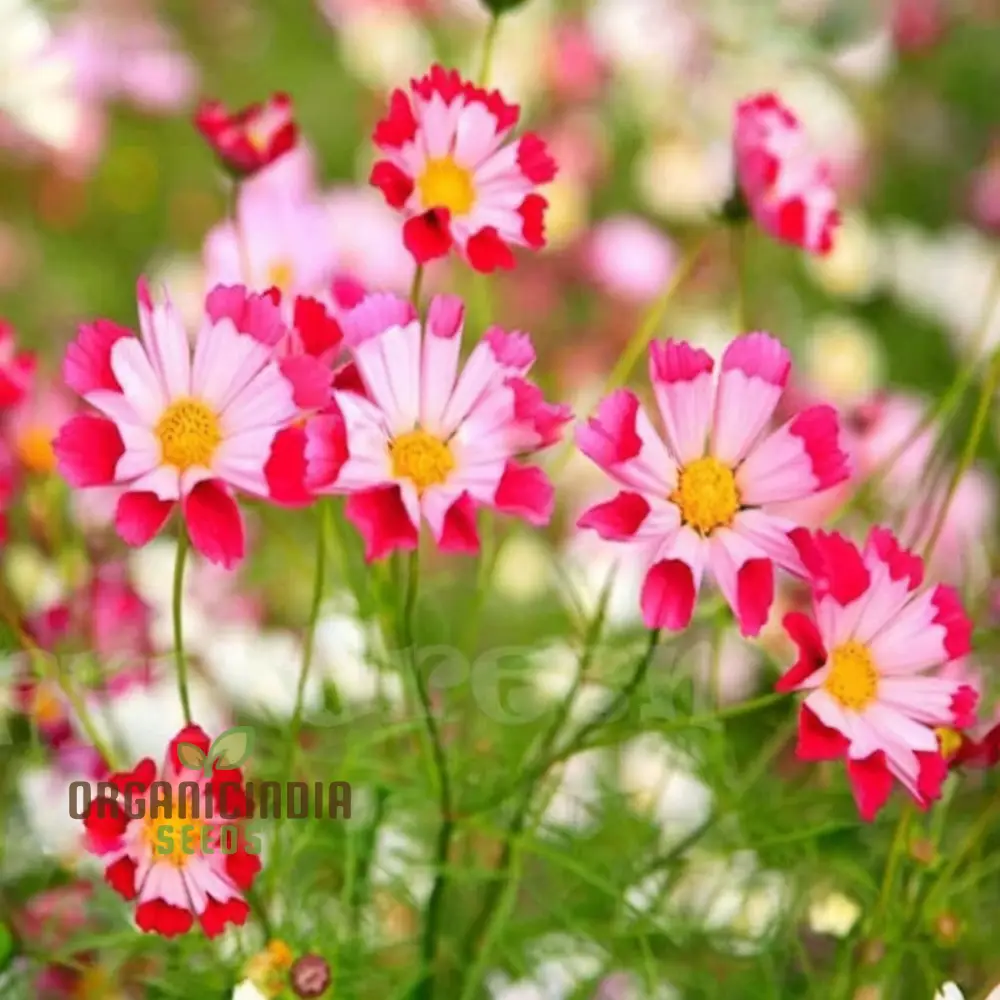
- Cosmos (Cosmos bipinnatus) – Delicate, daisy-like flowers in pastel shades of pink, white, and purple.
- California Poppy (Eschscholzia californica) – Vibrant orange and yellow blooms with feathery foliage.
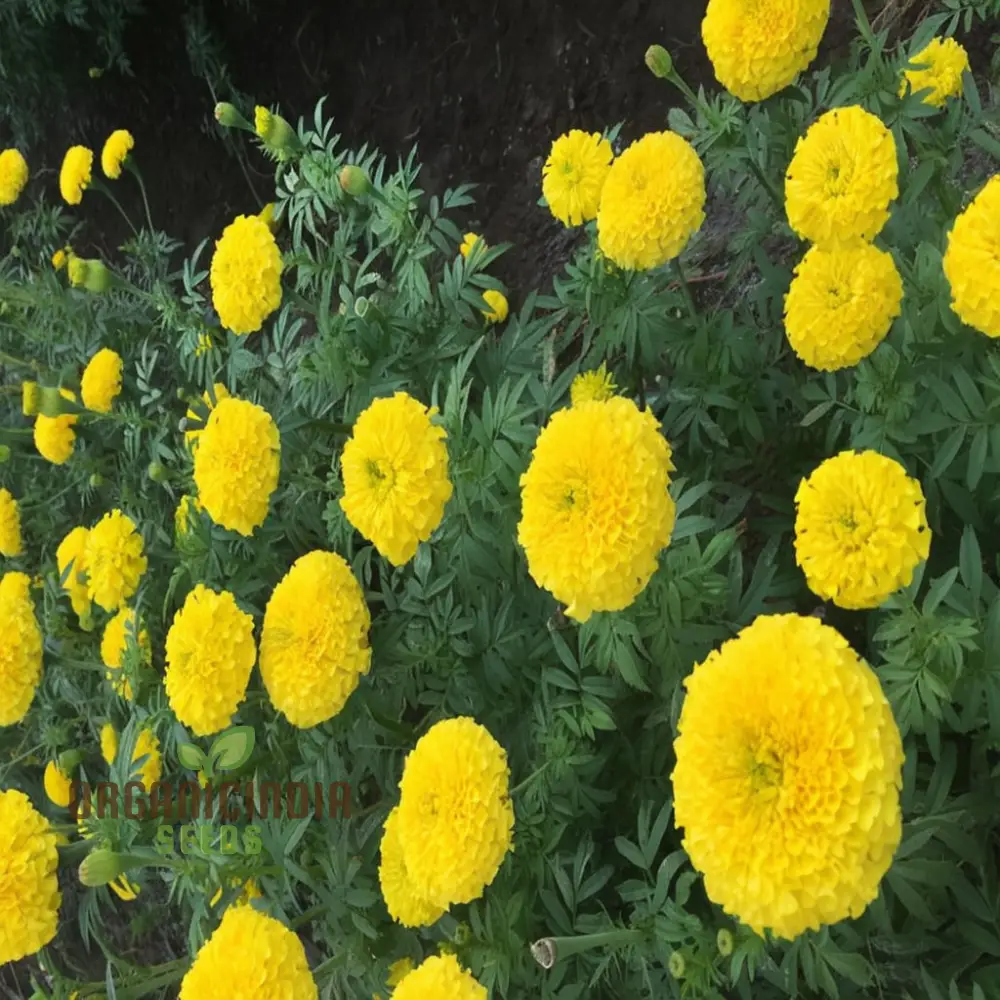
- Marigold (Tagetes patula) – Compact plants with bright yellow, orange, and red flowers.
- Sunflower (Helianthus annuus) – Tall stems with large, golden yellow blooms.
- Alyssum (Lobularia maritima) – Low-growing clusters of white, pink, and purple flowers with a sweet fragrance.
- Snapdragon (Antirrhinum majus) – Tall spikes of colorful, dragon-shaped blooms.
- Petunia (Petunia hybrida) – Trailing plants with trumpet-shaped blooms in shades of purple, pink, red, and white.
- Cornflower (Centaurea cyanus) – Classic blue flowers with fringed petals.
- Dianthus (Dianthus spp.) – Fragrant, ruffled blooms in shades of pink, red, and white.
Key Features:
- Plant Type: Mix of annual and perennial flowering plants
- Flower Colors: Wide range of colors including red, orange, yellow, pink, purple, white, and blue
- Bloom Size: 1 to 6 inches (2.5 to 15 cm), depending on the variety
- Mature Height: Varies from 6 inches to 6 feet (15 cm to 180 cm)
- Spread: 8 to 24 inches (20 to 60 cm)
- Growth Habit: Compact, bushy, and trailing (variety dependent)
- Blooming Season: Spring to frost
- Fragrance: Mild to strong, depending on the variety
- Hardiness Zones: USDA Zones 3–11
Planting Instructions:
1. Seed Preparation:
- No special preparation required.
- For faster germination, soak larger seeds (e.g., sunflowers) in lukewarm water for 2–4 hours before planting (optional).
2. Sowing Guidelines:
- Indoor Sowing: Start seeds indoors 6–8 weeks before the last frost.
- Outdoor Sowing: Direct sow in the garden after the last frost when soil temperature exceeds 65°F (18°C).
- Soil: Use well-draining soil enriched with compost or organic matter.
- Depth:
- Small seeds (e.g., alyssum, cosmos): Sow on the surface and press lightly into the soil.
- Larger seeds (e.g., sunflower): Sow 1/4 to 1/2 inch (0.6 to 1.2 cm) deep.
- Spacing:
- Space seeds 6–12 inches apart depending on plant size.
- Thin seedlings after germination to avoid overcrowding.
- Temperature: Maintain soil temperature at 65–75°F (18–24°C) for best germination.
3. Germination:
- Germination occurs within 7–14 days under optimal conditions.
- Keep the soil consistently moist but not soggy.
- Ensure good airflow to prevent fungal growth.
Care and Maintenance:
- Light Requirements: Full sun (at least 6–8 hours of direct sunlight daily).
- Soil Requirements: Well-draining, moderately fertile soil with a pH of 6.0–7.5.
- Watering:
- Water regularly, especially during dry spells.
- Once established, most varieties are drought-tolerant and require watering only during prolonged dry periods.
- Fertilizer:
- Apply a balanced fertilizer (10-10-10) every 4–6 weeks during the growing season.
- Avoid excessive nitrogen to prevent excessive foliage growth.
- Pruning:
- Deadhead spent flowers regularly to encourage continuous blooming.
- Pinch back young plants to promote bushier growth.
- Pest and Disease Control:
- Monitor for aphids, spider mites, and whiteflies; treat with insecticidal soap if needed.
- Ensure good air circulation to reduce the risk of fungal diseases.
Benefits and Uses:
- Ornamental Value:
- Provides a colorful and varied display in garden beds and borders.
- Ideal for filling bare spaces with vibrant blooms.
- Pollinator Friendly:
- Attracts bees, butterflies, and other beneficial insects.
- Pest Control:
- Marigolds and cornflowers naturally deter aphids and whiteflies.
- Cut Flowers:
- Excellent for creating mixed floral arrangements.
- Ground Cover:
- Low-growing varieties like alyssum and petunia are ideal for covering bare spots.
- Low Maintenance:
- Once established, these flowers thrive with minimal care.
- Heat and drought-tolerant varieties included.
Why Choose Shells Brand Mixed Flower Seeds?
- A diverse mix of shapes, colors, and bloom sizes.
- Continuous blooms from spring to frost.
- Easy to grow and maintain.
- Natural pest and disease resistance.
- Attracts pollinators and supports a healthy garden ecosystem.
Pack Size: Available in packs of 50, 100, or 250 seeds (variety dependent).
Germination Rate: High (with proper planting).
Origin: Sustainably sourced.
Shelf Life: Best planted within 1 year for maximum germination.
Original: $16.99
-65%$16.99
$5.95More Images
Mixed Flower Seeds for Gardening Enthusiasts Shells Brand Enhance Your Garden with a Burst of Vibrant Colors
Mixed Flower Seeds for Gardening Enthusiasts – Shells Brand: Enhance Your Garden with a Burst of Vibrant Colors
Product Description:
Shells Brand Mixed Flower Seeds provide a diverse and colorful selection of annual and perennial flowers, carefully curated to create a lively and eye-catching garden display. This premium seed mix includes a variety of bloom shapes, sizes, and colors, ensuring continuous flowering throughout the growing season. Perfect for garden beds, borders, and container planting, these flowers attract pollinators like bees and butterflies while enhancing the visual appeal of any outdoor space. With easy-to-grow varieties and a high germination rate, Shells Brand Mixed Flower Seeds are ideal for both beginner and experienced gardeners.
Included Varieties:
- Zinnia (Zinnia elegans) – Large, bright blooms in shades of red, pink, yellow, and white.
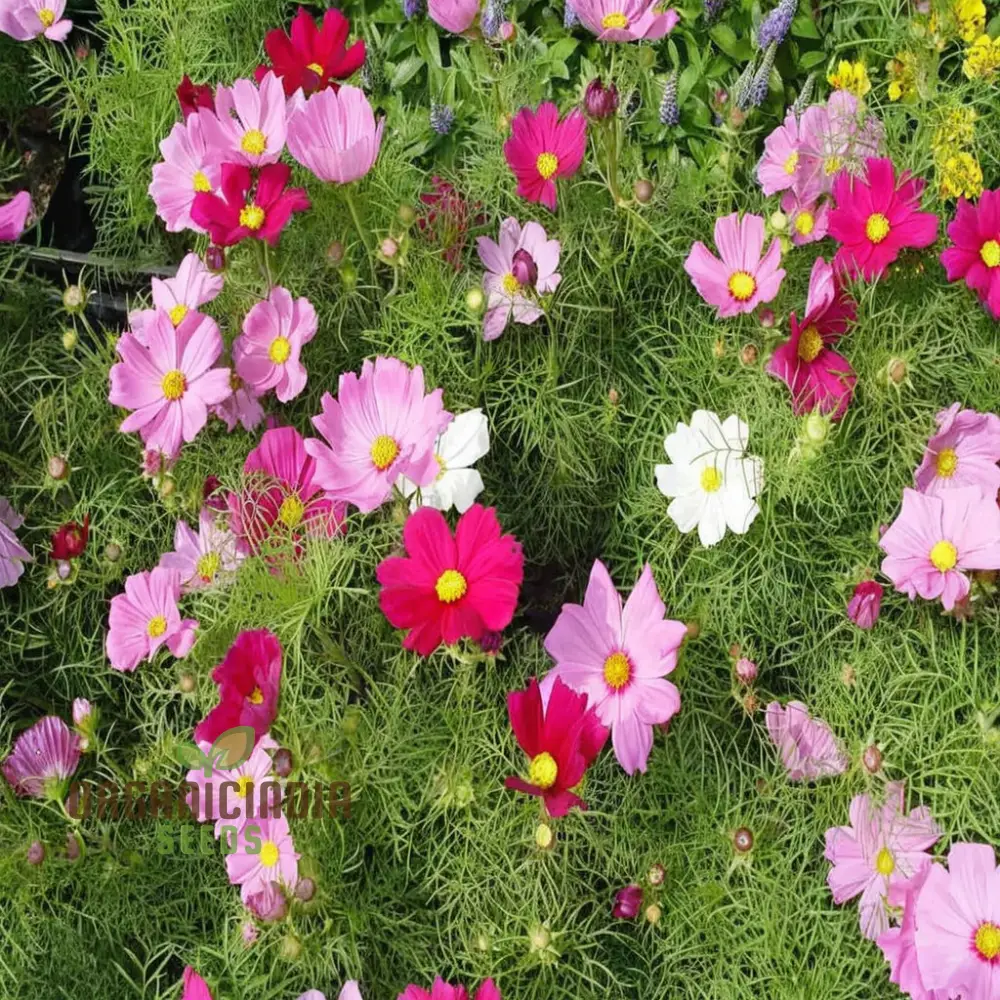
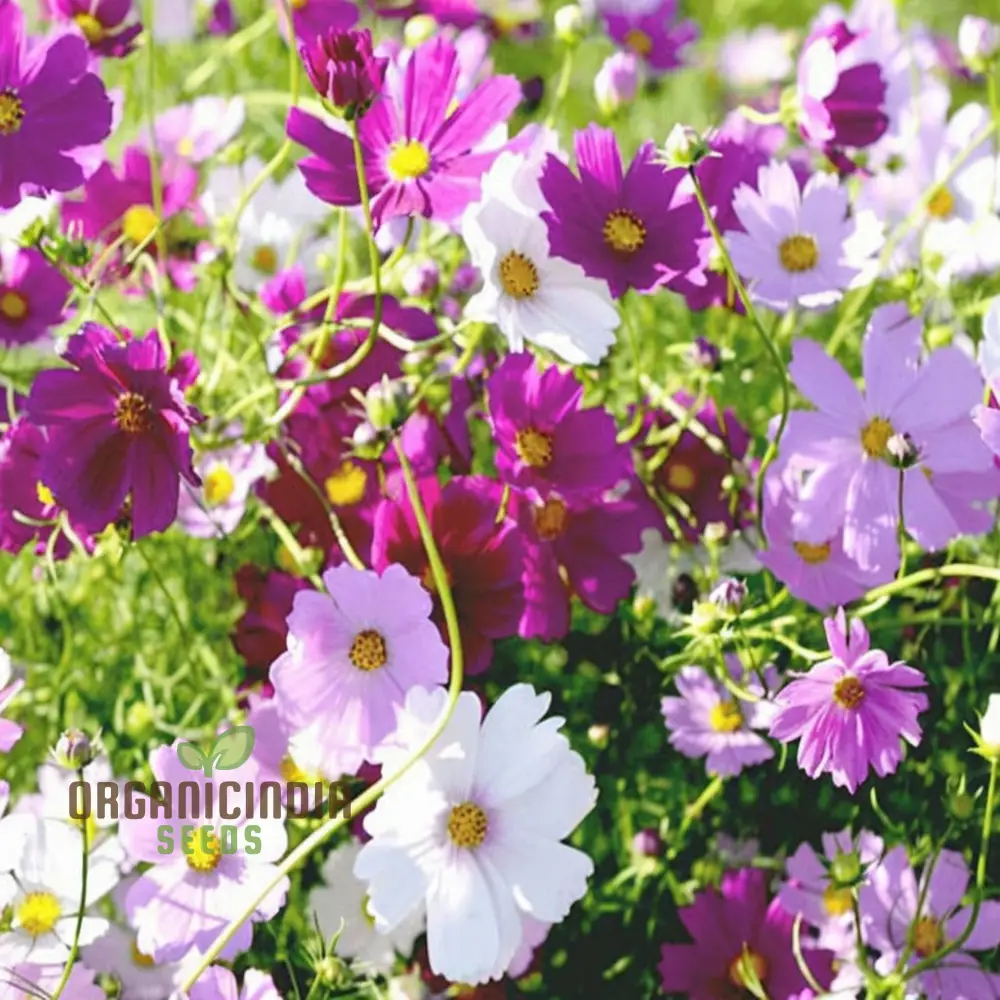
- Cosmos (Cosmos bipinnatus) – Delicate, daisy-like flowers in pastel shades of pink, white, and purple.
- California Poppy (Eschscholzia californica) – Vibrant orange and yellow blooms with feathery foliage.
- Marigold (Tagetes patula) – Compact plants with bright yellow, orange, and red flowers.
- Sunflower (Helianthus annuus) – Tall stems with large, golden yellow blooms.
- Alyssum (Lobularia maritima) – Low-growing clusters of white, pink, and purple flowers with a sweet fragrance.
- Snapdragon (Antirrhinum majus) – Tall spikes of colorful, dragon-shaped blooms.
- Petunia (Petunia hybrida) – Trailing plants with trumpet-shaped blooms in shades of purple, pink, red, and white.
- Cornflower (Centaurea cyanus) – Classic blue flowers with fringed petals.
- Dianthus (Dianthus spp.) – Fragrant, ruffled blooms in shades of pink, red, and white.
Key Features:
- Plant Type: Mix of annual and perennial flowering plants
- Flower Colors: Wide range of colors including red, orange, yellow, pink, purple, white, and blue
- Bloom Size: 1 to 6 inches (2.5 to 15 cm), depending on the variety
- Mature Height: Varies from 6 inches to 6 feet (15 cm to 180 cm)
- Spread: 8 to 24 inches (20 to 60 cm)
- Growth Habit: Compact, bushy, and trailing (variety dependent)
- Blooming Season: Spring to frost
- Fragrance: Mild to strong, depending on the variety
- Hardiness Zones: USDA Zones 3–11
Planting Instructions:
1. Seed Preparation:
- No special preparation required.
- For faster germination, soak larger seeds (e.g., sunflowers) in lukewarm water for 2–4 hours before planting (optional).
2. Sowing Guidelines:
- Indoor Sowing: Start seeds indoors 6–8 weeks before the last frost.
- Outdoor Sowing: Direct sow in the garden after the last frost when soil temperature exceeds 65°F (18°C).
- Soil: Use well-draining soil enriched with compost or organic matter.
- Depth:
- Small seeds (e.g., alyssum, cosmos): Sow on the surface and press lightly into the soil.
- Larger seeds (e.g., sunflower): Sow 1/4 to 1/2 inch (0.6 to 1.2 cm) deep.
- Spacing:
- Space seeds 6–12 inches apart depending on plant size.
- Thin seedlings after germination to avoid overcrowding.
- Temperature: Maintain soil temperature at 65–75°F (18–24°C) for best germination.
3. Germination:
- Germination occurs within 7–14 days under optimal conditions.
- Keep the soil consistently moist but not soggy.
- Ensure good airflow to prevent fungal growth.
Care and Maintenance:
- Light Requirements: Full sun (at least 6–8 hours of direct sunlight daily).
- Soil Requirements: Well-draining, moderately fertile soil with a pH of 6.0–7.5.
- Watering:
- Water regularly, especially during dry spells.
- Once established, most varieties are drought-tolerant and require watering only during prolonged dry periods.
- Fertilizer:
- Apply a balanced fertilizer (10-10-10) every 4–6 weeks during the growing season.
- Avoid excessive nitrogen to prevent excessive foliage growth.
- Pruning:
- Deadhead spent flowers regularly to encourage continuous blooming.
- Pinch back young plants to promote bushier growth.
- Pest and Disease Control:
- Monitor for aphids, spider mites, and whiteflies; treat with insecticidal soap if needed.
- Ensure good air circulation to reduce the risk of fungal diseases.
Benefits and Uses:
- Ornamental Value:
- Provides a colorful and varied display in garden beds and borders.
- Ideal for filling bare spaces with vibrant blooms.
- Pollinator Friendly:
- Attracts bees, butterflies, and other beneficial insects.
- Pest Control:
- Marigolds and cornflowers naturally deter aphids and whiteflies.
- Cut Flowers:
- Excellent for creating mixed floral arrangements.
- Ground Cover:
- Low-growing varieties like alyssum and petunia are ideal for covering bare spots.
- Low Maintenance:
- Once established, these flowers thrive with minimal care.
- Heat and drought-tolerant varieties included.
Why Choose Shells Brand Mixed Flower Seeds?
- A diverse mix of shapes, colors, and bloom sizes.
- Continuous blooms from spring to frost.
- Easy to grow and maintain.
- Natural pest and disease resistance.
- Attracts pollinators and supports a healthy garden ecosystem.
Pack Size: Available in packs of 50, 100, or 250 seeds (variety dependent).
Germination Rate: High (with proper planting).
Origin: Sustainably sourced.
Shelf Life: Best planted within 1 year for maximum germination.
Product Information
Product Information
Shipping & Returns
Shipping & Returns
Description
Mixed Flower Seeds for Gardening Enthusiasts – Shells Brand: Enhance Your Garden with a Burst of Vibrant Colors
Product Description:
Shells Brand Mixed Flower Seeds provide a diverse and colorful selection of annual and perennial flowers, carefully curated to create a lively and eye-catching garden display. This premium seed mix includes a variety of bloom shapes, sizes, and colors, ensuring continuous flowering throughout the growing season. Perfect for garden beds, borders, and container planting, these flowers attract pollinators like bees and butterflies while enhancing the visual appeal of any outdoor space. With easy-to-grow varieties and a high germination rate, Shells Brand Mixed Flower Seeds are ideal for both beginner and experienced gardeners.
Included Varieties:
- Zinnia (Zinnia elegans) – Large, bright blooms in shades of red, pink, yellow, and white.
- Cosmos (Cosmos bipinnatus) – Delicate, daisy-like flowers in pastel shades of pink, white, and purple.
- California Poppy (Eschscholzia californica) – Vibrant orange and yellow blooms with feathery foliage.
- Marigold (Tagetes patula) – Compact plants with bright yellow, orange, and red flowers.
- Sunflower (Helianthus annuus) – Tall stems with large, golden yellow blooms.
- Alyssum (Lobularia maritima) – Low-growing clusters of white, pink, and purple flowers with a sweet fragrance.
- Snapdragon (Antirrhinum majus) – Tall spikes of colorful, dragon-shaped blooms.
- Petunia (Petunia hybrida) – Trailing plants with trumpet-shaped blooms in shades of purple, pink, red, and white.
- Cornflower (Centaurea cyanus) – Classic blue flowers with fringed petals.
- Dianthus (Dianthus spp.) – Fragrant, ruffled blooms in shades of pink, red, and white.
Key Features:
- Plant Type: Mix of annual and perennial flowering plants
- Flower Colors: Wide range of colors including red, orange, yellow, pink, purple, white, and blue
- Bloom Size: 1 to 6 inches (2.5 to 15 cm), depending on the variety
- Mature Height: Varies from 6 inches to 6 feet (15 cm to 180 cm)
- Spread: 8 to 24 inches (20 to 60 cm)
- Growth Habit: Compact, bushy, and trailing (variety dependent)
- Blooming Season: Spring to frost
- Fragrance: Mild to strong, depending on the variety
- Hardiness Zones: USDA Zones 3–11
Planting Instructions:
1. Seed Preparation:
- No special preparation required.
- For faster germination, soak larger seeds (e.g., sunflowers) in lukewarm water for 2–4 hours before planting (optional).
2. Sowing Guidelines:
- Indoor Sowing: Start seeds indoors 6–8 weeks before the last frost.
- Outdoor Sowing: Direct sow in the garden after the last frost when soil temperature exceeds 65°F (18°C).
- Soil: Use well-draining soil enriched with compost or organic matter.
- Depth:
- Small seeds (e.g., alyssum, cosmos): Sow on the surface and press lightly into the soil.
- Larger seeds (e.g., sunflower): Sow 1/4 to 1/2 inch (0.6 to 1.2 cm) deep.
- Spacing:
- Space seeds 6–12 inches apart depending on plant size.
- Thin seedlings after germination to avoid overcrowding.
- Temperature: Maintain soil temperature at 65–75°F (18–24°C) for best germination.
3. Germination:
- Germination occurs within 7–14 days under optimal conditions.
- Keep the soil consistently moist but not soggy.
- Ensure good airflow to prevent fungal growth.
Care and Maintenance:
- Light Requirements: Full sun (at least 6–8 hours of direct sunlight daily).
- Soil Requirements: Well-draining, moderately fertile soil with a pH of 6.0–7.5.
- Watering:
- Water regularly, especially during dry spells.
- Once established, most varieties are drought-tolerant and require watering only during prolonged dry periods.
- Fertilizer:
- Apply a balanced fertilizer (10-10-10) every 4–6 weeks during the growing season.
- Avoid excessive nitrogen to prevent excessive foliage growth.
- Pruning:
- Deadhead spent flowers regularly to encourage continuous blooming.
- Pinch back young plants to promote bushier growth.
- Pest and Disease Control:
- Monitor for aphids, spider mites, and whiteflies; treat with insecticidal soap if needed.
- Ensure good air circulation to reduce the risk of fungal diseases.
Benefits and Uses:
- Ornamental Value:
- Provides a colorful and varied display in garden beds and borders.
- Ideal for filling bare spaces with vibrant blooms.
- Pollinator Friendly:
- Attracts bees, butterflies, and other beneficial insects.
- Pest Control:
- Marigolds and cornflowers naturally deter aphids and whiteflies.
- Cut Flowers:
- Excellent for creating mixed floral arrangements.
- Ground Cover:
- Low-growing varieties like alyssum and petunia are ideal for covering bare spots.
- Low Maintenance:
- Once established, these flowers thrive with minimal care.
- Heat and drought-tolerant varieties included.
Why Choose Shells Brand Mixed Flower Seeds?
- A diverse mix of shapes, colors, and bloom sizes.
- Continuous blooms from spring to frost.
- Easy to grow and maintain.
- Natural pest and disease resistance.
- Attracts pollinators and supports a healthy garden ecosystem.
Pack Size: Available in packs of 50, 100, or 250 seeds (variety dependent).
Germination Rate: High (with proper planting).
Origin: Sustainably sourced.
Shelf Life: Best planted within 1 year for maximum germination.