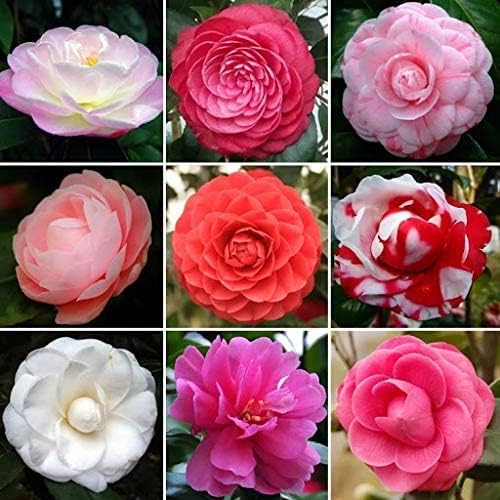
Mixed Camellia Seeds, Cultivate a Stunning Variety of Elegant Blooms
Mixed Camellia Seeds – Cultivate a Stunning Variety of Elegant Blooms
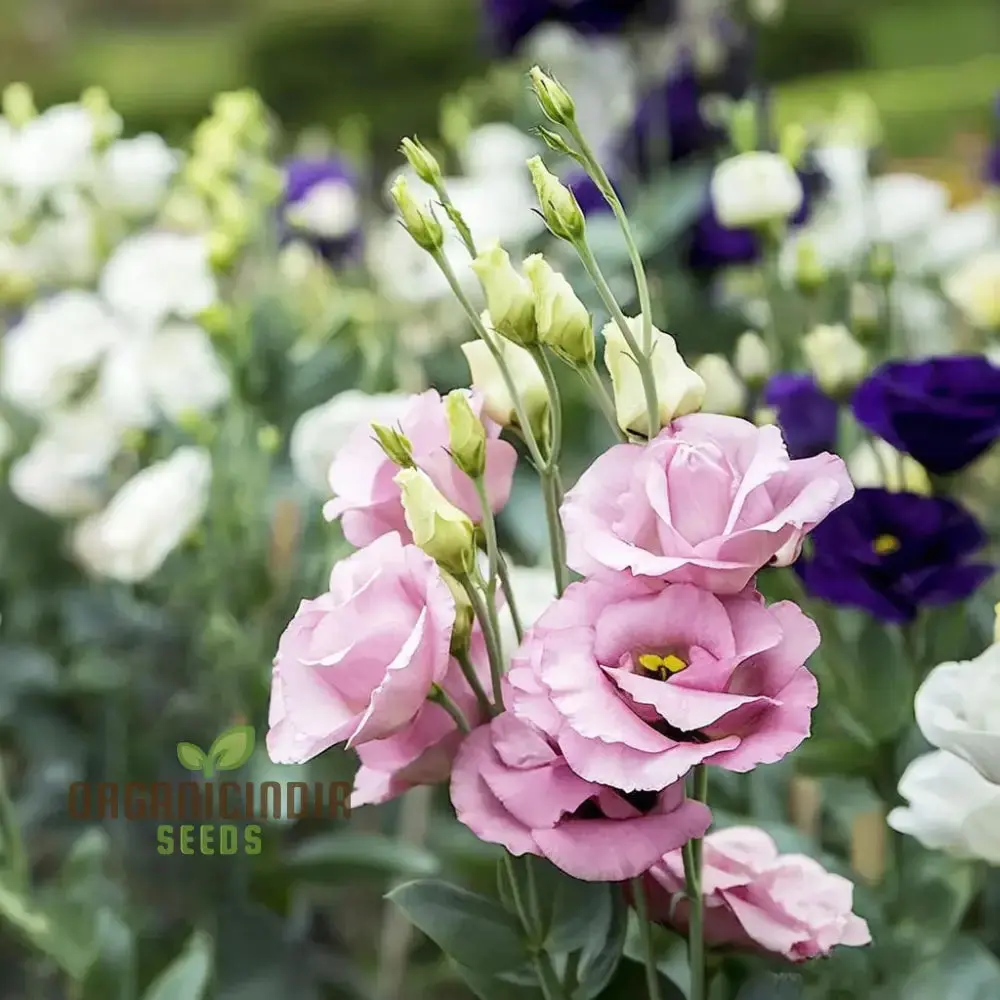
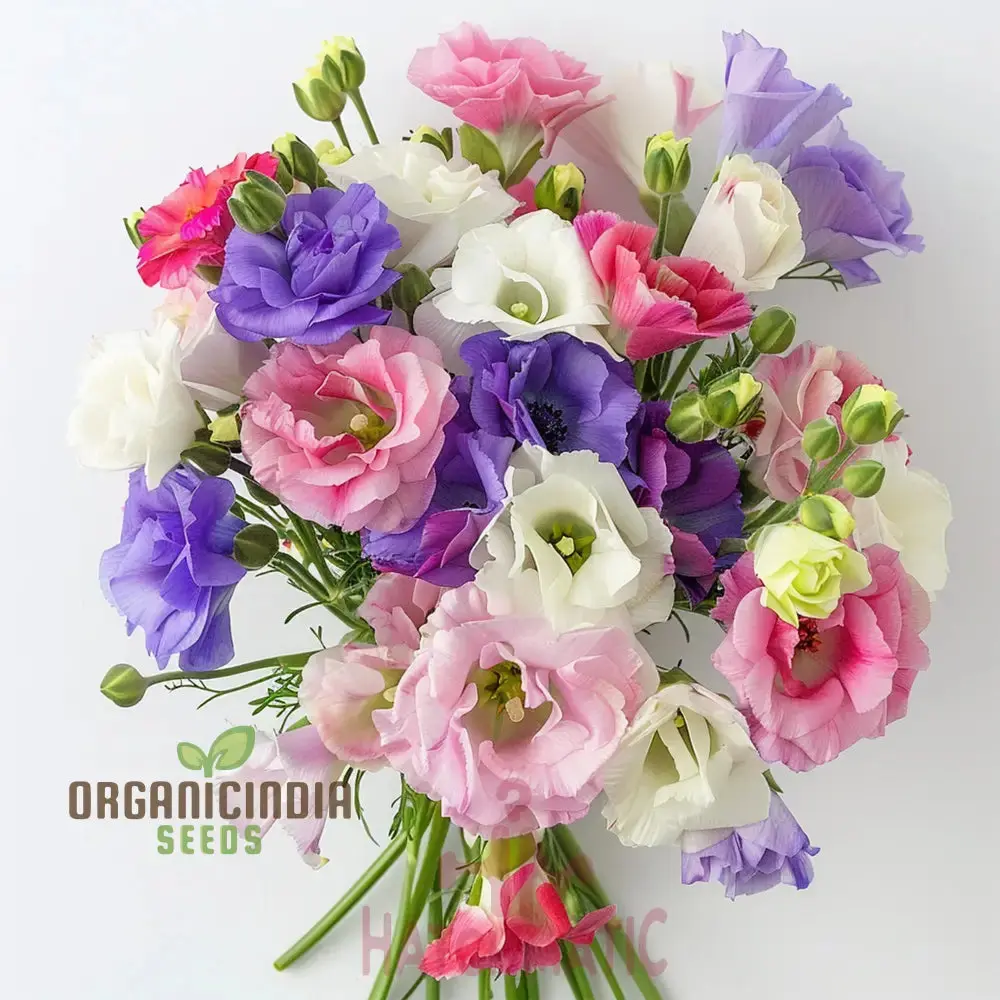
Camellia (Camellia spp.) is a breathtaking flowering shrub known for its lush foliage and exquisite blooms in shades of pink, red, white, and even bicolor varieties. These evergreen plants are perfect for adding year-round beauty to gardens, landscapes, and containers. With their glossy leaves and long-lasting flowers, camellias are a favorite among gardeners and flower enthusiasts.
Key Features
- Scientific Name: Camellia spp.
- Common Name: Camellia
- Plant Type: Evergreen flowering shrub
- Mature Height: 6 to 15 feet (depending on the variety)
- Spread: 4 to 10 feet
- Growth Habit: Bushy, compact, or tree-like form
- Light Requirements: Partial shade to filtered sunlight
- Soil Requirements: Well-drained, acidic soil rich in organic matter
- Watering Needs: Moderate; prefers consistent moisture but not waterlogged soil
- Blooming Season: Fall to spring, depending on the variety
- Uses: Ornamental shrub, hedge, container gardening, cut flowers
Why Grow Mixed Camellia Seeds?
- Diverse & Unique Blooms: Offers a variety of flower colors and forms.
- Long Blooming Season: Provides seasonal beauty from late fall through spring.
- Low Maintenance & Evergreen: Year-round greenery with minimal care.
- Shade-Tolerant: Thrives in partial shade, making it ideal for woodland gardens.
- Attracts Pollinators: Bees and butterflies love the nectar-rich flowers.
How to Grow Camellia from Seeds
Seed Preparation & Sowing
- Best Time to Sow: Fall to early spring.
- Seed Pre-Treatment (Scarification & Stratification):
- Soak seeds in warm water for 24 hours.
- Gently nick or file the seed coat to encourage germination.
- Optionally, place in a damp paper towel inside a plastic bag and refrigerate for 4-6 weeks to improve sprouting.
- Sowing Method:
- Sow seeds ½ to 1 inch deep in well-draining, acidic soil.
- Use pots or seed trays for better control of moisture.
- Keep the soil consistently moist but not soggy.
- Germination Conditions:
- Ideal temperature: 65-75°F.
- Germination time: 1-3 months, depending on conditions.
Transplanting & Care
- When to Transplant: Once seedlings have at least two sets of true leaves, move them to larger pots or their final growing location.
- Spacing: 4-6 feet apart for optimal air circulation and growth.
- Mulching: Apply organic mulch to retain moisture and maintain soil acidity.
Care & Maintenance
- Watering: Water deeply, especially during dry spells, but avoid overwatering.
- Fertilization: Use an acidic, slow-release fertilizer in early spring and midsummer.
- Pruning: Lightly prune after blooming to shape the plant and remove dead branches.
- Pest & Disease Resistance: Generally hardy, but may need protection from aphids or scale insects.
Best Uses for Mixed Camellia Plants
- Garden Accent: Adds structure and beauty to landscapes.
- Hedges & Borders: Creates lush, flowering privacy screens.
- Container Gardening: Ideal for patios and balconies.
- Cut Flowers: Elegant blooms make stunning floral arrangements.
Grow Your Own Camellia Collection
With their vibrant colors, glossy foliage, and graceful blooms, mixed camellia seeds offer a rewarding gardening experience. Whether planted in the ground or containers, camellias bring timeless elegance to any outdoor space.
More Images


Mixed Camellia Seeds, Cultivate a Stunning Variety of Elegant Blooms
Mixed Camellia Seeds – Cultivate a Stunning Variety of Elegant Blooms
Camellia (Camellia spp.) is a breathtaking flowering shrub known for its lush foliage and exquisite blooms in shades of pink, red, white, and even bicolor varieties. These evergreen plants are perfect for adding year-round beauty to gardens, landscapes, and containers. With their glossy leaves and long-lasting flowers, camellias are a favorite among gardeners and flower enthusiasts.
Key Features
- Scientific Name: Camellia spp.
- Common Name: Camellia
- Plant Type: Evergreen flowering shrub
- Mature Height: 6 to 15 feet (depending on the variety)
- Spread: 4 to 10 feet
- Growth Habit: Bushy, compact, or tree-like form
- Light Requirements: Partial shade to filtered sunlight
- Soil Requirements: Well-drained, acidic soil rich in organic matter
- Watering Needs: Moderate; prefers consistent moisture but not waterlogged soil
- Blooming Season: Fall to spring, depending on the variety
- Uses: Ornamental shrub, hedge, container gardening, cut flowers
Why Grow Mixed Camellia Seeds?
- Diverse & Unique Blooms: Offers a variety of flower colors and forms.
- Long Blooming Season: Provides seasonal beauty from late fall through spring.
- Low Maintenance & Evergreen: Year-round greenery with minimal care.
- Shade-Tolerant: Thrives in partial shade, making it ideal for woodland gardens.
- Attracts Pollinators: Bees and butterflies love the nectar-rich flowers.
How to Grow Camellia from Seeds
Seed Preparation & Sowing
- Best Time to Sow: Fall to early spring.
- Seed Pre-Treatment (Scarification & Stratification):
- Soak seeds in warm water for 24 hours.
- Gently nick or file the seed coat to encourage germination.
- Optionally, place in a damp paper towel inside a plastic bag and refrigerate for 4-6 weeks to improve sprouting.
- Sowing Method:
- Sow seeds ½ to 1 inch deep in well-draining, acidic soil.
- Use pots or seed trays for better control of moisture.
- Keep the soil consistently moist but not soggy.
- Germination Conditions:
- Ideal temperature: 65-75°F.
- Germination time: 1-3 months, depending on conditions.
Transplanting & Care
- When to Transplant: Once seedlings have at least two sets of true leaves, move them to larger pots or their final growing location.
- Spacing: 4-6 feet apart for optimal air circulation and growth.
- Mulching: Apply organic mulch to retain moisture and maintain soil acidity.
Care & Maintenance
- Watering: Water deeply, especially during dry spells, but avoid overwatering.
- Fertilization: Use an acidic, slow-release fertilizer in early spring and midsummer.
- Pruning: Lightly prune after blooming to shape the plant and remove dead branches.
- Pest & Disease Resistance: Generally hardy, but may need protection from aphids or scale insects.
Best Uses for Mixed Camellia Plants
- Garden Accent: Adds structure and beauty to landscapes.
- Hedges & Borders: Creates lush, flowering privacy screens.
- Container Gardening: Ideal for patios and balconies.
- Cut Flowers: Elegant blooms make stunning floral arrangements.
Grow Your Own Camellia Collection
With their vibrant colors, glossy foliage, and graceful blooms, mixed camellia seeds offer a rewarding gardening experience. Whether planted in the ground or containers, camellias bring timeless elegance to any outdoor space.
Product Information
Product Information
Shipping & Returns
Shipping & Returns
Description
Mixed Camellia Seeds – Cultivate a Stunning Variety of Elegant Blooms
Camellia (Camellia spp.) is a breathtaking flowering shrub known for its lush foliage and exquisite blooms in shades of pink, red, white, and even bicolor varieties. These evergreen plants are perfect for adding year-round beauty to gardens, landscapes, and containers. With their glossy leaves and long-lasting flowers, camellias are a favorite among gardeners and flower enthusiasts.
Key Features
- Scientific Name: Camellia spp.
- Common Name: Camellia
- Plant Type: Evergreen flowering shrub
- Mature Height: 6 to 15 feet (depending on the variety)
- Spread: 4 to 10 feet
- Growth Habit: Bushy, compact, or tree-like form
- Light Requirements: Partial shade to filtered sunlight
- Soil Requirements: Well-drained, acidic soil rich in organic matter
- Watering Needs: Moderate; prefers consistent moisture but not waterlogged soil
- Blooming Season: Fall to spring, depending on the variety
- Uses: Ornamental shrub, hedge, container gardening, cut flowers
Why Grow Mixed Camellia Seeds?
- Diverse & Unique Blooms: Offers a variety of flower colors and forms.
- Long Blooming Season: Provides seasonal beauty from late fall through spring.
- Low Maintenance & Evergreen: Year-round greenery with minimal care.
- Shade-Tolerant: Thrives in partial shade, making it ideal for woodland gardens.
- Attracts Pollinators: Bees and butterflies love the nectar-rich flowers.
How to Grow Camellia from Seeds
Seed Preparation & Sowing
- Best Time to Sow: Fall to early spring.
- Seed Pre-Treatment (Scarification & Stratification):
- Soak seeds in warm water for 24 hours.
- Gently nick or file the seed coat to encourage germination.
- Optionally, place in a damp paper towel inside a plastic bag and refrigerate for 4-6 weeks to improve sprouting.
- Sowing Method:
- Sow seeds ½ to 1 inch deep in well-draining, acidic soil.
- Use pots or seed trays for better control of moisture.
- Keep the soil consistently moist but not soggy.
- Germination Conditions:
- Ideal temperature: 65-75°F.
- Germination time: 1-3 months, depending on conditions.
Transplanting & Care
- When to Transplant: Once seedlings have at least two sets of true leaves, move them to larger pots or their final growing location.
- Spacing: 4-6 feet apart for optimal air circulation and growth.
- Mulching: Apply organic mulch to retain moisture and maintain soil acidity.
Care & Maintenance
- Watering: Water deeply, especially during dry spells, but avoid overwatering.
- Fertilization: Use an acidic, slow-release fertilizer in early spring and midsummer.
- Pruning: Lightly prune after blooming to shape the plant and remove dead branches.
- Pest & Disease Resistance: Generally hardy, but may need protection from aphids or scale insects.
Best Uses for Mixed Camellia Plants
- Garden Accent: Adds structure and beauty to landscapes.
- Hedges & Borders: Creates lush, flowering privacy screens.
- Container Gardening: Ideal for patios and balconies.
- Cut Flowers: Elegant blooms make stunning floral arrangements.
Grow Your Own Camellia Collection
With their vibrant colors, glossy foliage, and graceful blooms, mixed camellia seeds offer a rewarding gardening experience. Whether planted in the ground or containers, camellias bring timeless elegance to any outdoor space.