Meconopsis Paniculata Flower Seeds for Planting, Rare and Beautiful Himalayan Blue Poppy Seeds for Gardening
Meconopsis Paniculata Flower Seeds for Planting, Rare and Beautiful Himalayan Blue Poppy Seeds for Gardening
Meconopsis paniculata Flower Seeds – The Enchanting Himalayan Blue Poppy for Your Garden
Scientific Name: Meconopsis paniculata
Common Name: Himalayan Blue Poppy
Plant Type: Perennial, Herbaceous
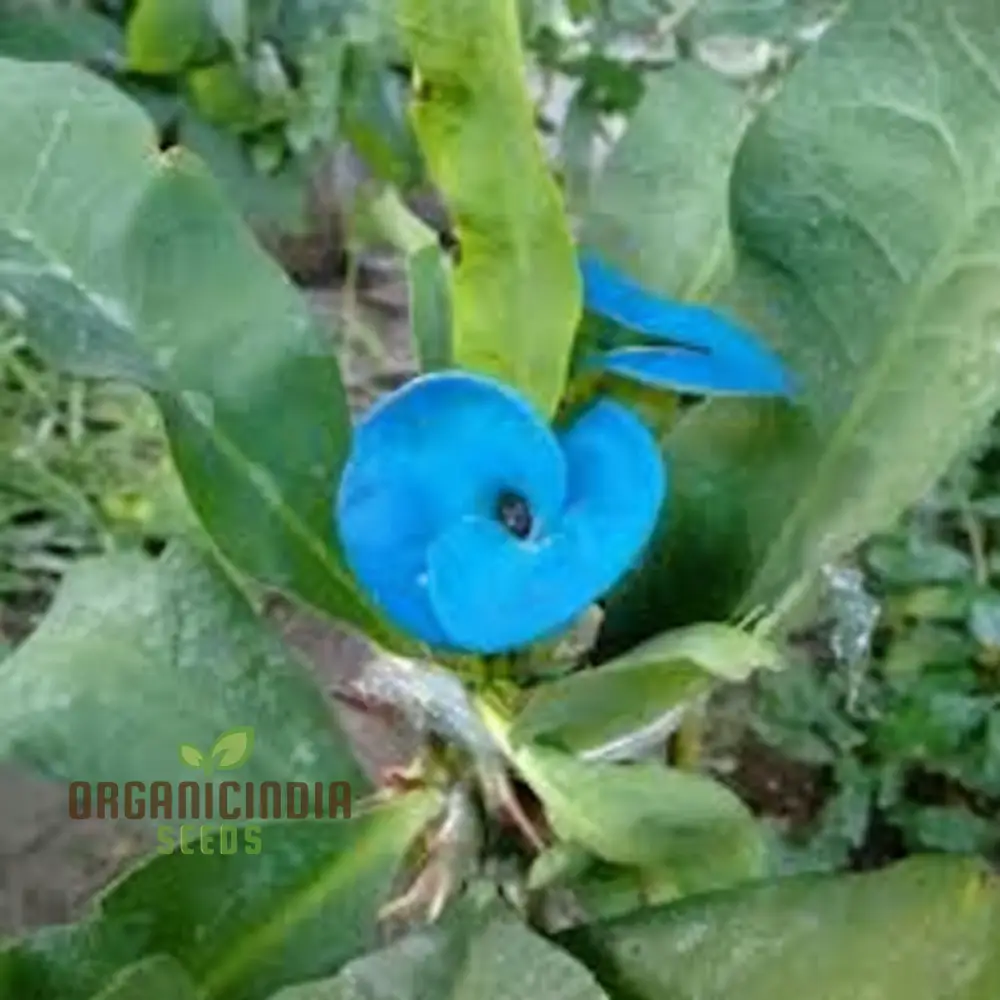
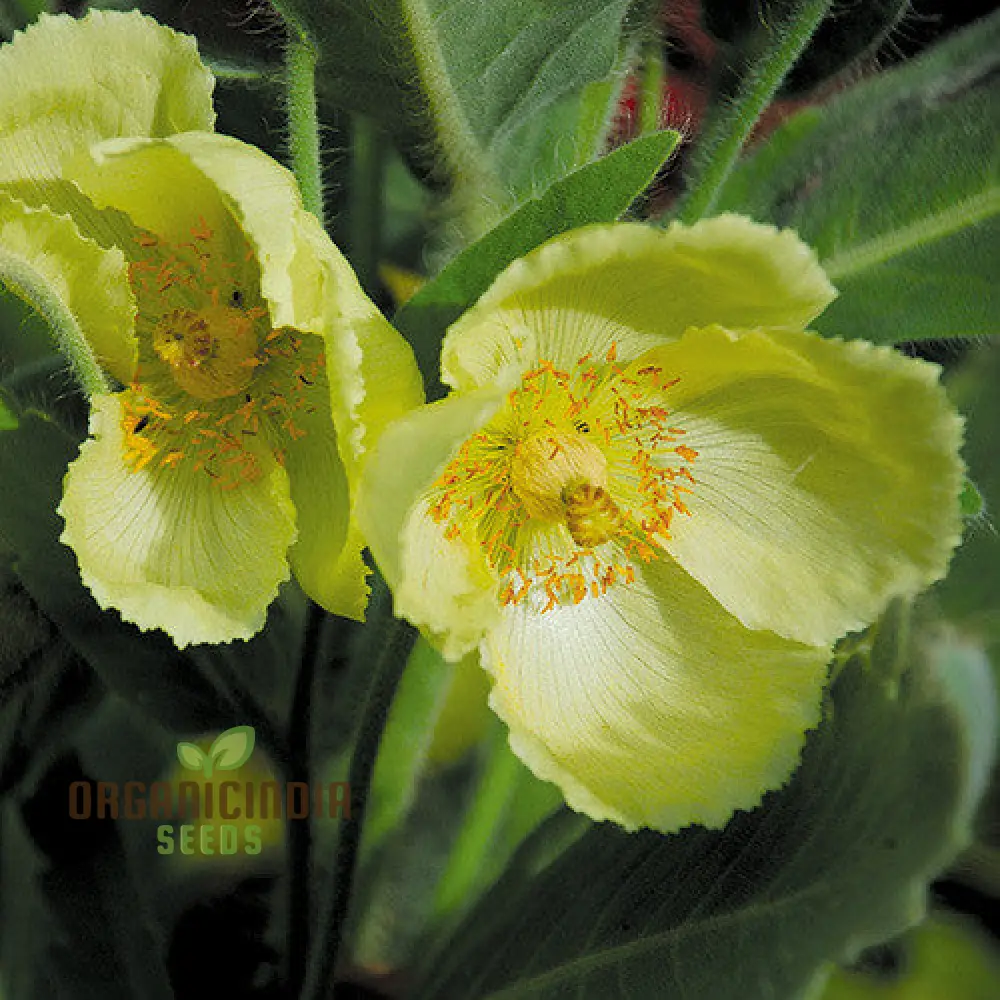
Flower Color: True Himalayan blue with a soft, ethereal quality
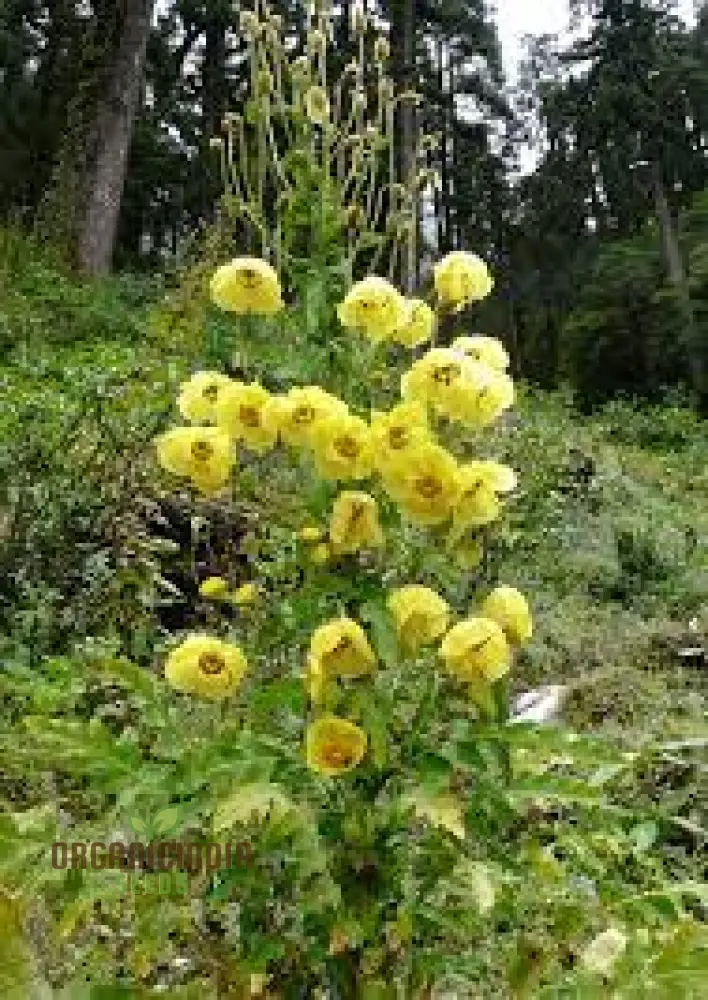
Mature Height: 24 to 36 inches
Spread: 12 to 18 inches
Light Requirements: Prefers partial shade, thriving in cooler, sheltered spots
Soil Requirements: Moist, well-drained, humus-rich soil with slightly acidic to neutral pH
Watering Needs: High; needs regular moisture, especially during flowering
Blooming Season: Late spring to early summer, with continuous blooms under the right conditions
Uses: Woodland and shade gardens, flower beds, or as an eye-catching feature plant in garden borders
Key Benefits of Growing Meconopsis paniculata:
- Striking Blue Flowers: Revered for its unforgettable blue hue, this flower provides an exotic pop of color, often likened to the blue of a clear sky.
- Perfect for Shade Gardens: Unlike many other flowering plants, this blue poppy thrives in partial to full shade, making it an excellent choice for shaded garden areas or under tall trees.
- Graceful Yet Bold: Its tall stature and delicate flowers make it stand out, even in more modest garden spaces.
Growing Tips for Successful Germination and Growth
- Planting Tips: Start seeds indoors for an earlier bloom, or sow outdoors in cool, moist conditions. Be sure to choose a location that mimics its native Himalayan habitat – cool, shaded, and consistently moist soil.
- Patience is Key: Meconopsis seeds can be slow to germinate, requiring careful attention to temperature and moisture. However, once established, they reward gardeners with stunning blooms that are well worth the wait.
- Ideal Soil Conditions: Meconopsis paniculata thrives in rich, organic soil that holds moisture well but drains adequately. If your garden soil is too heavy or clayey, consider adding compost or organic matter to improve drainage.
Why Choose Meconopsis paniculata for Your Garden?
- Exceptional Uniqueness: This plant is a true conversation starter. The blue poppy’s striking beauty sets it apart from many other flowers and adds an exotic touch to any garden.
- Rare Yet Resilient: Though native to the rugged Himalayan mountains, Meconopsis paniculata adapts well to cooler gardens, thriving in partial shade. Its exotic nature does not mean it's delicate – it can tolerate a variety of garden conditions, provided it's kept moist.
- Seasonal Delight: Blooming in late spring to early summer, Meconopsis paniculata offers a prolonged display of color when many other plants are finishing their blooming cycle. It’s a beautiful way to extend the flowering season in your garden.
Companion Plants for Meconopsis paniculata
- Combine with Astilbe for contrasting feathery blooms, or plant alongside Brunnera for a complementary foliage effect.
- If you want to create a cool, tranquil garden space, pair with Heuchera or Fern varieties for a lush, woodland look.
- Blue poppies also complement Trillium and Corydalis, creating a soft, naturalistic atmosphere.
Garden Aesthetic Ideas:
- Plant Meconopsis paniculata near water features, like a pond or stream, where the constant moisture can be maintained.
- Use it as a striking focal point in a woodland garden, combining with mossy rocks or other shade-loving plants to create an enchanting, serene environment.
- For a truly spectacular display, group several plants together, allowing the blue blooms to form a stunning backdrop for lower-growing plants.
This beautiful and rare blue poppy is a fantastic addition to any garden, offering visual interest, wildlife benefits, and a touch of the exotic. Ready to give your garden an enchanting, cool-blue touch with Meconopsis paniculata? Would you like advice on planting or where to place it for the best effect?
Original: $16.99
-65%$16.99
$5.95More Images
Meconopsis Paniculata Flower Seeds for Planting, Rare and Beautiful Himalayan Blue Poppy Seeds for Gardening
Meconopsis paniculata Flower Seeds – The Enchanting Himalayan Blue Poppy for Your Garden
Scientific Name: Meconopsis paniculata
Common Name: Himalayan Blue Poppy
Plant Type: Perennial, Herbaceous
Flower Color: True Himalayan blue with a soft, ethereal quality
Mature Height: 24 to 36 inches
Spread: 12 to 18 inches
Light Requirements: Prefers partial shade, thriving in cooler, sheltered spots
Soil Requirements: Moist, well-drained, humus-rich soil with slightly acidic to neutral pH
Watering Needs: High; needs regular moisture, especially during flowering
Blooming Season: Late spring to early summer, with continuous blooms under the right conditions
Uses: Woodland and shade gardens, flower beds, or as an eye-catching feature plant in garden borders
Key Benefits of Growing Meconopsis paniculata:
- Striking Blue Flowers: Revered for its unforgettable blue hue, this flower provides an exotic pop of color, often likened to the blue of a clear sky.
- Perfect for Shade Gardens: Unlike many other flowering plants, this blue poppy thrives in partial to full shade, making it an excellent choice for shaded garden areas or under tall trees.
- Graceful Yet Bold: Its tall stature and delicate flowers make it stand out, even in more modest garden spaces.
Growing Tips for Successful Germination and Growth
- Planting Tips: Start seeds indoors for an earlier bloom, or sow outdoors in cool, moist conditions. Be sure to choose a location that mimics its native Himalayan habitat – cool, shaded, and consistently moist soil.
- Patience is Key: Meconopsis seeds can be slow to germinate, requiring careful attention to temperature and moisture. However, once established, they reward gardeners with stunning blooms that are well worth the wait.
- Ideal Soil Conditions: Meconopsis paniculata thrives in rich, organic soil that holds moisture well but drains adequately. If your garden soil is too heavy or clayey, consider adding compost or organic matter to improve drainage.
Why Choose Meconopsis paniculata for Your Garden?
- Exceptional Uniqueness: This plant is a true conversation starter. The blue poppy’s striking beauty sets it apart from many other flowers and adds an exotic touch to any garden.
- Rare Yet Resilient: Though native to the rugged Himalayan mountains, Meconopsis paniculata adapts well to cooler gardens, thriving in partial shade. Its exotic nature does not mean it's delicate – it can tolerate a variety of garden conditions, provided it's kept moist.
- Seasonal Delight: Blooming in late spring to early summer, Meconopsis paniculata offers a prolonged display of color when many other plants are finishing their blooming cycle. It’s a beautiful way to extend the flowering season in your garden.
Companion Plants for Meconopsis paniculata
- Combine with Astilbe for contrasting feathery blooms, or plant alongside Brunnera for a complementary foliage effect.
- If you want to create a cool, tranquil garden space, pair with Heuchera or Fern varieties for a lush, woodland look.
- Blue poppies also complement Trillium and Corydalis, creating a soft, naturalistic atmosphere.
Garden Aesthetic Ideas:
- Plant Meconopsis paniculata near water features, like a pond or stream, where the constant moisture can be maintained.
- Use it as a striking focal point in a woodland garden, combining with mossy rocks or other shade-loving plants to create an enchanting, serene environment.
- For a truly spectacular display, group several plants together, allowing the blue blooms to form a stunning backdrop for lower-growing plants.
This beautiful and rare blue poppy is a fantastic addition to any garden, offering visual interest, wildlife benefits, and a touch of the exotic. Ready to give your garden an enchanting, cool-blue touch with Meconopsis paniculata? Would you like advice on planting or where to place it for the best effect?
Product Information
Product Information
Shipping & Returns
Shipping & Returns
Description
Meconopsis paniculata Flower Seeds – The Enchanting Himalayan Blue Poppy for Your Garden
Scientific Name: Meconopsis paniculata
Common Name: Himalayan Blue Poppy
Plant Type: Perennial, Herbaceous
Flower Color: True Himalayan blue with a soft, ethereal quality
Mature Height: 24 to 36 inches
Spread: 12 to 18 inches
Light Requirements: Prefers partial shade, thriving in cooler, sheltered spots
Soil Requirements: Moist, well-drained, humus-rich soil with slightly acidic to neutral pH
Watering Needs: High; needs regular moisture, especially during flowering
Blooming Season: Late spring to early summer, with continuous blooms under the right conditions
Uses: Woodland and shade gardens, flower beds, or as an eye-catching feature plant in garden borders
Key Benefits of Growing Meconopsis paniculata:
- Striking Blue Flowers: Revered for its unforgettable blue hue, this flower provides an exotic pop of color, often likened to the blue of a clear sky.
- Perfect for Shade Gardens: Unlike many other flowering plants, this blue poppy thrives in partial to full shade, making it an excellent choice for shaded garden areas or under tall trees.
- Graceful Yet Bold: Its tall stature and delicate flowers make it stand out, even in more modest garden spaces.
Growing Tips for Successful Germination and Growth
- Planting Tips: Start seeds indoors for an earlier bloom, or sow outdoors in cool, moist conditions. Be sure to choose a location that mimics its native Himalayan habitat – cool, shaded, and consistently moist soil.
- Patience is Key: Meconopsis seeds can be slow to germinate, requiring careful attention to temperature and moisture. However, once established, they reward gardeners with stunning blooms that are well worth the wait.
- Ideal Soil Conditions: Meconopsis paniculata thrives in rich, organic soil that holds moisture well but drains adequately. If your garden soil is too heavy or clayey, consider adding compost or organic matter to improve drainage.
Why Choose Meconopsis paniculata for Your Garden?
- Exceptional Uniqueness: This plant is a true conversation starter. The blue poppy’s striking beauty sets it apart from many other flowers and adds an exotic touch to any garden.
- Rare Yet Resilient: Though native to the rugged Himalayan mountains, Meconopsis paniculata adapts well to cooler gardens, thriving in partial shade. Its exotic nature does not mean it's delicate – it can tolerate a variety of garden conditions, provided it's kept moist.
- Seasonal Delight: Blooming in late spring to early summer, Meconopsis paniculata offers a prolonged display of color when many other plants are finishing their blooming cycle. It’s a beautiful way to extend the flowering season in your garden.
Companion Plants for Meconopsis paniculata
- Combine with Astilbe for contrasting feathery blooms, or plant alongside Brunnera for a complementary foliage effect.
- If you want to create a cool, tranquil garden space, pair with Heuchera or Fern varieties for a lush, woodland look.
- Blue poppies also complement Trillium and Corydalis, creating a soft, naturalistic atmosphere.
Garden Aesthetic Ideas:
- Plant Meconopsis paniculata near water features, like a pond or stream, where the constant moisture can be maintained.
- Use it as a striking focal point in a woodland garden, combining with mossy rocks or other shade-loving plants to create an enchanting, serene environment.
- For a truly spectacular display, group several plants together, allowing the blue blooms to form a stunning backdrop for lower-growing plants.
This beautiful and rare blue poppy is a fantastic addition to any garden, offering visual interest, wildlife benefits, and a touch of the exotic. Ready to give your garden an enchanting, cool-blue touch with Meconopsis paniculata? Would you like advice on planting or where to place it for the best effect?