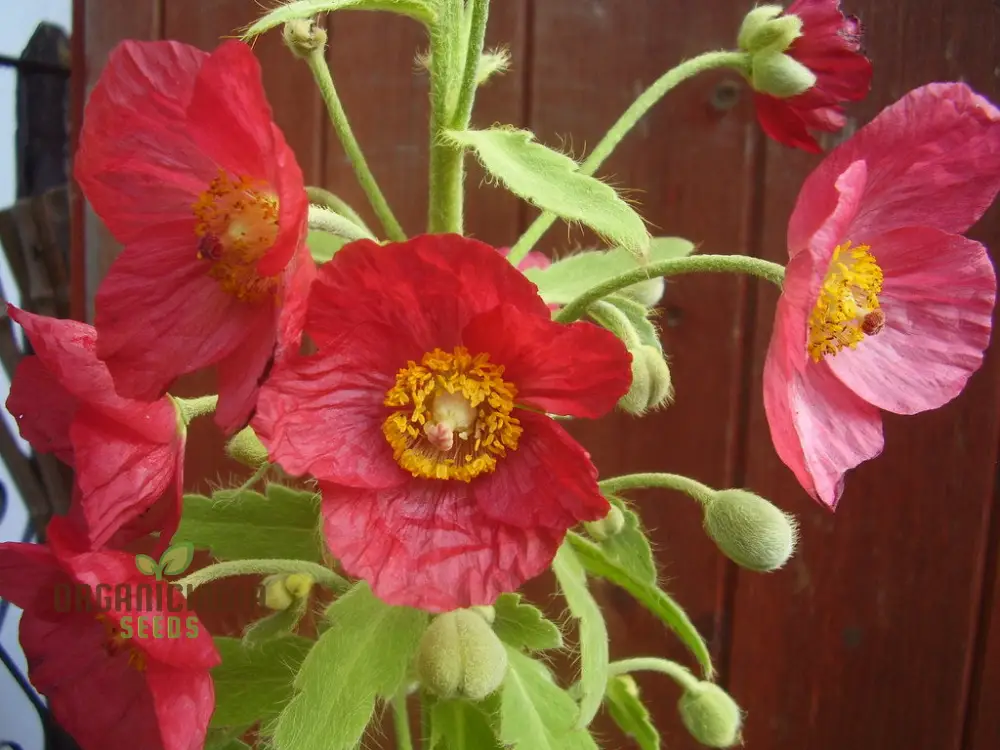
Meconopsis Napaulensis Flower Seeds for Planting, Rare and Beautiful Himalayan Blue Poppy Seeds for Gardening
Meconopsis Napaulensis Flower Seeds for Planting, Rare and Beautiful Himalayan Blue Poppy Seeds for Gardening
Meconopsis napaulensis Flower Seeds – Rare and Stunning Himalayan Poppy for Your Garden
Scientific Name: Meconopsis napaulensis
Common Name: Nepal Poppy, Himalayan Poppy
Plant Type: Perennial (short-lived), Herbaceous
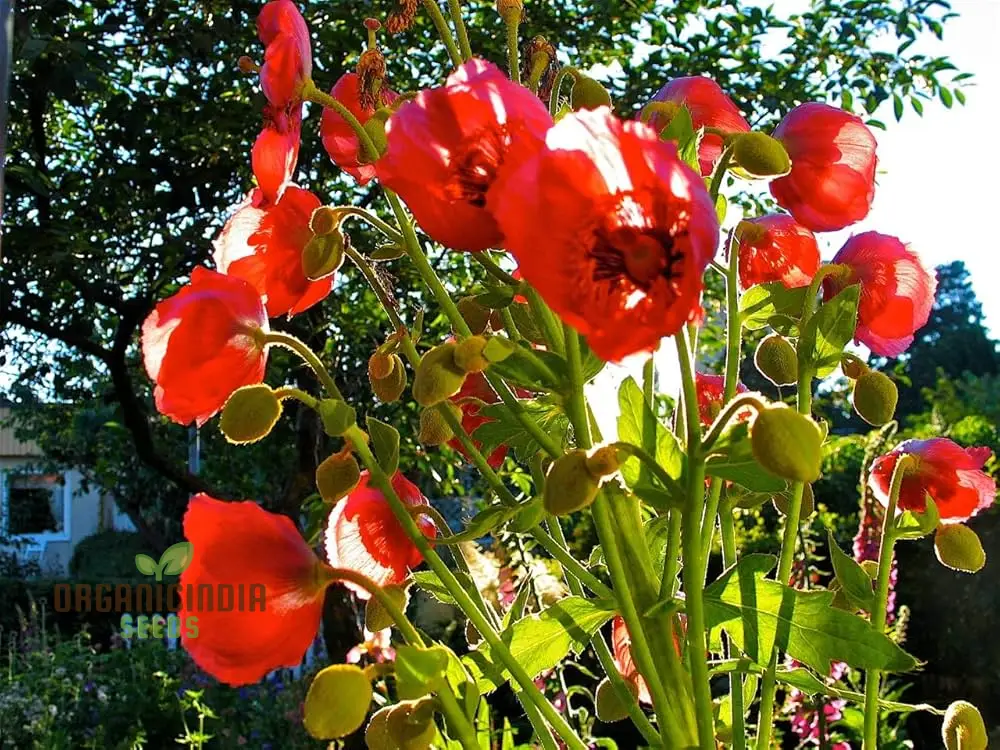
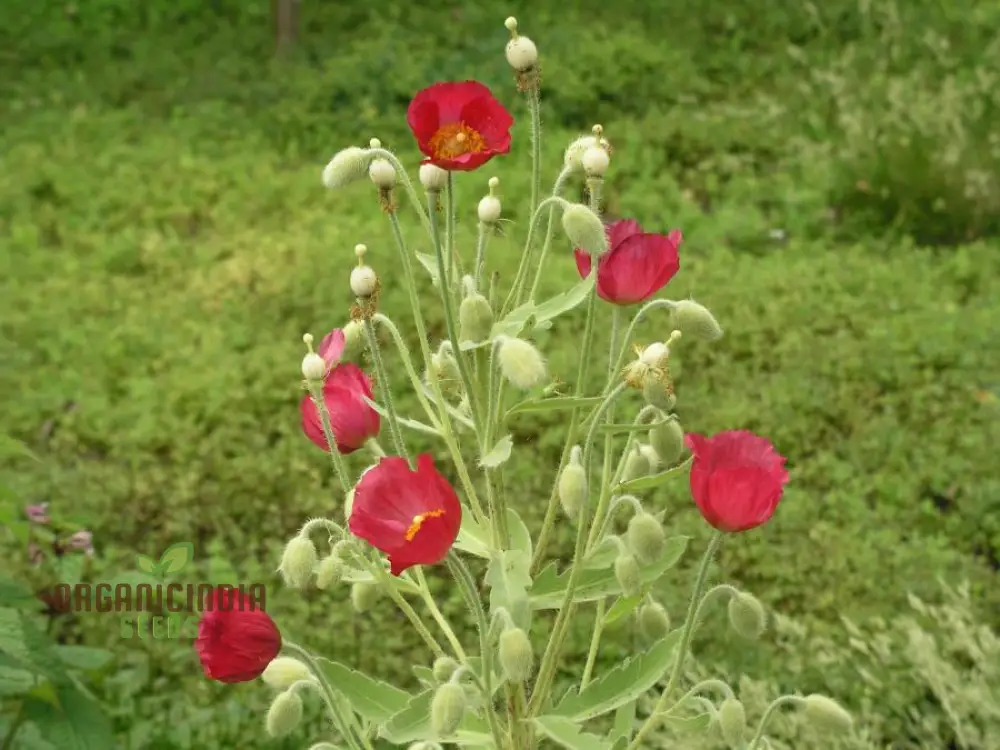
Flower Color: Shades of blue, pink, red, or purple, depending on growing conditions
Mature Height: 3 to 6 feet
Spread: 12 to 18 inches
Light Requirements: Partial shade to dappled sunlight
Soil Requirements: Well-drained, moist, rich in organic matter, slightly acidic
Watering Needs: Moderate to high; prefers consistently moist soil
Blooming Season: Late spring to early summer
Uses: Woodland gardens, shaded borders, alpine gardens, pollinator-friendly spaces
Product Details
- Germination Rate: Moderate; requires cold stratification for better success
- Cold Hardiness: Suitable for USDA zones 5-8
- Growth Speed: Slow to moderate; requires patience but rewards with stunning blooms
- Wildlife Benefits: Attracts bees, butterflies, and other pollinators
- Maintenance Level: Moderate to high; requires specific growing conditions
Planting Instructions
Seed Preparation and Sowing
- Best Planting Time: Fall to early spring
- Sowing Method:
- Cold stratify seeds by placing them in a moist medium (such as damp sand or peat moss) in the refrigerator for 4-6 weeks before sowing.
- Sow seeds on the surface of the soil and lightly press down without covering, as they need light for germination.
- Use a well-draining seed mix with a slightly acidic pH.
- Spacing: 12 to 18 inches apart to allow for proper airflow.
- Germination Time: 4 to 8 weeks at cool temperatures (50-60°F).
Care and Maintenance
- Watering: Keep the soil consistently moist, especially during warm months, but avoid waterlogging.
- Fertilization: Use an organic, slow-release fertilizer or compost in early spring for strong growth.
- Pruning: Remove spent flowers to encourage foliage growth, but allow some seed heads to mature if you wish to collect seeds.
- Pest and Disease Resistance: Generally resistant to pests, though slugs and snails may occasionally be an issue in damp conditions.
- Winter Care: Mulch lightly in colder climates to protect young plants.
Why Grow Meconopsis Napaulensis?
- Exquisite and Rare Beauty: This stunning poppy variety is known for its striking flowers in rich jewel tones, creating an unforgettable display.
- Perfect for Cool, Shaded Gardens: Thrives in woodland settings and alpine gardens, making it a prized addition to temperate gardens.
- Pollinator-Friendly: Attracts bees and butterflies, supporting biodiversity.
- A Collector’s Favorite: A must-have for plant enthusiasts who appreciate unique and challenging-to-grow species.
Companion Planting Suggestions
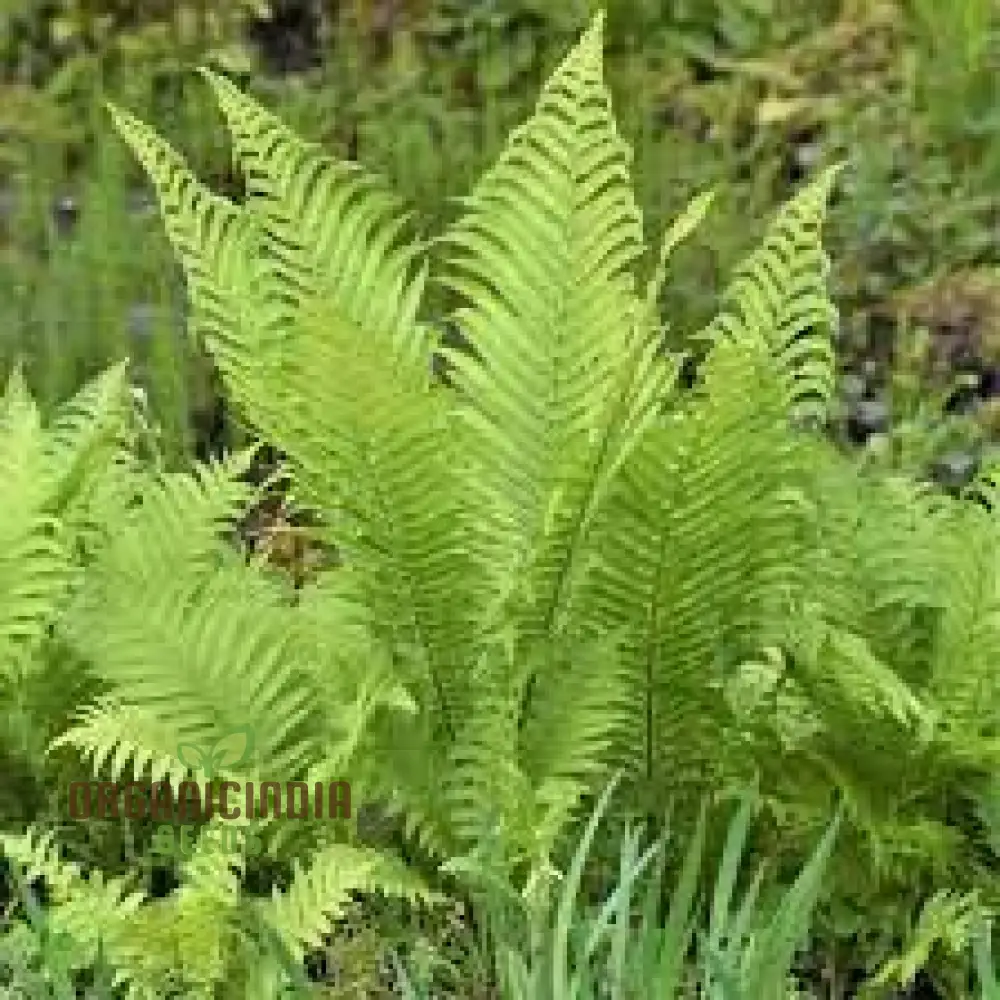
- Pairs beautifully with ferns, hostas, and astilbes for a lush, woodland garden look.
- Complements other shade-loving perennials like Primula, Trillium, and Dicentra (Bleeding Heart).
- Looks stunning alongside other Meconopsis species for a dramatic Himalayan-inspired garden.
Add a Touch of the Himalayas to Your Garden
Bring the rare beauty of Meconopsis napaulensis into your landscape with these exceptional seeds. Whether planted in woodland gardens or as a statement piece in shaded borders, this Himalayan poppy will add an exotic and captivating touch to your outdoor space.
More Images
Meconopsis Napaulensis Flower Seeds for Planting, Rare and Beautiful Himalayan Blue Poppy Seeds for Gardening
Meconopsis napaulensis Flower Seeds – Rare and Stunning Himalayan Poppy for Your Garden
Scientific Name: Meconopsis napaulensis
Common Name: Nepal Poppy, Himalayan Poppy
Plant Type: Perennial (short-lived), Herbaceous
Flower Color: Shades of blue, pink, red, or purple, depending on growing conditions
Mature Height: 3 to 6 feet
Spread: 12 to 18 inches
Light Requirements: Partial shade to dappled sunlight
Soil Requirements: Well-drained, moist, rich in organic matter, slightly acidic
Watering Needs: Moderate to high; prefers consistently moist soil
Blooming Season: Late spring to early summer
Uses: Woodland gardens, shaded borders, alpine gardens, pollinator-friendly spaces
Product Details
- Germination Rate: Moderate; requires cold stratification for better success
- Cold Hardiness: Suitable for USDA zones 5-8
- Growth Speed: Slow to moderate; requires patience but rewards with stunning blooms
- Wildlife Benefits: Attracts bees, butterflies, and other pollinators
- Maintenance Level: Moderate to high; requires specific growing conditions
Planting Instructions
Seed Preparation and Sowing
- Best Planting Time: Fall to early spring
- Sowing Method:
- Cold stratify seeds by placing them in a moist medium (such as damp sand or peat moss) in the refrigerator for 4-6 weeks before sowing.
- Sow seeds on the surface of the soil and lightly press down without covering, as they need light for germination.
- Use a well-draining seed mix with a slightly acidic pH.
- Spacing: 12 to 18 inches apart to allow for proper airflow.
- Germination Time: 4 to 8 weeks at cool temperatures (50-60°F).
Care and Maintenance
- Watering: Keep the soil consistently moist, especially during warm months, but avoid waterlogging.
- Fertilization: Use an organic, slow-release fertilizer or compost in early spring for strong growth.
- Pruning: Remove spent flowers to encourage foliage growth, but allow some seed heads to mature if you wish to collect seeds.
- Pest and Disease Resistance: Generally resistant to pests, though slugs and snails may occasionally be an issue in damp conditions.
- Winter Care: Mulch lightly in colder climates to protect young plants.
Why Grow Meconopsis Napaulensis?
- Exquisite and Rare Beauty: This stunning poppy variety is known for its striking flowers in rich jewel tones, creating an unforgettable display.
- Perfect for Cool, Shaded Gardens: Thrives in woodland settings and alpine gardens, making it a prized addition to temperate gardens.
- Pollinator-Friendly: Attracts bees and butterflies, supporting biodiversity.
- A Collector’s Favorite: A must-have for plant enthusiasts who appreciate unique and challenging-to-grow species.
Companion Planting Suggestions
- Pairs beautifully with ferns, hostas, and astilbes for a lush, woodland garden look.
- Complements other shade-loving perennials like Primula, Trillium, and Dicentra (Bleeding Heart).
- Looks stunning alongside other Meconopsis species for a dramatic Himalayan-inspired garden.
Add a Touch of the Himalayas to Your Garden
Bring the rare beauty of Meconopsis napaulensis into your landscape with these exceptional seeds. Whether planted in woodland gardens or as a statement piece in shaded borders, this Himalayan poppy will add an exotic and captivating touch to your outdoor space.
Product Information
Product Information
Shipping & Returns
Shipping & Returns
Description
Meconopsis napaulensis Flower Seeds – Rare and Stunning Himalayan Poppy for Your Garden
Scientific Name: Meconopsis napaulensis
Common Name: Nepal Poppy, Himalayan Poppy
Plant Type: Perennial (short-lived), Herbaceous
Flower Color: Shades of blue, pink, red, or purple, depending on growing conditions
Mature Height: 3 to 6 feet
Spread: 12 to 18 inches
Light Requirements: Partial shade to dappled sunlight
Soil Requirements: Well-drained, moist, rich in organic matter, slightly acidic
Watering Needs: Moderate to high; prefers consistently moist soil
Blooming Season: Late spring to early summer
Uses: Woodland gardens, shaded borders, alpine gardens, pollinator-friendly spaces
Product Details
- Germination Rate: Moderate; requires cold stratification for better success
- Cold Hardiness: Suitable for USDA zones 5-8
- Growth Speed: Slow to moderate; requires patience but rewards with stunning blooms
- Wildlife Benefits: Attracts bees, butterflies, and other pollinators
- Maintenance Level: Moderate to high; requires specific growing conditions
Planting Instructions
Seed Preparation and Sowing
- Best Planting Time: Fall to early spring
- Sowing Method:
- Cold stratify seeds by placing them in a moist medium (such as damp sand or peat moss) in the refrigerator for 4-6 weeks before sowing.
- Sow seeds on the surface of the soil and lightly press down without covering, as they need light for germination.
- Use a well-draining seed mix with a slightly acidic pH.
- Spacing: 12 to 18 inches apart to allow for proper airflow.
- Germination Time: 4 to 8 weeks at cool temperatures (50-60°F).
Care and Maintenance
- Watering: Keep the soil consistently moist, especially during warm months, but avoid waterlogging.
- Fertilization: Use an organic, slow-release fertilizer or compost in early spring for strong growth.
- Pruning: Remove spent flowers to encourage foliage growth, but allow some seed heads to mature if you wish to collect seeds.
- Pest and Disease Resistance: Generally resistant to pests, though slugs and snails may occasionally be an issue in damp conditions.
- Winter Care: Mulch lightly in colder climates to protect young plants.
Why Grow Meconopsis Napaulensis?
- Exquisite and Rare Beauty: This stunning poppy variety is known for its striking flowers in rich jewel tones, creating an unforgettable display.
- Perfect for Cool, Shaded Gardens: Thrives in woodland settings and alpine gardens, making it a prized addition to temperate gardens.
- Pollinator-Friendly: Attracts bees and butterflies, supporting biodiversity.
- A Collector’s Favorite: A must-have for plant enthusiasts who appreciate unique and challenging-to-grow species.
Companion Planting Suggestions
- Pairs beautifully with ferns, hostas, and astilbes for a lush, woodland garden look.
- Complements other shade-loving perennials like Primula, Trillium, and Dicentra (Bleeding Heart).
- Looks stunning alongside other Meconopsis species for a dramatic Himalayan-inspired garden.
Add a Touch of the Himalayas to Your Garden
Bring the rare beauty of Meconopsis napaulensis into your landscape with these exceptional seeds. Whether planted in woodland gardens or as a statement piece in shaded borders, this Himalayan poppy will add an exotic and captivating touch to your outdoor space.