Meaty Flower Seeds, Planting, 100 pcs
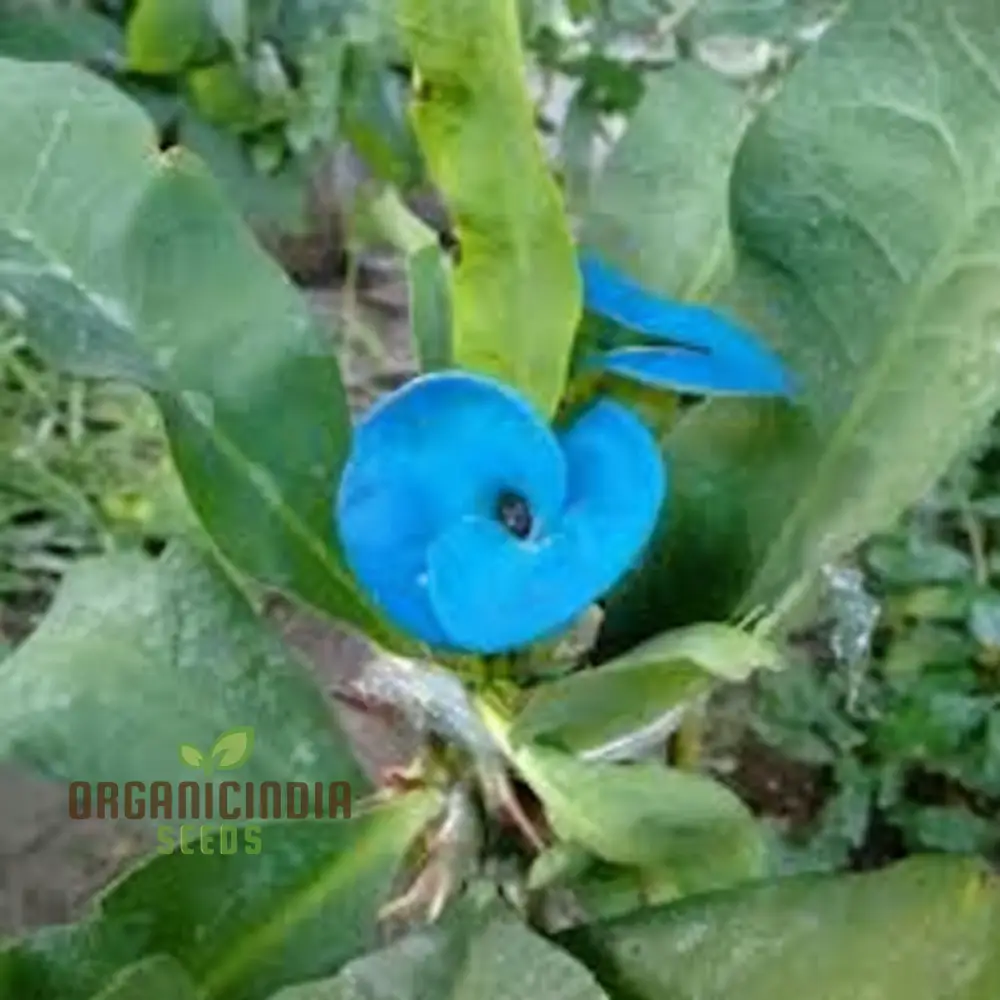
Meaty Flower Seeds are an interesting and unique variety of flowering plants that bring a bold, eye-catching presence to your garden. With their robust, full blooms and rich colors, these flowers are perfect for gardeners looking for something distinctive and dramatic.
Key Features:
- Scientific Name: Varies by variety (often refers to more substantial, thicker-petaled flowers)
- Common Name: Meaty Flower (this term typically refers to flowers with thick, fleshy petals)
- Bloom Color: Rich, vibrant colors (exact shades vary based on the specific variety)
- Plant Type: Annual or perennial, depending on the variety
- Sun Requirements: Full sun to partial shade
- Soil Type: Well-draining, fertile soil
- Watering Needs: Moderate to high; prefers consistent moisture but well-draining soil
- Growth Habit: Bushy, compact, or trailing growth depending on the species
- Height & Spread: Varies with species, generally ranging from 12-24 inches tall, with a spread of 12-18 inches
- Hardiness Zones: Varies, typically USDA zones 4-9
Why Grow Meaty Flower Seeds?
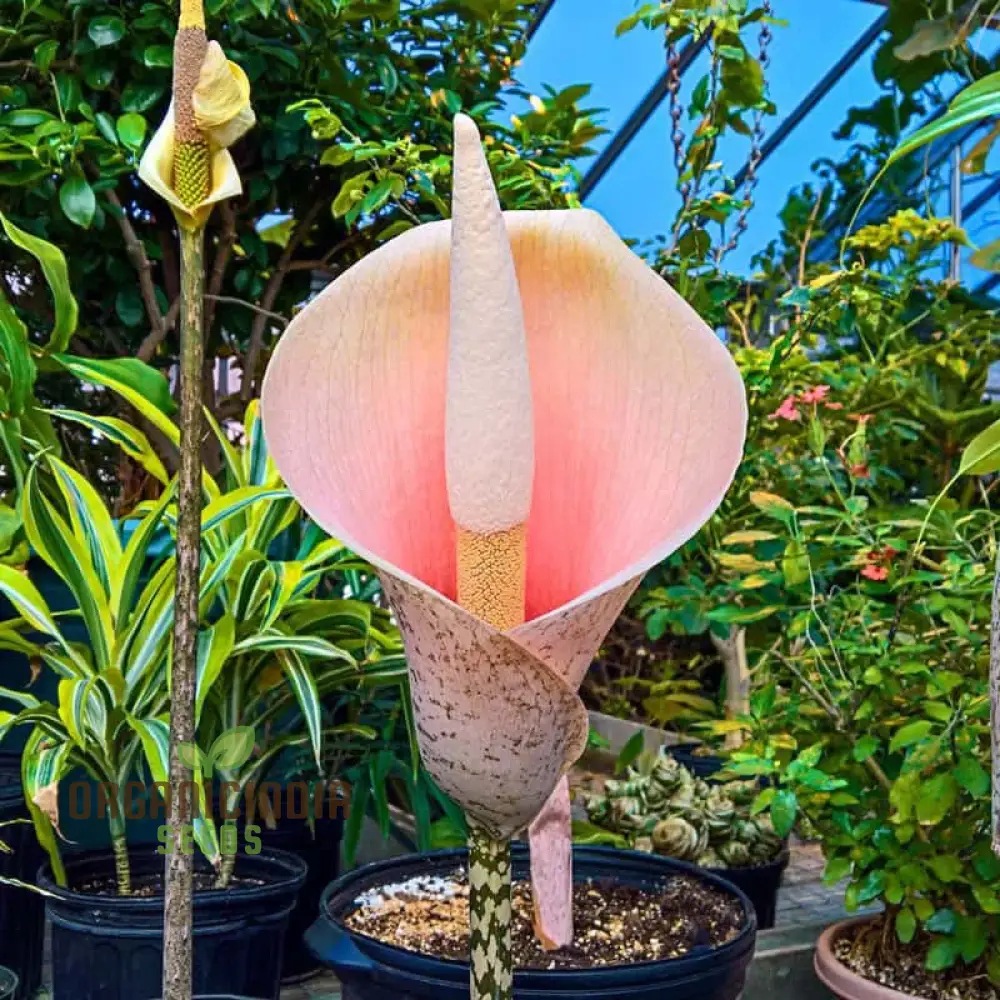
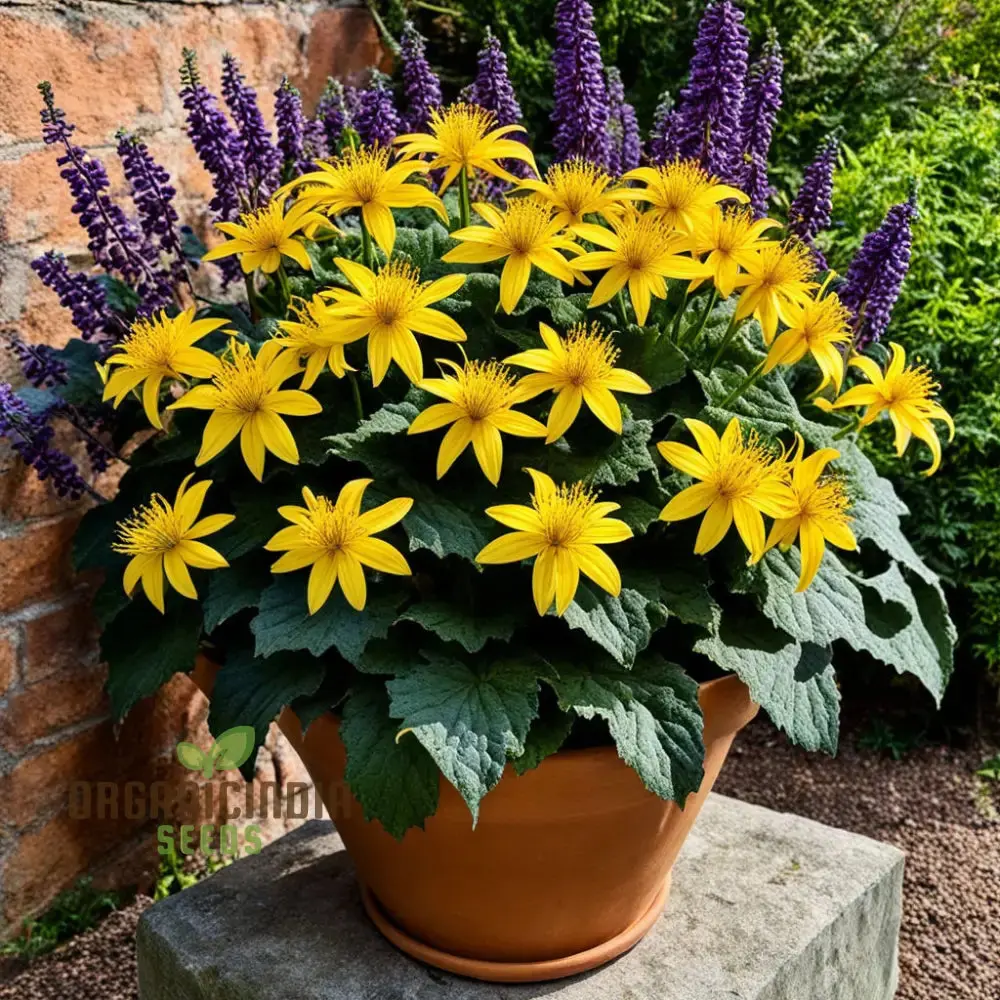
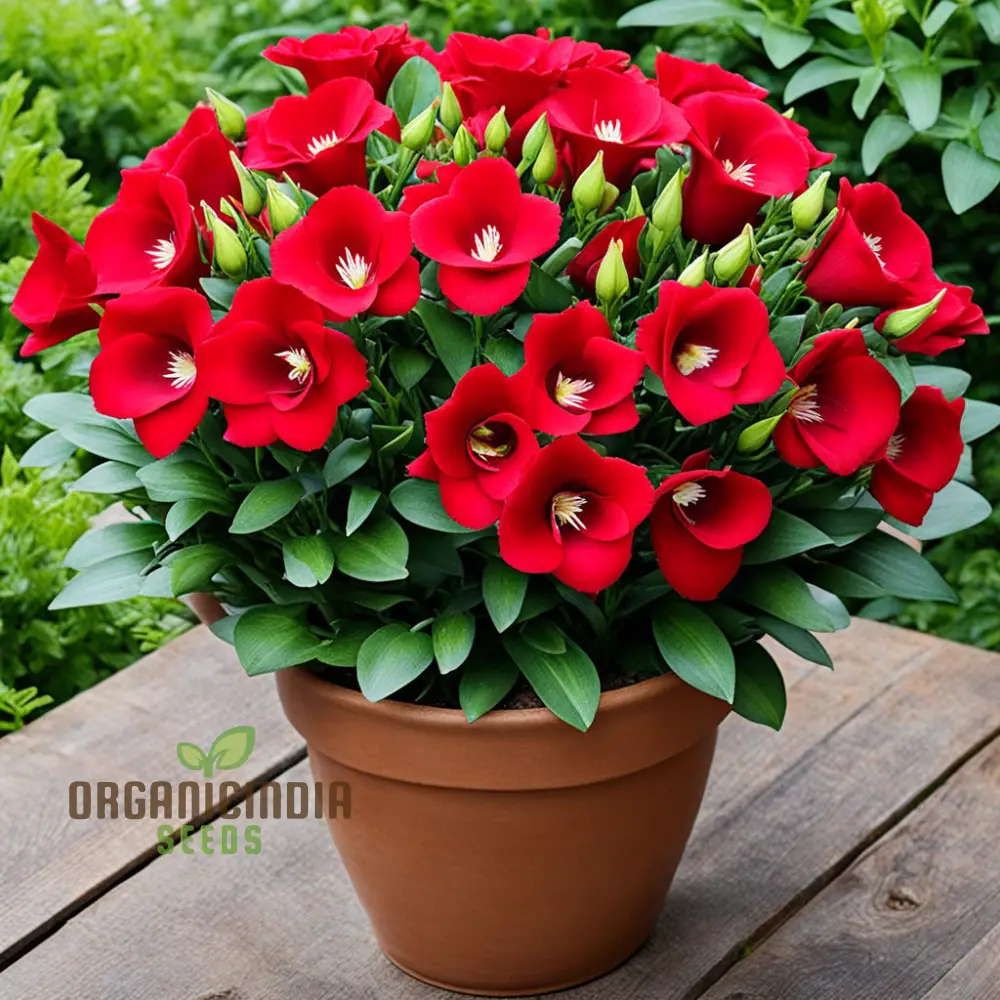
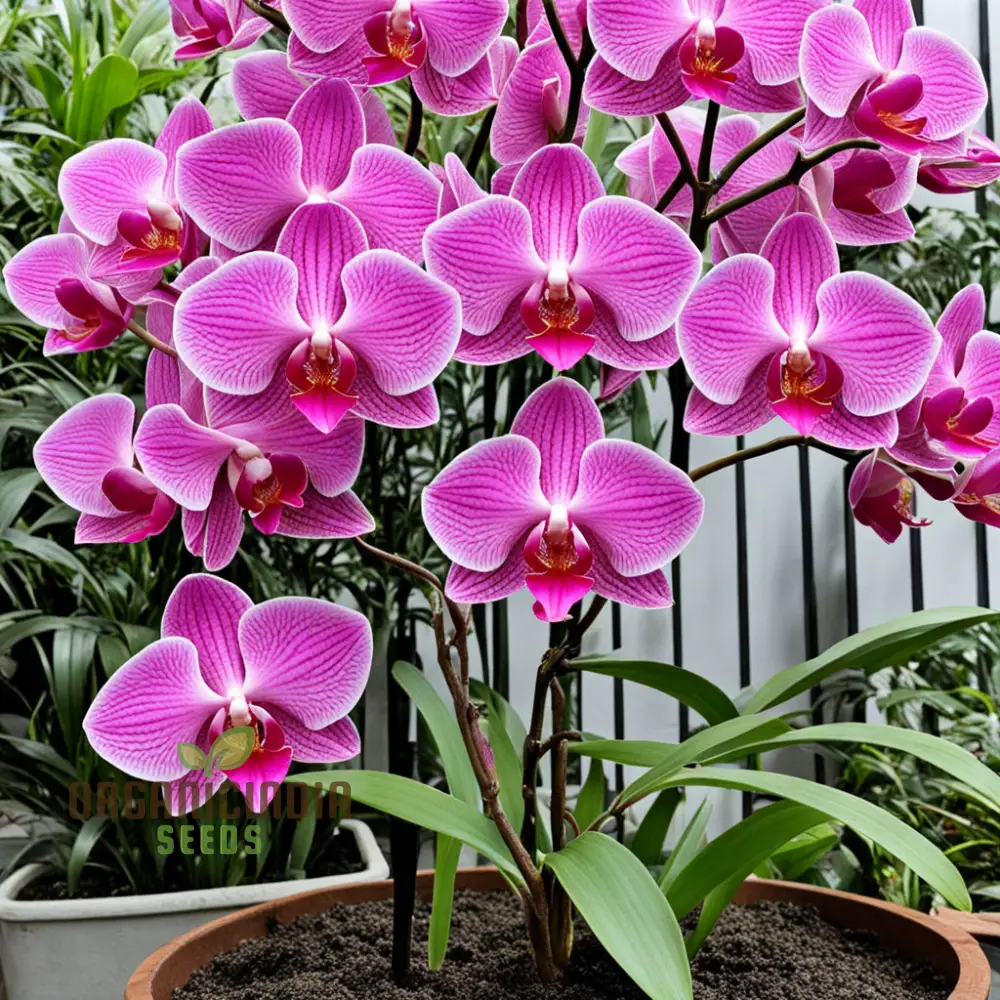
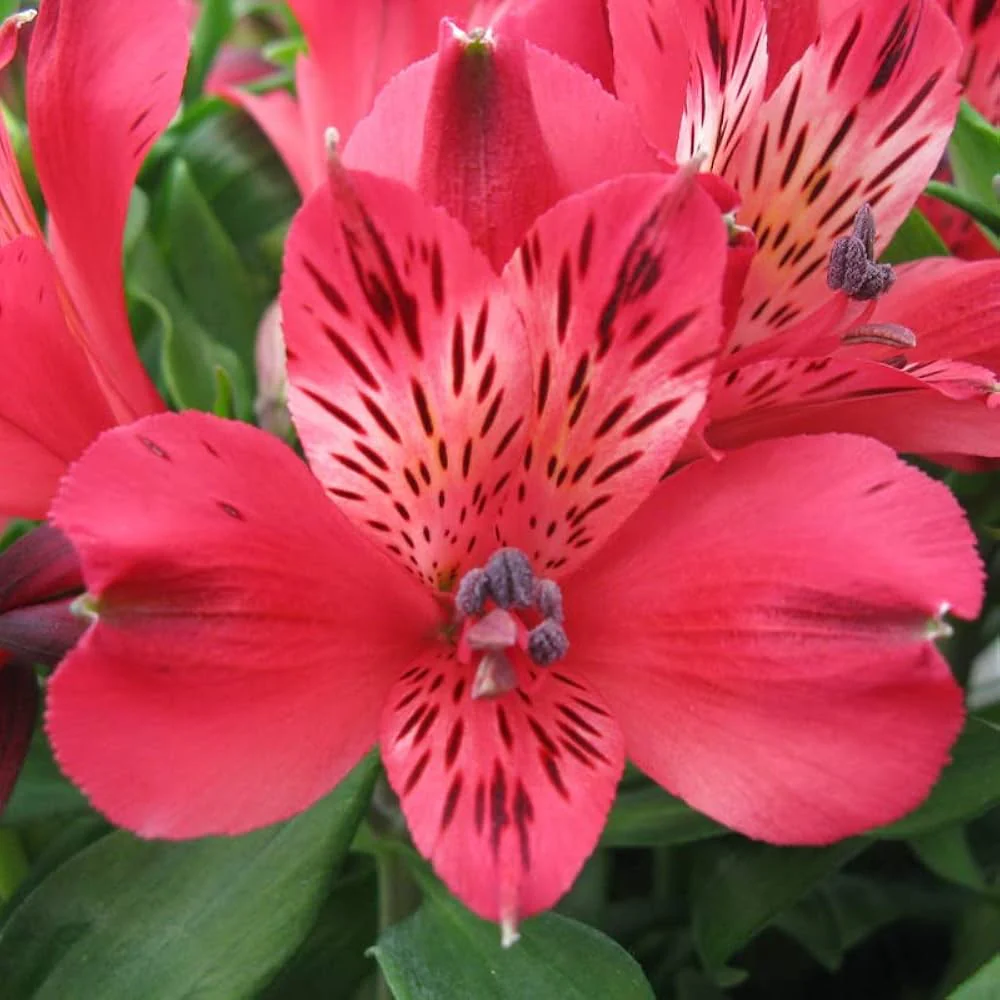
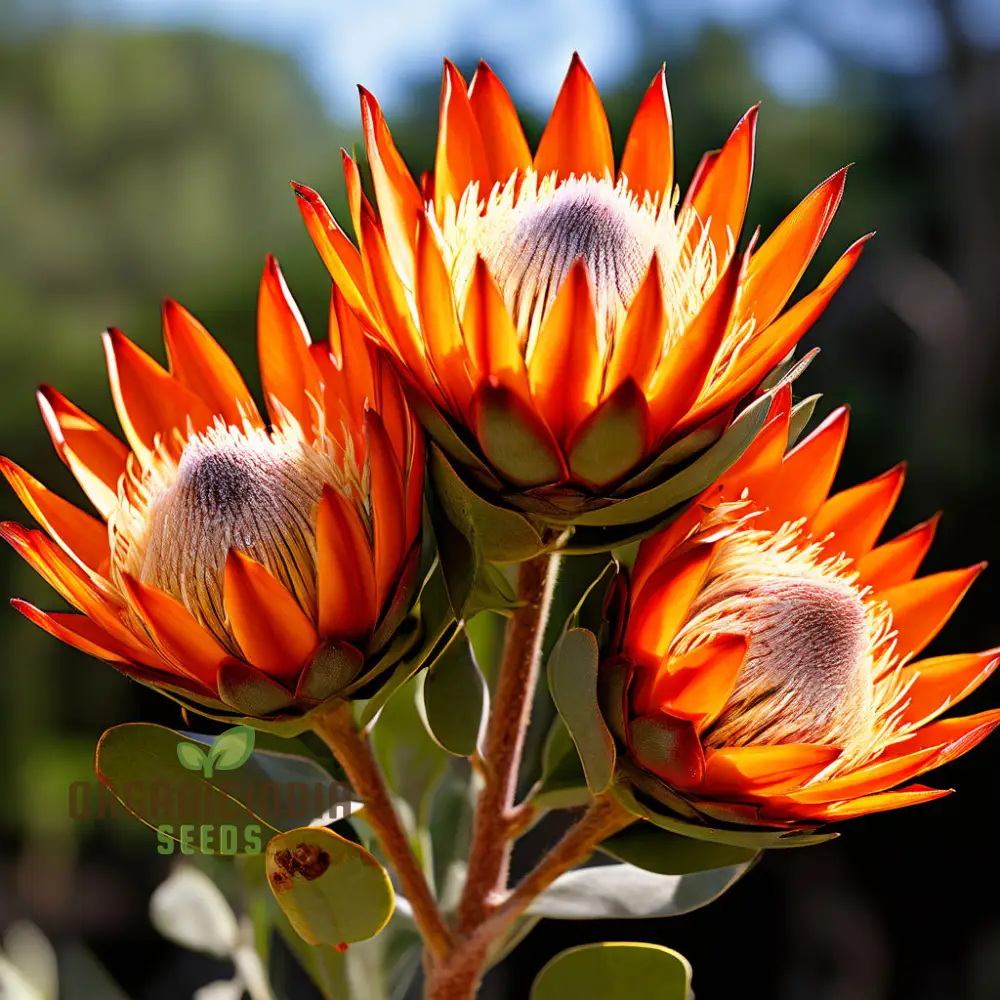
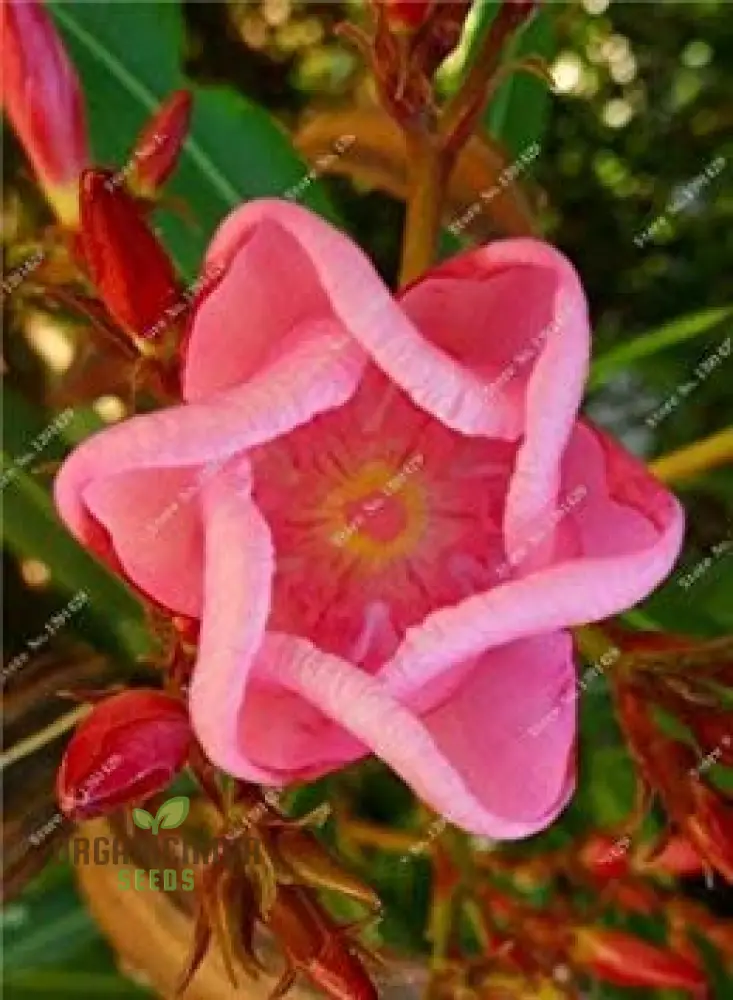
- Bold, Full Blooms: These flowers are known for their thick, fleshy petals that give them a “meaty” appearance. The blooms are often more substantial than other flowers, offering a full and dramatic visual effect.
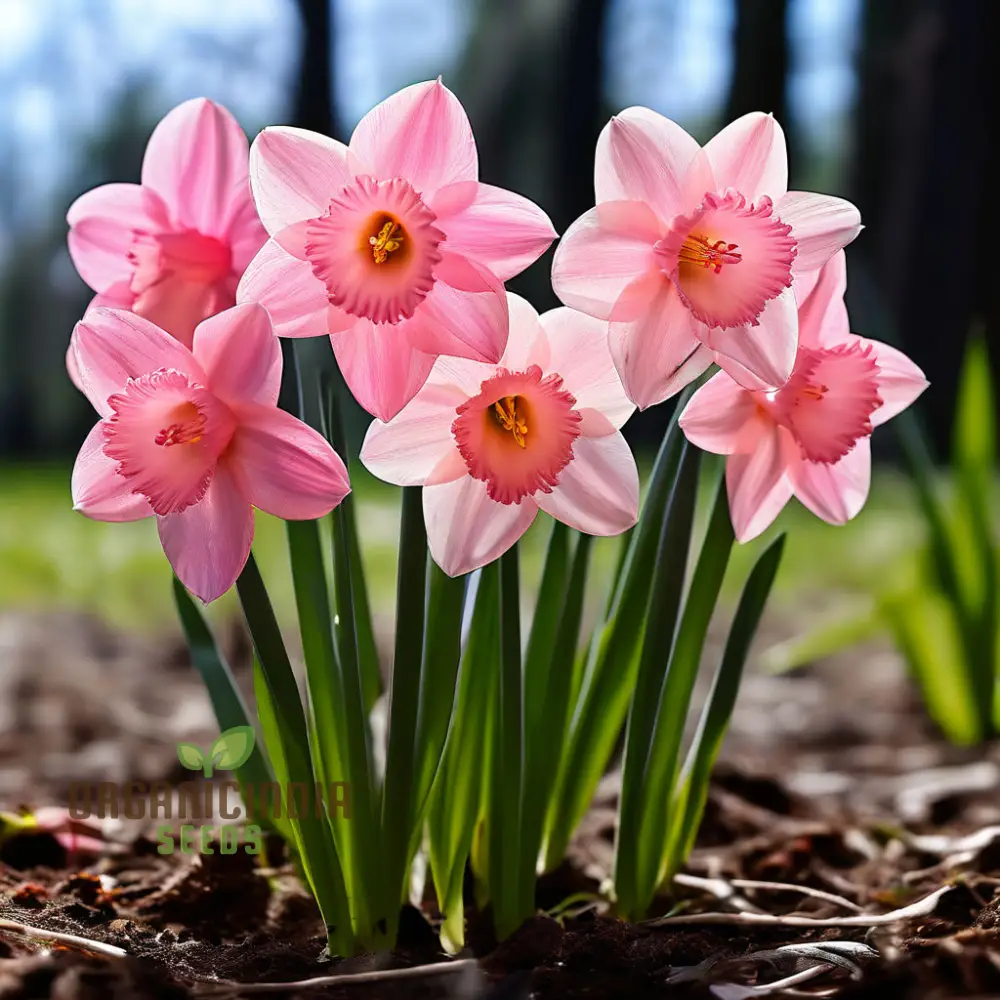
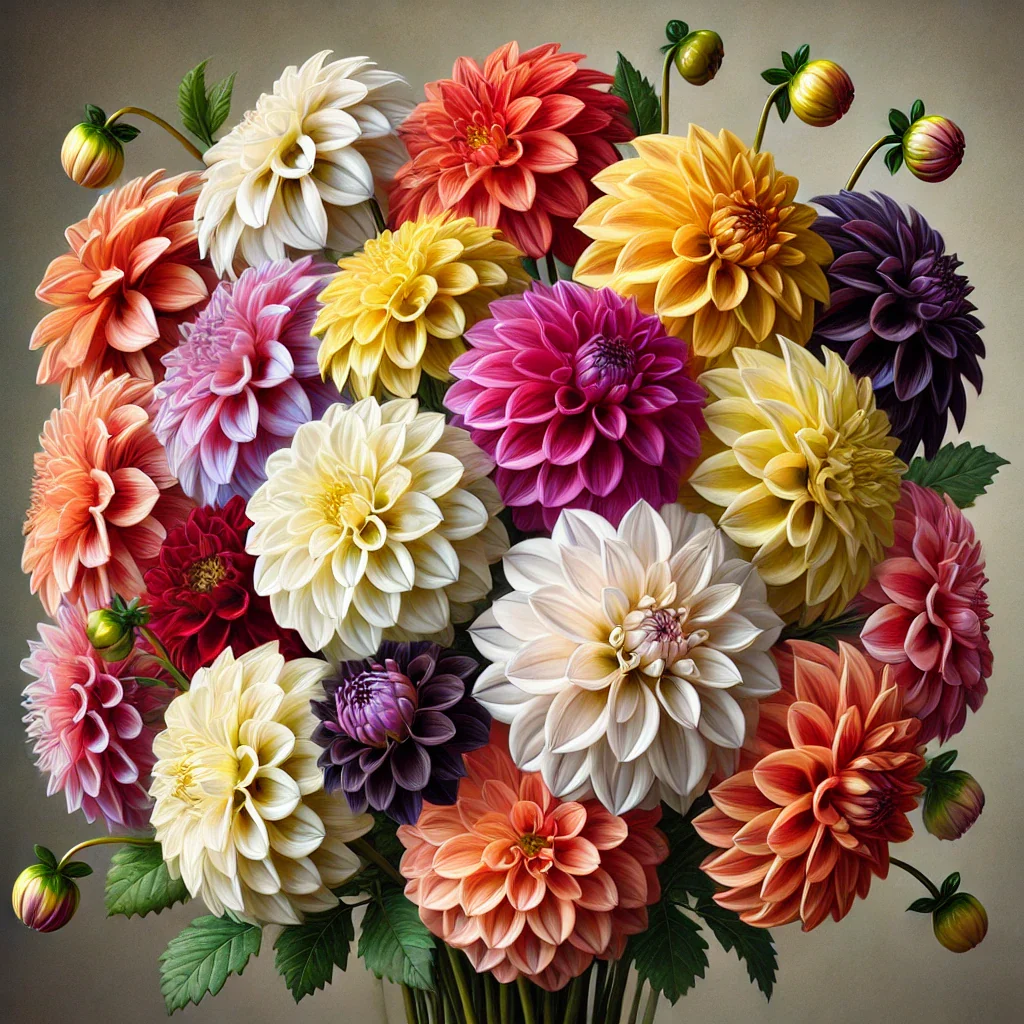
- Rich Colors: Meaty flowers often come in vibrant hues, ranging from deep reds and pinks to bright oranges, yellows, and purples. Their vivid colors make them a great focal point in any garden.
- Low Maintenance: These flowers are easy to grow and care for, making them ideal for both novice and experienced gardeners.
- Attract Pollinators: The rich, vibrant blooms of meaty flowers attract a variety of pollinators, such as bees, butterflies, and hummingbirds, which helps support a healthy garden ecosystem.
- Versatile: These flowers can be used in various garden settings, including flower beds, borders, containers, and hanging baskets.
Planting & Care Instructions:
-
Seed Preparation & Sowing:
- Starting Indoors: Start seeds indoors 6-8 weeks before the last frost date. Sow the seeds on the surface of a well-draining seed-starting mix, as they need light to germinate. Gently press the seeds into the soil but do not cover them.
- Temperature & Lighting: Keep the seed trays in a warm location with temperatures around 65-75°F (18-24°C). Provide bright light, either by placing the trays in a sunny spot or using grow lights. Germination generally takes 7-14 days.
- Direct Sowing Outdoors: Once the last frost has passed, you can sow seeds directly outdoors, provided the soil is warm and well-draining.
-
Transplanting & Growth:
- Transplanting: Once seedlings are large enough to handle and there is no danger of frost, transplant them into the garden or containers. Space plants 12-18 inches apart to allow for proper growth and air circulation.
- Sunlight: These flowers thrive in full sun but can tolerate partial shade, though their blooming may not be as vigorous in lower light conditions.
- Soil: Choose well-draining, fertile soil for planting. Enrich the soil with compost or organic matter for better growth.
-
Maintenance:
- Watering: Keep the soil consistently moist but not waterlogged. Water at the base of the plant to avoid fungal issues on the foliage.
- Fertilization: Apply a balanced, water-soluble fertilizer every 2-3 weeks during the growing season to promote healthy growth and abundant blooms.
- Pruning: Prune the plants back to encourage bushier growth and to remove dead or damaged foliage. If necessary, pinch back the tips to promote branching.
- Deadheading: Remove spent flowers to encourage continuous blooming and maintain a tidy appearance.
-
Winter Care:
- In colder climates (zones 4-5), treat these flowers as annuals. If growing in containers, bring them indoors during the winter months.
- In warmer climates, some meaty flower varieties may survive as perennials with proper care and protection during the colder months.
Ideal For:
- Flower Beds & Borders: Meaty flowers make a bold statement in garden beds and borders, adding texture and color to your landscape.
- Containers & Hanging Baskets: The vibrant, full blooms make them perfect for containers or hanging baskets, adding visual impact to patios, balconies, and porches.
- Pollinator Gardens: Attract bees, butterflies, and other pollinators with their bright blooms, making them a great addition to a pollinator-friendly garden.
- Cut Flowers: These sturdy flowers make excellent cut flowers for arrangements, thanks to their thick petals and long-lasting blooms.
Meaty Flower Seeds offer a unique and striking addition to any garden. With their bold, full blooms and rich colors, they bring drama and beauty to flower beds, borders, and containers. Whether you're growing them for their visual appeal or for their role in supporting pollinators, these flowers are sure to enhance your gardening experience.
Original: $16.99
-65%$16.99
$5.95More Images
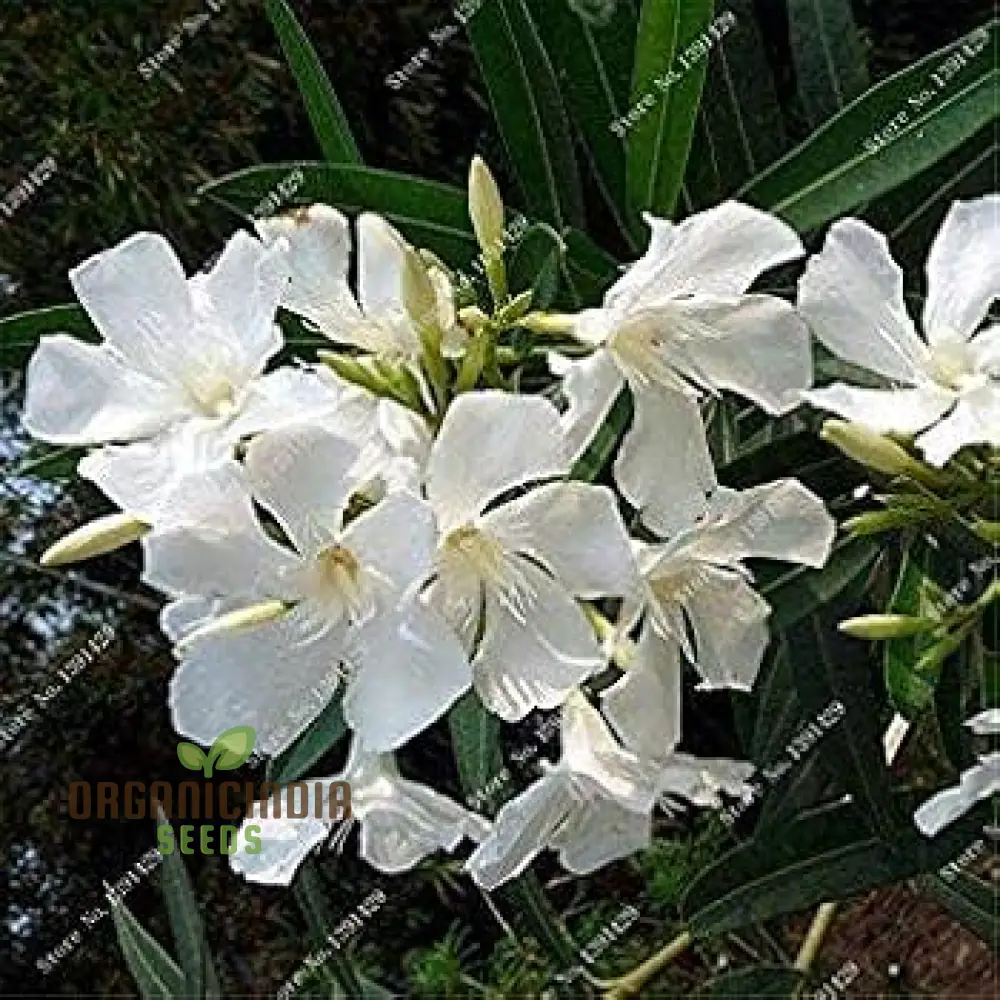
Meaty Flower Seeds, Planting, 100 pcs
Meaty Flower Seeds are an interesting and unique variety of flowering plants that bring a bold, eye-catching presence to your garden. With their robust, full blooms and rich colors, these flowers are perfect for gardeners looking for something distinctive and dramatic.
Key Features:
- Scientific Name: Varies by variety (often refers to more substantial, thicker-petaled flowers)
- Common Name: Meaty Flower (this term typically refers to flowers with thick, fleshy petals)
- Bloom Color: Rich, vibrant colors (exact shades vary based on the specific variety)
- Plant Type: Annual or perennial, depending on the variety
- Sun Requirements: Full sun to partial shade
- Soil Type: Well-draining, fertile soil
- Watering Needs: Moderate to high; prefers consistent moisture but well-draining soil
- Growth Habit: Bushy, compact, or trailing growth depending on the species
- Height & Spread: Varies with species, generally ranging from 12-24 inches tall, with a spread of 12-18 inches
- Hardiness Zones: Varies, typically USDA zones 4-9
Why Grow Meaty Flower Seeds?
- Bold, Full Blooms: These flowers are known for their thick, fleshy petals that give them a “meaty” appearance. The blooms are often more substantial than other flowers, offering a full and dramatic visual effect.
- Rich Colors: Meaty flowers often come in vibrant hues, ranging from deep reds and pinks to bright oranges, yellows, and purples. Their vivid colors make them a great focal point in any garden.
- Low Maintenance: These flowers are easy to grow and care for, making them ideal for both novice and experienced gardeners.
- Attract Pollinators: The rich, vibrant blooms of meaty flowers attract a variety of pollinators, such as bees, butterflies, and hummingbirds, which helps support a healthy garden ecosystem.
- Versatile: These flowers can be used in various garden settings, including flower beds, borders, containers, and hanging baskets.
Planting & Care Instructions:
-
Seed Preparation & Sowing:
- Starting Indoors: Start seeds indoors 6-8 weeks before the last frost date. Sow the seeds on the surface of a well-draining seed-starting mix, as they need light to germinate. Gently press the seeds into the soil but do not cover them.
- Temperature & Lighting: Keep the seed trays in a warm location with temperatures around 65-75°F (18-24°C). Provide bright light, either by placing the trays in a sunny spot or using grow lights. Germination generally takes 7-14 days.
- Direct Sowing Outdoors: Once the last frost has passed, you can sow seeds directly outdoors, provided the soil is warm and well-draining.
-
Transplanting & Growth:
- Transplanting: Once seedlings are large enough to handle and there is no danger of frost, transplant them into the garden or containers. Space plants 12-18 inches apart to allow for proper growth and air circulation.
- Sunlight: These flowers thrive in full sun but can tolerate partial shade, though their blooming may not be as vigorous in lower light conditions.
- Soil: Choose well-draining, fertile soil for planting. Enrich the soil with compost or organic matter for better growth.
-
Maintenance:
- Watering: Keep the soil consistently moist but not waterlogged. Water at the base of the plant to avoid fungal issues on the foliage.
- Fertilization: Apply a balanced, water-soluble fertilizer every 2-3 weeks during the growing season to promote healthy growth and abundant blooms.
- Pruning: Prune the plants back to encourage bushier growth and to remove dead or damaged foliage. If necessary, pinch back the tips to promote branching.
- Deadheading: Remove spent flowers to encourage continuous blooming and maintain a tidy appearance.
-
Winter Care:
- In colder climates (zones 4-5), treat these flowers as annuals. If growing in containers, bring them indoors during the winter months.
- In warmer climates, some meaty flower varieties may survive as perennials with proper care and protection during the colder months.
Ideal For:
- Flower Beds & Borders: Meaty flowers make a bold statement in garden beds and borders, adding texture and color to your landscape.
- Containers & Hanging Baskets: The vibrant, full blooms make them perfect for containers or hanging baskets, adding visual impact to patios, balconies, and porches.
- Pollinator Gardens: Attract bees, butterflies, and other pollinators with their bright blooms, making them a great addition to a pollinator-friendly garden.
- Cut Flowers: These sturdy flowers make excellent cut flowers for arrangements, thanks to their thick petals and long-lasting blooms.
Meaty Flower Seeds offer a unique and striking addition to any garden. With their bold, full blooms and rich colors, they bring drama and beauty to flower beds, borders, and containers. Whether you're growing them for their visual appeal or for their role in supporting pollinators, these flowers are sure to enhance your gardening experience.
Product Information
Product Information
Shipping & Returns
Shipping & Returns
Description
Meaty Flower Seeds are an interesting and unique variety of flowering plants that bring a bold, eye-catching presence to your garden. With their robust, full blooms and rich colors, these flowers are perfect for gardeners looking for something distinctive and dramatic.
Key Features:
- Scientific Name: Varies by variety (often refers to more substantial, thicker-petaled flowers)
- Common Name: Meaty Flower (this term typically refers to flowers with thick, fleshy petals)
- Bloom Color: Rich, vibrant colors (exact shades vary based on the specific variety)
- Plant Type: Annual or perennial, depending on the variety
- Sun Requirements: Full sun to partial shade
- Soil Type: Well-draining, fertile soil
- Watering Needs: Moderate to high; prefers consistent moisture but well-draining soil
- Growth Habit: Bushy, compact, or trailing growth depending on the species
- Height & Spread: Varies with species, generally ranging from 12-24 inches tall, with a spread of 12-18 inches
- Hardiness Zones: Varies, typically USDA zones 4-9
Why Grow Meaty Flower Seeds?
- Bold, Full Blooms: These flowers are known for their thick, fleshy petals that give them a “meaty” appearance. The blooms are often more substantial than other flowers, offering a full and dramatic visual effect.
- Rich Colors: Meaty flowers often come in vibrant hues, ranging from deep reds and pinks to bright oranges, yellows, and purples. Their vivid colors make them a great focal point in any garden.
- Low Maintenance: These flowers are easy to grow and care for, making them ideal for both novice and experienced gardeners.
- Attract Pollinators: The rich, vibrant blooms of meaty flowers attract a variety of pollinators, such as bees, butterflies, and hummingbirds, which helps support a healthy garden ecosystem.
- Versatile: These flowers can be used in various garden settings, including flower beds, borders, containers, and hanging baskets.
Planting & Care Instructions:
-
Seed Preparation & Sowing:
- Starting Indoors: Start seeds indoors 6-8 weeks before the last frost date. Sow the seeds on the surface of a well-draining seed-starting mix, as they need light to germinate. Gently press the seeds into the soil but do not cover them.
- Temperature & Lighting: Keep the seed trays in a warm location with temperatures around 65-75°F (18-24°C). Provide bright light, either by placing the trays in a sunny spot or using grow lights. Germination generally takes 7-14 days.
- Direct Sowing Outdoors: Once the last frost has passed, you can sow seeds directly outdoors, provided the soil is warm and well-draining.
-
Transplanting & Growth:
- Transplanting: Once seedlings are large enough to handle and there is no danger of frost, transplant them into the garden or containers. Space plants 12-18 inches apart to allow for proper growth and air circulation.
- Sunlight: These flowers thrive in full sun but can tolerate partial shade, though their blooming may not be as vigorous in lower light conditions.
- Soil: Choose well-draining, fertile soil for planting. Enrich the soil with compost or organic matter for better growth.
-
Maintenance:
- Watering: Keep the soil consistently moist but not waterlogged. Water at the base of the plant to avoid fungal issues on the foliage.
- Fertilization: Apply a balanced, water-soluble fertilizer every 2-3 weeks during the growing season to promote healthy growth and abundant blooms.
- Pruning: Prune the plants back to encourage bushier growth and to remove dead or damaged foliage. If necessary, pinch back the tips to promote branching.
- Deadheading: Remove spent flowers to encourage continuous blooming and maintain a tidy appearance.
-
Winter Care:
- In colder climates (zones 4-5), treat these flowers as annuals. If growing in containers, bring them indoors during the winter months.
- In warmer climates, some meaty flower varieties may survive as perennials with proper care and protection during the colder months.
Ideal For:
- Flower Beds & Borders: Meaty flowers make a bold statement in garden beds and borders, adding texture and color to your landscape.
- Containers & Hanging Baskets: The vibrant, full blooms make them perfect for containers or hanging baskets, adding visual impact to patios, balconies, and porches.
- Pollinator Gardens: Attract bees, butterflies, and other pollinators with their bright blooms, making them a great addition to a pollinator-friendly garden.
- Cut Flowers: These sturdy flowers make excellent cut flowers for arrangements, thanks to their thick petals and long-lasting blooms.
Meaty Flower Seeds offer a unique and striking addition to any garden. With their bold, full blooms and rich colors, they bring drama and beauty to flower beds, borders, and containers. Whether you're growing them for their visual appeal or for their role in supporting pollinators, these flowers are sure to enhance your gardening experience.