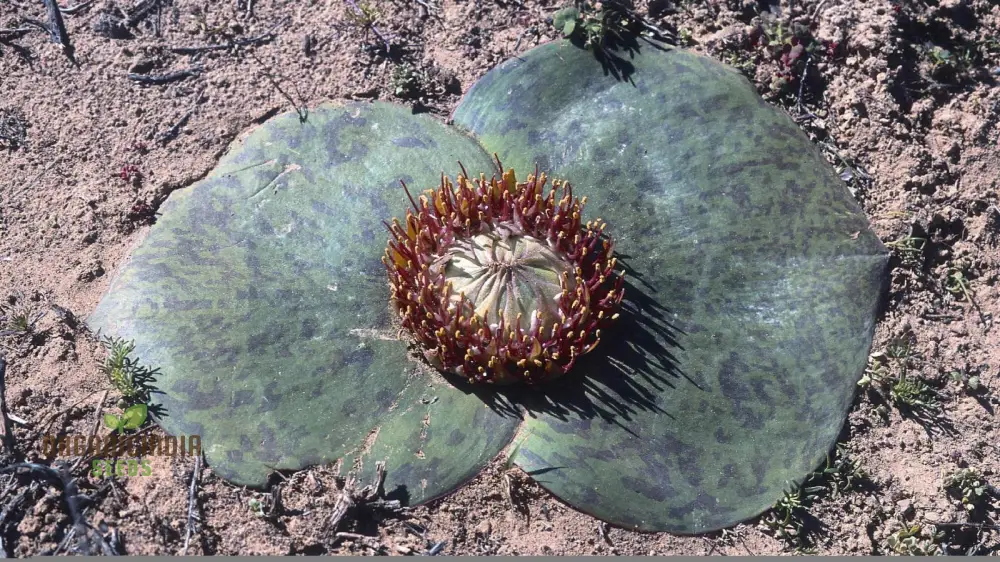
Massonia Depressa Flower Seeds for Planting, Rare Beauty Exotic Your Gardening
Massonia depressa Flower Seeds – Rare and Exotic Beauty for Your Garden
Scientific Name: Massonia depressa
Common Name: Cup-and-Saucer Plant
Plant Type: Perennial, bulbous
Flower Color: Creamy white to pale green, sometimes tinged with pink or purple
Mature Height: 2 to 4 inches
Spread: 4 to 6 inches
Light Requirements: Full sun to partial shade
Soil Requirements: Well-drained, sandy or gritty soil
Watering Needs: Low; drought-tolerant once established
Blooming Season: Fall to early winter
Uses: Rock gardens, succulent gardens, container planting, desert landscapes
Product Details
- Germination Rate: High with proper conditions
- Cold Hardiness: Suitable for USDA zones 9-11; can be grown indoors in colder regions
- Growth Speed: Slow to moderate
- Wildlife Benefits: Attracts pollinators like bees and moths
- Maintenance Level: Low; thrives with minimal care
Planting Instructions
Seed Preparation and Sowing
- Best Planting Time: Late summer to early fall
- Sowing Method:
- Sow seeds in a well-draining soil mix (cactus or succulent soil works well).
- Lightly press seeds into the soil and cover with a thin layer of sand or fine grit.
- Keep soil lightly moist until germination occurs.
- Maintain a temperature of 60-70°F for optimal growth.
- Spacing: 3 to 5 inches apart.
- Germination Time: 4 to 8 weeks, depending on conditions.
Care and Maintenance
- Watering: Water sparingly; allow soil to dry out between watering, especially in summer dormancy.
- Fertilization: Use a diluted, low-nitrogen fertilizer once a month during the growing season.
- Pruning: Not necessary, but removing spent flowers can keep plants tidy.
- Pest and Disease Resistance: Generally pest-resistant, but overwatering may lead to root rot.
- Winter Care: Protect from excessive frost; can be grown indoors in colder climates.
Why Grow Massonia depressa?
- Unique and Exotic Appearance: Low-growing foliage with striking flowers makes it a conversation piece.
- Drought-Tolerant: Perfect for xeriscaping and low-water gardens.
- Rare and Collectible: A sought-after species for plant enthusiasts.
- Easy to Grow: Requires minimal care once established.
Companion Planting Suggestions
- Complements other succulents like Lithops and Haworthia.
- Looks stunning alongside Aloe and Echeveria in rock gardens.
- Pairs well with Bulbine and Delosperma for a dynamic desert landscape.
Add the Rare Beauty of Massonia depressa to Your Collection!
Perfect for collectors and gardeners alike, Massonia depressa offers unique, low-maintenance beauty with its distinctive foliage and unusual blooms.
More Images
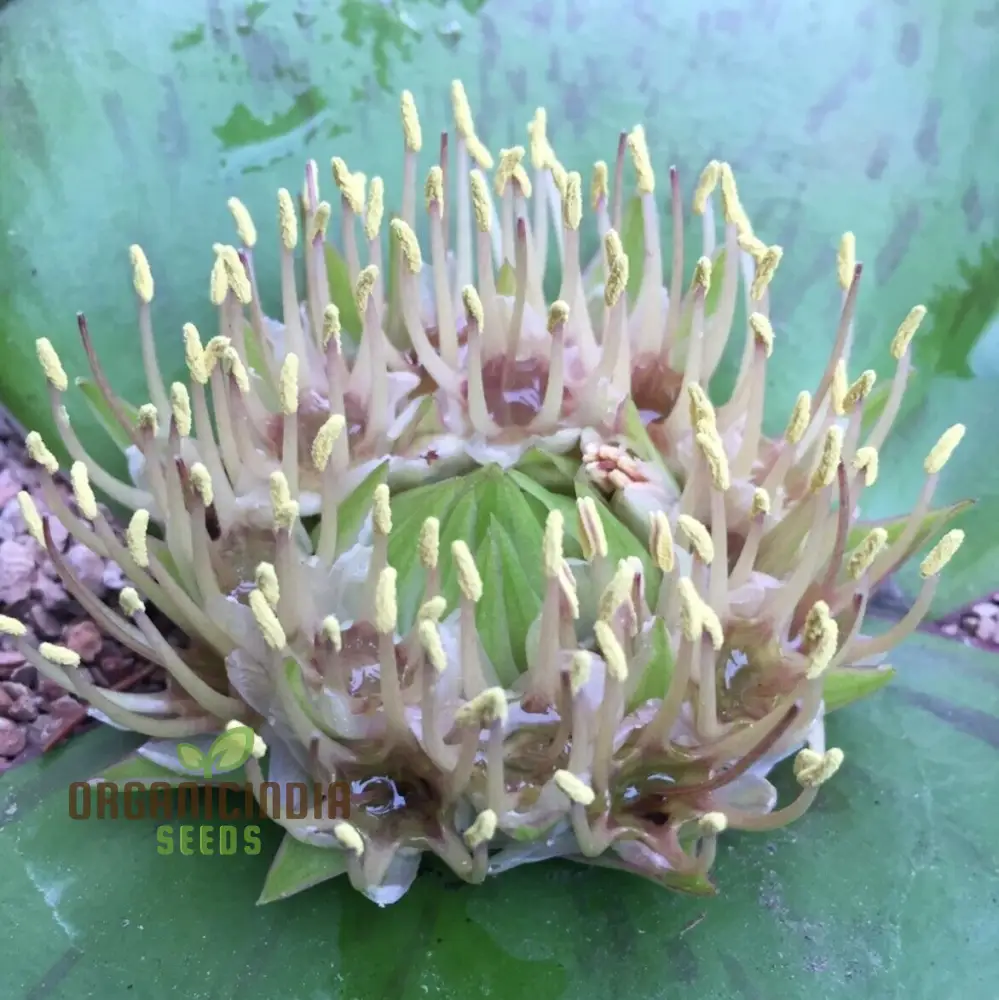
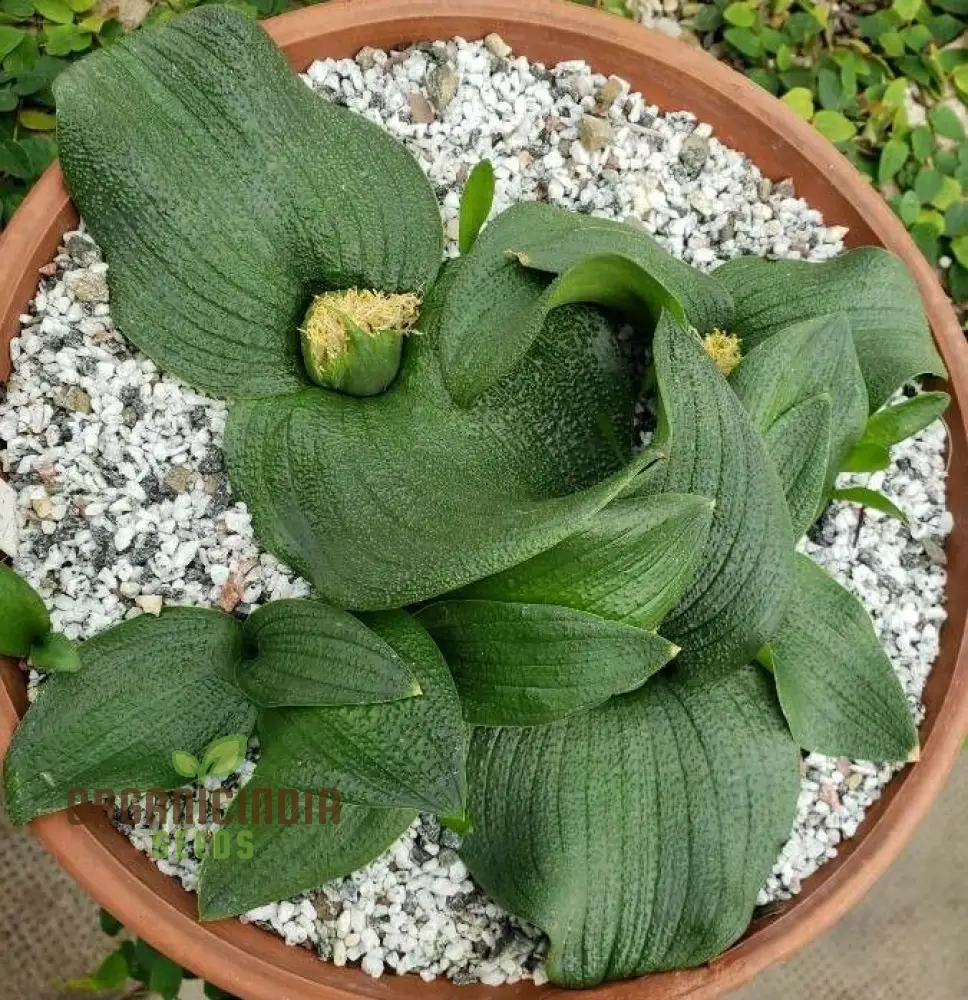
Massonia Depressa Flower Seeds for Planting, Rare Beauty Exotic Your Gardening
Massonia depressa Flower Seeds – Rare and Exotic Beauty for Your Garden
Scientific Name: Massonia depressa
Common Name: Cup-and-Saucer Plant
Plant Type: Perennial, bulbous
Flower Color: Creamy white to pale green, sometimes tinged with pink or purple
Mature Height: 2 to 4 inches
Spread: 4 to 6 inches
Light Requirements: Full sun to partial shade
Soil Requirements: Well-drained, sandy or gritty soil
Watering Needs: Low; drought-tolerant once established
Blooming Season: Fall to early winter
Uses: Rock gardens, succulent gardens, container planting, desert landscapes
Product Details
- Germination Rate: High with proper conditions
- Cold Hardiness: Suitable for USDA zones 9-11; can be grown indoors in colder regions
- Growth Speed: Slow to moderate
- Wildlife Benefits: Attracts pollinators like bees and moths
- Maintenance Level: Low; thrives with minimal care
Planting Instructions
Seed Preparation and Sowing
- Best Planting Time: Late summer to early fall
- Sowing Method:
- Sow seeds in a well-draining soil mix (cactus or succulent soil works well).
- Lightly press seeds into the soil and cover with a thin layer of sand or fine grit.
- Keep soil lightly moist until germination occurs.
- Maintain a temperature of 60-70°F for optimal growth.
- Spacing: 3 to 5 inches apart.
- Germination Time: 4 to 8 weeks, depending on conditions.
Care and Maintenance
- Watering: Water sparingly; allow soil to dry out between watering, especially in summer dormancy.
- Fertilization: Use a diluted, low-nitrogen fertilizer once a month during the growing season.
- Pruning: Not necessary, but removing spent flowers can keep plants tidy.
- Pest and Disease Resistance: Generally pest-resistant, but overwatering may lead to root rot.
- Winter Care: Protect from excessive frost; can be grown indoors in colder climates.
Why Grow Massonia depressa?
- Unique and Exotic Appearance: Low-growing foliage with striking flowers makes it a conversation piece.
- Drought-Tolerant: Perfect for xeriscaping and low-water gardens.
- Rare and Collectible: A sought-after species for plant enthusiasts.
- Easy to Grow: Requires minimal care once established.
Companion Planting Suggestions
- Complements other succulents like Lithops and Haworthia.
- Looks stunning alongside Aloe and Echeveria in rock gardens.
- Pairs well with Bulbine and Delosperma for a dynamic desert landscape.
Add the Rare Beauty of Massonia depressa to Your Collection!
Perfect for collectors and gardeners alike, Massonia depressa offers unique, low-maintenance beauty with its distinctive foliage and unusual blooms.
Product Information
Product Information
Shipping & Returns
Shipping & Returns
Description
Massonia depressa Flower Seeds – Rare and Exotic Beauty for Your Garden
Scientific Name: Massonia depressa
Common Name: Cup-and-Saucer Plant
Plant Type: Perennial, bulbous
Flower Color: Creamy white to pale green, sometimes tinged with pink or purple
Mature Height: 2 to 4 inches
Spread: 4 to 6 inches
Light Requirements: Full sun to partial shade
Soil Requirements: Well-drained, sandy or gritty soil
Watering Needs: Low; drought-tolerant once established
Blooming Season: Fall to early winter
Uses: Rock gardens, succulent gardens, container planting, desert landscapes
Product Details
- Germination Rate: High with proper conditions
- Cold Hardiness: Suitable for USDA zones 9-11; can be grown indoors in colder regions
- Growth Speed: Slow to moderate
- Wildlife Benefits: Attracts pollinators like bees and moths
- Maintenance Level: Low; thrives with minimal care
Planting Instructions
Seed Preparation and Sowing
- Best Planting Time: Late summer to early fall
- Sowing Method:
- Sow seeds in a well-draining soil mix (cactus or succulent soil works well).
- Lightly press seeds into the soil and cover with a thin layer of sand or fine grit.
- Keep soil lightly moist until germination occurs.
- Maintain a temperature of 60-70°F for optimal growth.
- Spacing: 3 to 5 inches apart.
- Germination Time: 4 to 8 weeks, depending on conditions.
Care and Maintenance
- Watering: Water sparingly; allow soil to dry out between watering, especially in summer dormancy.
- Fertilization: Use a diluted, low-nitrogen fertilizer once a month during the growing season.
- Pruning: Not necessary, but removing spent flowers can keep plants tidy.
- Pest and Disease Resistance: Generally pest-resistant, but overwatering may lead to root rot.
- Winter Care: Protect from excessive frost; can be grown indoors in colder climates.
Why Grow Massonia depressa?
- Unique and Exotic Appearance: Low-growing foliage with striking flowers makes it a conversation piece.
- Drought-Tolerant: Perfect for xeriscaping and low-water gardens.
- Rare and Collectible: A sought-after species for plant enthusiasts.
- Easy to Grow: Requires minimal care once established.
Companion Planting Suggestions
- Complements other succulents like Lithops and Haworthia.
- Looks stunning alongside Aloe and Echeveria in rock gardens.
- Pairs well with Bulbine and Delosperma for a dynamic desert landscape.
Add the Rare Beauty of Massonia depressa to Your Collection!
Perfect for collectors and gardeners alike, Massonia depressa offers unique, low-maintenance beauty with its distinctive foliage and unusual blooms.