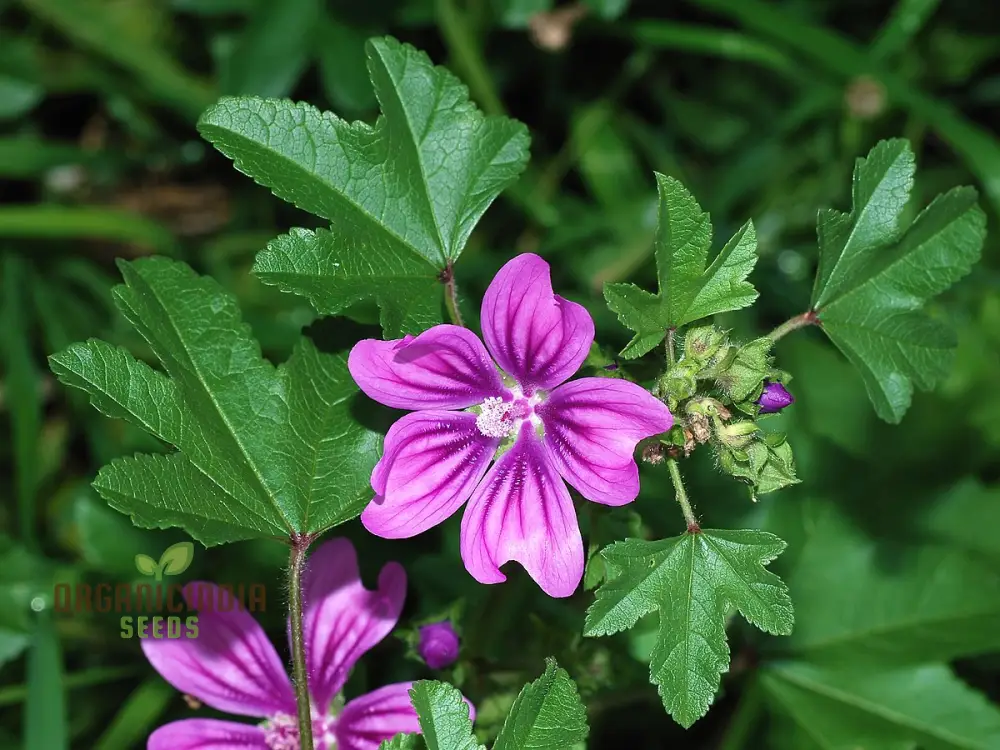
Malva Sylvestris Flower Seeds, Beautiful Addition to Your Garden, Premium Seeds for Gardening
Malva Sylvestris Flower Seeds, Beautiful Addition to Your Garden, Premium Seeds for Gardening
Malva sylvestris Flower Seeds – A Beautiful Addition to Your Garden
Scientific Name: Malva sylvestris
Common Name: Common Mallow, High Mallow
Plant Type: Perennial (sometimes grown as an annual or biennial)
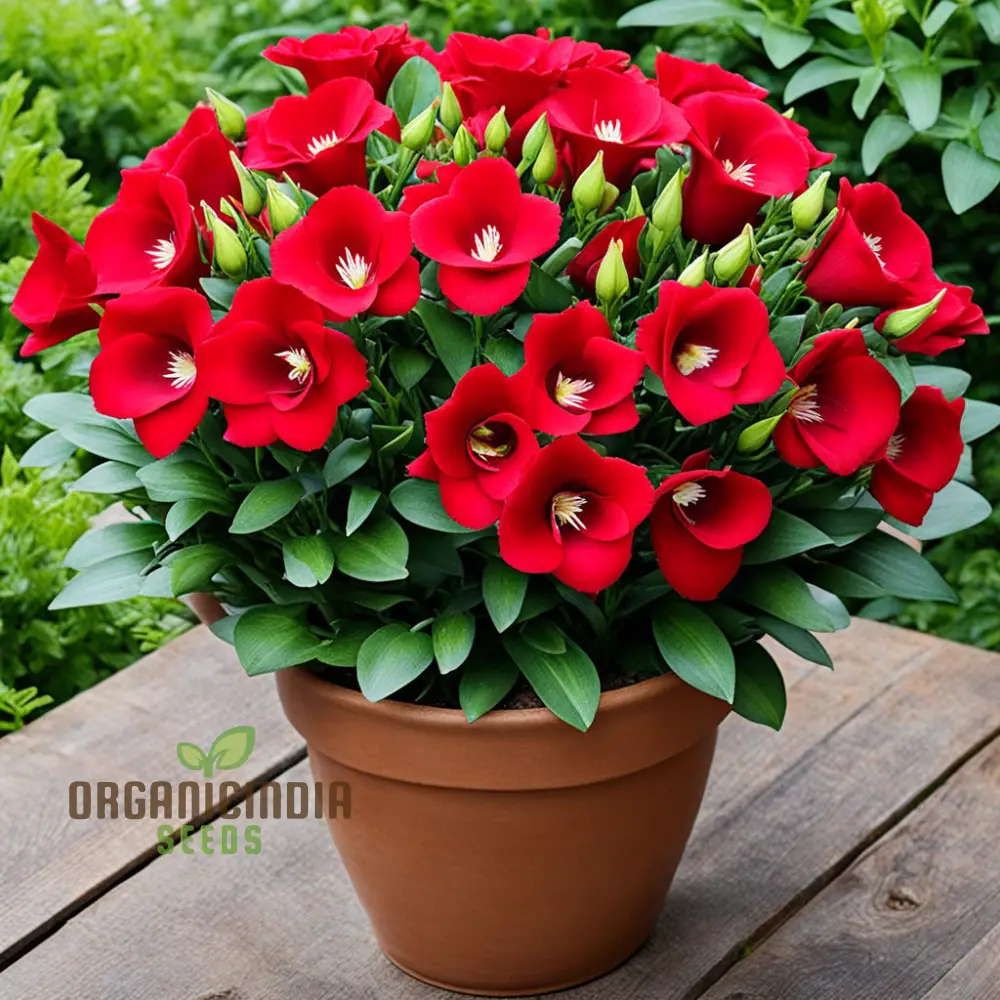
Flower Color: Vibrant purple to pink with darker veining
Mature Height: 24 to 48 inches
Spread: 12 to 24 inches
Light Requirements: Full sun to partial shade
Soil Requirements: Well-drained, moderately fertile soil
Watering Needs: Moderate; tolerates occasional dry spells
Blooming Season: Late spring to early autumn
Uses: Cottage gardens, borders, pollinator gardens, wildflower meadows, and herbal gardens
Product Details
- Germination Rate: High with proper conditions
- Cold Hardiness: Suitable for USDA zones 4-9
- Growth Speed: Fast-growing
- Wildlife Benefits: Attracts bees, butterflies, and other pollinators
- Maintenance Level: Low; self-seeds and spreads naturally
Planting Instructions
Seed Preparation and Sowing
- Best Planting Time: Early spring after the last frost or late summer for fall germination
- Sowing Method:
- Direct sow seeds outdoors or start indoors 4-6 weeks before the last frost.
- Sow seeds about 1/8 inch deep in well-prepared soil.
- Lightly cover with soil and keep consistently moist until germination.
- Maintain a temperature of 65-75°F (18-24°C) for optimal sprouting.
- Spacing: 12 to 18 inches apart for healthy growth.
- Germination Time: 10 to 20 days.
Care and Maintenance
- Watering: Keep soil evenly moist but avoid waterlogging.
- Fertilization: Requires minimal feeding; a light application of balanced fertilizer in early growth stages is beneficial.
- Pruning: Deadhead spent blooms to extend the flowering period and prevent excessive self-seeding.
- Pest and Disease Resistance: Generally hardy but may attract aphids or powdery mildew in humid conditions.
- Winter Care: In colder climates, cut back stems after flowering; mulch lightly for winter protection.
Why Grow Malva sylvestris?
- Long Blooming Season: Flowers continuously from late spring through early fall.
- Attracts Pollinators: A favorite for bees and butterflies, enhancing biodiversity.
- Drought-Tolerant & Hardy: Once established, thrives in various conditions.
- Medicinal & Culinary Uses: Leaves and flowers have traditional herbal uses.
- Beautiful & Versatile: Works well in borders, wildflower gardens, and cottage-style landscapes.
Companion Planting Suggestions
- Pairs beautifully with other cottage garden favorites like Echinacea, Lavender, and Rudbeckia.
- Complements tall perennials and ornamental grasses for a naturalistic garden design.
- Looks stunning alongside Foxgloves, Hollyhocks, and Salvias for a layered floral display.
Add the Vibrant Beauty of Malva sylvestris to Your Garden Today!
A perfect choice for both ornamental charm and pollinator-friendly gardening, Malva sylvestris offers resilience, beauty, and effortless growth.
Original: $16.99
-65%$16.99
$5.95More Images
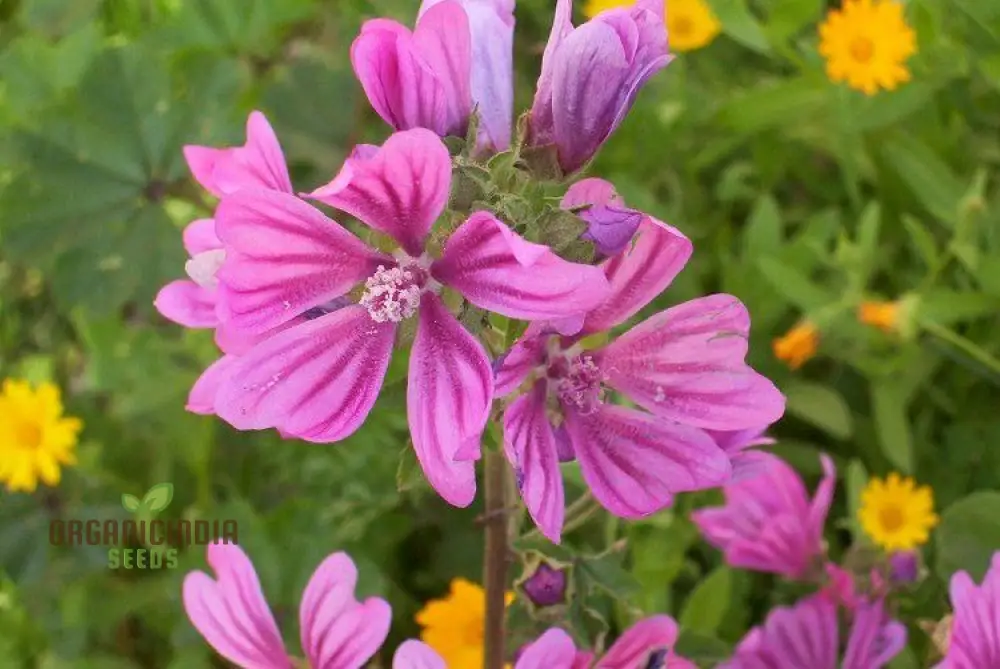
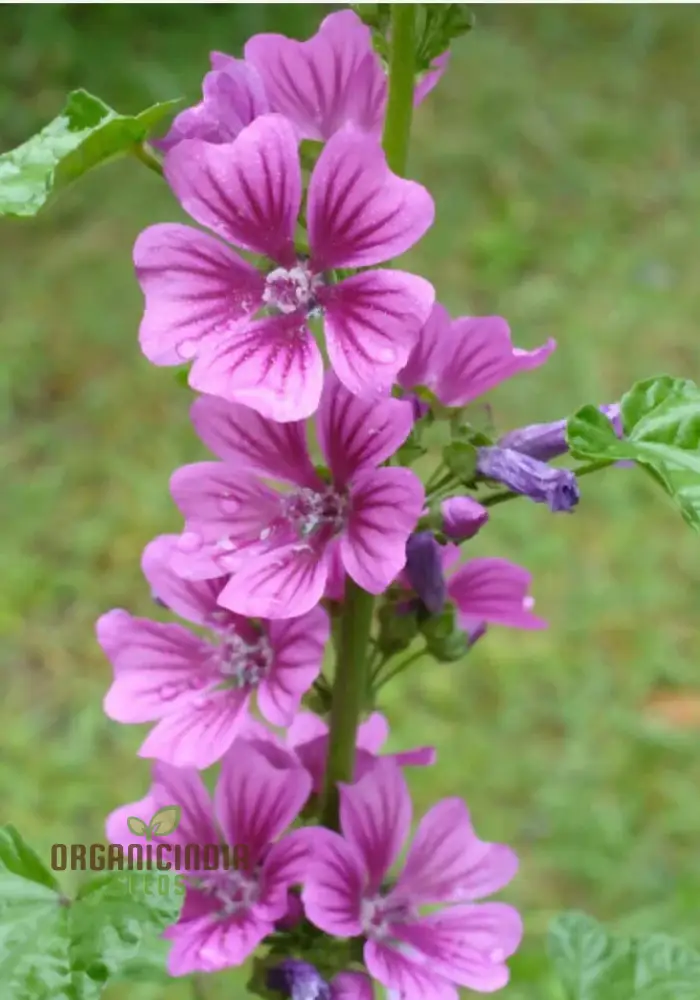
Malva Sylvestris Flower Seeds, Beautiful Addition to Your Garden, Premium Seeds for Gardening
Malva sylvestris Flower Seeds – A Beautiful Addition to Your Garden
Scientific Name: Malva sylvestris
Common Name: Common Mallow, High Mallow
Plant Type: Perennial (sometimes grown as an annual or biennial)
Flower Color: Vibrant purple to pink with darker veining
Mature Height: 24 to 48 inches
Spread: 12 to 24 inches
Light Requirements: Full sun to partial shade
Soil Requirements: Well-drained, moderately fertile soil
Watering Needs: Moderate; tolerates occasional dry spells
Blooming Season: Late spring to early autumn
Uses: Cottage gardens, borders, pollinator gardens, wildflower meadows, and herbal gardens
Product Details
- Germination Rate: High with proper conditions
- Cold Hardiness: Suitable for USDA zones 4-9
- Growth Speed: Fast-growing
- Wildlife Benefits: Attracts bees, butterflies, and other pollinators
- Maintenance Level: Low; self-seeds and spreads naturally
Planting Instructions
Seed Preparation and Sowing
- Best Planting Time: Early spring after the last frost or late summer for fall germination
- Sowing Method:
- Direct sow seeds outdoors or start indoors 4-6 weeks before the last frost.
- Sow seeds about 1/8 inch deep in well-prepared soil.
- Lightly cover with soil and keep consistently moist until germination.
- Maintain a temperature of 65-75°F (18-24°C) for optimal sprouting.
- Spacing: 12 to 18 inches apart for healthy growth.
- Germination Time: 10 to 20 days.
Care and Maintenance
- Watering: Keep soil evenly moist but avoid waterlogging.
- Fertilization: Requires minimal feeding; a light application of balanced fertilizer in early growth stages is beneficial.
- Pruning: Deadhead spent blooms to extend the flowering period and prevent excessive self-seeding.
- Pest and Disease Resistance: Generally hardy but may attract aphids or powdery mildew in humid conditions.
- Winter Care: In colder climates, cut back stems after flowering; mulch lightly for winter protection.
Why Grow Malva sylvestris?
- Long Blooming Season: Flowers continuously from late spring through early fall.
- Attracts Pollinators: A favorite for bees and butterflies, enhancing biodiversity.
- Drought-Tolerant & Hardy: Once established, thrives in various conditions.
- Medicinal & Culinary Uses: Leaves and flowers have traditional herbal uses.
- Beautiful & Versatile: Works well in borders, wildflower gardens, and cottage-style landscapes.
Companion Planting Suggestions
- Pairs beautifully with other cottage garden favorites like Echinacea, Lavender, and Rudbeckia.
- Complements tall perennials and ornamental grasses for a naturalistic garden design.
- Looks stunning alongside Foxgloves, Hollyhocks, and Salvias for a layered floral display.
Add the Vibrant Beauty of Malva sylvestris to Your Garden Today!
A perfect choice for both ornamental charm and pollinator-friendly gardening, Malva sylvestris offers resilience, beauty, and effortless growth.
Product Information
Product Information
Shipping & Returns
Shipping & Returns
Description
Malva sylvestris Flower Seeds – A Beautiful Addition to Your Garden
Scientific Name: Malva sylvestris
Common Name: Common Mallow, High Mallow
Plant Type: Perennial (sometimes grown as an annual or biennial)
Flower Color: Vibrant purple to pink with darker veining
Mature Height: 24 to 48 inches
Spread: 12 to 24 inches
Light Requirements: Full sun to partial shade
Soil Requirements: Well-drained, moderately fertile soil
Watering Needs: Moderate; tolerates occasional dry spells
Blooming Season: Late spring to early autumn
Uses: Cottage gardens, borders, pollinator gardens, wildflower meadows, and herbal gardens
Product Details
- Germination Rate: High with proper conditions
- Cold Hardiness: Suitable for USDA zones 4-9
- Growth Speed: Fast-growing
- Wildlife Benefits: Attracts bees, butterflies, and other pollinators
- Maintenance Level: Low; self-seeds and spreads naturally
Planting Instructions
Seed Preparation and Sowing
- Best Planting Time: Early spring after the last frost or late summer for fall germination
- Sowing Method:
- Direct sow seeds outdoors or start indoors 4-6 weeks before the last frost.
- Sow seeds about 1/8 inch deep in well-prepared soil.
- Lightly cover with soil and keep consistently moist until germination.
- Maintain a temperature of 65-75°F (18-24°C) for optimal sprouting.
- Spacing: 12 to 18 inches apart for healthy growth.
- Germination Time: 10 to 20 days.
Care and Maintenance
- Watering: Keep soil evenly moist but avoid waterlogging.
- Fertilization: Requires minimal feeding; a light application of balanced fertilizer in early growth stages is beneficial.
- Pruning: Deadhead spent blooms to extend the flowering period and prevent excessive self-seeding.
- Pest and Disease Resistance: Generally hardy but may attract aphids or powdery mildew in humid conditions.
- Winter Care: In colder climates, cut back stems after flowering; mulch lightly for winter protection.
Why Grow Malva sylvestris?
- Long Blooming Season: Flowers continuously from late spring through early fall.
- Attracts Pollinators: A favorite for bees and butterflies, enhancing biodiversity.
- Drought-Tolerant & Hardy: Once established, thrives in various conditions.
- Medicinal & Culinary Uses: Leaves and flowers have traditional herbal uses.
- Beautiful & Versatile: Works well in borders, wildflower gardens, and cottage-style landscapes.
Companion Planting Suggestions
- Pairs beautifully with other cottage garden favorites like Echinacea, Lavender, and Rudbeckia.
- Complements tall perennials and ornamental grasses for a naturalistic garden design.
- Looks stunning alongside Foxgloves, Hollyhocks, and Salvias for a layered floral display.
Add the Vibrant Beauty of Malva sylvestris to Your Garden Today!
A perfect choice for both ornamental charm and pollinator-friendly gardening, Malva sylvestris offers resilience, beauty, and effortless growth.