🎉 Up to 70% Off Selected ItemsShop Sale
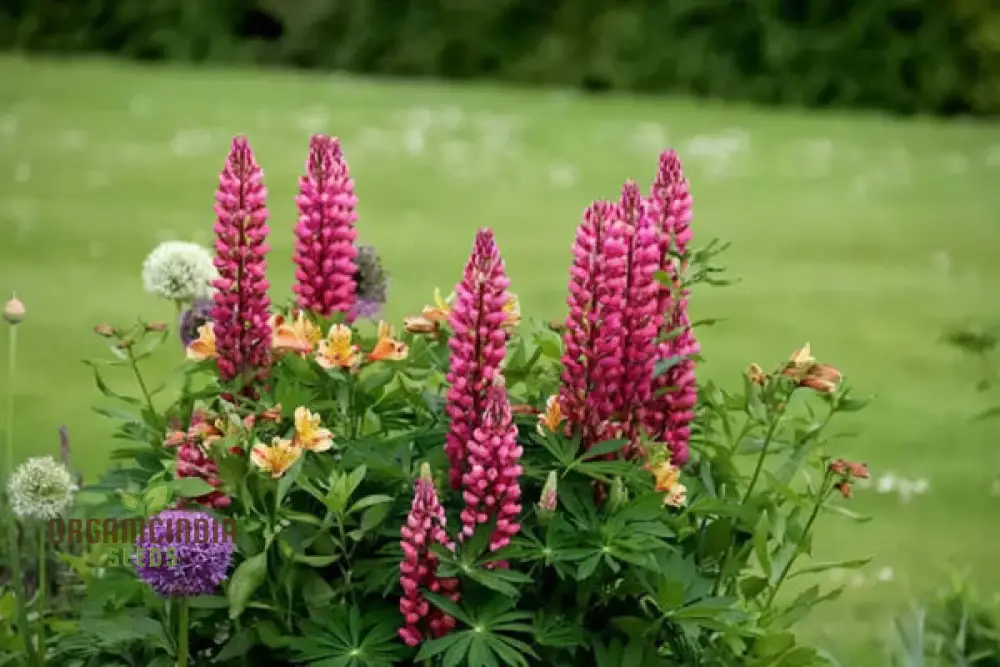
Lupinus Nootkatensis Flower Seeds, Stunning Garden Blooms, Easy-to-Grow Lupine Seeds
Lupinus Nootkatensis Flower Seeds – Stunning Garden Blooms, Easy-to-Grow Lupine Seeds
Key Features:
- Scientific Name: Lupinus nootkatensis
- Common Name: Nootka Lupine, Alaskan Lupine
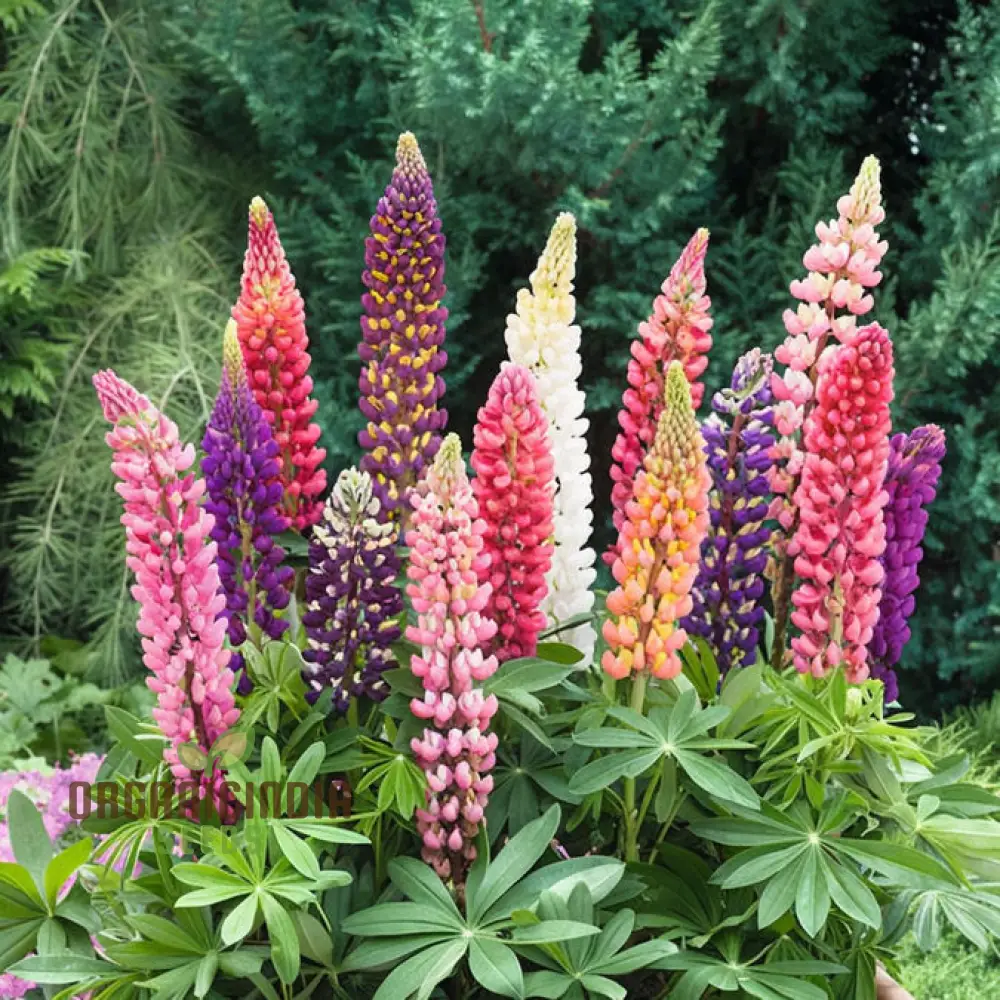
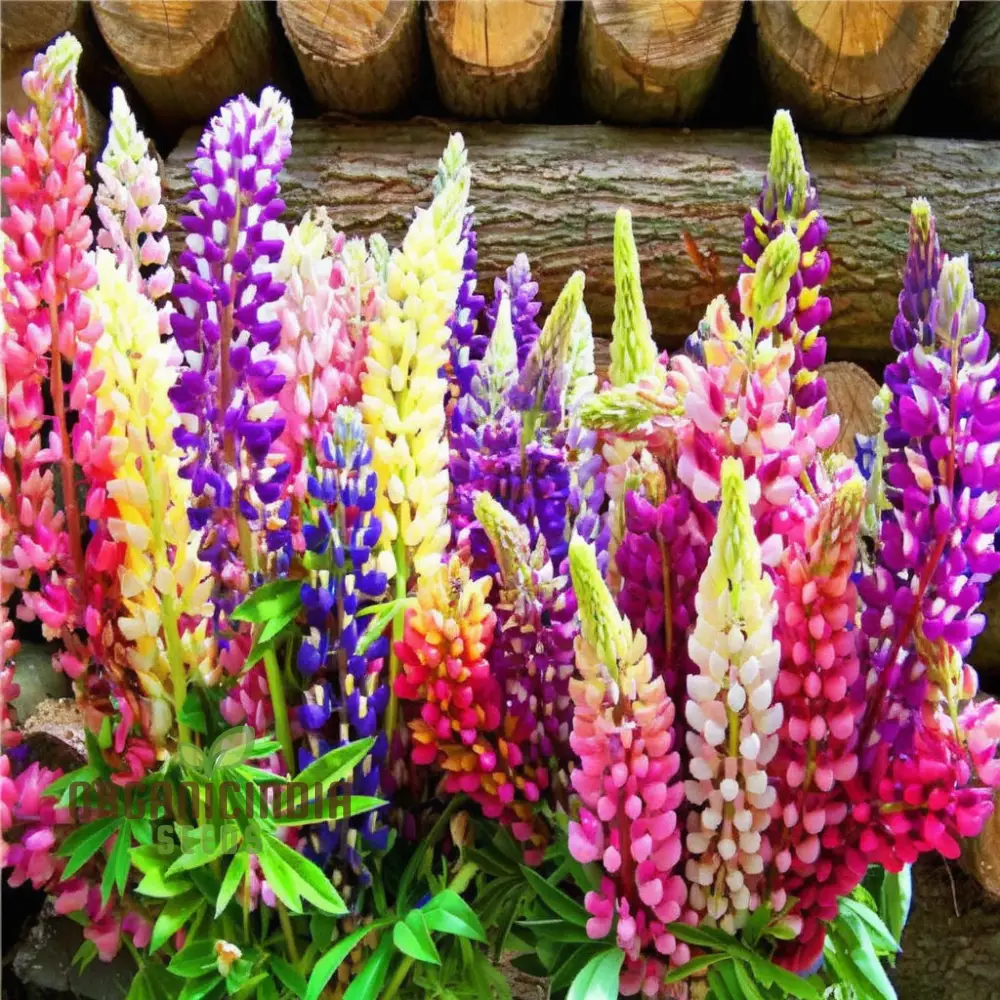
- Bloom Color: Vibrant purple-blue flower spikes with occasional pink and white hues
- Flowering Season: Late spring to mid-summer
- Plant Type: Perennial flowering plant
- Sun Requirements: Full sun (at least 6 hours of direct sunlight per day)
- Soil Type: Well-draining, sandy or loamy soil, thrives in nutrient-poor soils
- Watering Needs: Moderate; drought-tolerant once established
- Growth Habit: Upright and bushy, reaching 2-3 feet tall
- Hardiness Zones: Suitable for USDA zones 3-8
- Uses: Ideal for wildflower meadows, erosion control, pollinator gardens, and ornamental flower beds
Why Grow Lupinus Nootkatensis?
- Spectacular Blooms – Tall, densely packed spikes of purple-blue flowers create a striking garden display.
- Low Maintenance & Hardy – Thrives in tough conditions, including poor soils and coastal landscapes.
- Pollinator Magnet – Attracts bees, butterflies, and other beneficial insects.
- Erosion Control & Soil Improvement – Fixes nitrogen, enriching soil while stabilizing slopes and disturbed areas.
- Drought & Cold Tolerant – Adapts well to harsh climates, making it a resilient choice for gardeners.
- Naturalizing Plant – Spreads easily, forming beautiful wildflower patches over time.
Planting & Care Instructions
Seed Sowing & Germination:
- Best Time to Plant: Early spring or late fall for natural stratification.
- Pre-Planting Treatment:
- Scarify seeds by lightly rubbing them with sandpaper or nicking the seed coat to enhance germination.
- Soak seeds in warm water for 12-24 hours before planting.
- Sowing Instructions:
- Plant seeds ¼ to ½ inch deep in well-draining soil.
- Space 12-18 inches apart for optimal growth.
- Keep soil moist but not waterlogged during germination.
- Maintain temperatures around 55-70°F (13-21°C) for best results.
- Germination occurs within 14-30 days.
Growing & Maintenance:
- Transplanting: Move seedlings outdoors once they are 3-4 inches tall and the last frost has passed.
- Watering:
- Water regularly during the first growing season.
- Once established, lupines are drought-tolerant and require minimal watering.
- Fertilization:
- Avoid high-nitrogen fertilizers, as lupines fix their own nitrogen.
- A light application of phosphorus-rich fertilizer may boost flowering.
- Pruning & Deadheading:
- Remove spent flower spikes to encourage continuous blooming.
- Trim back in late fall or early spring to promote healthy regrowth.
- Pest & Disease Resistance:
- Generally resistant to pests, though aphids or powdery mildew may occasionally appear.
Where to Grow Lupinus Nootkatensis?
- Wildflower Meadows & Pollinator Gardens – Supports biodiversity with nectar-rich blooms.
- Cottage Gardens & Perennial Borders – Adds height and vibrant color to flower beds.
- Erosion Control & Sloped Areas – Helps stabilize soil in challenging landscapes.
- Coastal & Alpine Gardens – Tolerates poor soils and tough weather conditions.
- Containers & Rock Gardens – Suitable for compact spaces with well-draining soil.
Transform Your Garden with Beautiful, Hardy Lupines – Order Your Seeds Today!
Select Size
From $5.95
Original: $16.99
-65%Lupinus Nootkatensis Flower Seeds, Stunning Garden Blooms, Easy-to-Grow Lupine Seeds—
$16.99
$5.95More Images
Lupinus Nootkatensis Flower Seeds, Stunning Garden Blooms, Easy-to-Grow Lupine Seeds
Lupinus Nootkatensis Flower Seeds – Stunning Garden Blooms, Easy-to-Grow Lupine Seeds
Key Features:
- Scientific Name: Lupinus nootkatensis
- Common Name: Nootka Lupine, Alaskan Lupine
- Bloom Color: Vibrant purple-blue flower spikes with occasional pink and white hues
- Flowering Season: Late spring to mid-summer
- Plant Type: Perennial flowering plant
- Sun Requirements: Full sun (at least 6 hours of direct sunlight per day)
- Soil Type: Well-draining, sandy or loamy soil, thrives in nutrient-poor soils
- Watering Needs: Moderate; drought-tolerant once established
- Growth Habit: Upright and bushy, reaching 2-3 feet tall
- Hardiness Zones: Suitable for USDA zones 3-8
- Uses: Ideal for wildflower meadows, erosion control, pollinator gardens, and ornamental flower beds
Why Grow Lupinus Nootkatensis?
- Spectacular Blooms – Tall, densely packed spikes of purple-blue flowers create a striking garden display.
- Low Maintenance & Hardy – Thrives in tough conditions, including poor soils and coastal landscapes.
- Pollinator Magnet – Attracts bees, butterflies, and other beneficial insects.
- Erosion Control & Soil Improvement – Fixes nitrogen, enriching soil while stabilizing slopes and disturbed areas.
- Drought & Cold Tolerant – Adapts well to harsh climates, making it a resilient choice for gardeners.
- Naturalizing Plant – Spreads easily, forming beautiful wildflower patches over time.
Planting & Care Instructions
Seed Sowing & Germination:
- Best Time to Plant: Early spring or late fall for natural stratification.
- Pre-Planting Treatment:
- Scarify seeds by lightly rubbing them with sandpaper or nicking the seed coat to enhance germination.
- Soak seeds in warm water for 12-24 hours before planting.
- Sowing Instructions:
- Plant seeds ¼ to ½ inch deep in well-draining soil.
- Space 12-18 inches apart for optimal growth.
- Keep soil moist but not waterlogged during germination.
- Maintain temperatures around 55-70°F (13-21°C) for best results.
- Germination occurs within 14-30 days.
Growing & Maintenance:
- Transplanting: Move seedlings outdoors once they are 3-4 inches tall and the last frost has passed.
- Watering:
- Water regularly during the first growing season.
- Once established, lupines are drought-tolerant and require minimal watering.
- Fertilization:
- Avoid high-nitrogen fertilizers, as lupines fix their own nitrogen.
- A light application of phosphorus-rich fertilizer may boost flowering.
- Pruning & Deadheading:
- Remove spent flower spikes to encourage continuous blooming.
- Trim back in late fall or early spring to promote healthy regrowth.
- Pest & Disease Resistance:
- Generally resistant to pests, though aphids or powdery mildew may occasionally appear.
Where to Grow Lupinus Nootkatensis?
- Wildflower Meadows & Pollinator Gardens – Supports biodiversity with nectar-rich blooms.
- Cottage Gardens & Perennial Borders – Adds height and vibrant color to flower beds.
- Erosion Control & Sloped Areas – Helps stabilize soil in challenging landscapes.
- Coastal & Alpine Gardens – Tolerates poor soils and tough weather conditions.
- Containers & Rock Gardens – Suitable for compact spaces with well-draining soil.
Transform Your Garden with Beautiful, Hardy Lupines – Order Your Seeds Today!
Product Information
Product Information
Shipping & Returns
Shipping & Returns
Description
Lupinus Nootkatensis Flower Seeds – Stunning Garden Blooms, Easy-to-Grow Lupine Seeds
Key Features:
- Scientific Name: Lupinus nootkatensis
- Common Name: Nootka Lupine, Alaskan Lupine
- Bloom Color: Vibrant purple-blue flower spikes with occasional pink and white hues
- Flowering Season: Late spring to mid-summer
- Plant Type: Perennial flowering plant
- Sun Requirements: Full sun (at least 6 hours of direct sunlight per day)
- Soil Type: Well-draining, sandy or loamy soil, thrives in nutrient-poor soils
- Watering Needs: Moderate; drought-tolerant once established
- Growth Habit: Upright and bushy, reaching 2-3 feet tall
- Hardiness Zones: Suitable for USDA zones 3-8
- Uses: Ideal for wildflower meadows, erosion control, pollinator gardens, and ornamental flower beds
Why Grow Lupinus Nootkatensis?
- Spectacular Blooms – Tall, densely packed spikes of purple-blue flowers create a striking garden display.
- Low Maintenance & Hardy – Thrives in tough conditions, including poor soils and coastal landscapes.
- Pollinator Magnet – Attracts bees, butterflies, and other beneficial insects.
- Erosion Control & Soil Improvement – Fixes nitrogen, enriching soil while stabilizing slopes and disturbed areas.
- Drought & Cold Tolerant – Adapts well to harsh climates, making it a resilient choice for gardeners.
- Naturalizing Plant – Spreads easily, forming beautiful wildflower patches over time.
Planting & Care Instructions
Seed Sowing & Germination:
- Best Time to Plant: Early spring or late fall for natural stratification.
- Pre-Planting Treatment:
- Scarify seeds by lightly rubbing them with sandpaper or nicking the seed coat to enhance germination.
- Soak seeds in warm water for 12-24 hours before planting.
- Sowing Instructions:
- Plant seeds ¼ to ½ inch deep in well-draining soil.
- Space 12-18 inches apart for optimal growth.
- Keep soil moist but not waterlogged during germination.
- Maintain temperatures around 55-70°F (13-21°C) for best results.
- Germination occurs within 14-30 days.
Growing & Maintenance:
- Transplanting: Move seedlings outdoors once they are 3-4 inches tall and the last frost has passed.
- Watering:
- Water regularly during the first growing season.
- Once established, lupines are drought-tolerant and require minimal watering.
- Fertilization:
- Avoid high-nitrogen fertilizers, as lupines fix their own nitrogen.
- A light application of phosphorus-rich fertilizer may boost flowering.
- Pruning & Deadheading:
- Remove spent flower spikes to encourage continuous blooming.
- Trim back in late fall or early spring to promote healthy regrowth.
- Pest & Disease Resistance:
- Generally resistant to pests, though aphids or powdery mildew may occasionally appear.
Where to Grow Lupinus Nootkatensis?
- Wildflower Meadows & Pollinator Gardens – Supports biodiversity with nectar-rich blooms.
- Cottage Gardens & Perennial Borders – Adds height and vibrant color to flower beds.
- Erosion Control & Sloped Areas – Helps stabilize soil in challenging landscapes.
- Coastal & Alpine Gardens – Tolerates poor soils and tough weather conditions.
- Containers & Rock Gardens – Suitable for compact spaces with well-draining soil.