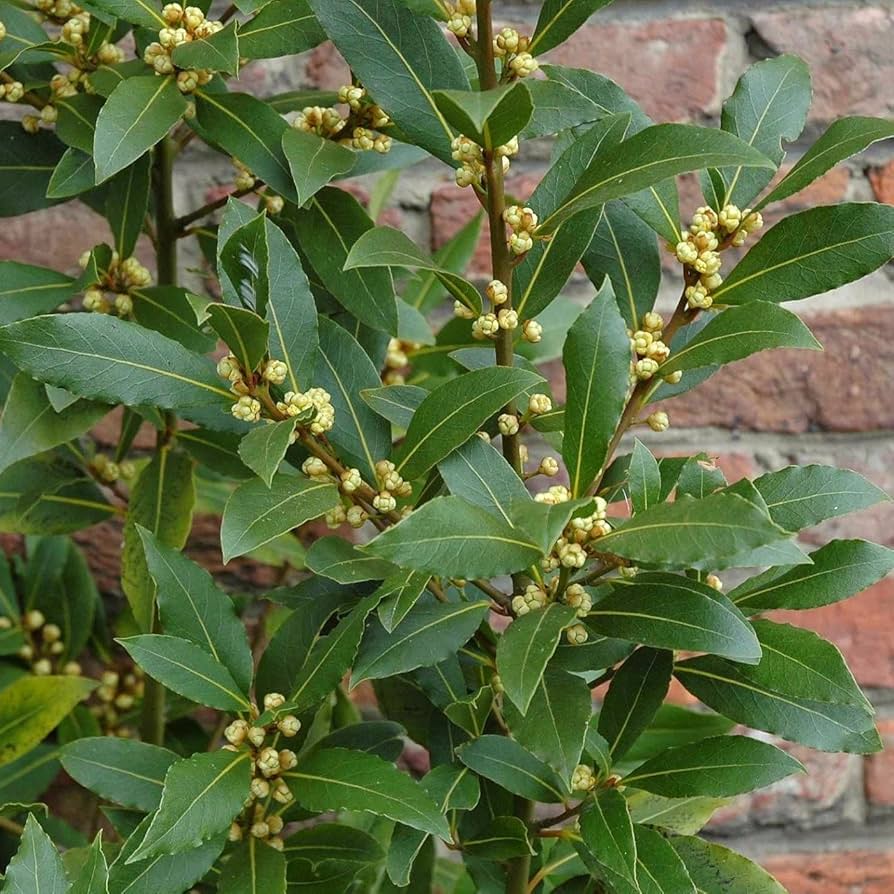
Laurel Herb Seeds for Planting
Laurel Herb Seeds for Planting
Laurel (Laurus nobilis), commonly known as Bay Laurel or Sweet Bay, is an aromatic, evergreen herb prized for its culinary, medicinal, and ornamental value. With its glossy green leaves and compact growth habit, this perennial plant is perfect for herb gardens, containers, and landscaping. The leaves are widely used as a seasoning in soups, stews, and sauces, offering a rich, earthy flavor.
Key Features
- Scientific Name: Laurus nobilis
- Common Names: Bay Laurel, Sweet Bay, True Laurel
- Plant Type: Perennial evergreen shrub/tree
- Mature Height: 10 to 30 feet (pruned for compact growth)
- Growth Habit: Bushy, upright, slow-growing
- Light Requirements: Full sun to partial shade
- Soil Requirements: Well-drained, fertile soil with good moisture retention
- Watering Needs: Moderate; drought-tolerant once established
- Uses: Culinary seasoning, medicinal applications, ornamental hedging, container gardening
Why Grow Bay Laurel?
- Culinary Essential – Fresh or dried leaves enhance soups, stews, sauces, and marinades.
- Low Maintenance & Hardy – Requires minimal care and adapts to various climates.
- Drought-Tolerant & Evergreen – Provides year-round greenery with aromatic foliage.
- Medicinal & Aromatic Benefits – Used in herbal remedies and essential oils.
- Ideal for Landscaping – Works as a hedge, topiary, or container plant.
How to Grow Laurel Herb from Seeds
Seed Preparation & Germination
- Best Time to Sow: Fall to early spring
- Germination Time: 4 to 6 weeks (may take longer in cooler conditions)
- Soil Temperature: 65 to 75°F for best germination
Sowing Instructions
- Soak seeds in warm water for 24 hours to enhance germination.
- Use a well-draining potting mix with compost or organic matter.
- Sow seeds ¼ to ½ inch deep in pots or seed trays.
- Keep soil moist but not waterlogged.
- Provide indirect sunlight and maintain consistent warmth.
Transplanting & Care
- When to Transplant: Once seedlings reach 4 to 6 inches tall, move them to larger pots or outdoor planting locations.
- Spacing: If planting multiple laurels, space them 3 to 6 feet apart for proper airflow.
Care & Maintenance
- Watering: Water deeply but allow soil to dry slightly between waterings.
- Fertilization: Apply an all-purpose fertilizer in spring to support growth.
- Pruning: Trim lightly to shape and encourage bushy growth.
- Pest & Disease Resistance: Generally resistant to pests but may need protection from scale insects or fungal diseases in humid climates.
Companion Planting Suggestions
- Pairs well with rosemary, thyme, and lavender in herb gardens.
- Complements Mediterranean plants like olive trees and citrus.
Enhance Your Herb Garden with Laurel
With its fragrant leaves, versatile uses, and easy-care nature, Bay Laurel is a must-have for gardeners who enjoy both ornamental and culinary plants. Whether grown as a hedge, potted plant, or seasoning source, it will provide beauty and flavor for years to come.
Original: $14.00
-65%$14.00
$4.90More Images

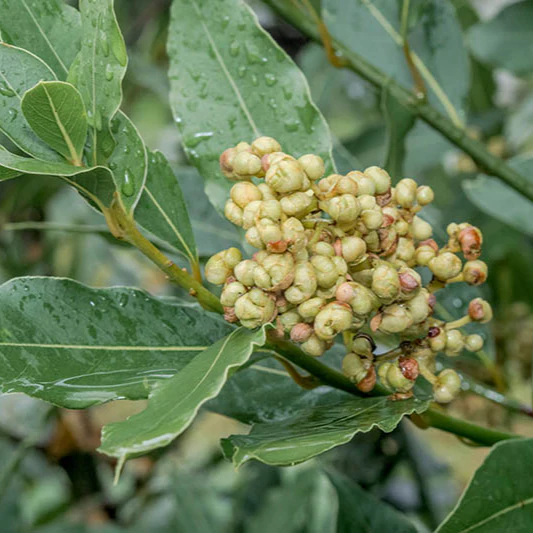
Laurel Herb Seeds for Planting
Laurel Herb Seeds for Planting
Laurel (Laurus nobilis), commonly known as Bay Laurel or Sweet Bay, is an aromatic, evergreen herb prized for its culinary, medicinal, and ornamental value. With its glossy green leaves and compact growth habit, this perennial plant is perfect for herb gardens, containers, and landscaping. The leaves are widely used as a seasoning in soups, stews, and sauces, offering a rich, earthy flavor.
Key Features
- Scientific Name: Laurus nobilis
- Common Names: Bay Laurel, Sweet Bay, True Laurel
- Plant Type: Perennial evergreen shrub/tree
- Mature Height: 10 to 30 feet (pruned for compact growth)
- Growth Habit: Bushy, upright, slow-growing
- Light Requirements: Full sun to partial shade
- Soil Requirements: Well-drained, fertile soil with good moisture retention
- Watering Needs: Moderate; drought-tolerant once established
- Uses: Culinary seasoning, medicinal applications, ornamental hedging, container gardening
Why Grow Bay Laurel?
- Culinary Essential – Fresh or dried leaves enhance soups, stews, sauces, and marinades.
- Low Maintenance & Hardy – Requires minimal care and adapts to various climates.
- Drought-Tolerant & Evergreen – Provides year-round greenery with aromatic foliage.
- Medicinal & Aromatic Benefits – Used in herbal remedies and essential oils.
- Ideal for Landscaping – Works as a hedge, topiary, or container plant.
How to Grow Laurel Herb from Seeds
Seed Preparation & Germination
- Best Time to Sow: Fall to early spring
- Germination Time: 4 to 6 weeks (may take longer in cooler conditions)
- Soil Temperature: 65 to 75°F for best germination
Sowing Instructions
- Soak seeds in warm water for 24 hours to enhance germination.
- Use a well-draining potting mix with compost or organic matter.
- Sow seeds ¼ to ½ inch deep in pots or seed trays.
- Keep soil moist but not waterlogged.
- Provide indirect sunlight and maintain consistent warmth.
Transplanting & Care
- When to Transplant: Once seedlings reach 4 to 6 inches tall, move them to larger pots or outdoor planting locations.
- Spacing: If planting multiple laurels, space them 3 to 6 feet apart for proper airflow.
Care & Maintenance
- Watering: Water deeply but allow soil to dry slightly between waterings.
- Fertilization: Apply an all-purpose fertilizer in spring to support growth.
- Pruning: Trim lightly to shape and encourage bushy growth.
- Pest & Disease Resistance: Generally resistant to pests but may need protection from scale insects or fungal diseases in humid climates.
Companion Planting Suggestions
- Pairs well with rosemary, thyme, and lavender in herb gardens.
- Complements Mediterranean plants like olive trees and citrus.
Enhance Your Herb Garden with Laurel
With its fragrant leaves, versatile uses, and easy-care nature, Bay Laurel is a must-have for gardeners who enjoy both ornamental and culinary plants. Whether grown as a hedge, potted plant, or seasoning source, it will provide beauty and flavor for years to come.
Product Information
Product Information
Shipping & Returns
Shipping & Returns
Description
Laurel Herb Seeds for Planting
Laurel (Laurus nobilis), commonly known as Bay Laurel or Sweet Bay, is an aromatic, evergreen herb prized for its culinary, medicinal, and ornamental value. With its glossy green leaves and compact growth habit, this perennial plant is perfect for herb gardens, containers, and landscaping. The leaves are widely used as a seasoning in soups, stews, and sauces, offering a rich, earthy flavor.
Key Features
- Scientific Name: Laurus nobilis
- Common Names: Bay Laurel, Sweet Bay, True Laurel
- Plant Type: Perennial evergreen shrub/tree
- Mature Height: 10 to 30 feet (pruned for compact growth)
- Growth Habit: Bushy, upright, slow-growing
- Light Requirements: Full sun to partial shade
- Soil Requirements: Well-drained, fertile soil with good moisture retention
- Watering Needs: Moderate; drought-tolerant once established
- Uses: Culinary seasoning, medicinal applications, ornamental hedging, container gardening
Why Grow Bay Laurel?
- Culinary Essential – Fresh or dried leaves enhance soups, stews, sauces, and marinades.
- Low Maintenance & Hardy – Requires minimal care and adapts to various climates.
- Drought-Tolerant & Evergreen – Provides year-round greenery with aromatic foliage.
- Medicinal & Aromatic Benefits – Used in herbal remedies and essential oils.
- Ideal for Landscaping – Works as a hedge, topiary, or container plant.
How to Grow Laurel Herb from Seeds
Seed Preparation & Germination
- Best Time to Sow: Fall to early spring
- Germination Time: 4 to 6 weeks (may take longer in cooler conditions)
- Soil Temperature: 65 to 75°F for best germination
Sowing Instructions
- Soak seeds in warm water for 24 hours to enhance germination.
- Use a well-draining potting mix with compost or organic matter.
- Sow seeds ¼ to ½ inch deep in pots or seed trays.
- Keep soil moist but not waterlogged.
- Provide indirect sunlight and maintain consistent warmth.
Transplanting & Care
- When to Transplant: Once seedlings reach 4 to 6 inches tall, move them to larger pots or outdoor planting locations.
- Spacing: If planting multiple laurels, space them 3 to 6 feet apart for proper airflow.
Care & Maintenance
- Watering: Water deeply but allow soil to dry slightly between waterings.
- Fertilization: Apply an all-purpose fertilizer in spring to support growth.
- Pruning: Trim lightly to shape and encourage bushy growth.
- Pest & Disease Resistance: Generally resistant to pests but may need protection from scale insects or fungal diseases in humid climates.
Companion Planting Suggestions
- Pairs well with rosemary, thyme, and lavender in herb gardens.
- Complements Mediterranean plants like olive trees and citrus.
Enhance Your Herb Garden with Laurel
With its fragrant leaves, versatile uses, and easy-care nature, Bay Laurel is a must-have for gardeners who enjoy both ornamental and culinary plants. Whether grown as a hedge, potted plant, or seasoning source, it will provide beauty and flavor for years to come.