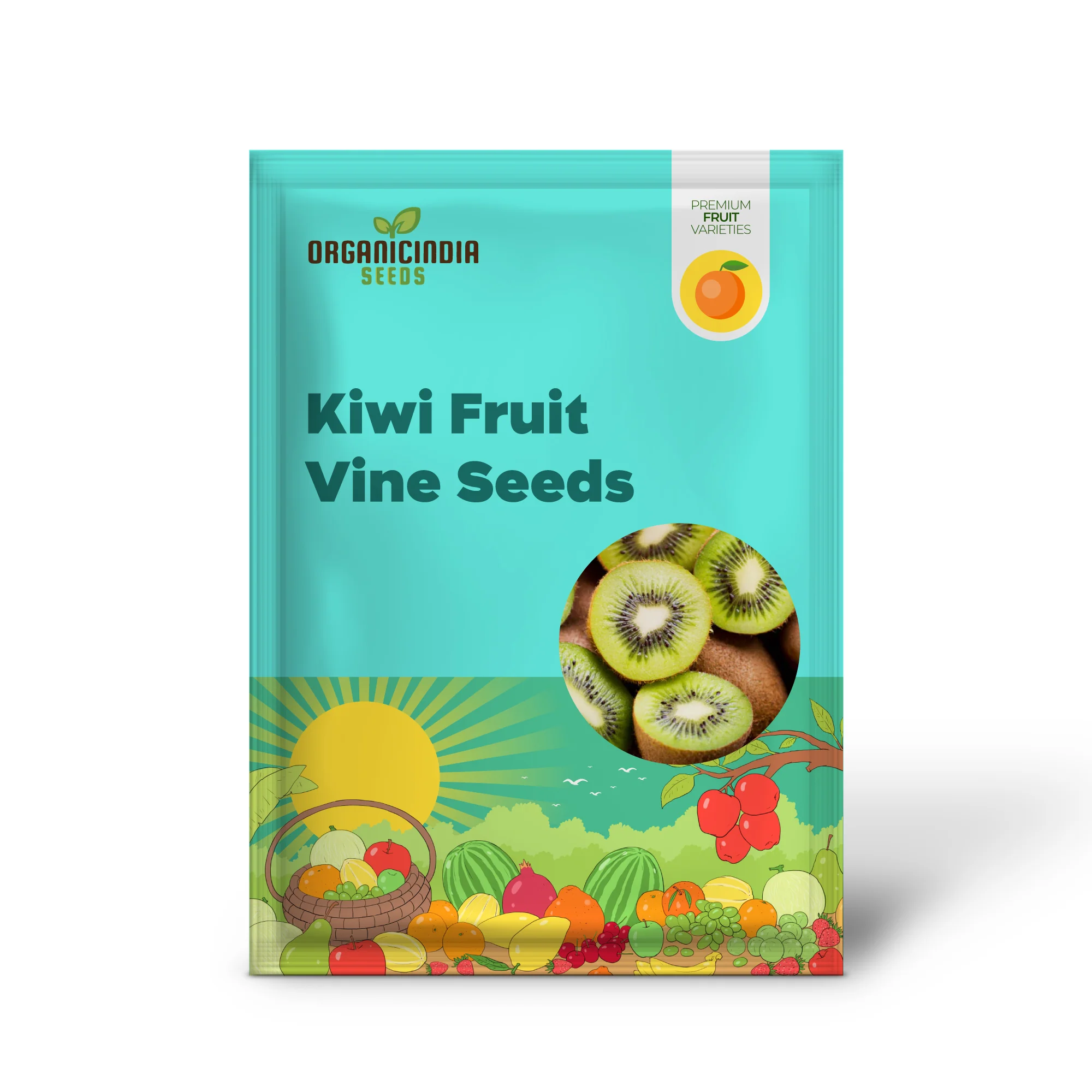
Kiwi Fruit Vine Seeds
Key Features:
-
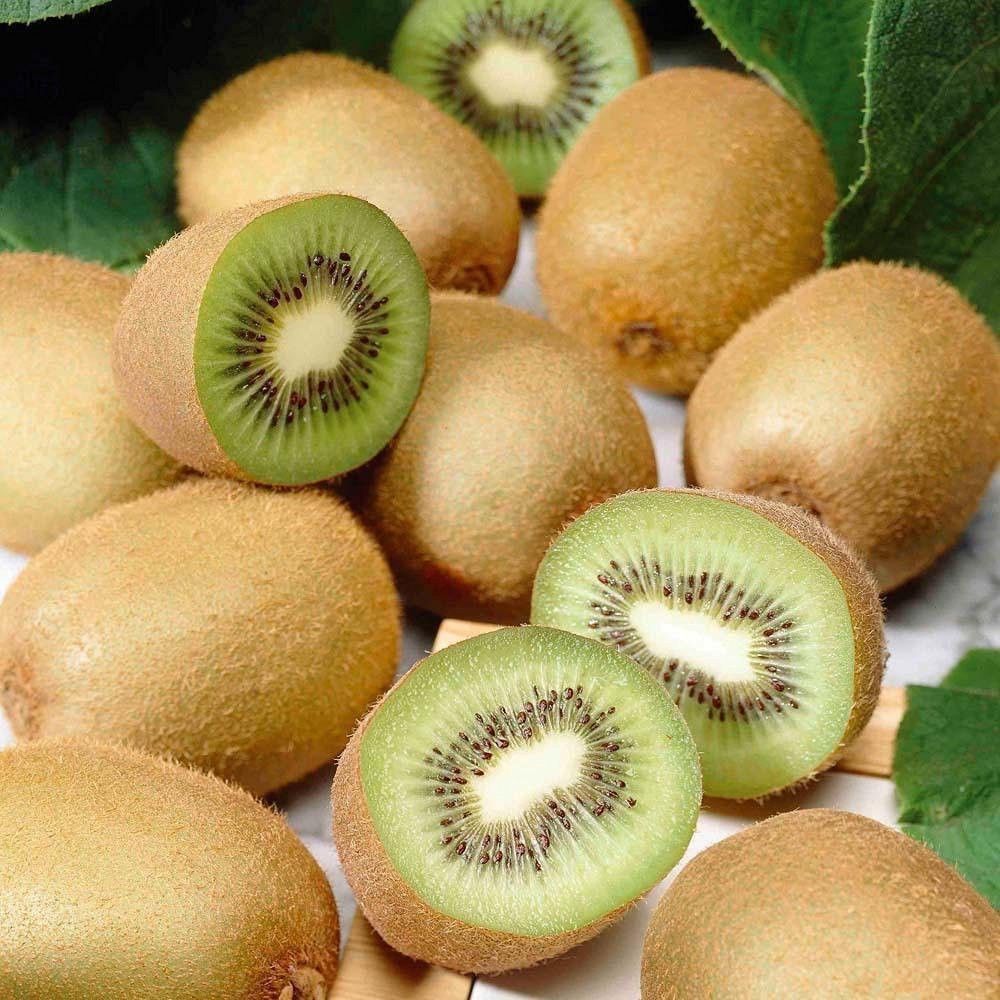
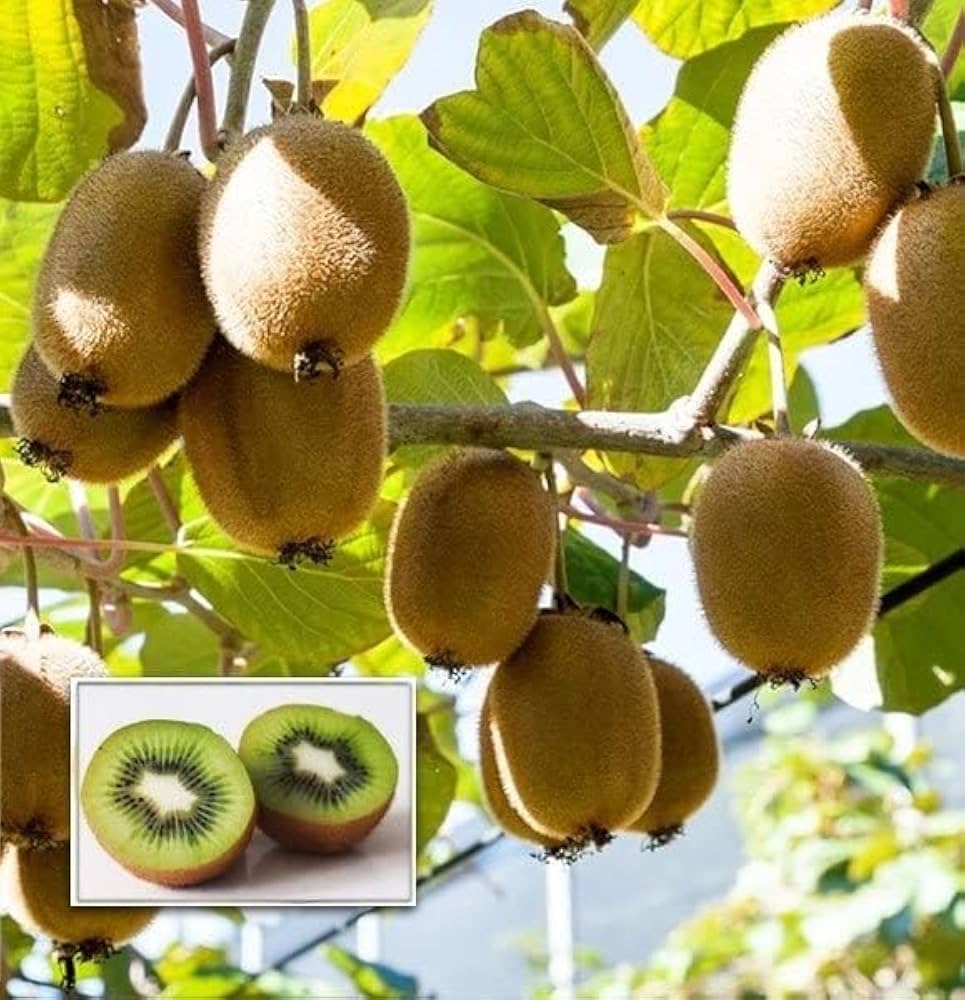
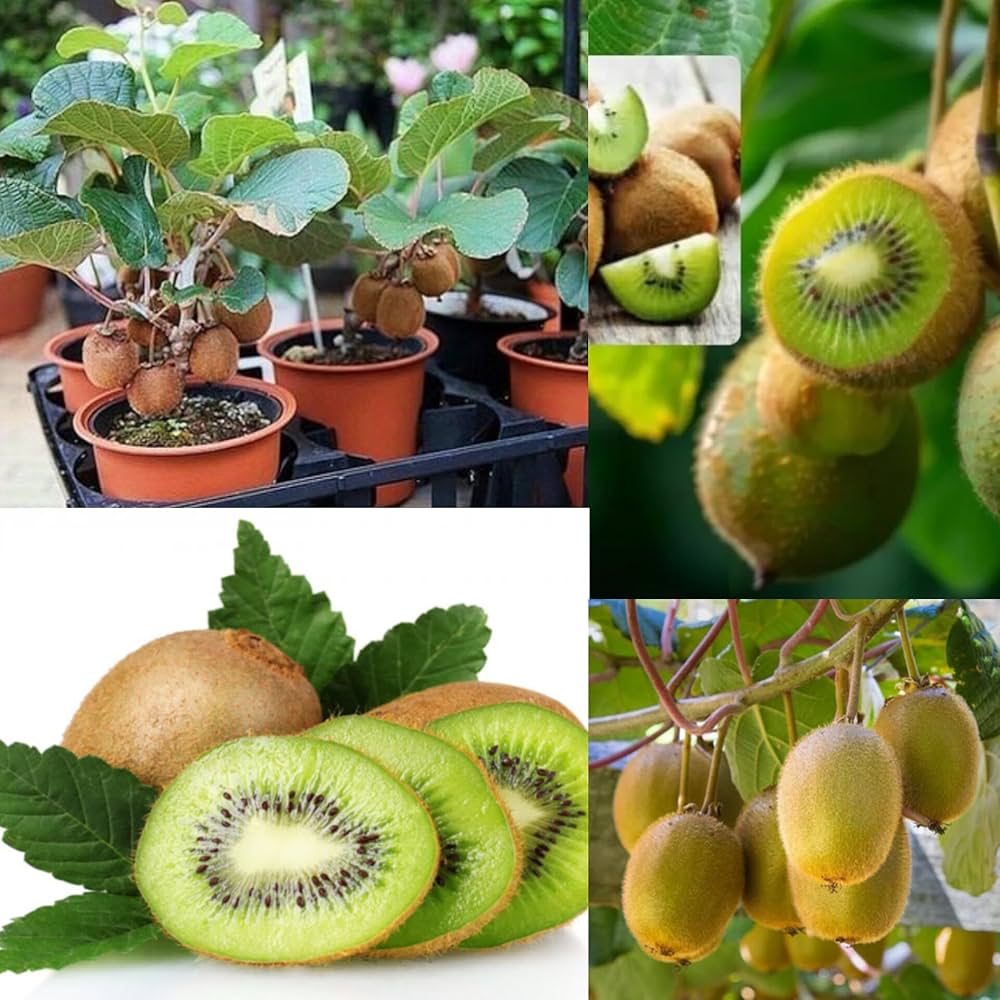
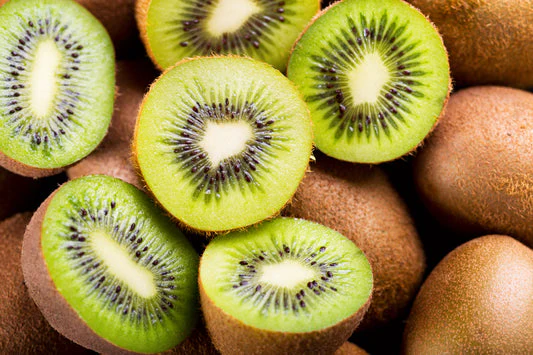
Vigorous Fruiting Vine: Produces sweet, tangy kiwis packed with vitamin C and antioxidants.
-
Fast-Growing Climber: Ideal for garden trellises, fences, and pergolas.
-
Non-GMO & Heirloom Seeds: Naturally sourced seeds perfect for organic gardening.
-
Cold-Tolerant & Hardy: Grows well in temperate climates with proper winter protection.
-
Attractive Foliage: Lush green leaves and fragrant white flowers enhance garden aesthetics.
-
Long-Lived & Productive: Can produce fruit for decades under proper care.
Specifications:
-
Scientific Name: Actinidia deliciosa
-
Common Name (US): Kiwi Fruit Vine
-
Plant Type: Deciduous Climbing Vine
-
Growth Height: 15–30 feet (4.5–9 meters)
-
USDA Hardiness Zones: 7–9
-
Sun Exposure: Full Sun to Partial Shade
-
Soil Type: Well-drained loamy or sandy soil
-
Soil pH: 5.5–7.0
-
Water Requirements: Regular watering; avoid waterlogging
-
Temperature for Germination: 70–80°F (21–27°C)
-
Germination Time: 30–60 days
-
Planting Depth: 1/8 inch (0.3 cm)
-
Spacing: 10–15 feet apart
-
Bloom Season: Spring
-
Fruit Season: Late Summer to Fall
-
Seed Type: Non-GMO, Heirloom Variety
-
Pollination: Requires both male and female plants for fruiting
-
Lifespan: Long-lived perennial vine
-
Uses: Home gardens, edible landscaping, pergola cover
Planting Guide:
-
Seed Preparation: Soak seeds in warm water for 24 hours, then refrigerate in damp paper towel for 3–4 weeks.
-
Sowing: After stratification, sow seeds 1/8 inch deep in seed-starting mix.
-
Light & Temperature: Maintain 70–80°F with good light exposure.
-
Watering: Keep soil consistently moist but not soggy.
-
Transplanting: Move seedlings outdoors after frost danger passes.
-
Support: Provide strong trellis or arbor for climbing.
-
Pruning: Trim regularly to shape vines and improve airflow.
-
Fertilization: Apply balanced organic fertilizer in early spring.
More Images

Kiwi Fruit Vine Seeds
Key Features:
-
Vigorous Fruiting Vine: Produces sweet, tangy kiwis packed with vitamin C and antioxidants.
-
Fast-Growing Climber: Ideal for garden trellises, fences, and pergolas.
-
Non-GMO & Heirloom Seeds: Naturally sourced seeds perfect for organic gardening.
-
Cold-Tolerant & Hardy: Grows well in temperate climates with proper winter protection.
-
Attractive Foliage: Lush green leaves and fragrant white flowers enhance garden aesthetics.
-
Long-Lived & Productive: Can produce fruit for decades under proper care.
Specifications:
-
Scientific Name: Actinidia deliciosa
-
Common Name (US): Kiwi Fruit Vine
-
Plant Type: Deciduous Climbing Vine
-
Growth Height: 15–30 feet (4.5–9 meters)
-
USDA Hardiness Zones: 7–9
-
Sun Exposure: Full Sun to Partial Shade
-
Soil Type: Well-drained loamy or sandy soil
-
Soil pH: 5.5–7.0
-
Water Requirements: Regular watering; avoid waterlogging
-
Temperature for Germination: 70–80°F (21–27°C)
-
Germination Time: 30–60 days
-
Planting Depth: 1/8 inch (0.3 cm)
-
Spacing: 10–15 feet apart
-
Bloom Season: Spring
-
Fruit Season: Late Summer to Fall
-
Seed Type: Non-GMO, Heirloom Variety
-
Pollination: Requires both male and female plants for fruiting
-
Lifespan: Long-lived perennial vine
-
Uses: Home gardens, edible landscaping, pergola cover
Planting Guide:
-
Seed Preparation: Soak seeds in warm water for 24 hours, then refrigerate in damp paper towel for 3–4 weeks.
-
Sowing: After stratification, sow seeds 1/8 inch deep in seed-starting mix.
-
Light & Temperature: Maintain 70–80°F with good light exposure.
-
Watering: Keep soil consistently moist but not soggy.
-
Transplanting: Move seedlings outdoors after frost danger passes.
-
Support: Provide strong trellis or arbor for climbing.
-
Pruning: Trim regularly to shape vines and improve airflow.
-
Fertilization: Apply balanced organic fertilizer in early spring.
Product Information
Product Information
Shipping & Returns
Shipping & Returns
Description
Key Features:
-
Vigorous Fruiting Vine: Produces sweet, tangy kiwis packed with vitamin C and antioxidants.
-
Fast-Growing Climber: Ideal for garden trellises, fences, and pergolas.
-
Non-GMO & Heirloom Seeds: Naturally sourced seeds perfect for organic gardening.
-
Cold-Tolerant & Hardy: Grows well in temperate climates with proper winter protection.
-
Attractive Foliage: Lush green leaves and fragrant white flowers enhance garden aesthetics.
-
Long-Lived & Productive: Can produce fruit for decades under proper care.
Specifications:
-
Scientific Name: Actinidia deliciosa
-
Common Name (US): Kiwi Fruit Vine
-
Plant Type: Deciduous Climbing Vine
-
Growth Height: 15–30 feet (4.5–9 meters)
-
USDA Hardiness Zones: 7–9
-
Sun Exposure: Full Sun to Partial Shade
-
Soil Type: Well-drained loamy or sandy soil
-
Soil pH: 5.5–7.0
-
Water Requirements: Regular watering; avoid waterlogging
-
Temperature for Germination: 70–80°F (21–27°C)
-
Germination Time: 30–60 days
-
Planting Depth: 1/8 inch (0.3 cm)
-
Spacing: 10–15 feet apart
-
Bloom Season: Spring
-
Fruit Season: Late Summer to Fall
-
Seed Type: Non-GMO, Heirloom Variety
-
Pollination: Requires both male and female plants for fruiting
-
Lifespan: Long-lived perennial vine
-
Uses: Home gardens, edible landscaping, pergola cover
Planting Guide:
-
Seed Preparation: Soak seeds in warm water for 24 hours, then refrigerate in damp paper towel for 3–4 weeks.
-
Sowing: After stratification, sow seeds 1/8 inch deep in seed-starting mix.
-
Light & Temperature: Maintain 70–80°F with good light exposure.
-
Watering: Keep soil consistently moist but not soggy.
-
Transplanting: Move seedlings outdoors after frost danger passes.
-
Support: Provide strong trellis or arbor for climbing.
-
Pruning: Trim regularly to shape vines and improve airflow.
-
Fertilization: Apply balanced organic fertilizer in early spring.