Kingnut Hickory (Carya laciniosa) – Seeds
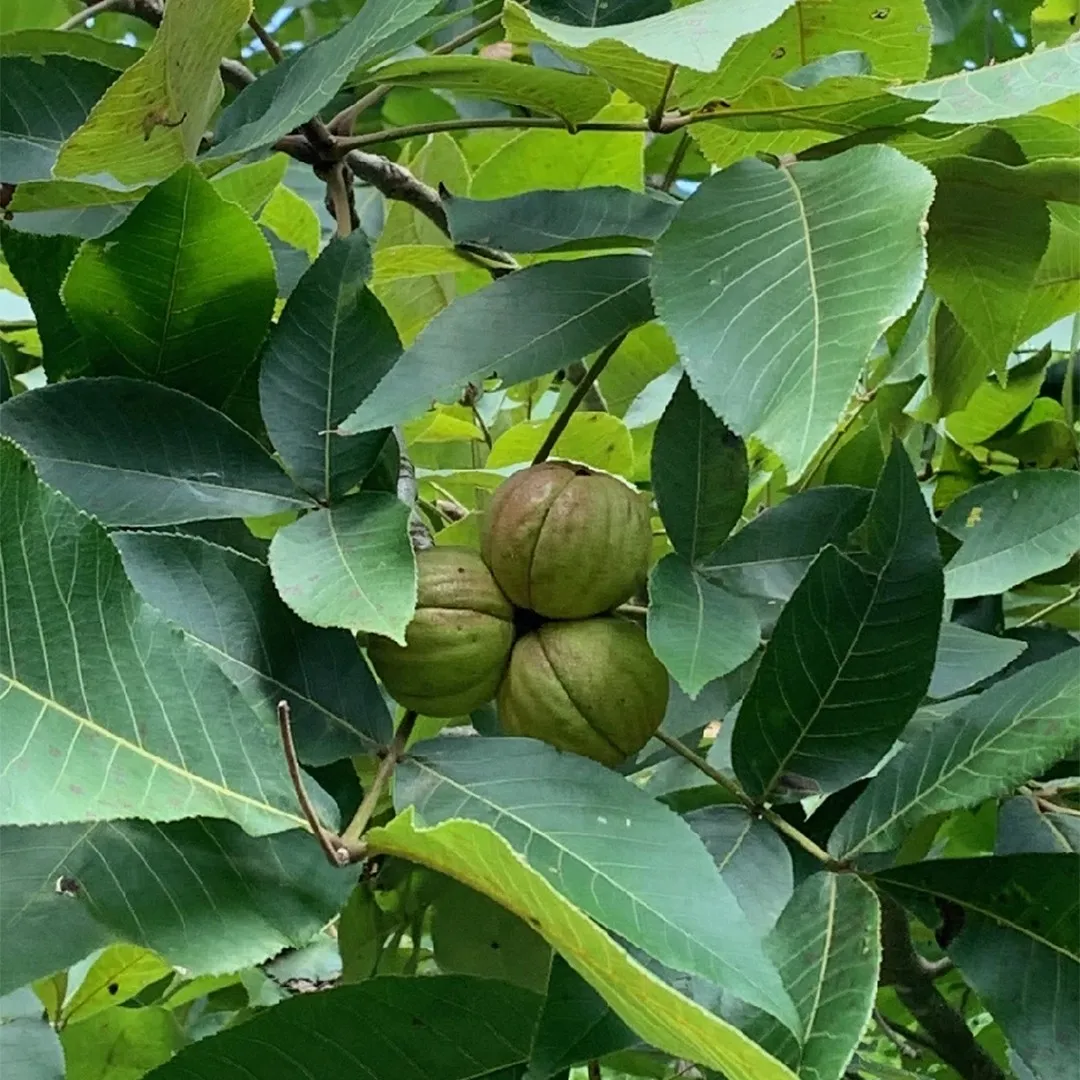
Bring the strength and beauty of native woodlands to your landscape with Kingnut Hickory Seeds (Carya laciniosa). Also known as Shellbark Hickory, this stately tree produces the largest and sweetest hickory nuts of all species. Renowned for its durable hardwood and edible nuts, the Kingnut Hickory is a favorite among wildlife and homesteaders. These long-lived trees add ornamental value with golden fall foliage and a tall, elegant shape—ideal for large yards, farms, or naturalized areas.
Features
-
Native North American Tree: Adds ecological and ornamental value.
-
Produces Large, Sweet Nuts: Excellent for eating, roasting, or attracting wildlife.
-
Strong, Durable Hardwood: Ideal for timber, woodworking, and shade.
-
Long-Lived & Hardy: Can thrive for generations in suitable conditions.
-
Low Maintenance: Tolerant of diverse soil types and moderate drought.
Specifications
-
Botanical Name: Carya laciniosa
-
Common Name: Kingnut Hickory / Shellbark Hickory
-
Seed Type: Non-GMO, Hardy Tree Seeds
-
Growth Habit: Tall, deciduous hardwood tree
-
USDA Hardiness Zones: 5–9
-
Sun Exposure: Full sun to partial shade
-
Soil Type: Moist, well-drained loam or silty soil
-
Soil pH: 6.0–7.5 (slightly acidic to neutral)
-
Watering Needs: Moderate; prefers consistent moisture during growth
-
Germination Time: 30–90 days (requires cold stratification)
-
Maturity Period: 10–15 years to nut-bearing stage
-
Planting Season: Fall or early spring (after stratification)
-
Planting Depth: 1–2 inches (2.5–5 cm)
-
Spacing: 30–50 feet apart
-
Temperature for Germination: 35–75°F (1–24°C)
-
Tree Height: 60–100 feet at maturity
-
Pollination: Cross-pollinating (plant two or more trees for best results)
-
Harvest Season: Fall (nuts ripen September–October)
-
Uses: Edible nuts, timber, shade, and wildlife habitat
Planting Guide
-
Stratify hickory seeds by placing them in moist sand or peat and refrigerating for 90–120 days.
-
Sow seeds 1–2 inches deep in well-drained soil outdoors or in pots after the stratification period.
-
Keep soil moist and ensure the planting site receives full sunlight.
-
Protect young seedlings from squirrels and rodents.
-
Transplant seedlings to their permanent location once they are 1–2 years old.
-
Water regularly during early growth and mulch around the base to retain moisture.
-
Allow sufficient spacing for full canopy development.
Original: $16.99
-65%$16.99
$5.95More Images
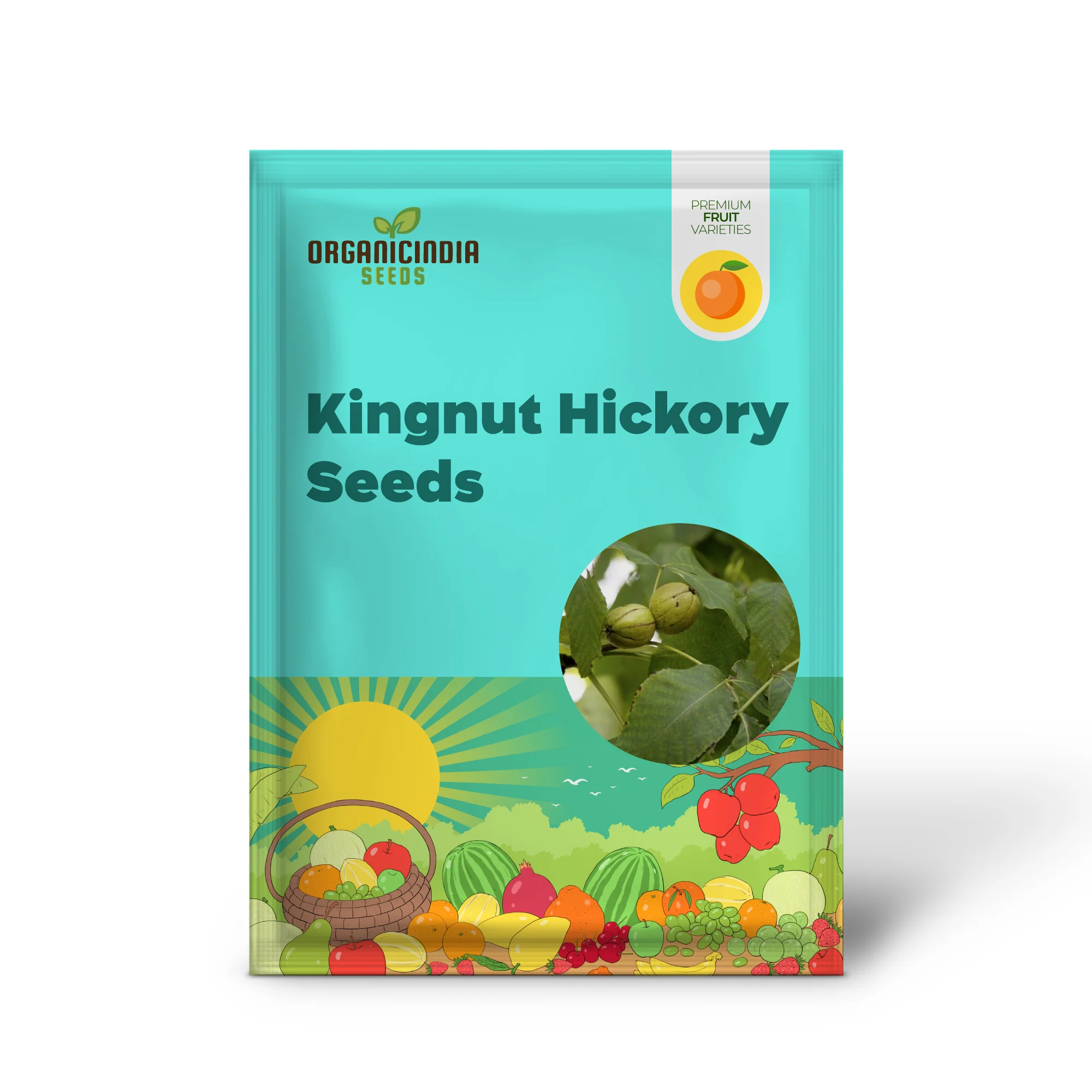
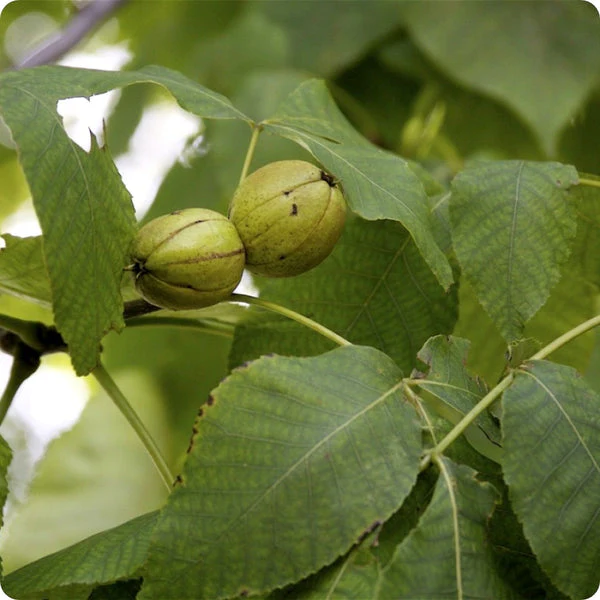
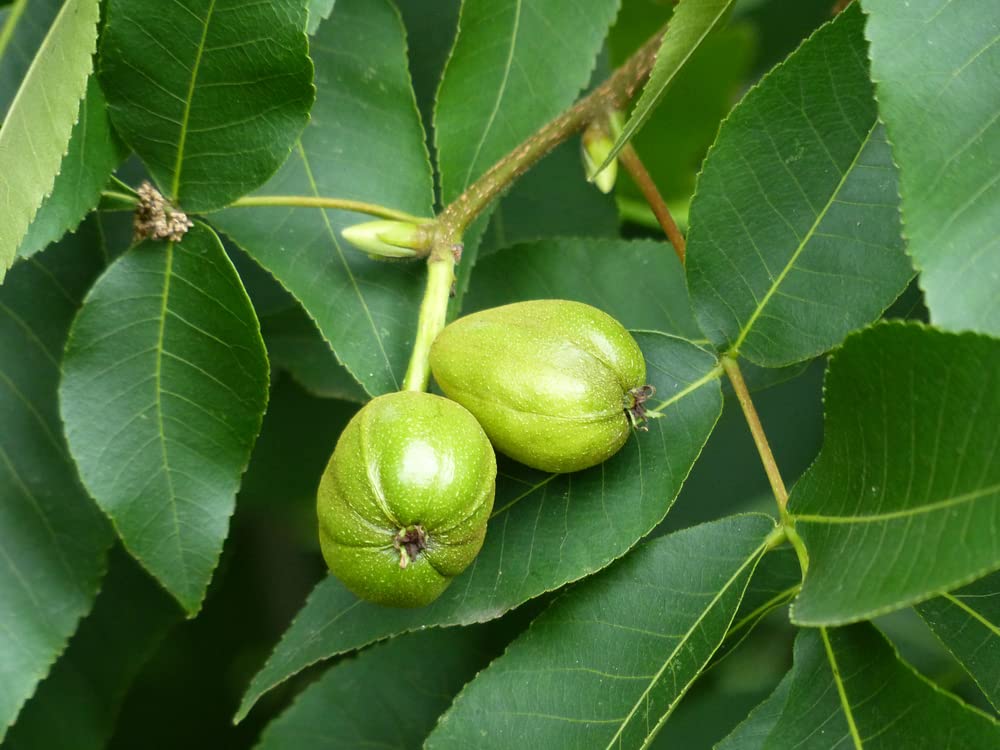
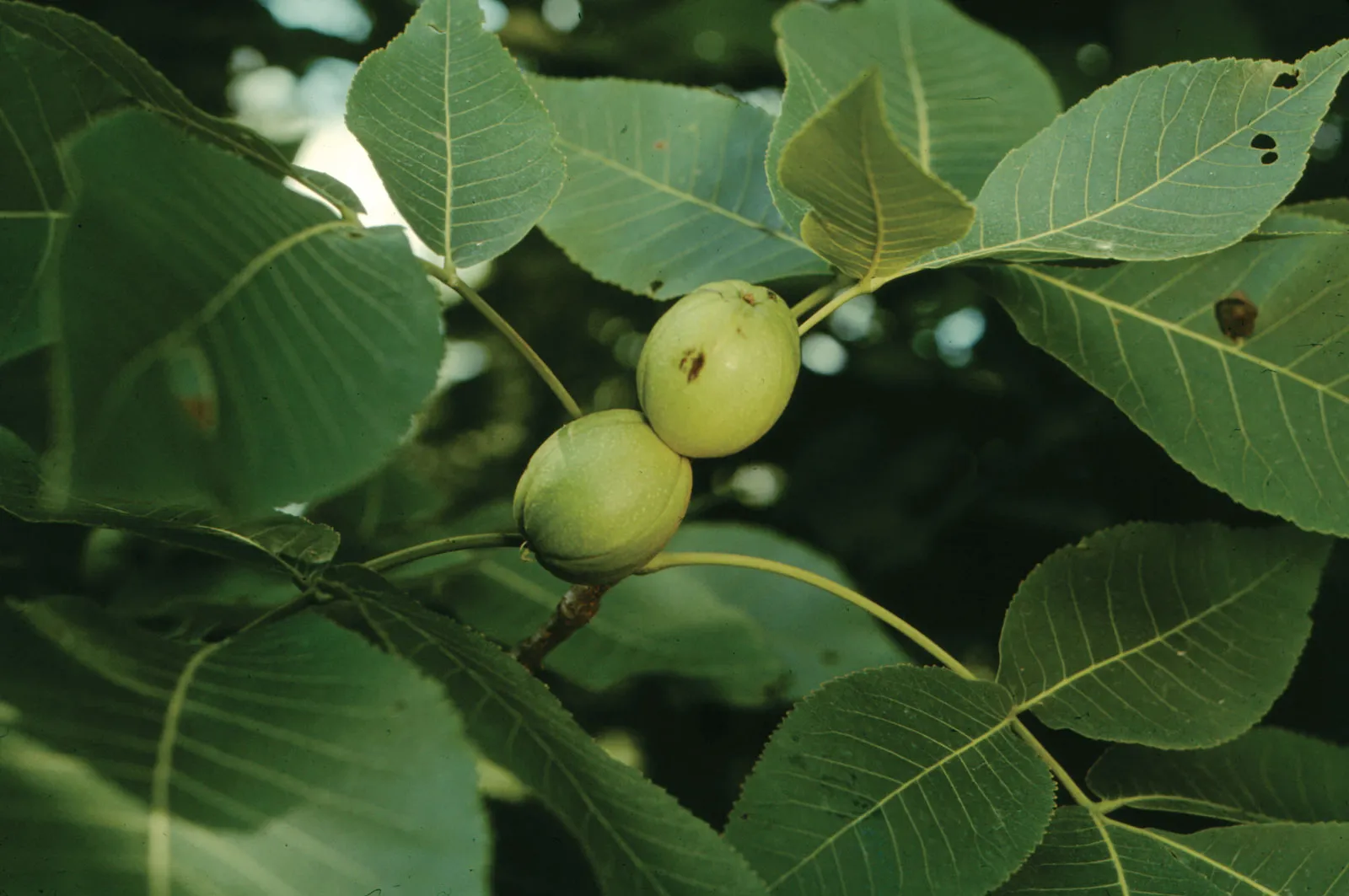
Kingnut Hickory (Carya laciniosa) – Seeds
Bring the strength and beauty of native woodlands to your landscape with Kingnut Hickory Seeds (Carya laciniosa). Also known as Shellbark Hickory, this stately tree produces the largest and sweetest hickory nuts of all species. Renowned for its durable hardwood and edible nuts, the Kingnut Hickory is a favorite among wildlife and homesteaders. These long-lived trees add ornamental value with golden fall foliage and a tall, elegant shape—ideal for large yards, farms, or naturalized areas.
Features
-
Native North American Tree: Adds ecological and ornamental value.
-
Produces Large, Sweet Nuts: Excellent for eating, roasting, or attracting wildlife.
-
Strong, Durable Hardwood: Ideal for timber, woodworking, and shade.
-
Long-Lived & Hardy: Can thrive for generations in suitable conditions.
-
Low Maintenance: Tolerant of diverse soil types and moderate drought.
Specifications
-
Botanical Name: Carya laciniosa
-
Common Name: Kingnut Hickory / Shellbark Hickory
-
Seed Type: Non-GMO, Hardy Tree Seeds
-
Growth Habit: Tall, deciduous hardwood tree
-
USDA Hardiness Zones: 5–9
-
Sun Exposure: Full sun to partial shade
-
Soil Type: Moist, well-drained loam or silty soil
-
Soil pH: 6.0–7.5 (slightly acidic to neutral)
-
Watering Needs: Moderate; prefers consistent moisture during growth
-
Germination Time: 30–90 days (requires cold stratification)
-
Maturity Period: 10–15 years to nut-bearing stage
-
Planting Season: Fall or early spring (after stratification)
-
Planting Depth: 1–2 inches (2.5–5 cm)
-
Spacing: 30–50 feet apart
-
Temperature for Germination: 35–75°F (1–24°C)
-
Tree Height: 60–100 feet at maturity
-
Pollination: Cross-pollinating (plant two or more trees for best results)
-
Harvest Season: Fall (nuts ripen September–October)
-
Uses: Edible nuts, timber, shade, and wildlife habitat
Planting Guide
-
Stratify hickory seeds by placing them in moist sand or peat and refrigerating for 90–120 days.
-
Sow seeds 1–2 inches deep in well-drained soil outdoors or in pots after the stratification period.
-
Keep soil moist and ensure the planting site receives full sunlight.
-
Protect young seedlings from squirrels and rodents.
-
Transplant seedlings to their permanent location once they are 1–2 years old.
-
Water regularly during early growth and mulch around the base to retain moisture.
-
Allow sufficient spacing for full canopy development.
Product Information
Product Information
Shipping & Returns
Shipping & Returns
Description
Bring the strength and beauty of native woodlands to your landscape with Kingnut Hickory Seeds (Carya laciniosa). Also known as Shellbark Hickory, this stately tree produces the largest and sweetest hickory nuts of all species. Renowned for its durable hardwood and edible nuts, the Kingnut Hickory is a favorite among wildlife and homesteaders. These long-lived trees add ornamental value with golden fall foliage and a tall, elegant shape—ideal for large yards, farms, or naturalized areas.
Features
-
Native North American Tree: Adds ecological and ornamental value.
-
Produces Large, Sweet Nuts: Excellent for eating, roasting, or attracting wildlife.
-
Strong, Durable Hardwood: Ideal for timber, woodworking, and shade.
-
Long-Lived & Hardy: Can thrive for generations in suitable conditions.
-
Low Maintenance: Tolerant of diverse soil types and moderate drought.
Specifications
-
Botanical Name: Carya laciniosa
-
Common Name: Kingnut Hickory / Shellbark Hickory
-
Seed Type: Non-GMO, Hardy Tree Seeds
-
Growth Habit: Tall, deciduous hardwood tree
-
USDA Hardiness Zones: 5–9
-
Sun Exposure: Full sun to partial shade
-
Soil Type: Moist, well-drained loam or silty soil
-
Soil pH: 6.0–7.5 (slightly acidic to neutral)
-
Watering Needs: Moderate; prefers consistent moisture during growth
-
Germination Time: 30–90 days (requires cold stratification)
-
Maturity Period: 10–15 years to nut-bearing stage
-
Planting Season: Fall or early spring (after stratification)
-
Planting Depth: 1–2 inches (2.5–5 cm)
-
Spacing: 30–50 feet apart
-
Temperature for Germination: 35–75°F (1–24°C)
-
Tree Height: 60–100 feet at maturity
-
Pollination: Cross-pollinating (plant two or more trees for best results)
-
Harvest Season: Fall (nuts ripen September–October)
-
Uses: Edible nuts, timber, shade, and wildlife habitat
Planting Guide
-
Stratify hickory seeds by placing them in moist sand or peat and refrigerating for 90–120 days.
-
Sow seeds 1–2 inches deep in well-drained soil outdoors or in pots after the stratification period.
-
Keep soil moist and ensure the planting site receives full sunlight.
-
Protect young seedlings from squirrels and rodents.
-
Transplant seedlings to their permanent location once they are 1–2 years old.
-
Water regularly during early growth and mulch around the base to retain moisture.
-
Allow sufficient spacing for full canopy development.