Juncus Rigidus Seeds for Gardening and Planting (100 pcs)
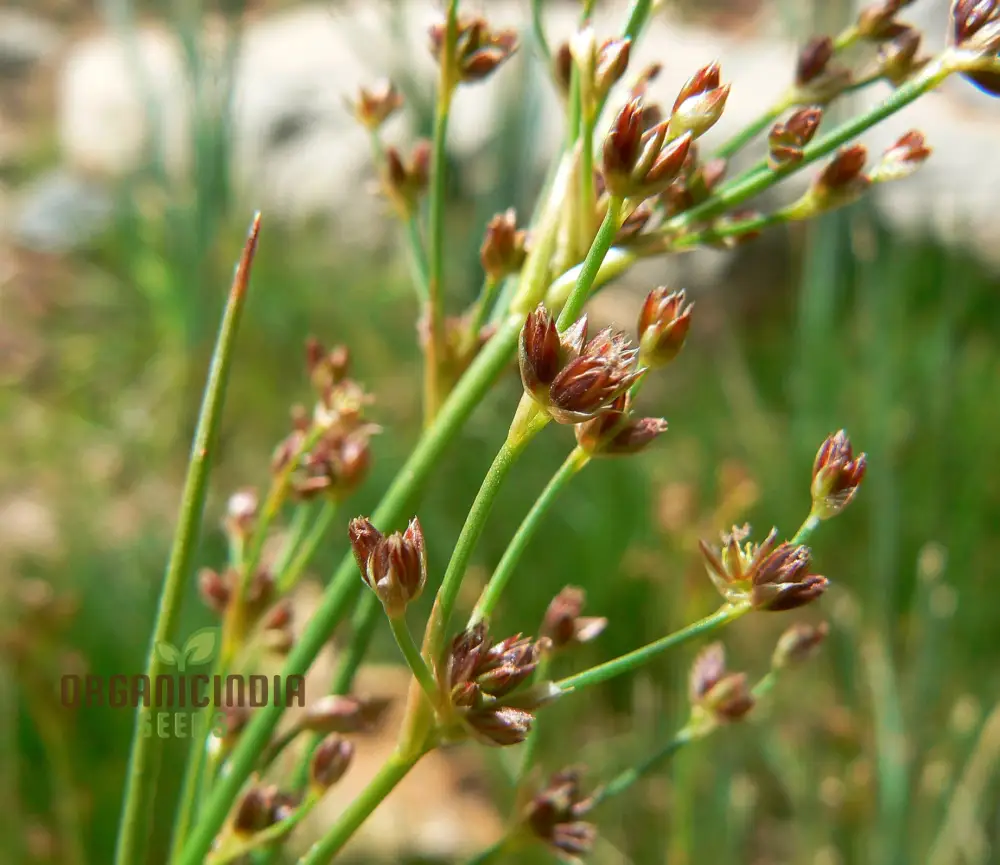
The Juncus Rigidus Seeds for Gardening and Planting (100 pcs) offer an exciting opportunity to grow a unique and versatile plant known for its architectural beauty. Commonly known as Rigid Rush or Juncus, this plant is a member of the Juncaceae family and is recognized for its stiff, upright stems that form attractive tufts. It’s an excellent addition to water gardens, boggy areas, or ornamental gardens due to its drought-tolerant nature and distinctive look.
Key Features:
- Common Name: Rigid Rush, Juncus Rigidus
- Scientific Name: Juncus Rigidus
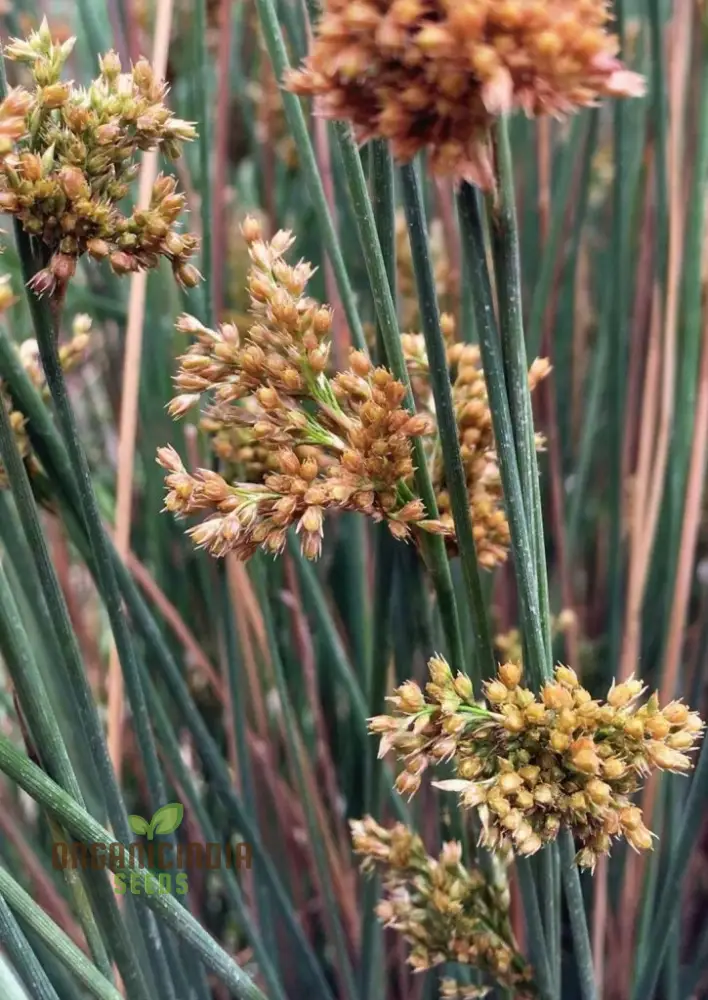
- Flower Color: Small, inconspicuous flowers that are typically greenish or brownish in color, often appearing on tall spikes.
- Plant Type: Perennial
- Height: Can grow 18-36 inches tall, depending on the growing conditions.
- Spread: Typically spreads to around 12-18 inches wide.
- Sunlight: Full sun to partial shade
- Watering: Prefers moist to wet conditions, can tolerate some dry periods once established.
- Soil Type: Tolerates a variety of soil types, but thrives in well-draining, slightly acidic to neutral soils.
- Hardiness Zones: USDA Zones 4-9
Why Grow Juncus Rigidus (Rigid Rush)?
- Architectural Appeal: The upright, rigid stems of this plant add vertical interest to gardens and landscapes, creating a striking contrast when paired with other plants.
- Versatile Growing Conditions: Juncus Rigidus is adaptable and can grow in a variety of environments, including water gardens, bogs, or areas with moist, well-drained soil.
- Low Maintenance: Once established, Rigid Rush is relatively low-maintenance, requiring minimal care while still providing a visually appealing display.
- Attracts Wildlife: This plant can attract pollinators, such as bees and butterflies, and provides cover for small wildlife in garden spaces.
- Drought Tolerant: While it prefers moist soil, Juncus Rigidus is somewhat drought-tolerant once it is fully established, making it ideal for low-water gardens.
Planting & Care Instructions:
-
Seed Preparation & Sowing:
- Starting Indoors: To start seeds indoors, sow them in seed-starting trays or containers filled with moist, well-draining seed-starting mix. Lightly press the seeds into the soil and do not cover them, as they need light to germinate.
- Direct Sowing Outdoors: After the last frost, you can sow seeds directly into the ground in areas with full sun or partial shade. Ensure that the soil is moist and well-draining.
-
Germination: Keep the soil consistently moist but not waterlogged. Maintain temperatures of around 65-75°F (18-24°C) for optimal germination. Germination may take 14-21 days.
-
Transplanting: Once seedlings have grown large enough to handle and are established with strong root systems, transplant them into their permanent garden locations, ensuring they have sufficient space (12-18 inches apart) to grow.
Maintenance:
- Watering: Juncus Rigidus prefers consistently moist soil, especially during the growing season. However, once established, the plant can tolerate some drier conditions. If growing in water, ensure the plant’s roots are submerged or that the soil remains constantly wet.
- Soil: While Juncus Rigidus can tolerate a range of soils, it thrives best in moist, slightly acidic to neutral, well-draining soils.
- Fertilization: Fertilize the plant lightly with a balanced, water-soluble fertilizer in spring to encourage healthy growth, especially in garden or container settings.
- Pruning: Prune back any dead or damaged stems to keep the plant looking tidy and to promote new growth. Remove any spent flower stalks after blooming.
Winter Care:
- Cold Climates: Juncus Rigidus is hardy in USDA Zones 4-9. In colder climates, it will die back in the winter but typically returns in spring from its roots. If grown in containers, move the pots to a protected area during winter to prevent freeze damage.
- Mild Climates: In milder climates, Juncus Rigidus can be grown year-round outdoors. If it begins to grow too large, divide it every few years to maintain its health and prevent overcrowding.
Ideal For:
- Water Gardens & Bog Areas: Juncus Rigidus thrives in wet, marshy environments, making it perfect for water gardens, bog gardens, or pond edges.
- Ornamental Gardens: Its upright, architectural stems create a striking effect when planted in ornamental gardens. It also pairs well with grasses, sedges, and other water-loving plants.
- Wildlife Gardens: This plant attracts bees, butterflies, and other pollinators, and its dense clumps can provide cover for small animals in garden landscapes.
- Drought-Tolerant Gardens: While preferring moist soil, Juncus Rigidus is drought-tolerant once established and works well in low-water or xeriscape gardens.
- Container Planting: It is also suitable for container planting in patios or porches, as long as the container has good drainage and the plant receives plenty of sunlight.
Summary:
The Juncus Rigidus (Rigid Rush) is a unique, low-maintenance plant with architectural value, perfect for gardens, ponds, and water features. Whether you're looking to enhance your garden with vertical interest, create a tranquil water garden, or attract pollinators, this hardy perennial is a versatile and attractive addition to any landscape. The 100 pcs of Juncus Rigidus seeds provide an opportunity to cultivate a stunning and resilient plant that thrives in moist environments while adding beauty and texture to your outdoor spaces.
More Images
Juncus Rigidus Seeds for Gardening and Planting (100 pcs)
The Juncus Rigidus Seeds for Gardening and Planting (100 pcs) offer an exciting opportunity to grow a unique and versatile plant known for its architectural beauty. Commonly known as Rigid Rush or Juncus, this plant is a member of the Juncaceae family and is recognized for its stiff, upright stems that form attractive tufts. It’s an excellent addition to water gardens, boggy areas, or ornamental gardens due to its drought-tolerant nature and distinctive look.
Key Features:
- Common Name: Rigid Rush, Juncus Rigidus
- Scientific Name: Juncus Rigidus
- Flower Color: Small, inconspicuous flowers that are typically greenish or brownish in color, often appearing on tall spikes.
- Plant Type: Perennial
- Height: Can grow 18-36 inches tall, depending on the growing conditions.
- Spread: Typically spreads to around 12-18 inches wide.
- Sunlight: Full sun to partial shade
- Watering: Prefers moist to wet conditions, can tolerate some dry periods once established.
- Soil Type: Tolerates a variety of soil types, but thrives in well-draining, slightly acidic to neutral soils.
- Hardiness Zones: USDA Zones 4-9
Why Grow Juncus Rigidus (Rigid Rush)?
- Architectural Appeal: The upright, rigid stems of this plant add vertical interest to gardens and landscapes, creating a striking contrast when paired with other plants.
- Versatile Growing Conditions: Juncus Rigidus is adaptable and can grow in a variety of environments, including water gardens, bogs, or areas with moist, well-drained soil.
- Low Maintenance: Once established, Rigid Rush is relatively low-maintenance, requiring minimal care while still providing a visually appealing display.
- Attracts Wildlife: This plant can attract pollinators, such as bees and butterflies, and provides cover for small wildlife in garden spaces.
- Drought Tolerant: While it prefers moist soil, Juncus Rigidus is somewhat drought-tolerant once it is fully established, making it ideal for low-water gardens.
Planting & Care Instructions:
-
Seed Preparation & Sowing:
- Starting Indoors: To start seeds indoors, sow them in seed-starting trays or containers filled with moist, well-draining seed-starting mix. Lightly press the seeds into the soil and do not cover them, as they need light to germinate.
- Direct Sowing Outdoors: After the last frost, you can sow seeds directly into the ground in areas with full sun or partial shade. Ensure that the soil is moist and well-draining.
-
Germination: Keep the soil consistently moist but not waterlogged. Maintain temperatures of around 65-75°F (18-24°C) for optimal germination. Germination may take 14-21 days.
-
Transplanting: Once seedlings have grown large enough to handle and are established with strong root systems, transplant them into their permanent garden locations, ensuring they have sufficient space (12-18 inches apart) to grow.
Maintenance:
- Watering: Juncus Rigidus prefers consistently moist soil, especially during the growing season. However, once established, the plant can tolerate some drier conditions. If growing in water, ensure the plant’s roots are submerged or that the soil remains constantly wet.
- Soil: While Juncus Rigidus can tolerate a range of soils, it thrives best in moist, slightly acidic to neutral, well-draining soils.
- Fertilization: Fertilize the plant lightly with a balanced, water-soluble fertilizer in spring to encourage healthy growth, especially in garden or container settings.
- Pruning: Prune back any dead or damaged stems to keep the plant looking tidy and to promote new growth. Remove any spent flower stalks after blooming.
Winter Care:
- Cold Climates: Juncus Rigidus is hardy in USDA Zones 4-9. In colder climates, it will die back in the winter but typically returns in spring from its roots. If grown in containers, move the pots to a protected area during winter to prevent freeze damage.
- Mild Climates: In milder climates, Juncus Rigidus can be grown year-round outdoors. If it begins to grow too large, divide it every few years to maintain its health and prevent overcrowding.
Ideal For:
- Water Gardens & Bog Areas: Juncus Rigidus thrives in wet, marshy environments, making it perfect for water gardens, bog gardens, or pond edges.
- Ornamental Gardens: Its upright, architectural stems create a striking effect when planted in ornamental gardens. It also pairs well with grasses, sedges, and other water-loving plants.
- Wildlife Gardens: This plant attracts bees, butterflies, and other pollinators, and its dense clumps can provide cover for small animals in garden landscapes.
- Drought-Tolerant Gardens: While preferring moist soil, Juncus Rigidus is drought-tolerant once established and works well in low-water or xeriscape gardens.
- Container Planting: It is also suitable for container planting in patios or porches, as long as the container has good drainage and the plant receives plenty of sunlight.
Summary:
The Juncus Rigidus (Rigid Rush) is a unique, low-maintenance plant with architectural value, perfect for gardens, ponds, and water features. Whether you're looking to enhance your garden with vertical interest, create a tranquil water garden, or attract pollinators, this hardy perennial is a versatile and attractive addition to any landscape. The 100 pcs of Juncus Rigidus seeds provide an opportunity to cultivate a stunning and resilient plant that thrives in moist environments while adding beauty and texture to your outdoor spaces.
Product Information
Product Information
Shipping & Returns
Shipping & Returns
Description
The Juncus Rigidus Seeds for Gardening and Planting (100 pcs) offer an exciting opportunity to grow a unique and versatile plant known for its architectural beauty. Commonly known as Rigid Rush or Juncus, this plant is a member of the Juncaceae family and is recognized for its stiff, upright stems that form attractive tufts. It’s an excellent addition to water gardens, boggy areas, or ornamental gardens due to its drought-tolerant nature and distinctive look.
Key Features:
- Common Name: Rigid Rush, Juncus Rigidus
- Scientific Name: Juncus Rigidus
- Flower Color: Small, inconspicuous flowers that are typically greenish or brownish in color, often appearing on tall spikes.
- Plant Type: Perennial
- Height: Can grow 18-36 inches tall, depending on the growing conditions.
- Spread: Typically spreads to around 12-18 inches wide.
- Sunlight: Full sun to partial shade
- Watering: Prefers moist to wet conditions, can tolerate some dry periods once established.
- Soil Type: Tolerates a variety of soil types, but thrives in well-draining, slightly acidic to neutral soils.
- Hardiness Zones: USDA Zones 4-9
Why Grow Juncus Rigidus (Rigid Rush)?
- Architectural Appeal: The upright, rigid stems of this plant add vertical interest to gardens and landscapes, creating a striking contrast when paired with other plants.
- Versatile Growing Conditions: Juncus Rigidus is adaptable and can grow in a variety of environments, including water gardens, bogs, or areas with moist, well-drained soil.
- Low Maintenance: Once established, Rigid Rush is relatively low-maintenance, requiring minimal care while still providing a visually appealing display.
- Attracts Wildlife: This plant can attract pollinators, such as bees and butterflies, and provides cover for small wildlife in garden spaces.
- Drought Tolerant: While it prefers moist soil, Juncus Rigidus is somewhat drought-tolerant once it is fully established, making it ideal for low-water gardens.
Planting & Care Instructions:
-
Seed Preparation & Sowing:
- Starting Indoors: To start seeds indoors, sow them in seed-starting trays or containers filled with moist, well-draining seed-starting mix. Lightly press the seeds into the soil and do not cover them, as they need light to germinate.
- Direct Sowing Outdoors: After the last frost, you can sow seeds directly into the ground in areas with full sun or partial shade. Ensure that the soil is moist and well-draining.
-
Germination: Keep the soil consistently moist but not waterlogged. Maintain temperatures of around 65-75°F (18-24°C) for optimal germination. Germination may take 14-21 days.
-
Transplanting: Once seedlings have grown large enough to handle and are established with strong root systems, transplant them into their permanent garden locations, ensuring they have sufficient space (12-18 inches apart) to grow.
Maintenance:
- Watering: Juncus Rigidus prefers consistently moist soil, especially during the growing season. However, once established, the plant can tolerate some drier conditions. If growing in water, ensure the plant’s roots are submerged or that the soil remains constantly wet.
- Soil: While Juncus Rigidus can tolerate a range of soils, it thrives best in moist, slightly acidic to neutral, well-draining soils.
- Fertilization: Fertilize the plant lightly with a balanced, water-soluble fertilizer in spring to encourage healthy growth, especially in garden or container settings.
- Pruning: Prune back any dead or damaged stems to keep the plant looking tidy and to promote new growth. Remove any spent flower stalks after blooming.
Winter Care:
- Cold Climates: Juncus Rigidus is hardy in USDA Zones 4-9. In colder climates, it will die back in the winter but typically returns in spring from its roots. If grown in containers, move the pots to a protected area during winter to prevent freeze damage.
- Mild Climates: In milder climates, Juncus Rigidus can be grown year-round outdoors. If it begins to grow too large, divide it every few years to maintain its health and prevent overcrowding.
Ideal For:
- Water Gardens & Bog Areas: Juncus Rigidus thrives in wet, marshy environments, making it perfect for water gardens, bog gardens, or pond edges.
- Ornamental Gardens: Its upright, architectural stems create a striking effect when planted in ornamental gardens. It also pairs well with grasses, sedges, and other water-loving plants.
- Wildlife Gardens: This plant attracts bees, butterflies, and other pollinators, and its dense clumps can provide cover for small animals in garden landscapes.
- Drought-Tolerant Gardens: While preferring moist soil, Juncus Rigidus is drought-tolerant once established and works well in low-water or xeriscape gardens.
- Container Planting: It is also suitable for container planting in patios or porches, as long as the container has good drainage and the plant receives plenty of sunlight.
Summary:
The Juncus Rigidus (Rigid Rush) is a unique, low-maintenance plant with architectural value, perfect for gardens, ponds, and water features. Whether you're looking to enhance your garden with vertical interest, create a tranquil water garden, or attract pollinators, this hardy perennial is a versatile and attractive addition to any landscape. The 100 pcs of Juncus Rigidus seeds provide an opportunity to cultivate a stunning and resilient plant that thrives in moist environments while adding beauty and texture to your outdoor spaces.