Japanese Mountain Cherry (Prunus serrulata spontanea) – Hill Cherry Tree Seeds with Pink & White Flowers and Red Fruit
Japanese Mountain Cherry (Prunus serrulata spontanea) – Hill Cherry Tree Seeds with Pink & White Flowers and Red Fruit
Key Features:
-
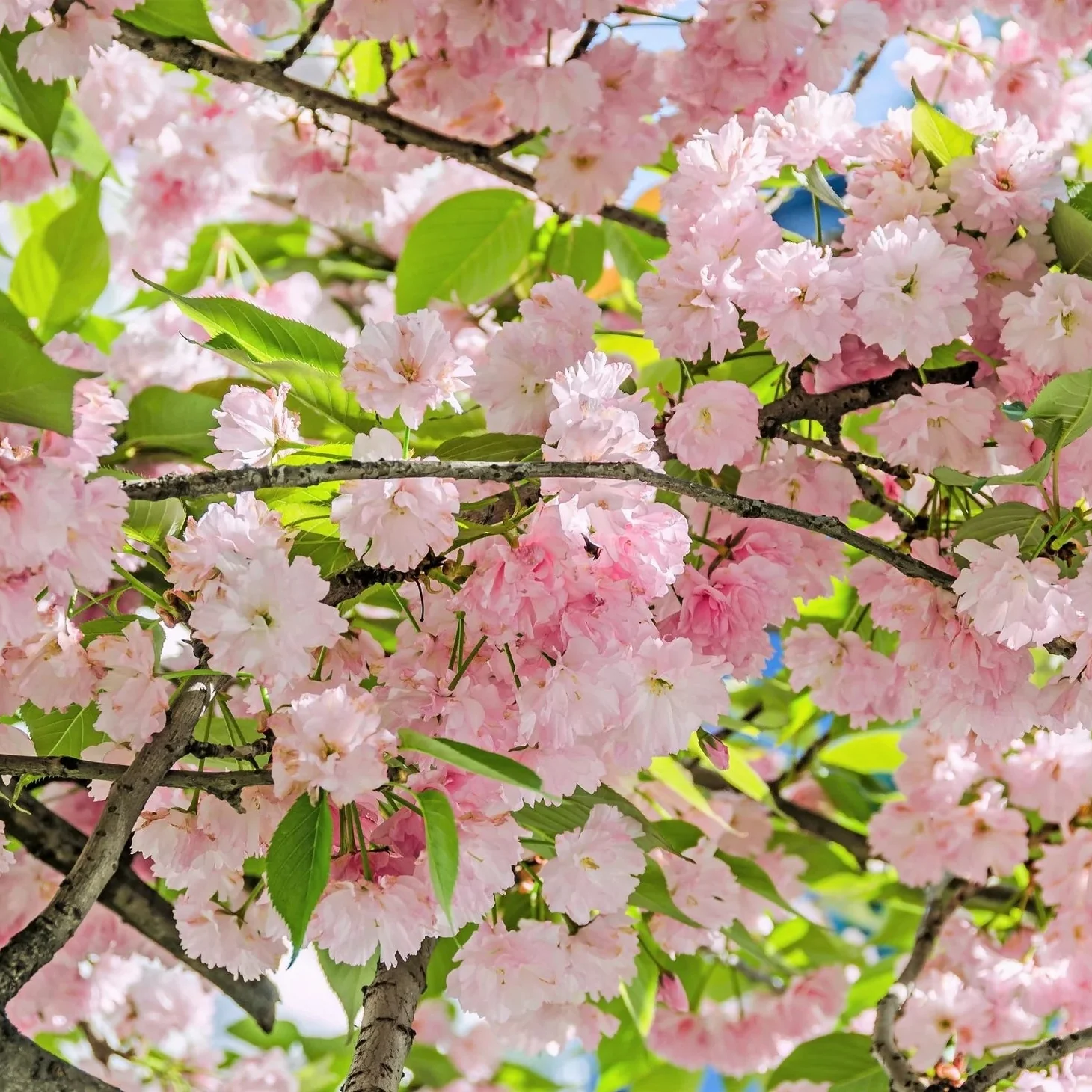
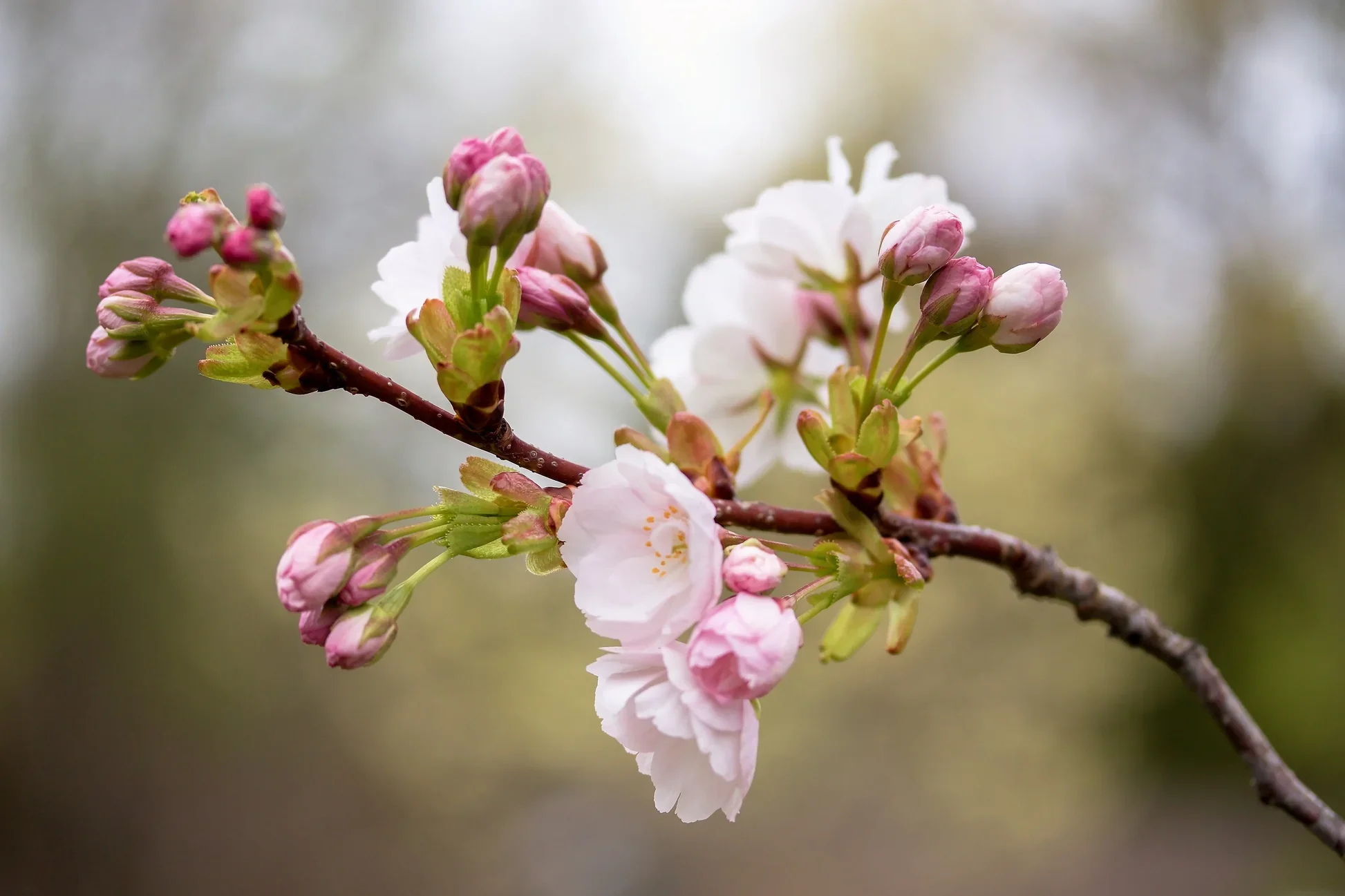
Stunning Blossoms: Produces delicate pink and white cherry flowers in early spring.
-
Red Fruiting Variety: Bears small red cherries that attract birds and pollinators.
-
Authentic Japanese Variety: Native hill cherry species from Japan, celebrated for its natural beauty and resilience.
-
Non-GMO & Heirloom Quality: Naturally grown, untreated seeds perfect for ornamental and ecological planting.
-
Hardy & Adaptable: Thrives in a range of climates and soil types.
-
Ideal for Landscaping: Perfect for gardens, parks, and decorative plantings with seasonal color display.
Specifications:
-
Scientific Name: Prunus serrulata spontanea
-
Common Name (US): Japanese Mountain Cherry / Hill Cherry Tree
-
Plant Type: Deciduous Ornamental Tree
-
Growth Height: 15–30 feet (4.5–9 m)
-
USDA Hardiness Zones: 5–8
-
Sun Exposure: Full Sun
-
Soil Type: Well-drained loamy or sandy soil
-
Soil pH: Slightly acidic to neutral (6.0–7.0)
-
Water Requirements: Moderate; prefers moist but not waterlogged soil
-
Bloom Season: Early to Mid-Spring
-
Fruit Season: Summer (small, bright red cherries)
-
Seed Type: Non-GMO, Heirloom Quality
-
Temperature for Germination: 65–75°F (18–24°C)
-
Germination Time: 60–90 days (requires cold stratification)
-
Planting Depth: ¼ inch (6 mm)
-
Spacing: 10–15 feet apart
-
Pollination: Self-fertile but improved with cross-pollination
-
Lifespan: Long-lived ornamental tree
-
Uses: Ornamental, bonsai cultivation, wildlife attraction, landscaping
Planting Guide:
-
Seed Preparation: Cold stratify seeds for 8–12 weeks in moist sand at 35–40°F (2–4°C).
-
Sowing: After stratification, sow seeds ¼ inch deep in well-drained potting soil.
-
Temperature: Maintain warmth (65–75°F) for germination.
-
Light: Provide full sunlight for vigorous growth.
-
Transplanting: Move seedlings outdoors once they reach 4–6 inches tall.
-
Watering: Keep soil evenly moist during early growth; reduce watering once established.
-
Fertilization: Apply balanced organic fertilizer in spring before blooming.
-
Pruning: Prune lightly after flowering to shape the tree and encourage airflow.
Original: $16.99
-65%$16.99
$5.95More Images
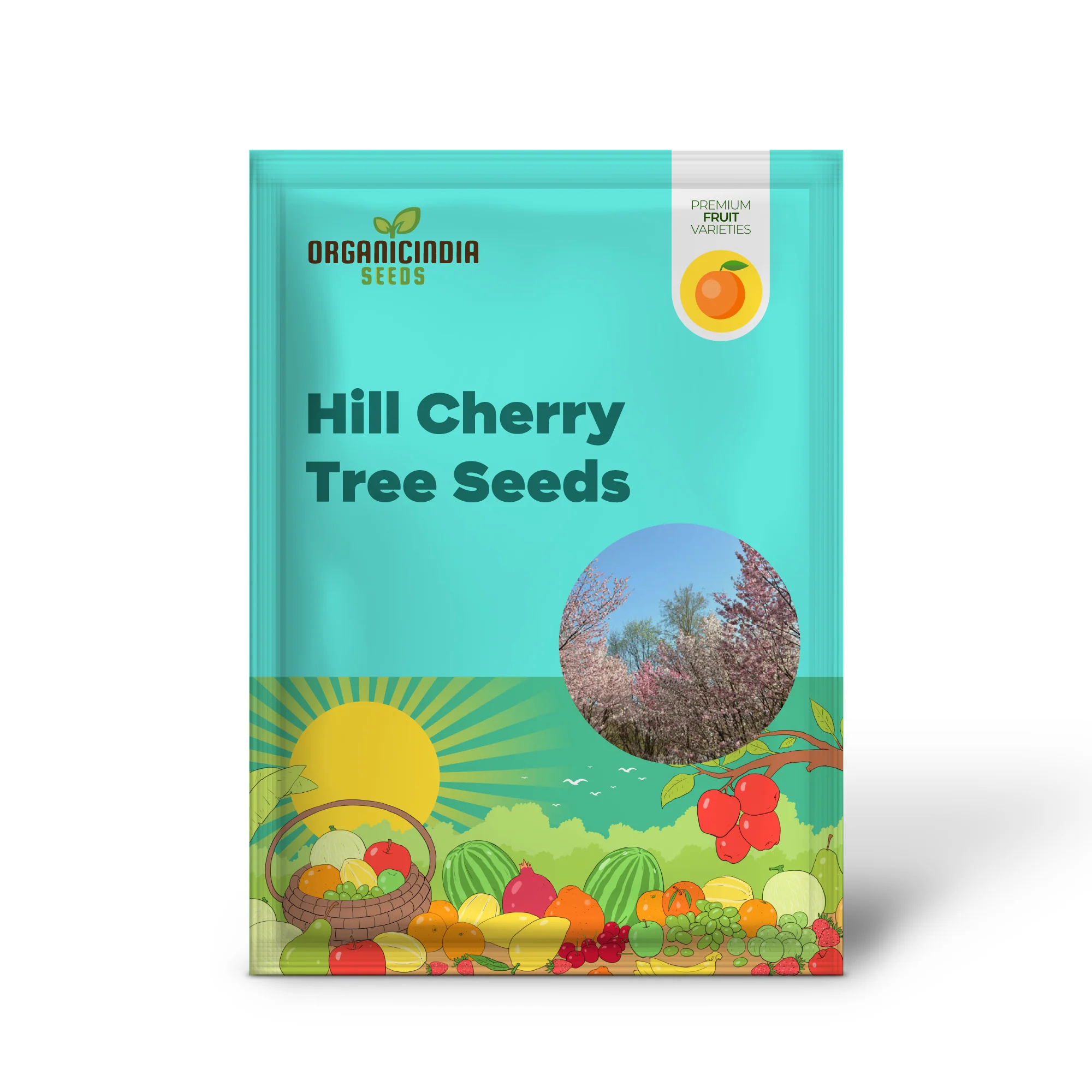

Japanese Mountain Cherry (Prunus serrulata spontanea) – Hill Cherry Tree Seeds with Pink & White Flowers and Red Fruit
Key Features:
-
Stunning Blossoms: Produces delicate pink and white cherry flowers in early spring.
-
Red Fruiting Variety: Bears small red cherries that attract birds and pollinators.
-
Authentic Japanese Variety: Native hill cherry species from Japan, celebrated for its natural beauty and resilience.
-
Non-GMO & Heirloom Quality: Naturally grown, untreated seeds perfect for ornamental and ecological planting.
-
Hardy & Adaptable: Thrives in a range of climates and soil types.
-
Ideal for Landscaping: Perfect for gardens, parks, and decorative plantings with seasonal color display.
Specifications:
-
Scientific Name: Prunus serrulata spontanea
-
Common Name (US): Japanese Mountain Cherry / Hill Cherry Tree
-
Plant Type: Deciduous Ornamental Tree
-
Growth Height: 15–30 feet (4.5–9 m)
-
USDA Hardiness Zones: 5–8
-
Sun Exposure: Full Sun
-
Soil Type: Well-drained loamy or sandy soil
-
Soil pH: Slightly acidic to neutral (6.0–7.0)
-
Water Requirements: Moderate; prefers moist but not waterlogged soil
-
Bloom Season: Early to Mid-Spring
-
Fruit Season: Summer (small, bright red cherries)
-
Seed Type: Non-GMO, Heirloom Quality
-
Temperature for Germination: 65–75°F (18–24°C)
-
Germination Time: 60–90 days (requires cold stratification)
-
Planting Depth: ¼ inch (6 mm)
-
Spacing: 10–15 feet apart
-
Pollination: Self-fertile but improved with cross-pollination
-
Lifespan: Long-lived ornamental tree
-
Uses: Ornamental, bonsai cultivation, wildlife attraction, landscaping
Planting Guide:
-
Seed Preparation: Cold stratify seeds for 8–12 weeks in moist sand at 35–40°F (2–4°C).
-
Sowing: After stratification, sow seeds ¼ inch deep in well-drained potting soil.
-
Temperature: Maintain warmth (65–75°F) for germination.
-
Light: Provide full sunlight for vigorous growth.
-
Transplanting: Move seedlings outdoors once they reach 4–6 inches tall.
-
Watering: Keep soil evenly moist during early growth; reduce watering once established.
-
Fertilization: Apply balanced organic fertilizer in spring before blooming.
-
Pruning: Prune lightly after flowering to shape the tree and encourage airflow.
Product Information
Product Information
Shipping & Returns
Shipping & Returns
Description
Key Features:
-
Stunning Blossoms: Produces delicate pink and white cherry flowers in early spring.
-
Red Fruiting Variety: Bears small red cherries that attract birds and pollinators.
-
Authentic Japanese Variety: Native hill cherry species from Japan, celebrated for its natural beauty and resilience.
-
Non-GMO & Heirloom Quality: Naturally grown, untreated seeds perfect for ornamental and ecological planting.
-
Hardy & Adaptable: Thrives in a range of climates and soil types.
-
Ideal for Landscaping: Perfect for gardens, parks, and decorative plantings with seasonal color display.
Specifications:
-
Scientific Name: Prunus serrulata spontanea
-
Common Name (US): Japanese Mountain Cherry / Hill Cherry Tree
-
Plant Type: Deciduous Ornamental Tree
-
Growth Height: 15–30 feet (4.5–9 m)
-
USDA Hardiness Zones: 5–8
-
Sun Exposure: Full Sun
-
Soil Type: Well-drained loamy or sandy soil
-
Soil pH: Slightly acidic to neutral (6.0–7.0)
-
Water Requirements: Moderate; prefers moist but not waterlogged soil
-
Bloom Season: Early to Mid-Spring
-
Fruit Season: Summer (small, bright red cherries)
-
Seed Type: Non-GMO, Heirloom Quality
-
Temperature for Germination: 65–75°F (18–24°C)
-
Germination Time: 60–90 days (requires cold stratification)
-
Planting Depth: ¼ inch (6 mm)
-
Spacing: 10–15 feet apart
-
Pollination: Self-fertile but improved with cross-pollination
-
Lifespan: Long-lived ornamental tree
-
Uses: Ornamental, bonsai cultivation, wildlife attraction, landscaping
Planting Guide:
-
Seed Preparation: Cold stratify seeds for 8–12 weeks in moist sand at 35–40°F (2–4°C).
-
Sowing: After stratification, sow seeds ¼ inch deep in well-drained potting soil.
-
Temperature: Maintain warmth (65–75°F) for germination.
-
Light: Provide full sunlight for vigorous growth.
-
Transplanting: Move seedlings outdoors once they reach 4–6 inches tall.
-
Watering: Keep soil evenly moist during early growth; reduce watering once established.
-
Fertilization: Apply balanced organic fertilizer in spring before blooming.
-
Pruning: Prune lightly after flowering to shape the tree and encourage airflow.