Indian Plum Oregon Plum Oso Berry Fruit Shrub Seeds
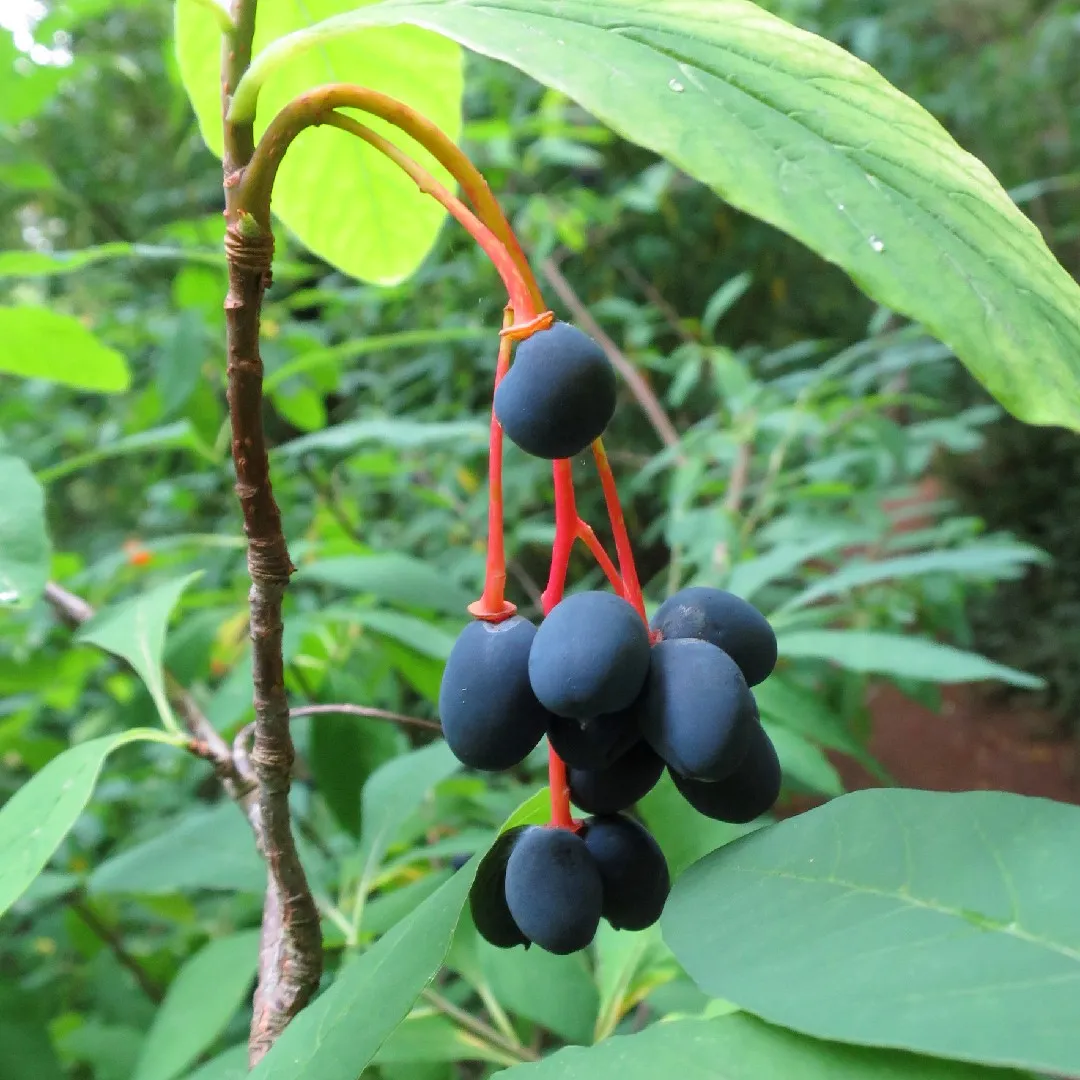
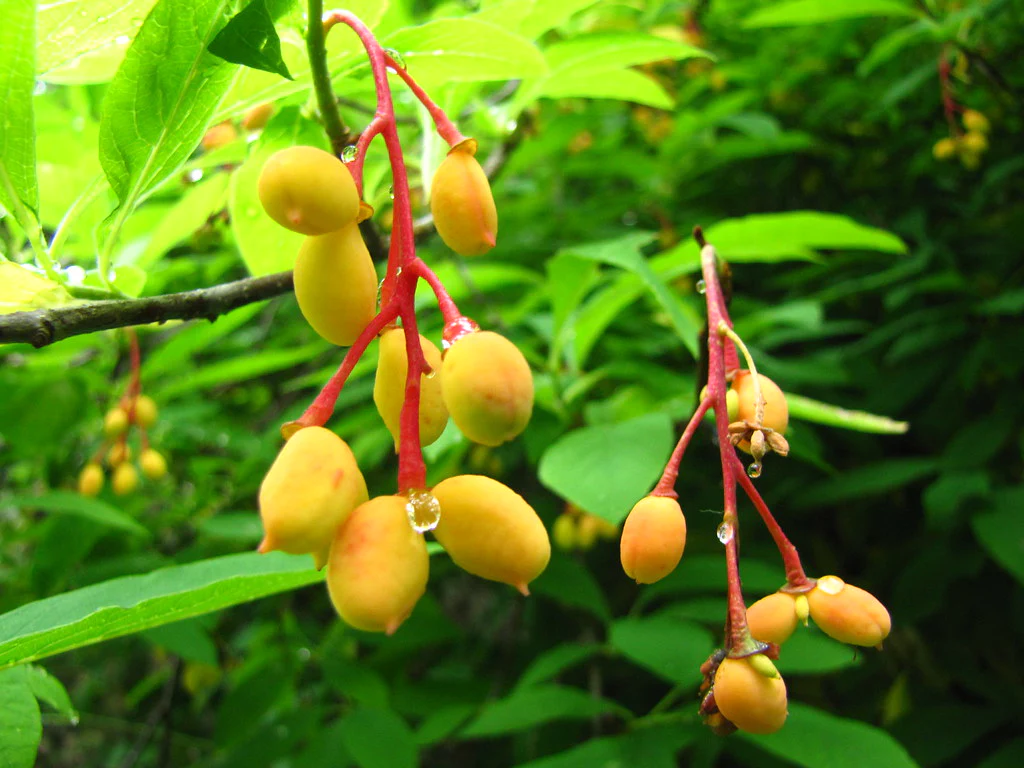
Bring native beauty to your landscape with Indian Plum (Oemleria cerasiformis), also known as Oso Berry or Oregon Plum. This fast-growing deciduous shrub is one of the first plants to bloom in early spring, producing clusters of white flowers followed by small, plum-like fruits loved by birds and pollinators. Ideal for natural gardens, wildlife habitats, and eco-friendly landscaping, these non-GMO seeds are hardy, easy to germinate, and thrive in a variety of soils.
Key Features
-
Native North American Shrub: Adapted to temperate regions for reliable growth.
-
Beautiful Early Blooms: Produces white flowers in early spring before leaves appear.
-
Wildlife Friendly: Berries attract birds, bees, and butterflies.
-
Edible Fruits: Small, plum-like fruits suitable for naturalistic gardens.
-
Low Maintenance: Grows easily in moist, well-drained soils.
-
Non-GMO & Open-Pollinated: Naturally cultivated, untreated seeds.
Specifications
-
Scientific Name: Oemleria cerasiformis
-
Common Names: Indian Plum, Oso Berry, Oregon Plum
-
Seed Type: Non-GMO, Open-Pollinated
-
Plant Type: Deciduous Shrub
-
Growth Habit: Upright and bushy
-
Height: 6–15 feet tall
-
Spread: 4–10 feet wide
-
Flower Color: White or pale greenish-white
-
Fruit Type: Small blue-purple drupe (plum-like berry)
-
Bloom Season: Early Spring (February–April)
-
Growing Season: Spring to Summer
-
USDA Hardiness Zones: 6–9
-
Light Requirement: Full Sun to Partial Shade
-
Soil Type: Moist, well-drained loamy or sandy soil
-
Soil pH: 6.0–7.5
-
Watering Needs: Moderate; prefers consistent moisture
-
Temperature Range: 50°F–80°F (10°C–27°C)
-
Days to Germination: 30–60 days (cold stratification recommended)
-
Pollination: Cross-pollinated (dioecious – male & female plants needed for fruit)
-
Organic Status: Non-GMO, Open-Pollinated
-
Wildlife Benefit: Supports bees, birds, and butterflies
-
Lifespan: Long-lived perennial shrub
Planting Guide
-
Seed Stratification: For better germination, cold stratify seeds for 60–90 days in moist sand inside a refrigerator.
-
Sowing: After stratification, sow seeds ¼ inch deep in pots or directly outdoors in early spring.
-
Light Requirement: Choose a sunny to partly shaded area.
-
Watering: Keep soil evenly moist but not waterlogged.
-
Spacing: Space plants 3–5 feet apart for best air circulation.
-
Transplanting: Move seedlings once they are 3–5 inches tall.
-
Care: Mulch around the base to retain soil moisture and reduce weeds.
-
Maintenance: Prune lightly after flowering to shape the shrub.
Original: $16.99
-65%$16.99
$5.95More Images
Indian Plum Oregon Plum Oso Berry Fruit Shrub Seeds
Bring native beauty to your landscape with Indian Plum (Oemleria cerasiformis), also known as Oso Berry or Oregon Plum. This fast-growing deciduous shrub is one of the first plants to bloom in early spring, producing clusters of white flowers followed by small, plum-like fruits loved by birds and pollinators. Ideal for natural gardens, wildlife habitats, and eco-friendly landscaping, these non-GMO seeds are hardy, easy to germinate, and thrive in a variety of soils.
Key Features
-
Native North American Shrub: Adapted to temperate regions for reliable growth.
-
Beautiful Early Blooms: Produces white flowers in early spring before leaves appear.
-
Wildlife Friendly: Berries attract birds, bees, and butterflies.
-
Edible Fruits: Small, plum-like fruits suitable for naturalistic gardens.
-
Low Maintenance: Grows easily in moist, well-drained soils.
-
Non-GMO & Open-Pollinated: Naturally cultivated, untreated seeds.
Specifications
-
Scientific Name: Oemleria cerasiformis
-
Common Names: Indian Plum, Oso Berry, Oregon Plum
-
Seed Type: Non-GMO, Open-Pollinated
-
Plant Type: Deciduous Shrub
-
Growth Habit: Upright and bushy
-
Height: 6–15 feet tall
-
Spread: 4–10 feet wide
-
Flower Color: White or pale greenish-white
-
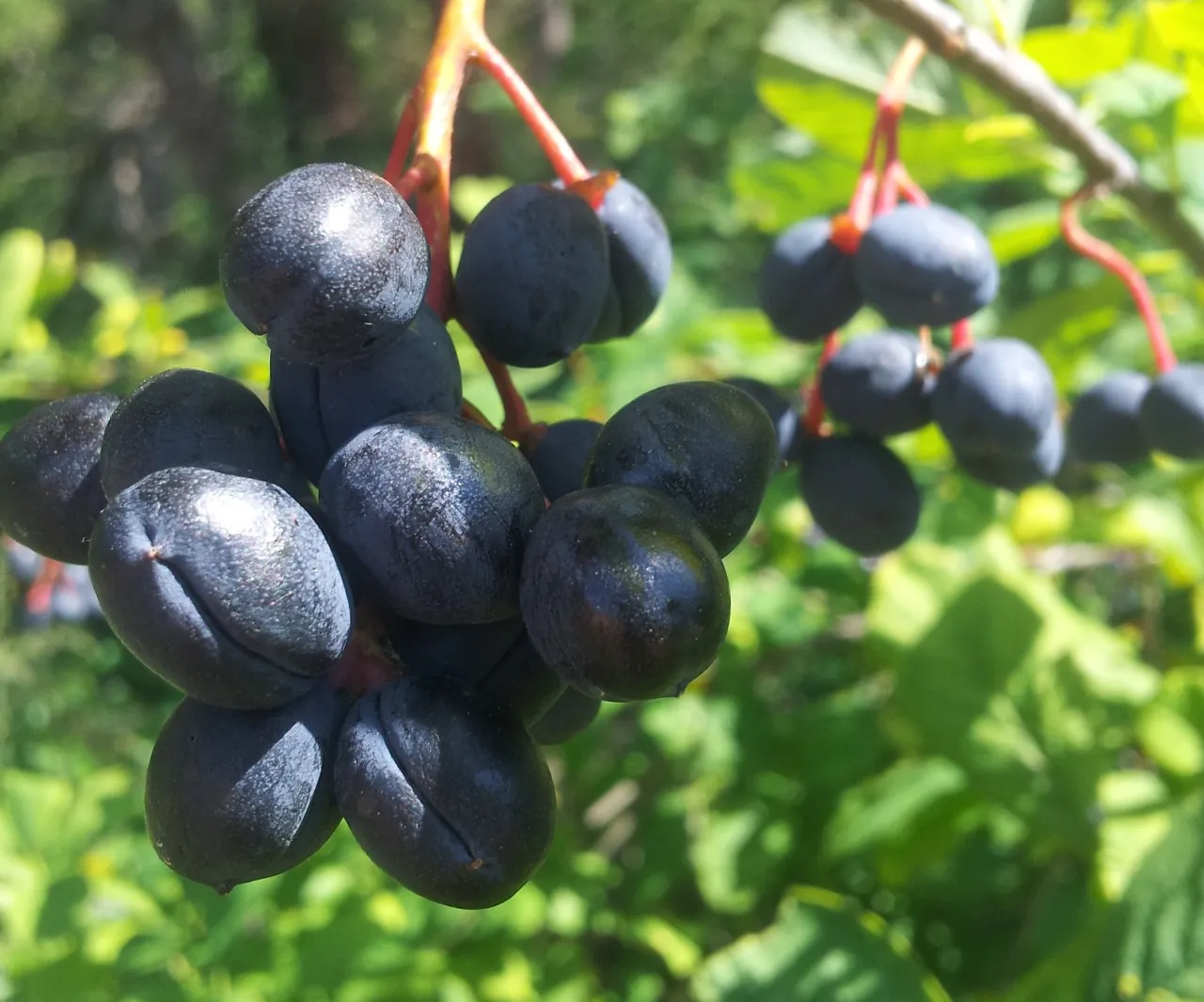
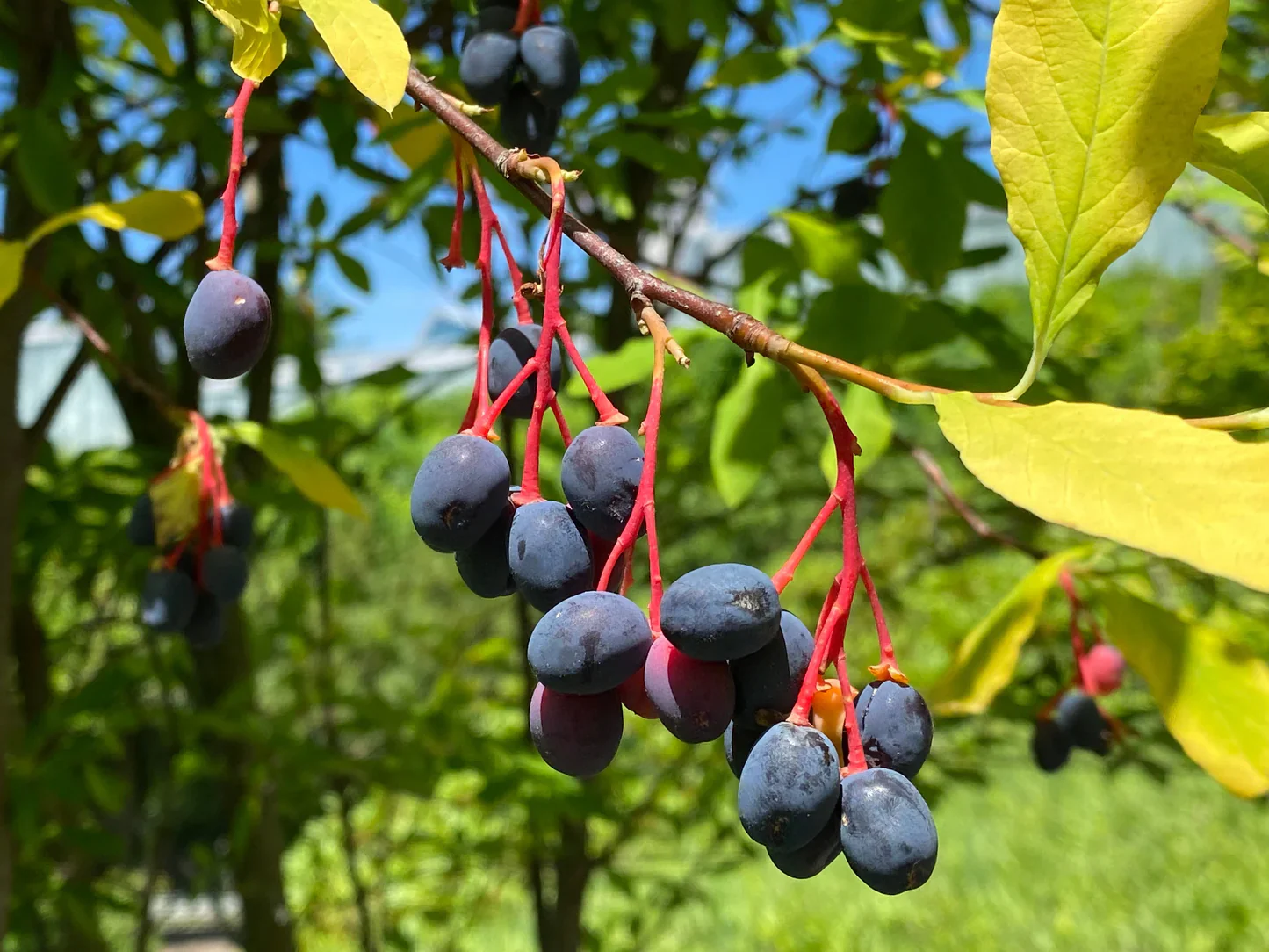
Fruit Type: Small blue-purple drupe (plum-like berry)
-
Bloom Season: Early Spring (February–April)
-
Growing Season: Spring to Summer
-
USDA Hardiness Zones: 6–9
-
Light Requirement: Full Sun to Partial Shade
-
Soil Type: Moist, well-drained loamy or sandy soil
-
Soil pH: 6.0–7.5
-
Watering Needs: Moderate; prefers consistent moisture
-
Temperature Range: 50°F–80°F (10°C–27°C)
-
Days to Germination: 30–60 days (cold stratification recommended)
-
Pollination: Cross-pollinated (dioecious – male & female plants needed for fruit)
-
Organic Status: Non-GMO, Open-Pollinated
-
Wildlife Benefit: Supports bees, birds, and butterflies
-
Lifespan: Long-lived perennial shrub
Planting Guide
-
Seed Stratification: For better germination, cold stratify seeds for 60–90 days in moist sand inside a refrigerator.
-
Sowing: After stratification, sow seeds ¼ inch deep in pots or directly outdoors in early spring.
-
Light Requirement: Choose a sunny to partly shaded area.
-
Watering: Keep soil evenly moist but not waterlogged.
-
Spacing: Space plants 3–5 feet apart for best air circulation.
-
Transplanting: Move seedlings once they are 3–5 inches tall.
-
Care: Mulch around the base to retain soil moisture and reduce weeds.
-
Maintenance: Prune lightly after flowering to shape the shrub.
Product Information
Product Information
Shipping & Returns
Shipping & Returns
Description
Bring native beauty to your landscape with Indian Plum (Oemleria cerasiformis), also known as Oso Berry or Oregon Plum. This fast-growing deciduous shrub is one of the first plants to bloom in early spring, producing clusters of white flowers followed by small, plum-like fruits loved by birds and pollinators. Ideal for natural gardens, wildlife habitats, and eco-friendly landscaping, these non-GMO seeds are hardy, easy to germinate, and thrive in a variety of soils.
Key Features
-
Native North American Shrub: Adapted to temperate regions for reliable growth.
-
Beautiful Early Blooms: Produces white flowers in early spring before leaves appear.
-
Wildlife Friendly: Berries attract birds, bees, and butterflies.
-
Edible Fruits: Small, plum-like fruits suitable for naturalistic gardens.
-
Low Maintenance: Grows easily in moist, well-drained soils.
-
Non-GMO & Open-Pollinated: Naturally cultivated, untreated seeds.
Specifications
-
Scientific Name: Oemleria cerasiformis
-
Common Names: Indian Plum, Oso Berry, Oregon Plum
-
Seed Type: Non-GMO, Open-Pollinated
-
Plant Type: Deciduous Shrub
-
Growth Habit: Upright and bushy
-
Height: 6–15 feet tall
-
Spread: 4–10 feet wide
-
Flower Color: White or pale greenish-white
-
Fruit Type: Small blue-purple drupe (plum-like berry)
-
Bloom Season: Early Spring (February–April)
-
Growing Season: Spring to Summer
-
USDA Hardiness Zones: 6–9
-
Light Requirement: Full Sun to Partial Shade
-
Soil Type: Moist, well-drained loamy or sandy soil
-
Soil pH: 6.0–7.5
-
Watering Needs: Moderate; prefers consistent moisture
-
Temperature Range: 50°F–80°F (10°C–27°C)
-
Days to Germination: 30–60 days (cold stratification recommended)
-
Pollination: Cross-pollinated (dioecious – male & female plants needed for fruit)
-
Organic Status: Non-GMO, Open-Pollinated
-
Wildlife Benefit: Supports bees, birds, and butterflies
-
Lifespan: Long-lived perennial shrub
Planting Guide
-
Seed Stratification: For better germination, cold stratify seeds for 60–90 days in moist sand inside a refrigerator.
-
Sowing: After stratification, sow seeds ¼ inch deep in pots or directly outdoors in early spring.
-
Light Requirement: Choose a sunny to partly shaded area.
-
Watering: Keep soil evenly moist but not waterlogged.
-
Spacing: Space plants 3–5 feet apart for best air circulation.
-
Transplanting: Move seedlings once they are 3–5 inches tall.
-
Care: Mulch around the base to retain soil moisture and reduce weeds.
-
Maintenance: Prune lightly after flowering to shape the shrub.