Helenium Puberulum Flower Seeds, Planting - 100 pcs
Helenium Puberulum Flower Seeds are a charming and vibrant addition to any garden, known for their striking blooms that range from yellow to orange hues. Helenium, often referred to as sneezeweed, is an easy-to-grow perennial that thrives in sunny garden spots, making it perfect for creating a lively and colorful display.
Key Features:
- Scientific Name: Helenium puberulum
- Common Name: Helenium, Sneezeweed
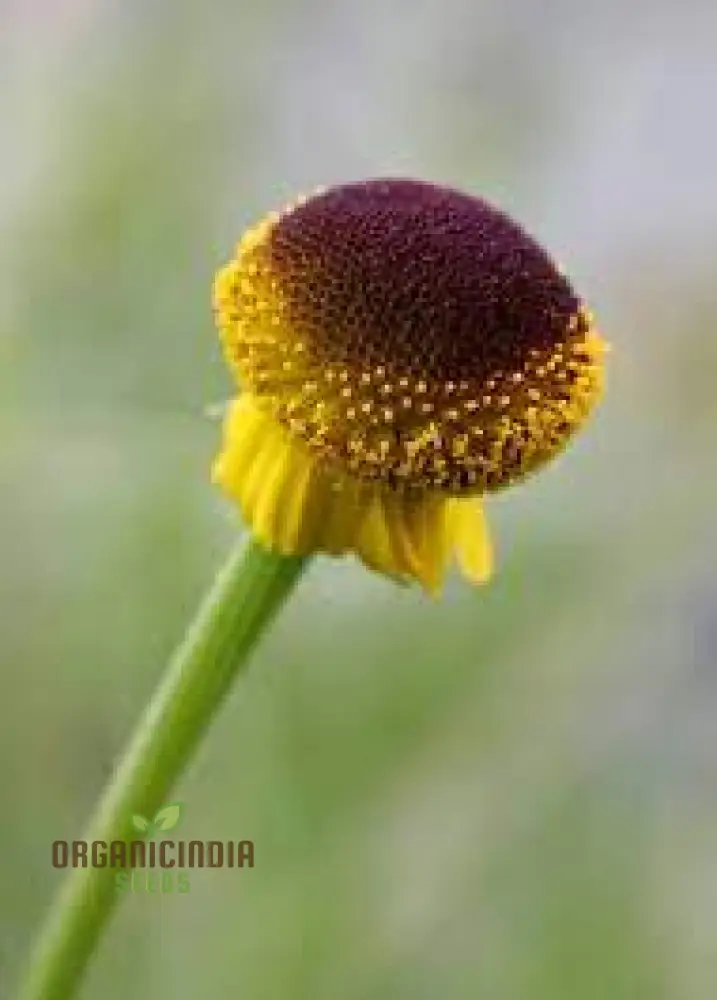
- Bloom Color: Bright yellow to orange flowers with a deep, dark center that adds contrast and beauty
- Plant Type: Perennial
- Sun Requirements: Full sun to partial shade
- Soil Type: Well-draining, fertile soil
- Watering Needs: Moderate; prefers consistently moist but well-drained soil
- Growth Habit: Bushy, upright growth with a strong central stem
- Height & Spread: Grows about 18-30 inches tall with a spread of 12-18 inches
- Hardiness Zones: USDA Zones 4-9
Why Grow Helenium Puberulum Seeds?
- Vibrant Blooms: The bold yellow and orange flowers with contrasting dark centers create a stunning visual effect, perfect for adding color to any garden space.
- Long Blooming Period: Helenium plants bloom from late summer to early fall, providing color and interest during the later stages of the growing season when many other plants begin to fade.
- Attracts Pollinators: The flowers are a great source of nectar for bees, butterflies, and other pollinators, supporting a healthy garden ecosystem.
- Low Maintenance: Helenium is easy to care for, requiring minimal attention once established, making it a great choice for both beginner and experienced gardeners.
- Versatile: Suitable for flower beds, borders, cottage gardens, and pollinator gardens. It also works well as a cut flower in floral arrangements.
Planting & Care Instructions:
-
Seed Preparation & Sowing:
- Starting Indoors: Start helenium seeds indoors 6-8 weeks before the last frost date. Sow seeds on the surface of a well-draining seed-starting mix and gently press them into the soil. Do not cover the seeds, as they need light to germinate.
- Temperature & Lighting: Keep the seed trays in a warm area with temperatures around 65-75°F (18-24°C). Provide bright light, either by placing the trays in a sunny spot or using grow lights. Germination typically takes 10-14 days.
- Direct Sowing Outdoors: Once the soil has warmed and all danger of frost has passed, sow the seeds directly outdoors in a well-prepared garden bed.
-
Transplanting & Growth:
- Transplanting: Once seedlings are large enough to handle and all danger of frost has passed, transplant them into their final outdoor location. Space plants 12-18 inches apart to allow them to grow freely.
- Sunlight: Helenium plants thrive in full sun, though they can tolerate partial shade. For the best flowering, plant them in an area where they will receive at least 6 hours of sunlight daily.
- Soil: Choose well-draining, fertile soil. Incorporating compost or organic matter can improve soil structure and promote healthy growth.
-
Maintenance:
- Watering: Keep the soil consistently moist but not waterlogged. Regular watering is important, especially during dry periods, but avoid allowing the plants to sit in overly wet soil.
- Fertilization: Apply a balanced, water-soluble fertilizer every 4-6 weeks during the growing season to promote strong growth and abundant flowers.
- Pruning: Deadhead spent flowers regularly to encourage more blooms and prevent the plant from becoming leggy. Cut back spent flower heads to maintain a tidy appearance.
- Staking: Taller varieties may need staking to keep them upright, particularly in areas with strong winds or heavy rainfall.
-
Winter Care:
- In colder climates (zones 4-5), treat helenium as a perennial, cutting back the plant after it dies back in the fall and covering it with a light mulch for added protection over the winter months.
- In warmer climates (zones 6-9), the plant will remain evergreen or semi-evergreen with some protection, and new growth will emerge in the spring.
Ideal For:
- Flower Beds & Borders: Helenium adds bright color to late summer and fall flower beds and borders. Its vibrant blooms pair well with other late-season flowers.
- Pollinator Gardens: These flowers attract bees, butterflies, and other beneficial insects, making them ideal for pollinator-friendly gardens.
- Cut Flowers: Helenium flowers make beautiful, long-lasting cut flowers for arrangements. Their striking color and sturdy stems are perfect for floral displays.
- Cottage Gardens: Their cheerful appearance fits well in cottage-style gardens, adding charm and color throughout the growing season.
Helenium Puberulum Seeds are a fantastic choice for gardeners who want to add long-lasting, vibrant color to their spaces, especially during late summer and fall. Easy to grow and maintain, they’re a great addition to any garden, bringing beauty and pollinator support. Get started with your seeds today and enjoy these stunning blooms throughout the season!
Original: $16.99
-65%$16.99
$5.95More Images


Helenium Puberulum Flower Seeds, Planting - 100 pcs
Helenium Puberulum Flower Seeds are a charming and vibrant addition to any garden, known for their striking blooms that range from yellow to orange hues. Helenium, often referred to as sneezeweed, is an easy-to-grow perennial that thrives in sunny garden spots, making it perfect for creating a lively and colorful display.
Key Features:
- Scientific Name: Helenium puberulum
- Common Name: Helenium, Sneezeweed
- Bloom Color: Bright yellow to orange flowers with a deep, dark center that adds contrast and beauty
- Plant Type: Perennial
- Sun Requirements: Full sun to partial shade
- Soil Type: Well-draining, fertile soil
- Watering Needs: Moderate; prefers consistently moist but well-drained soil
- Growth Habit: Bushy, upright growth with a strong central stem
- Height & Spread: Grows about 18-30 inches tall with a spread of 12-18 inches
- Hardiness Zones: USDA Zones 4-9
Why Grow Helenium Puberulum Seeds?
- Vibrant Blooms: The bold yellow and orange flowers with contrasting dark centers create a stunning visual effect, perfect for adding color to any garden space.
- Long Blooming Period: Helenium plants bloom from late summer to early fall, providing color and interest during the later stages of the growing season when many other plants begin to fade.
- Attracts Pollinators: The flowers are a great source of nectar for bees, butterflies, and other pollinators, supporting a healthy garden ecosystem.
- Low Maintenance: Helenium is easy to care for, requiring minimal attention once established, making it a great choice for both beginner and experienced gardeners.
- Versatile: Suitable for flower beds, borders, cottage gardens, and pollinator gardens. It also works well as a cut flower in floral arrangements.
Planting & Care Instructions:
-
Seed Preparation & Sowing:
- Starting Indoors: Start helenium seeds indoors 6-8 weeks before the last frost date. Sow seeds on the surface of a well-draining seed-starting mix and gently press them into the soil. Do not cover the seeds, as they need light to germinate.
- Temperature & Lighting: Keep the seed trays in a warm area with temperatures around 65-75°F (18-24°C). Provide bright light, either by placing the trays in a sunny spot or using grow lights. Germination typically takes 10-14 days.
- Direct Sowing Outdoors: Once the soil has warmed and all danger of frost has passed, sow the seeds directly outdoors in a well-prepared garden bed.
-
Transplanting & Growth:
- Transplanting: Once seedlings are large enough to handle and all danger of frost has passed, transplant them into their final outdoor location. Space plants 12-18 inches apart to allow them to grow freely.
- Sunlight: Helenium plants thrive in full sun, though they can tolerate partial shade. For the best flowering, plant them in an area where they will receive at least 6 hours of sunlight daily.
- Soil: Choose well-draining, fertile soil. Incorporating compost or organic matter can improve soil structure and promote healthy growth.
-
Maintenance:
- Watering: Keep the soil consistently moist but not waterlogged. Regular watering is important, especially during dry periods, but avoid allowing the plants to sit in overly wet soil.
- Fertilization: Apply a balanced, water-soluble fertilizer every 4-6 weeks during the growing season to promote strong growth and abundant flowers.
- Pruning: Deadhead spent flowers regularly to encourage more blooms and prevent the plant from becoming leggy. Cut back spent flower heads to maintain a tidy appearance.
- Staking: Taller varieties may need staking to keep them upright, particularly in areas with strong winds or heavy rainfall.
-
Winter Care:
- In colder climates (zones 4-5), treat helenium as a perennial, cutting back the plant after it dies back in the fall and covering it with a light mulch for added protection over the winter months.
- In warmer climates (zones 6-9), the plant will remain evergreen or semi-evergreen with some protection, and new growth will emerge in the spring.
Ideal For:
- Flower Beds & Borders: Helenium adds bright color to late summer and fall flower beds and borders. Its vibrant blooms pair well with other late-season flowers.
- Pollinator Gardens: These flowers attract bees, butterflies, and other beneficial insects, making them ideal for pollinator-friendly gardens.
- Cut Flowers: Helenium flowers make beautiful, long-lasting cut flowers for arrangements. Their striking color and sturdy stems are perfect for floral displays.
- Cottage Gardens: Their cheerful appearance fits well in cottage-style gardens, adding charm and color throughout the growing season.
Helenium Puberulum Seeds are a fantastic choice for gardeners who want to add long-lasting, vibrant color to their spaces, especially during late summer and fall. Easy to grow and maintain, they’re a great addition to any garden, bringing beauty and pollinator support. Get started with your seeds today and enjoy these stunning blooms throughout the season!
Product Information
Product Information
Shipping & Returns
Shipping & Returns
Description
Helenium Puberulum Flower Seeds are a charming and vibrant addition to any garden, known for their striking blooms that range from yellow to orange hues. Helenium, often referred to as sneezeweed, is an easy-to-grow perennial that thrives in sunny garden spots, making it perfect for creating a lively and colorful display.
Key Features:
- Scientific Name: Helenium puberulum
- Common Name: Helenium, Sneezeweed
- Bloom Color: Bright yellow to orange flowers with a deep, dark center that adds contrast and beauty
- Plant Type: Perennial
- Sun Requirements: Full sun to partial shade
- Soil Type: Well-draining, fertile soil
- Watering Needs: Moderate; prefers consistently moist but well-drained soil
- Growth Habit: Bushy, upright growth with a strong central stem
- Height & Spread: Grows about 18-30 inches tall with a spread of 12-18 inches
- Hardiness Zones: USDA Zones 4-9
Why Grow Helenium Puberulum Seeds?
- Vibrant Blooms: The bold yellow and orange flowers with contrasting dark centers create a stunning visual effect, perfect for adding color to any garden space.
- Long Blooming Period: Helenium plants bloom from late summer to early fall, providing color and interest during the later stages of the growing season when many other plants begin to fade.
- Attracts Pollinators: The flowers are a great source of nectar for bees, butterflies, and other pollinators, supporting a healthy garden ecosystem.
- Low Maintenance: Helenium is easy to care for, requiring minimal attention once established, making it a great choice for both beginner and experienced gardeners.
- Versatile: Suitable for flower beds, borders, cottage gardens, and pollinator gardens. It also works well as a cut flower in floral arrangements.
Planting & Care Instructions:
-
Seed Preparation & Sowing:
- Starting Indoors: Start helenium seeds indoors 6-8 weeks before the last frost date. Sow seeds on the surface of a well-draining seed-starting mix and gently press them into the soil. Do not cover the seeds, as they need light to germinate.
- Temperature & Lighting: Keep the seed trays in a warm area with temperatures around 65-75°F (18-24°C). Provide bright light, either by placing the trays in a sunny spot or using grow lights. Germination typically takes 10-14 days.
- Direct Sowing Outdoors: Once the soil has warmed and all danger of frost has passed, sow the seeds directly outdoors in a well-prepared garden bed.
-
Transplanting & Growth:
- Transplanting: Once seedlings are large enough to handle and all danger of frost has passed, transplant them into their final outdoor location. Space plants 12-18 inches apart to allow them to grow freely.
- Sunlight: Helenium plants thrive in full sun, though they can tolerate partial shade. For the best flowering, plant them in an area where they will receive at least 6 hours of sunlight daily.
- Soil: Choose well-draining, fertile soil. Incorporating compost or organic matter can improve soil structure and promote healthy growth.
-
Maintenance:
- Watering: Keep the soil consistently moist but not waterlogged. Regular watering is important, especially during dry periods, but avoid allowing the plants to sit in overly wet soil.
- Fertilization: Apply a balanced, water-soluble fertilizer every 4-6 weeks during the growing season to promote strong growth and abundant flowers.
- Pruning: Deadhead spent flowers regularly to encourage more blooms and prevent the plant from becoming leggy. Cut back spent flower heads to maintain a tidy appearance.
- Staking: Taller varieties may need staking to keep them upright, particularly in areas with strong winds or heavy rainfall.
-
Winter Care:
- In colder climates (zones 4-5), treat helenium as a perennial, cutting back the plant after it dies back in the fall and covering it with a light mulch for added protection over the winter months.
- In warmer climates (zones 6-9), the plant will remain evergreen or semi-evergreen with some protection, and new growth will emerge in the spring.
Ideal For:
- Flower Beds & Borders: Helenium adds bright color to late summer and fall flower beds and borders. Its vibrant blooms pair well with other late-season flowers.
- Pollinator Gardens: These flowers attract bees, butterflies, and other beneficial insects, making them ideal for pollinator-friendly gardens.
- Cut Flowers: Helenium flowers make beautiful, long-lasting cut flowers for arrangements. Their striking color and sturdy stems are perfect for floral displays.
- Cottage Gardens: Their cheerful appearance fits well in cottage-style gardens, adding charm and color throughout the growing season.
Helenium Puberulum Seeds are a fantastic choice for gardeners who want to add long-lasting, vibrant color to their spaces, especially during late summer and fall. Easy to grow and maintain, they’re a great addition to any garden, bringing beauty and pollinator support. Get started with your seeds today and enjoy these stunning blooms throughout the season!