Harebell Flowers Seeds For Planting: Your Ultimate Guide to Growing and Caring for Harebell in Your Garden
Harebell Flowers Seeds For Planting: Your Ultimate Guide to Growing and Caring for Harebell in Your Garden
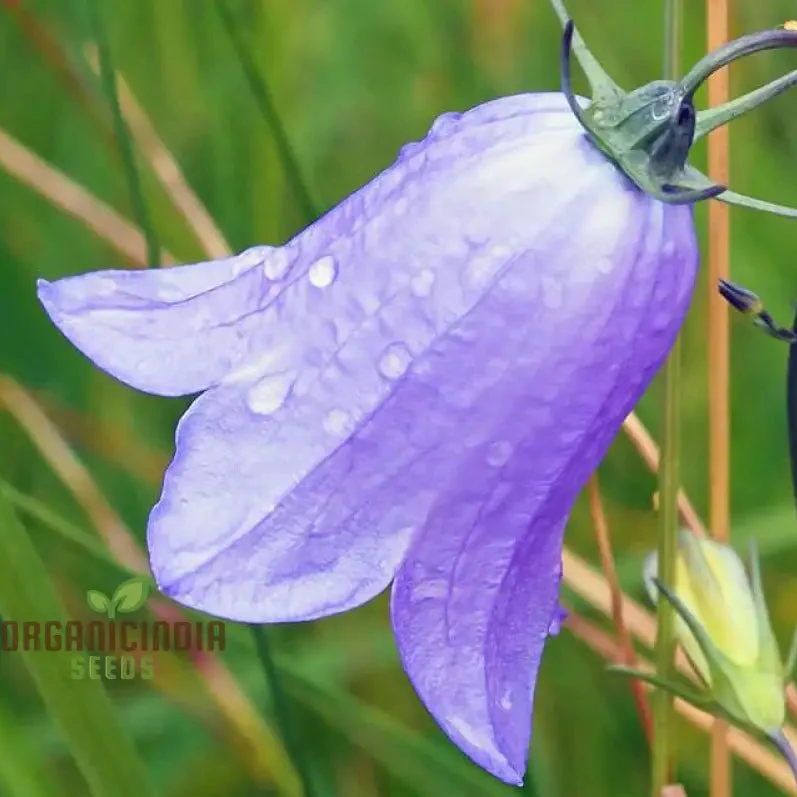
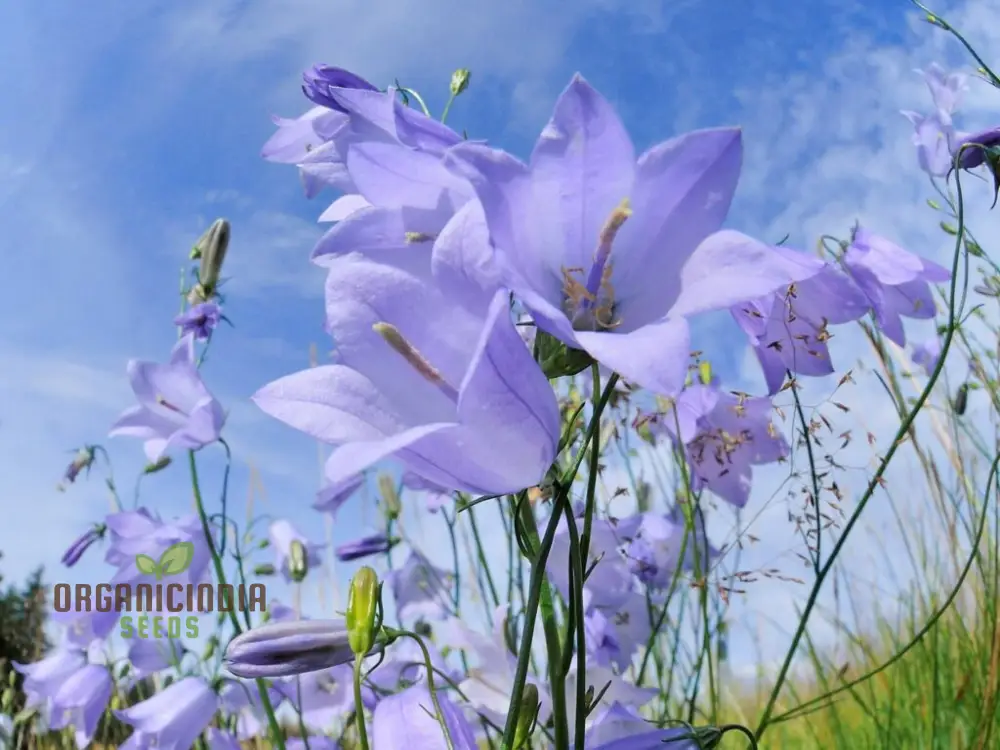
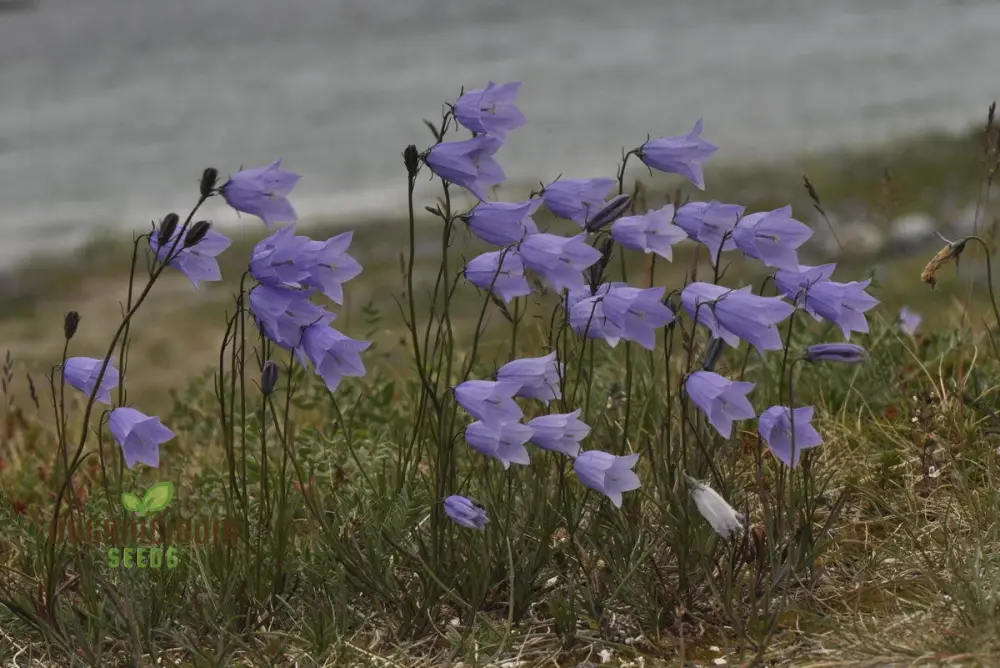
Bring gentle elegance to your garden with Harebell Flower Seeds, known for their graceful, bell-shaped blue blossoms that sway beautifully in the breeze. A favorite among wildflower enthusiasts, Harebells add charm to borders, cottage gardens, woodland edges, and naturalized landscapes.
Loved for their hardiness and subtle beauty, Harebells are easy to grow and attract beneficial pollinators like bees and butterflies.
Key Features
-
Produces delicate blue, bell-shaped flowers
-
Ideal for rock gardens, meadows, and natural landscapes
-
Attracts bees, butterflies, and other pollinators
-
Easy to grow; low-maintenance
-
Non-GMO, high-quality seeds
-
Versatile perennial suitable for many climates
-
Thrives in full sun to partial shade
Specifications
-
Seed Name: Harebell Flower Seeds
-
Common Name (US): Harebell
-
Botanical Name: Campanula rotundifolia
-
Plant Type: Perennial
-
Height: 6–18 inches
-
Bloom Color: Light to deep blue
-
Bloom Time: Summer to early fall
-
Light Requirement: Full sun to partial shade
-
Soil Type: Well-drained, sandy or loamy soil
-
Watering: Moderate; drought-tolerant once established
-
Hardiness Zones: USDA Zones 3–8
-
Seed Type: Non-GMO
-
Uses: Rock gardens, borders, wildflower meadows, woodland edges, pollinator gardens
Planting Guide
-
Scatter seeds on soil surface; do not cover, as they need light to germinate.
-
Keep soil consistently moist until germination (15–30 days).
-
Choose a site with well-drained soil and full sun to partial shade.
-
Thin seedlings to avoid crowding.
-
Once established, plants require only light watering.
Original: $16.99
-65%$16.99
$5.95More Images
Harebell Flowers Seeds For Planting: Your Ultimate Guide to Growing and Caring for Harebell in Your Garden
Bring gentle elegance to your garden with Harebell Flower Seeds, known for their graceful, bell-shaped blue blossoms that sway beautifully in the breeze. A favorite among wildflower enthusiasts, Harebells add charm to borders, cottage gardens, woodland edges, and naturalized landscapes.
Loved for their hardiness and subtle beauty, Harebells are easy to grow and attract beneficial pollinators like bees and butterflies.
Key Features
-
Produces delicate blue, bell-shaped flowers
-
Ideal for rock gardens, meadows, and natural landscapes
-
Attracts bees, butterflies, and other pollinators
-
Easy to grow; low-maintenance
-
Non-GMO, high-quality seeds
-
Versatile perennial suitable for many climates
-
Thrives in full sun to partial shade
Specifications
-
Seed Name: Harebell Flower Seeds
-
Common Name (US): Harebell
-
Botanical Name: Campanula rotundifolia
-
Plant Type: Perennial
-
Height: 6–18 inches
-
Bloom Color: Light to deep blue
-
Bloom Time: Summer to early fall
-
Light Requirement: Full sun to partial shade
-
Soil Type: Well-drained, sandy or loamy soil
-
Watering: Moderate; drought-tolerant once established
-
Hardiness Zones: USDA Zones 3–8
-
Seed Type: Non-GMO
-
Uses: Rock gardens, borders, wildflower meadows, woodland edges, pollinator gardens
Planting Guide
-
Scatter seeds on soil surface; do not cover, as they need light to germinate.
-
Keep soil consistently moist until germination (15–30 days).
-
Choose a site with well-drained soil and full sun to partial shade.
-
Thin seedlings to avoid crowding.
-
Once established, plants require only light watering.
Product Information
Product Information
Shipping & Returns
Shipping & Returns
Description
Bring gentle elegance to your garden with Harebell Flower Seeds, known for their graceful, bell-shaped blue blossoms that sway beautifully in the breeze. A favorite among wildflower enthusiasts, Harebells add charm to borders, cottage gardens, woodland edges, and naturalized landscapes.
Loved for their hardiness and subtle beauty, Harebells are easy to grow and attract beneficial pollinators like bees and butterflies.
Key Features
-
Produces delicate blue, bell-shaped flowers
-
Ideal for rock gardens, meadows, and natural landscapes
-
Attracts bees, butterflies, and other pollinators
-
Easy to grow; low-maintenance
-
Non-GMO, high-quality seeds
-
Versatile perennial suitable for many climates
-
Thrives in full sun to partial shade
Specifications
-
Seed Name: Harebell Flower Seeds
-
Common Name (US): Harebell
-
Botanical Name: Campanula rotundifolia
-
Plant Type: Perennial
-
Height: 6–18 inches
-
Bloom Color: Light to deep blue
-
Bloom Time: Summer to early fall
-
Light Requirement: Full sun to partial shade
-
Soil Type: Well-drained, sandy or loamy soil
-
Watering: Moderate; drought-tolerant once established
-
Hardiness Zones: USDA Zones 3–8
-
Seed Type: Non-GMO
-
Uses: Rock gardens, borders, wildflower meadows, woodland edges, pollinator gardens
Planting Guide
-
Scatter seeds on soil surface; do not cover, as they need light to germinate.
-
Keep soil consistently moist until germination (15–30 days).
-
Choose a site with well-drained soil and full sun to partial shade.
-
Thin seedlings to avoid crowding.
-
Once established, plants require only light watering.