Hanging Petunia Flower Seeds, Planting - 100 pcs
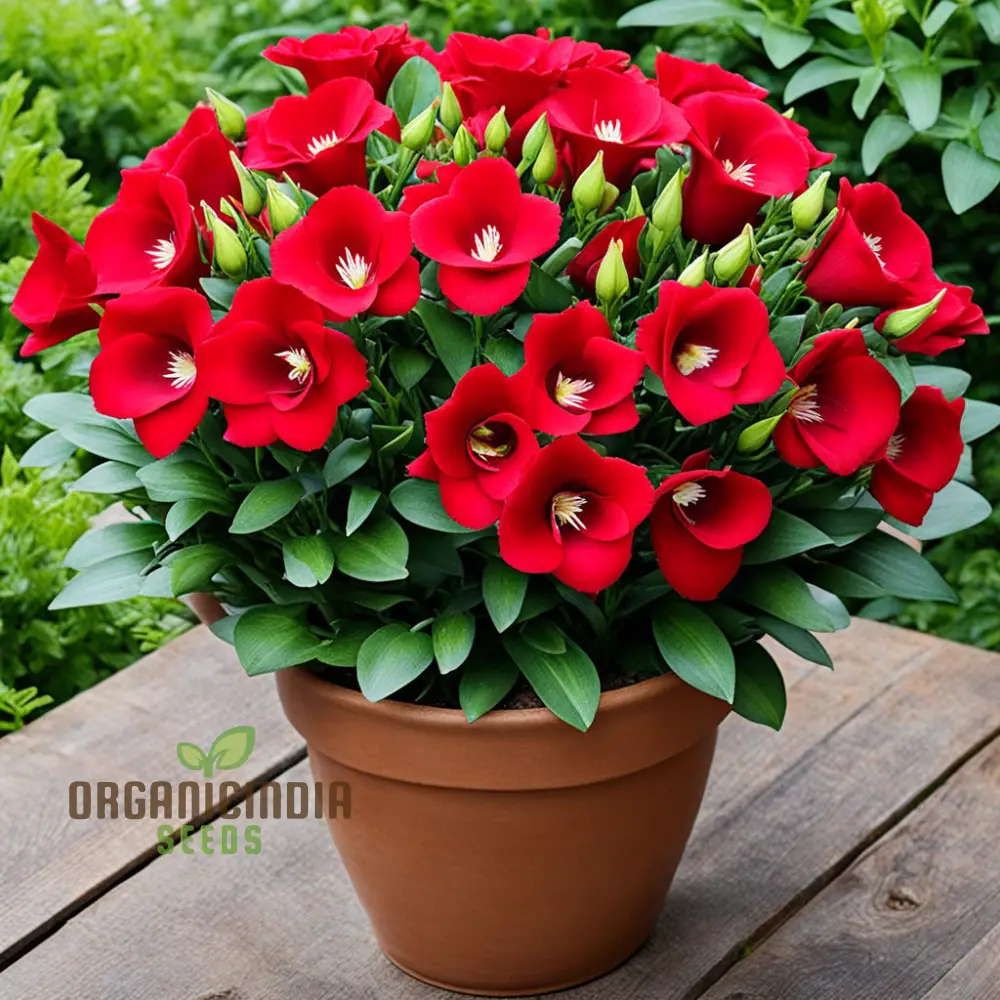
Hanging Petunia Flower Seeds are a fantastic option for gardeners who want to add vibrant, cascading flowers to their hanging baskets, containers, or window boxes. Petunias are known for their bright, colorful blooms and long-lasting flowers that attract pollinators like bees and butterflies. When grown in hanging arrangements, they create a beautiful display of cascading blooms, perfect for enhancing your garden, porch, or balcony.
Key Features:
- Scientific Name: Petunia spp.
- Common Name: Petunia
- Bloom Color: Available in a wide range of colors including purple, pink, red, white, blue, and multicolored varieties
- Plant Type: Annual
- Sun Requirements: Full sun to partial shade
- Soil Type: Well-draining, fertile soil
- Watering Needs: Moderate; prefers consistently moist soil
- Growth Habit: Cascading, trailing growth habit, perfect for hanging baskets
- Height & Spread: Typically 6-12 inches tall with a spread of 12-18 inches, depending on the variety
- Hardiness Zones: USDA 10-11 (grown as an annual in cooler climates)
Why Grow Hanging Petunia Seeds?
- Vibrant, Colorful Blooms: Petunias offer a dazzling array of colors, from soft pastels to bold, vibrant hues. These flowers create a stunning visual display when grown in hanging baskets or containers.
- Long Blooming Season: Petunias typically bloom from late spring to fall, providing long-lasting color throughout the season.
- Ideal for Small Spaces: Perfect for hanging baskets, containers, and window boxes, Petunias are a great way to add beauty to patios, balconies, and porches.
- Low Maintenance: Petunias are relatively easy to grow and maintain. With minimal care, they will thrive and reward you with beautiful flowers.
- Attracts Pollinators: The bright, nectar-rich blooms attract bees, butterflies, and hummingbirds, contributing to a healthy garden ecosystem.
- Versatile: Petunias can grow in both sunny and partially shaded locations, giving you flexibility in where to plant them.
Planting & Care Instructions:
-
Seed Preparation & Sowing:
- Sowing Indoors: Start seeds indoors 8-10 weeks before the last expected frost. Sow the seeds on the surface of a moist, well-draining seed-starting mix, and lightly press them into the soil (do not cover the seeds).
- Germination: Keep the soil moist but not waterlogged and place the seed trays in a warm, sunny area or under grow lights at a temperature of 65-75°F (18-24°C). Germination typically occurs within 7-14 days.
- Transplanting: Once seedlings have grown large enough to handle and the risk of frost has passed, transplant them into hanging baskets, containers, or directly into the garden. Space plants 6-12 inches apart to allow for their trailing growth.
-
Transplanting & Growth:
- Sunlight: Petunias thrive in full sun but can tolerate partial shade. For the best blooms, plant them in a location that receives at least 6 hours of sunlight per day.
- Soil: Petunias prefer well-draining, fertile soil. You can amend your soil with organic matter like compost to improve its texture and nutrient content.
- Watering: Petunias like consistently moist soil but do not like to be waterlogged. Water regularly, especially during dry spells, but ensure good drainage in containers and baskets.
- Spacing: When planting in hanging baskets or containers, space plants 6-12 inches apart to allow their trailing growth to spread freely.
-
Maintenance:
- Fertilizing: Apply a balanced, water-soluble fertilizer every 2-3 weeks during the growing season to encourage continuous blooming and healthy growth.
- Pruning & Deadheading: Regularly pinch back spent flowers to encourage new blooms and prevent the plants from becoming leggy. Trim back any dead or damaged growth to maintain a tidy appearance.
- Pest Control: Watch for common pests such as aphids and caterpillars. Insecticidal soap or neem oil can help manage pest problems if necessary.
-
Winter Care:
- Petunias are annuals and will not survive frost. In cooler climates, treat them as annuals and allow them to die back with the first frost. You can remove dead plants from hanging baskets and containers at the end of the season.
- If growing in containers, you can remove the plants in late fall and store the baskets for the winter, preparing them for replanting the next season.
Ideal For:
- Hanging Baskets & Window Boxes: Petunias are the perfect choice for hanging baskets, where their trailing nature creates a beautiful cascade of colorful blooms.
- Containers & Patio Gardens: Petunias thrive in containers, making them perfect for adding a splash of color to balconies, patios, or porches.
- Garden Borders & Flower Beds: When grown in beds or borders, petunias provide a bright, colorful groundcover that complements other flowers and plants.
- Pollinator Gardens: With their nectar-rich flowers, Petunias attract bees, butterflies, and hummingbirds, making them an excellent choice for pollinator-friendly gardens.
Hanging Petunia Flower Seeds are a must-have for anyone looking to add beauty, color, and charm to their outdoor space. With their easy-care nature and stunning blooms, they will transform any garden, balcony, or patio into a vibrant floral display. Order your seeds today and enjoy the beauty of Petunias all season long!
Original: $16.99
-65%$16.99
$5.95More Images
Hanging Petunia Flower Seeds, Planting - 100 pcs
Hanging Petunia Flower Seeds are a fantastic option for gardeners who want to add vibrant, cascading flowers to their hanging baskets, containers, or window boxes. Petunias are known for their bright, colorful blooms and long-lasting flowers that attract pollinators like bees and butterflies. When grown in hanging arrangements, they create a beautiful display of cascading blooms, perfect for enhancing your garden, porch, or balcony.
Key Features:
- Scientific Name: Petunia spp.
- Common Name: Petunia
- Bloom Color: Available in a wide range of colors including purple, pink, red, white, blue, and multicolored varieties
- Plant Type: Annual
- Sun Requirements: Full sun to partial shade
- Soil Type: Well-draining, fertile soil
- Watering Needs: Moderate; prefers consistently moist soil
- Growth Habit: Cascading, trailing growth habit, perfect for hanging baskets
- Height & Spread: Typically 6-12 inches tall with a spread of 12-18 inches, depending on the variety
- Hardiness Zones: USDA 10-11 (grown as an annual in cooler climates)
Why Grow Hanging Petunia Seeds?
- Vibrant, Colorful Blooms: Petunias offer a dazzling array of colors, from soft pastels to bold, vibrant hues. These flowers create a stunning visual display when grown in hanging baskets or containers.
- Long Blooming Season: Petunias typically bloom from late spring to fall, providing long-lasting color throughout the season.
- Ideal for Small Spaces: Perfect for hanging baskets, containers, and window boxes, Petunias are a great way to add beauty to patios, balconies, and porches.
- Low Maintenance: Petunias are relatively easy to grow and maintain. With minimal care, they will thrive and reward you with beautiful flowers.
- Attracts Pollinators: The bright, nectar-rich blooms attract bees, butterflies, and hummingbirds, contributing to a healthy garden ecosystem.
- Versatile: Petunias can grow in both sunny and partially shaded locations, giving you flexibility in where to plant them.
Planting & Care Instructions:
-
Seed Preparation & Sowing:
- Sowing Indoors: Start seeds indoors 8-10 weeks before the last expected frost. Sow the seeds on the surface of a moist, well-draining seed-starting mix, and lightly press them into the soil (do not cover the seeds).
- Germination: Keep the soil moist but not waterlogged and place the seed trays in a warm, sunny area or under grow lights at a temperature of 65-75°F (18-24°C). Germination typically occurs within 7-14 days.
- Transplanting: Once seedlings have grown large enough to handle and the risk of frost has passed, transplant them into hanging baskets, containers, or directly into the garden. Space plants 6-12 inches apart to allow for their trailing growth.
-
Transplanting & Growth:
- Sunlight: Petunias thrive in full sun but can tolerate partial shade. For the best blooms, plant them in a location that receives at least 6 hours of sunlight per day.
- Soil: Petunias prefer well-draining, fertile soil. You can amend your soil with organic matter like compost to improve its texture and nutrient content.
- Watering: Petunias like consistently moist soil but do not like to be waterlogged. Water regularly, especially during dry spells, but ensure good drainage in containers and baskets.
- Spacing: When planting in hanging baskets or containers, space plants 6-12 inches apart to allow their trailing growth to spread freely.
-
Maintenance:
- Fertilizing: Apply a balanced, water-soluble fertilizer every 2-3 weeks during the growing season to encourage continuous blooming and healthy growth.
- Pruning & Deadheading: Regularly pinch back spent flowers to encourage new blooms and prevent the plants from becoming leggy. Trim back any dead or damaged growth to maintain a tidy appearance.
- Pest Control: Watch for common pests such as aphids and caterpillars. Insecticidal soap or neem oil can help manage pest problems if necessary.
-
Winter Care:
- Petunias are annuals and will not survive frost. In cooler climates, treat them as annuals and allow them to die back with the first frost. You can remove dead plants from hanging baskets and containers at the end of the season.
- If growing in containers, you can remove the plants in late fall and store the baskets for the winter, preparing them for replanting the next season.
Ideal For:
- Hanging Baskets & Window Boxes: Petunias are the perfect choice for hanging baskets, where their trailing nature creates a beautiful cascade of colorful blooms.
- Containers & Patio Gardens: Petunias thrive in containers, making them perfect for adding a splash of color to balconies, patios, or porches.
- Garden Borders & Flower Beds: When grown in beds or borders, petunias provide a bright, colorful groundcover that complements other flowers and plants.
- Pollinator Gardens: With their nectar-rich flowers, Petunias attract bees, butterflies, and hummingbirds, making them an excellent choice for pollinator-friendly gardens.
Hanging Petunia Flower Seeds are a must-have for anyone looking to add beauty, color, and charm to their outdoor space. With their easy-care nature and stunning blooms, they will transform any garden, balcony, or patio into a vibrant floral display. Order your seeds today and enjoy the beauty of Petunias all season long!
Product Information
Product Information
Shipping & Returns
Shipping & Returns
Description
Hanging Petunia Flower Seeds are a fantastic option for gardeners who want to add vibrant, cascading flowers to their hanging baskets, containers, or window boxes. Petunias are known for their bright, colorful blooms and long-lasting flowers that attract pollinators like bees and butterflies. When grown in hanging arrangements, they create a beautiful display of cascading blooms, perfect for enhancing your garden, porch, or balcony.
Key Features:
- Scientific Name: Petunia spp.
- Common Name: Petunia
- Bloom Color: Available in a wide range of colors including purple, pink, red, white, blue, and multicolored varieties
- Plant Type: Annual
- Sun Requirements: Full sun to partial shade
- Soil Type: Well-draining, fertile soil
- Watering Needs: Moderate; prefers consistently moist soil
- Growth Habit: Cascading, trailing growth habit, perfect for hanging baskets
- Height & Spread: Typically 6-12 inches tall with a spread of 12-18 inches, depending on the variety
- Hardiness Zones: USDA 10-11 (grown as an annual in cooler climates)
Why Grow Hanging Petunia Seeds?
- Vibrant, Colorful Blooms: Petunias offer a dazzling array of colors, from soft pastels to bold, vibrant hues. These flowers create a stunning visual display when grown in hanging baskets or containers.
- Long Blooming Season: Petunias typically bloom from late spring to fall, providing long-lasting color throughout the season.
- Ideal for Small Spaces: Perfect for hanging baskets, containers, and window boxes, Petunias are a great way to add beauty to patios, balconies, and porches.
- Low Maintenance: Petunias are relatively easy to grow and maintain. With minimal care, they will thrive and reward you with beautiful flowers.
- Attracts Pollinators: The bright, nectar-rich blooms attract bees, butterflies, and hummingbirds, contributing to a healthy garden ecosystem.
- Versatile: Petunias can grow in both sunny and partially shaded locations, giving you flexibility in where to plant them.
Planting & Care Instructions:
-
Seed Preparation & Sowing:
- Sowing Indoors: Start seeds indoors 8-10 weeks before the last expected frost. Sow the seeds on the surface of a moist, well-draining seed-starting mix, and lightly press them into the soil (do not cover the seeds).
- Germination: Keep the soil moist but not waterlogged and place the seed trays in a warm, sunny area or under grow lights at a temperature of 65-75°F (18-24°C). Germination typically occurs within 7-14 days.
- Transplanting: Once seedlings have grown large enough to handle and the risk of frost has passed, transplant them into hanging baskets, containers, or directly into the garden. Space plants 6-12 inches apart to allow for their trailing growth.
-
Transplanting & Growth:
- Sunlight: Petunias thrive in full sun but can tolerate partial shade. For the best blooms, plant them in a location that receives at least 6 hours of sunlight per day.
- Soil: Petunias prefer well-draining, fertile soil. You can amend your soil with organic matter like compost to improve its texture and nutrient content.
- Watering: Petunias like consistently moist soil but do not like to be waterlogged. Water regularly, especially during dry spells, but ensure good drainage in containers and baskets.
- Spacing: When planting in hanging baskets or containers, space plants 6-12 inches apart to allow their trailing growth to spread freely.
-
Maintenance:
- Fertilizing: Apply a balanced, water-soluble fertilizer every 2-3 weeks during the growing season to encourage continuous blooming and healthy growth.
- Pruning & Deadheading: Regularly pinch back spent flowers to encourage new blooms and prevent the plants from becoming leggy. Trim back any dead or damaged growth to maintain a tidy appearance.
- Pest Control: Watch for common pests such as aphids and caterpillars. Insecticidal soap or neem oil can help manage pest problems if necessary.
-
Winter Care:
- Petunias are annuals and will not survive frost. In cooler climates, treat them as annuals and allow them to die back with the first frost. You can remove dead plants from hanging baskets and containers at the end of the season.
- If growing in containers, you can remove the plants in late fall and store the baskets for the winter, preparing them for replanting the next season.
Ideal For:
- Hanging Baskets & Window Boxes: Petunias are the perfect choice for hanging baskets, where their trailing nature creates a beautiful cascade of colorful blooms.
- Containers & Patio Gardens: Petunias thrive in containers, making them perfect for adding a splash of color to balconies, patios, or porches.
- Garden Borders & Flower Beds: When grown in beds or borders, petunias provide a bright, colorful groundcover that complements other flowers and plants.
- Pollinator Gardens: With their nectar-rich flowers, Petunias attract bees, butterflies, and hummingbirds, making them an excellent choice for pollinator-friendly gardens.
Hanging Petunia Flower Seeds are a must-have for anyone looking to add beauty, color, and charm to their outdoor space. With their easy-care nature and stunning blooms, they will transform any garden, balcony, or patio into a vibrant floral display. Order your seeds today and enjoy the beauty of Petunias all season long!