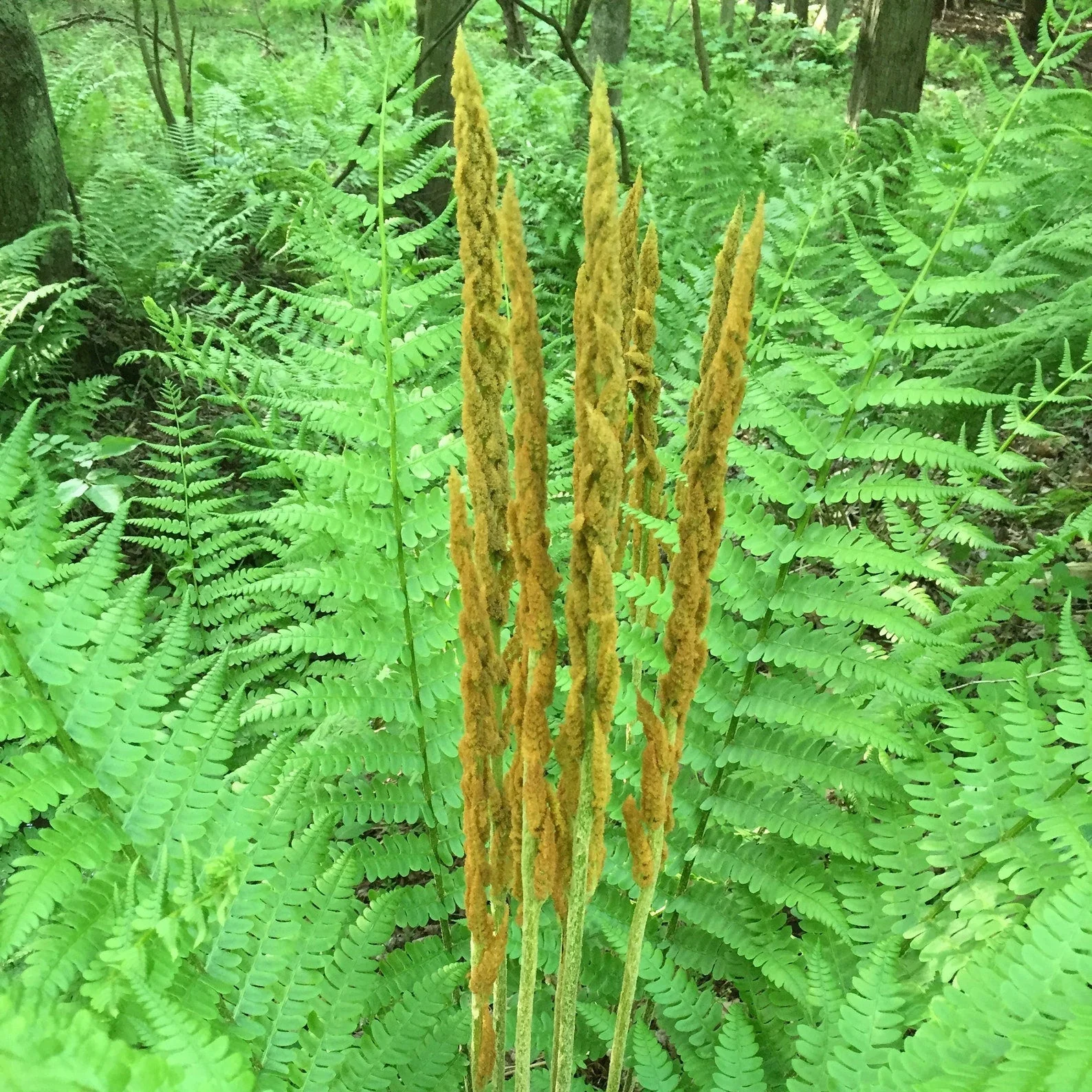
Green Cinnamon Fern Spores Plant Seeds
Product Introduction
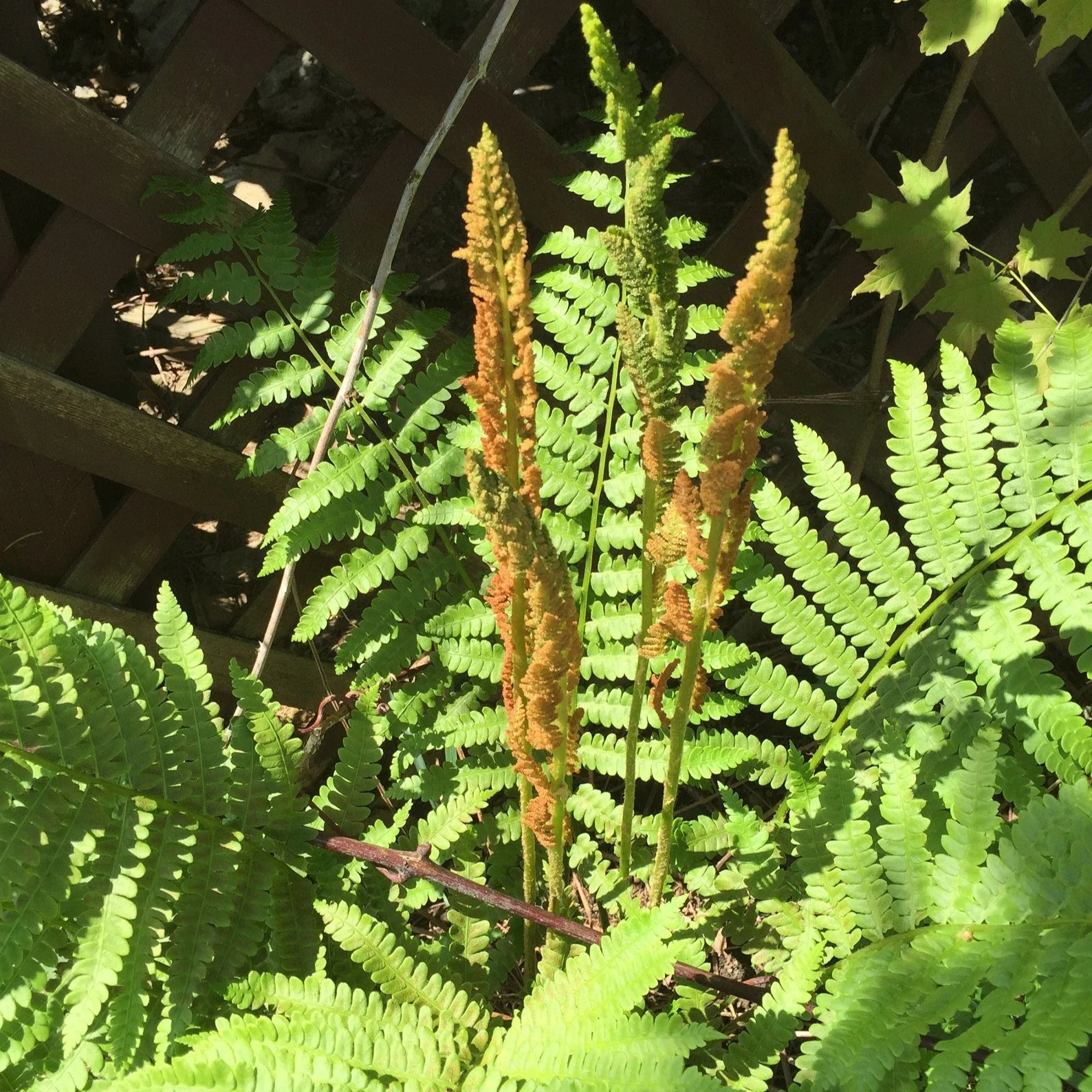
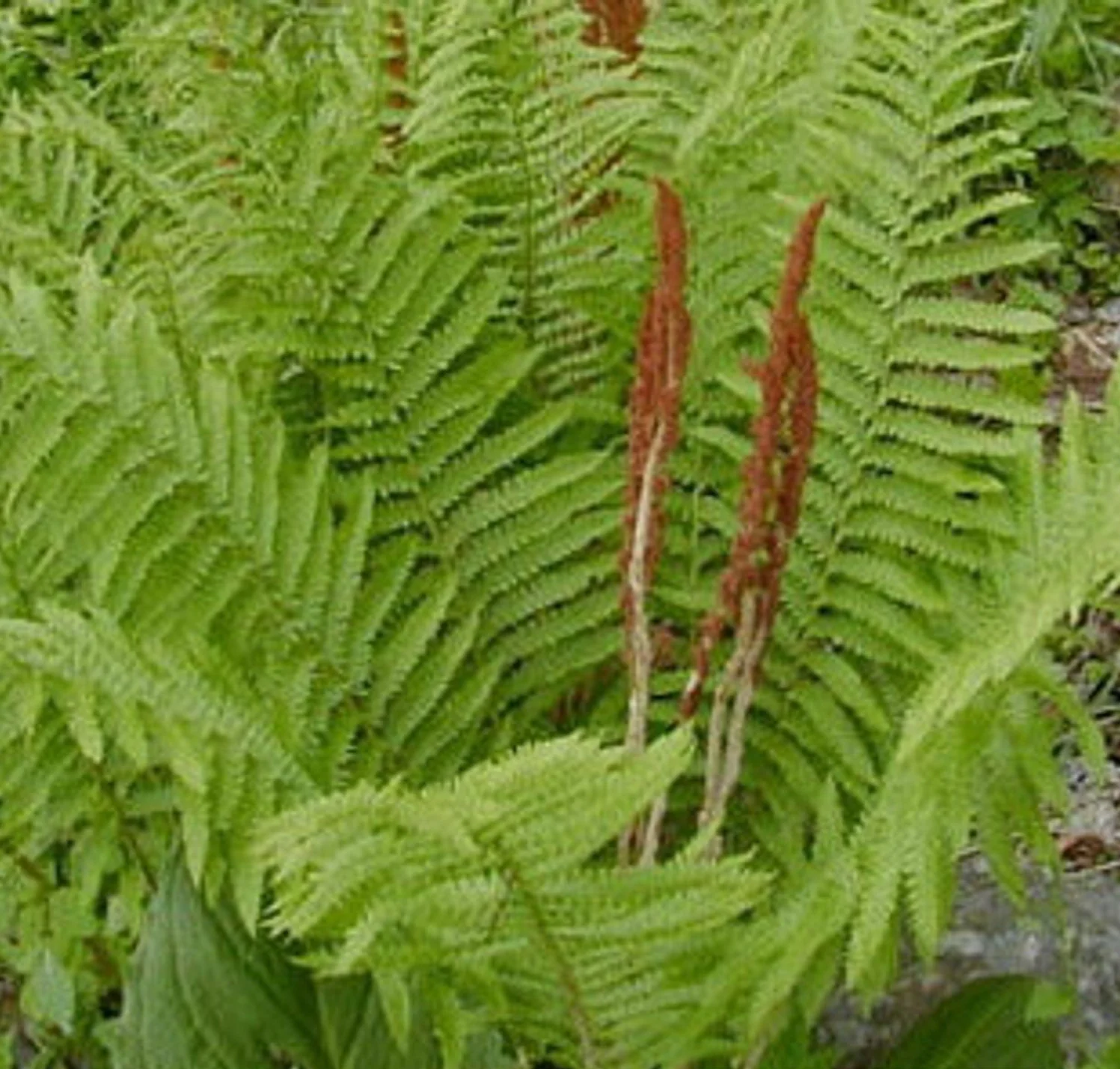
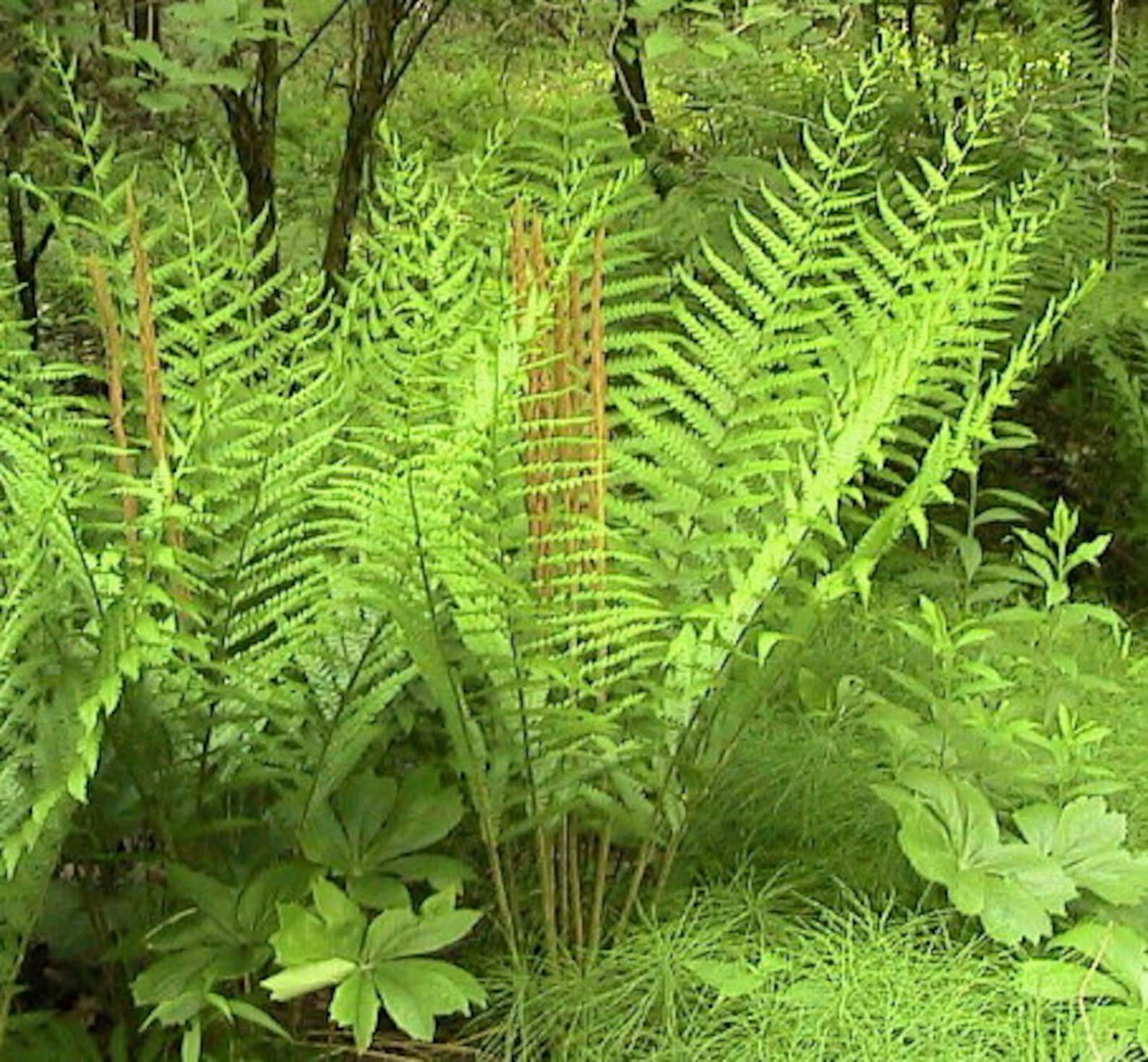
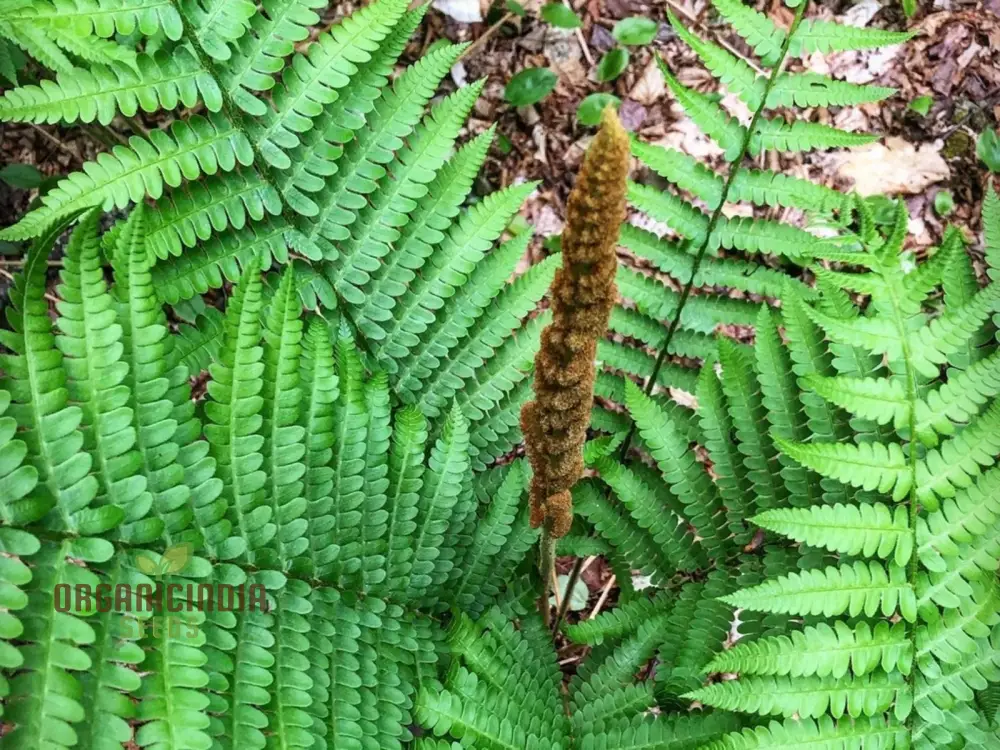
Cinnamon Fern (Osmundastrum cinnamomeum) is a striking and resilient perennial fern that thrives in shaded gardens and woodland landscapes. Known for its tall, elegant fronds and distinctive cinnamon-colored fertile spikes, this plant adds texture and beauty to any outdoor space. A native to moist, shady environments, it’s perfect for creating a lush, naturalized look in gardens, borders, or near water features.
Why Choose Cinnamon Fern Spores?
- Elegant Foliage – Produces bright green, arching fronds with contrasting cinnamon-colored fertile spikes.
- Shade-Loving & Adaptable – Thrives in partial to full shade, making it ideal for woodland gardens, shaded borders, and under tree canopies.
- Low Maintenance & Hardy – Naturally resistant to pests and diseases, requiring minimal upkeep.
- Moisture-Loving Fern – Prefers damp, well-draining soil, making it an excellent choice for rain gardens and wetland restoration projects.
- Ideal for Natural Landscaping – Enhances garden biodiversity and pairs well with other shade-loving plants.
How to Grow and Care for Cinnamon Ferns
- Planting Time – Sow spores in spring or early summer when temperatures are consistently warm.
- Soil & Sun Requirements – Prefers rich, well-draining, moist soil with a slightly acidic to neutral pH (5.5-7.0). Grows best in partial to full shade.
-
Sowing Instructions –
- Prepare a container or tray with sterilized, moist peat-based soil.
- Evenly distribute the spores on the surface without covering them, as they require light for germination.
- Keep the soil consistently moist and cover with a plastic lid or glass to maintain humidity.
- Germination Period – Spores may take several weeks to months to develop into gametophytes before producing mature ferns. Maintain warmth (65-75°F / 18-24°C) and high humidity during this stage.
- Transplanting – Once young ferns have developed, transplant them to their permanent location in moist, shaded garden beds or woodland settings. Space plants 18-24 inches apart for optimal growth.
- Watering Needs – Keep the soil evenly moist but avoid waterlogging. Regular watering is essential, especially during dry spells.
-
Maintenance & Care –
- Add organic mulch around the base to retain moisture and suppress weeds.
- Apply a balanced, slow-release fertilizer once or twice per growing season.
- Prune dead fronds in early spring to encourage fresh growth.
Benefits of Growing Cinnamon Ferns
- Enhances shaded gardens with its elegant, textured foliage.
- Provides habitat and cover for wildlife, supporting local ecosystems.
- Tolerant of damp conditions, making it ideal for rain gardens and wet areas.
- Low-maintenance and long-lasting, adding year-round interest to landscapes.
- Resistant to common pests and diseases, reducing the need for chemical treatments.
Specifications
- Scientific Name: Osmundastrum cinnamomeum
- Mature Height: 3-5 feet (90-150 cm)
- Light Requirement: Partial to full shade
- Soil Requirement: Moist, well-drained, rich in organic matter
- Germination Time: Several weeks to months
- Growing Season: Spring to early fall
- Lifespan: Perennial
More Images
Green Cinnamon Fern Spores Plant Seeds
Product Introduction
Cinnamon Fern (Osmundastrum cinnamomeum) is a striking and resilient perennial fern that thrives in shaded gardens and woodland landscapes. Known for its tall, elegant fronds and distinctive cinnamon-colored fertile spikes, this plant adds texture and beauty to any outdoor space. A native to moist, shady environments, it’s perfect for creating a lush, naturalized look in gardens, borders, or near water features.
Why Choose Cinnamon Fern Spores?
- Elegant Foliage – Produces bright green, arching fronds with contrasting cinnamon-colored fertile spikes.
- Shade-Loving & Adaptable – Thrives in partial to full shade, making it ideal for woodland gardens, shaded borders, and under tree canopies.
- Low Maintenance & Hardy – Naturally resistant to pests and diseases, requiring minimal upkeep.
- Moisture-Loving Fern – Prefers damp, well-draining soil, making it an excellent choice for rain gardens and wetland restoration projects.
- Ideal for Natural Landscaping – Enhances garden biodiversity and pairs well with other shade-loving plants.
How to Grow and Care for Cinnamon Ferns
- Planting Time – Sow spores in spring or early summer when temperatures are consistently warm.
- Soil & Sun Requirements – Prefers rich, well-draining, moist soil with a slightly acidic to neutral pH (5.5-7.0). Grows best in partial to full shade.
-
Sowing Instructions –
- Prepare a container or tray with sterilized, moist peat-based soil.
- Evenly distribute the spores on the surface without covering them, as they require light for germination.
- Keep the soil consistently moist and cover with a plastic lid or glass to maintain humidity.
- Germination Period – Spores may take several weeks to months to develop into gametophytes before producing mature ferns. Maintain warmth (65-75°F / 18-24°C) and high humidity during this stage.
- Transplanting – Once young ferns have developed, transplant them to their permanent location in moist, shaded garden beds or woodland settings. Space plants 18-24 inches apart for optimal growth.
- Watering Needs – Keep the soil evenly moist but avoid waterlogging. Regular watering is essential, especially during dry spells.
-
Maintenance & Care –
- Add organic mulch around the base to retain moisture and suppress weeds.
- Apply a balanced, slow-release fertilizer once or twice per growing season.
- Prune dead fronds in early spring to encourage fresh growth.
Benefits of Growing Cinnamon Ferns
- Enhances shaded gardens with its elegant, textured foliage.
- Provides habitat and cover for wildlife, supporting local ecosystems.
- Tolerant of damp conditions, making it ideal for rain gardens and wet areas.
- Low-maintenance and long-lasting, adding year-round interest to landscapes.
- Resistant to common pests and diseases, reducing the need for chemical treatments.
Specifications
- Scientific Name: Osmundastrum cinnamomeum
- Mature Height: 3-5 feet (90-150 cm)
- Light Requirement: Partial to full shade
- Soil Requirement: Moist, well-drained, rich in organic matter
- Germination Time: Several weeks to months
- Growing Season: Spring to early fall
- Lifespan: Perennial
Product Information
Product Information
Shipping & Returns
Shipping & Returns
Description
Product Introduction
Cinnamon Fern (Osmundastrum cinnamomeum) is a striking and resilient perennial fern that thrives in shaded gardens and woodland landscapes. Known for its tall, elegant fronds and distinctive cinnamon-colored fertile spikes, this plant adds texture and beauty to any outdoor space. A native to moist, shady environments, it’s perfect for creating a lush, naturalized look in gardens, borders, or near water features.
Why Choose Cinnamon Fern Spores?
- Elegant Foliage – Produces bright green, arching fronds with contrasting cinnamon-colored fertile spikes.
- Shade-Loving & Adaptable – Thrives in partial to full shade, making it ideal for woodland gardens, shaded borders, and under tree canopies.
- Low Maintenance & Hardy – Naturally resistant to pests and diseases, requiring minimal upkeep.
- Moisture-Loving Fern – Prefers damp, well-draining soil, making it an excellent choice for rain gardens and wetland restoration projects.
- Ideal for Natural Landscaping – Enhances garden biodiversity and pairs well with other shade-loving plants.
How to Grow and Care for Cinnamon Ferns
- Planting Time – Sow spores in spring or early summer when temperatures are consistently warm.
- Soil & Sun Requirements – Prefers rich, well-draining, moist soil with a slightly acidic to neutral pH (5.5-7.0). Grows best in partial to full shade.
-
Sowing Instructions –
- Prepare a container or tray with sterilized, moist peat-based soil.
- Evenly distribute the spores on the surface without covering them, as they require light for germination.
- Keep the soil consistently moist and cover with a plastic lid or glass to maintain humidity.
- Germination Period – Spores may take several weeks to months to develop into gametophytes before producing mature ferns. Maintain warmth (65-75°F / 18-24°C) and high humidity during this stage.
- Transplanting – Once young ferns have developed, transplant them to their permanent location in moist, shaded garden beds or woodland settings. Space plants 18-24 inches apart for optimal growth.
- Watering Needs – Keep the soil evenly moist but avoid waterlogging. Regular watering is essential, especially during dry spells.
-
Maintenance & Care –
- Add organic mulch around the base to retain moisture and suppress weeds.
- Apply a balanced, slow-release fertilizer once or twice per growing season.
- Prune dead fronds in early spring to encourage fresh growth.
Benefits of Growing Cinnamon Ferns
- Enhances shaded gardens with its elegant, textured foliage.
- Provides habitat and cover for wildlife, supporting local ecosystems.
- Tolerant of damp conditions, making it ideal for rain gardens and wet areas.
- Low-maintenance and long-lasting, adding year-round interest to landscapes.
- Resistant to common pests and diseases, reducing the need for chemical treatments.
Specifications
- Scientific Name: Osmundastrum cinnamomeum
- Mature Height: 3-5 feet (90-150 cm)
- Light Requirement: Partial to full shade
- Soil Requirement: Moist, well-drained, rich in organic matter
- Germination Time: Several weeks to months
- Growing Season: Spring to early fall
- Lifespan: Perennial