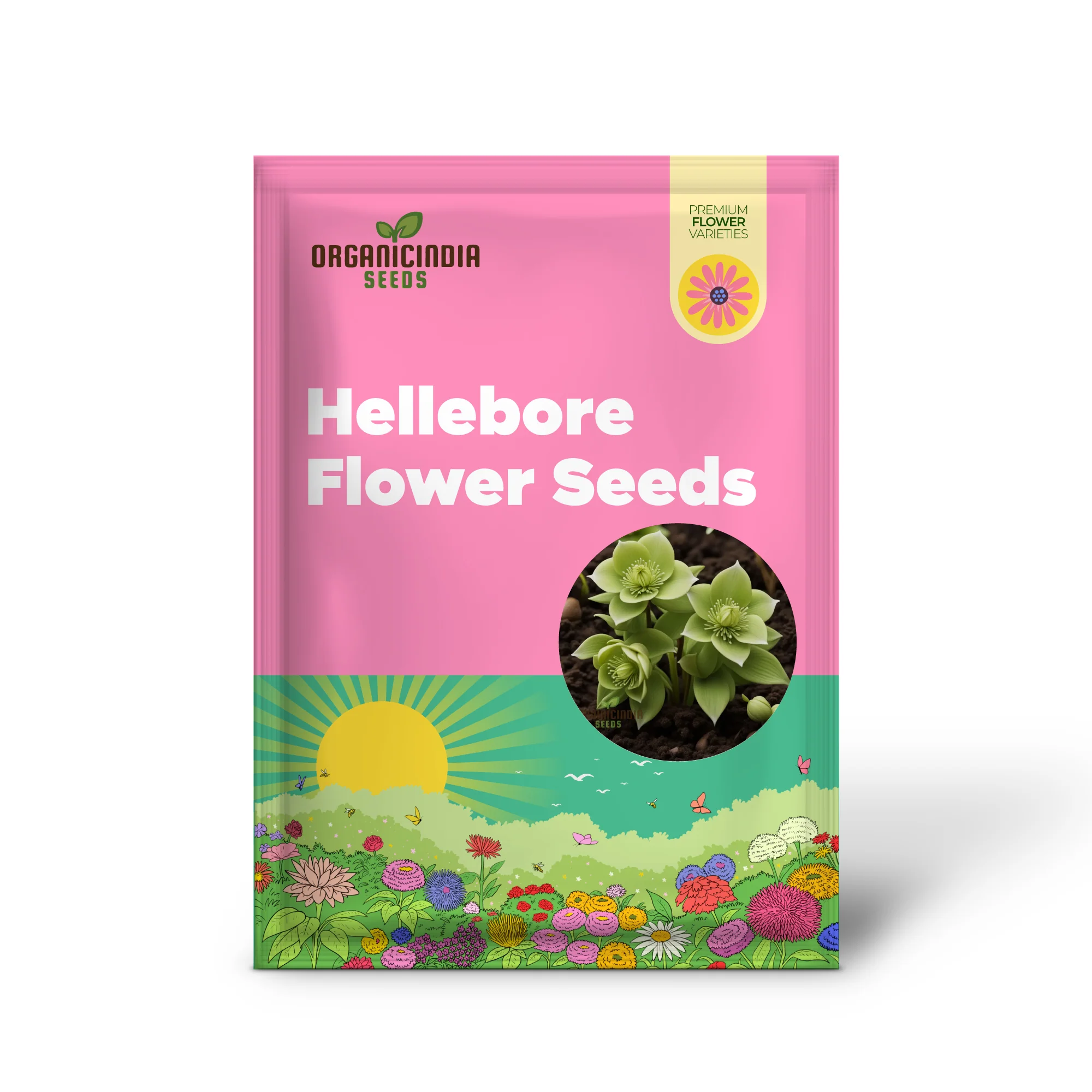
Green and White Flower Seeds for Planting - Gardening Mix (100 pcs)
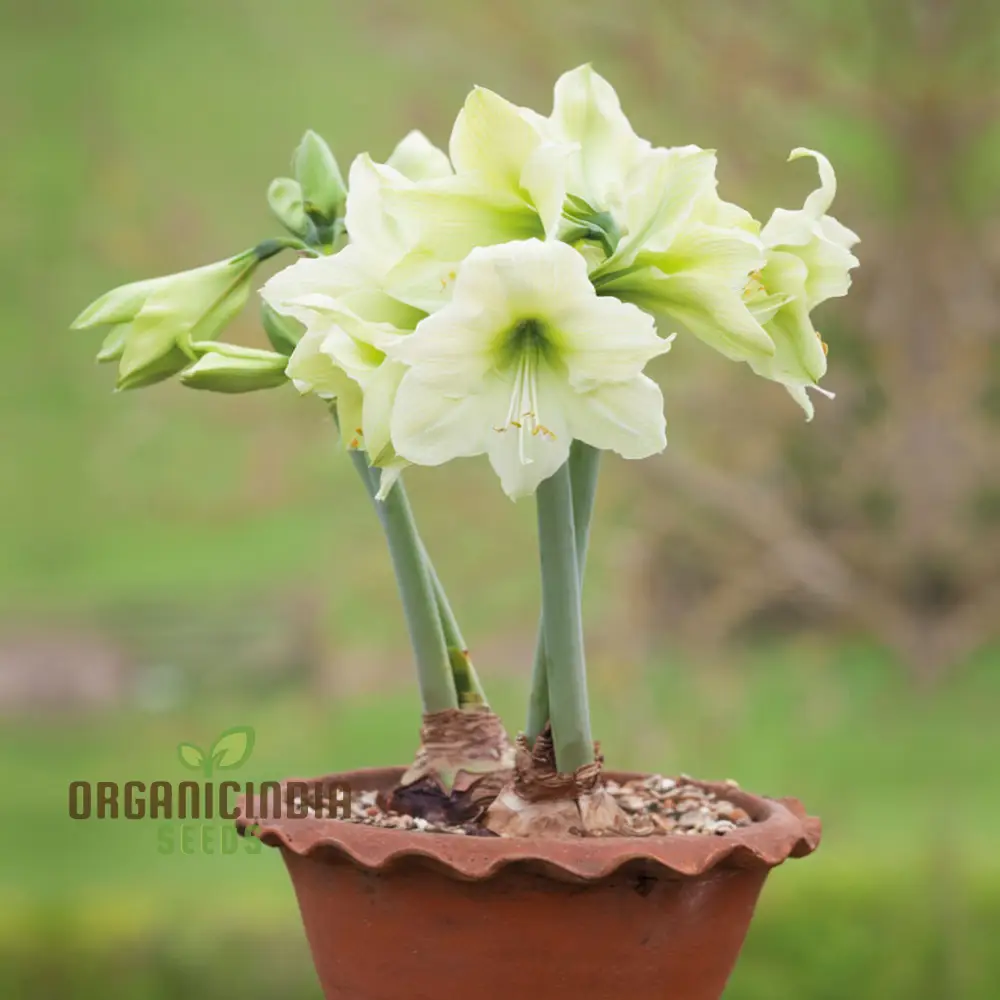
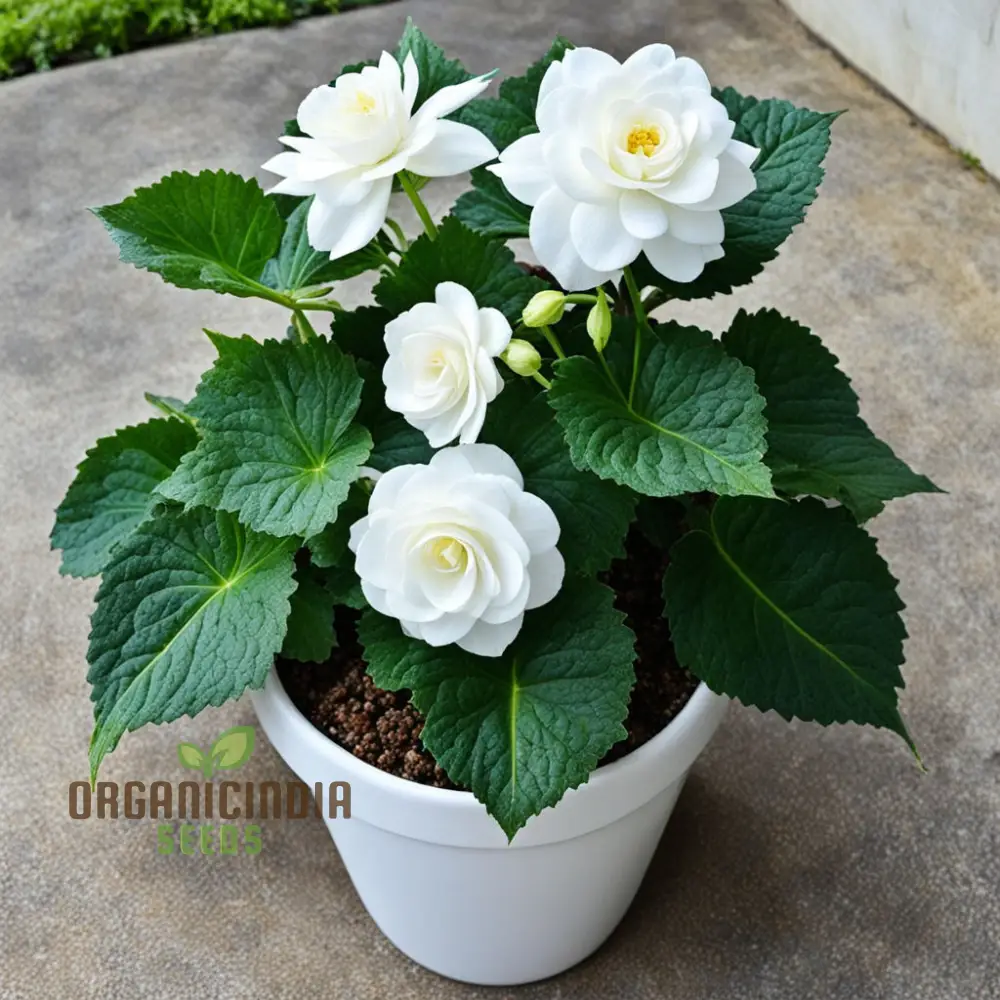
The Green and White Flower Seeds for Planting - Gardening Mix (100 pcs) offer an exceptional blend of unique blooms that can elevate the aesthetic of any garden. This mix combines two elegant and contrasting colors, green and white, creating a harmonious and visually striking combination.
Key Features:
- Common Name: Green and White Flower Mix
- Flower Color: A blend of crisp white flowers complemented by various shades of green, offering a sophisticated, serene appearance.
- Plant Type: Typically grown as an annual in most climates, though some varieties in the mix may act as perennials depending on growing conditions.
- Height: The plants within this mix vary, with a typical range of 12-36 inches tall.
- Spread: 8-12 inches wide, depending on the specific species.
- Sunlight: Full sun to partial shade, with varying light requirements depending on the species included in the mix.
- Soil Type: Prefers well-draining, fertile soil that is rich in organic matter.
- Watering: Requires moderate watering, with consistent moisture but good drainage to prevent root rot.
- Hardiness Zones: Suitable for USDA Zones 3-9, though specific species may have differing tolerances to cold.
Why Grow Green and White Flower Seeds?
- Aesthetic Appeal: The delicate green hues paired with clean white blooms create a tranquil, yet vibrant display, ideal for various garden themes from minimalist to cottage garden designs.
- Versatility: This mix can serve as an ideal backdrop in flower beds, borders, or containers, as the white and green flowers complement a wide array of companion plants.
- Pollinator-Friendly: The nectar-rich flowers attract a range of pollinators such as bees, butterflies, and hummingbirds, which contribute to the overall health of your garden.
- Low Maintenance: Depending on the species included, the mix typically requires minimal upkeep, making it ideal for gardeners looking for beautiful yet relatively effortless blooms.
- Seasonal Interest: The white and green color palette ensures visual interest throughout the growing season, even in late spring and early summer when many other flowers have faded.
Planting & Care Instructions:
- Sowing: Start by sowing seeds indoors approximately 6-8 weeks before the last expected frost. For optimal germination, lightly press the seeds into a moist, well-draining seed-starting mix without covering them, as light exposure can aid germination.
- Germination: Maintain a temperature range of 65-75°F (18-24°C) and ensure the soil remains consistently moist but not waterlogged. Expect germination to occur within 10-14 days, depending on the species.
- Transplanting: Once seedlings have developed their first true leaves and are large enough to handle, transplant them into individual pots or directly into the garden, ensuring adequate spacing based on the species’ mature size.
- Spacing: For optimal growth, space plants 8-12 inches apart to accommodate their full spread and ensure adequate air circulation.
- Direct Sowing Outdoors: After the danger of frost has passed, you can sow seeds directly outdoors, in a location with appropriate sunlight and well-draining soil.
Maintenance:
- Watering: Maintain consistent moisture, but avoid waterlogging. Water at the base of the plant to keep foliage dry and minimize the risk of fungal infections.
- Fertilization: Apply a balanced, slow-release fertilizer at planting time and supplement with a liquid feed every 3-4 weeks during the growing season to promote vigorous growth and abundant blooms.
- Deadheading: Regular deadheading of spent flowers will encourage prolonged blooming and prevent the plant from diverting energy into seed production.
- Pruning: Prune back leggy or damaged growth to encourage a more compact, bushy plant and to maintain an attractive shape.
Winter Care:
- Cold Climates: For regions that experience frost, treat these plants as annuals or dig them up and bring them indoors if they are in containers. For perennial varieties, mulching around the base can help protect the roots during the colder months.
- Mild Climates: In USDA Zones 9+ or milder climates, certain plants from this mix may survive through the winter, but ensure they are well-mulched to protect them from frost damage.
Ideal For:
- Garden Borders and Flower Beds: The clean, crisp colors of the green and white flowers will provide a fresh look in garden borders, providing contrast to other more colorful plants.
- Containers and Hanging Baskets: Due to their manageable size and attractive color scheme, these flowers are well-suited to containers, providing an elegant touch to patios, balconies, and porches.
- Pollinator Gardens: These plants attract pollinators such as bees and butterflies, which will benefit from the abundant nectar provided by the flowers.
- Minimalist or Elegant Garden Designs: The white and green palette makes this mix perfect for modern, minimalist, or refined garden themes, creating a serene and peaceful atmosphere.
In conclusion, the Green and White Flower Mix offers a versatile and visually striking solution for gardeners of all levels. By incorporating these flowers into your garden, you'll benefit from their beauty, easy maintenance, and ability to attract pollinators while enhancing the overall aesthetic of your outdoor space.
Original: $16.99
-65%$16.99
$5.95More Images


Green and White Flower Seeds for Planting - Gardening Mix (100 pcs)
The Green and White Flower Seeds for Planting - Gardening Mix (100 pcs) offer an exceptional blend of unique blooms that can elevate the aesthetic of any garden. This mix combines two elegant and contrasting colors, green and white, creating a harmonious and visually striking combination.
Key Features:
- Common Name: Green and White Flower Mix
- Flower Color: A blend of crisp white flowers complemented by various shades of green, offering a sophisticated, serene appearance.
- Plant Type: Typically grown as an annual in most climates, though some varieties in the mix may act as perennials depending on growing conditions.
- Height: The plants within this mix vary, with a typical range of 12-36 inches tall.
- Spread: 8-12 inches wide, depending on the specific species.
- Sunlight: Full sun to partial shade, with varying light requirements depending on the species included in the mix.
- Soil Type: Prefers well-draining, fertile soil that is rich in organic matter.
- Watering: Requires moderate watering, with consistent moisture but good drainage to prevent root rot.
- Hardiness Zones: Suitable for USDA Zones 3-9, though specific species may have differing tolerances to cold.
Why Grow Green and White Flower Seeds?
- Aesthetic Appeal: The delicate green hues paired with clean white blooms create a tranquil, yet vibrant display, ideal for various garden themes from minimalist to cottage garden designs.
- Versatility: This mix can serve as an ideal backdrop in flower beds, borders, or containers, as the white and green flowers complement a wide array of companion plants.
- Pollinator-Friendly: The nectar-rich flowers attract a range of pollinators such as bees, butterflies, and hummingbirds, which contribute to the overall health of your garden.
- Low Maintenance: Depending on the species included, the mix typically requires minimal upkeep, making it ideal for gardeners looking for beautiful yet relatively effortless blooms.
- Seasonal Interest: The white and green color palette ensures visual interest throughout the growing season, even in late spring and early summer when many other flowers have faded.
Planting & Care Instructions:
- Sowing: Start by sowing seeds indoors approximately 6-8 weeks before the last expected frost. For optimal germination, lightly press the seeds into a moist, well-draining seed-starting mix without covering them, as light exposure can aid germination.
- Germination: Maintain a temperature range of 65-75°F (18-24°C) and ensure the soil remains consistently moist but not waterlogged. Expect germination to occur within 10-14 days, depending on the species.
- Transplanting: Once seedlings have developed their first true leaves and are large enough to handle, transplant them into individual pots or directly into the garden, ensuring adequate spacing based on the species’ mature size.
- Spacing: For optimal growth, space plants 8-12 inches apart to accommodate their full spread and ensure adequate air circulation.
- Direct Sowing Outdoors: After the danger of frost has passed, you can sow seeds directly outdoors, in a location with appropriate sunlight and well-draining soil.
Maintenance:
- Watering: Maintain consistent moisture, but avoid waterlogging. Water at the base of the plant to keep foliage dry and minimize the risk of fungal infections.
- Fertilization: Apply a balanced, slow-release fertilizer at planting time and supplement with a liquid feed every 3-4 weeks during the growing season to promote vigorous growth and abundant blooms.
- Deadheading: Regular deadheading of spent flowers will encourage prolonged blooming and prevent the plant from diverting energy into seed production.
- Pruning: Prune back leggy or damaged growth to encourage a more compact, bushy plant and to maintain an attractive shape.
Winter Care:
- Cold Climates: For regions that experience frost, treat these plants as annuals or dig them up and bring them indoors if they are in containers. For perennial varieties, mulching around the base can help protect the roots during the colder months.
- Mild Climates: In USDA Zones 9+ or milder climates, certain plants from this mix may survive through the winter, but ensure they are well-mulched to protect them from frost damage.
Ideal For:
- Garden Borders and Flower Beds: The clean, crisp colors of the green and white flowers will provide a fresh look in garden borders, providing contrast to other more colorful plants.
- Containers and Hanging Baskets: Due to their manageable size and attractive color scheme, these flowers are well-suited to containers, providing an elegant touch to patios, balconies, and porches.
- Pollinator Gardens: These plants attract pollinators such as bees and butterflies, which will benefit from the abundant nectar provided by the flowers.
- Minimalist or Elegant Garden Designs: The white and green palette makes this mix perfect for modern, minimalist, or refined garden themes, creating a serene and peaceful atmosphere.
In conclusion, the Green and White Flower Mix offers a versatile and visually striking solution for gardeners of all levels. By incorporating these flowers into your garden, you'll benefit from their beauty, easy maintenance, and ability to attract pollinators while enhancing the overall aesthetic of your outdoor space.
Product Information
Product Information
Shipping & Returns
Shipping & Returns
Description
The Green and White Flower Seeds for Planting - Gardening Mix (100 pcs) offer an exceptional blend of unique blooms that can elevate the aesthetic of any garden. This mix combines two elegant and contrasting colors, green and white, creating a harmonious and visually striking combination.
Key Features:
- Common Name: Green and White Flower Mix
- Flower Color: A blend of crisp white flowers complemented by various shades of green, offering a sophisticated, serene appearance.
- Plant Type: Typically grown as an annual in most climates, though some varieties in the mix may act as perennials depending on growing conditions.
- Height: The plants within this mix vary, with a typical range of 12-36 inches tall.
- Spread: 8-12 inches wide, depending on the specific species.
- Sunlight: Full sun to partial shade, with varying light requirements depending on the species included in the mix.
- Soil Type: Prefers well-draining, fertile soil that is rich in organic matter.
- Watering: Requires moderate watering, with consistent moisture but good drainage to prevent root rot.
- Hardiness Zones: Suitable for USDA Zones 3-9, though specific species may have differing tolerances to cold.
Why Grow Green and White Flower Seeds?
- Aesthetic Appeal: The delicate green hues paired with clean white blooms create a tranquil, yet vibrant display, ideal for various garden themes from minimalist to cottage garden designs.
- Versatility: This mix can serve as an ideal backdrop in flower beds, borders, or containers, as the white and green flowers complement a wide array of companion plants.
- Pollinator-Friendly: The nectar-rich flowers attract a range of pollinators such as bees, butterflies, and hummingbirds, which contribute to the overall health of your garden.
- Low Maintenance: Depending on the species included, the mix typically requires minimal upkeep, making it ideal for gardeners looking for beautiful yet relatively effortless blooms.
- Seasonal Interest: The white and green color palette ensures visual interest throughout the growing season, even in late spring and early summer when many other flowers have faded.
Planting & Care Instructions:
- Sowing: Start by sowing seeds indoors approximately 6-8 weeks before the last expected frost. For optimal germination, lightly press the seeds into a moist, well-draining seed-starting mix without covering them, as light exposure can aid germination.
- Germination: Maintain a temperature range of 65-75°F (18-24°C) and ensure the soil remains consistently moist but not waterlogged. Expect germination to occur within 10-14 days, depending on the species.
- Transplanting: Once seedlings have developed their first true leaves and are large enough to handle, transplant them into individual pots or directly into the garden, ensuring adequate spacing based on the species’ mature size.
- Spacing: For optimal growth, space plants 8-12 inches apart to accommodate their full spread and ensure adequate air circulation.
- Direct Sowing Outdoors: After the danger of frost has passed, you can sow seeds directly outdoors, in a location with appropriate sunlight and well-draining soil.
Maintenance:
- Watering: Maintain consistent moisture, but avoid waterlogging. Water at the base of the plant to keep foliage dry and minimize the risk of fungal infections.
- Fertilization: Apply a balanced, slow-release fertilizer at planting time and supplement with a liquid feed every 3-4 weeks during the growing season to promote vigorous growth and abundant blooms.
- Deadheading: Regular deadheading of spent flowers will encourage prolonged blooming and prevent the plant from diverting energy into seed production.
- Pruning: Prune back leggy or damaged growth to encourage a more compact, bushy plant and to maintain an attractive shape.
Winter Care:
- Cold Climates: For regions that experience frost, treat these plants as annuals or dig them up and bring them indoors if they are in containers. For perennial varieties, mulching around the base can help protect the roots during the colder months.
- Mild Climates: In USDA Zones 9+ or milder climates, certain plants from this mix may survive through the winter, but ensure they are well-mulched to protect them from frost damage.
Ideal For:
- Garden Borders and Flower Beds: The clean, crisp colors of the green and white flowers will provide a fresh look in garden borders, providing contrast to other more colorful plants.
- Containers and Hanging Baskets: Due to their manageable size and attractive color scheme, these flowers are well-suited to containers, providing an elegant touch to patios, balconies, and porches.
- Pollinator Gardens: These plants attract pollinators such as bees and butterflies, which will benefit from the abundant nectar provided by the flowers.
- Minimalist or Elegant Garden Designs: The white and green palette makes this mix perfect for modern, minimalist, or refined garden themes, creating a serene and peaceful atmosphere.
In conclusion, the Green and White Flower Mix offers a versatile and visually striking solution for gardeners of all levels. By incorporating these flowers into your garden, you'll benefit from their beauty, easy maintenance, and ability to attract pollinators while enhancing the overall aesthetic of your outdoor space.